Waved
2011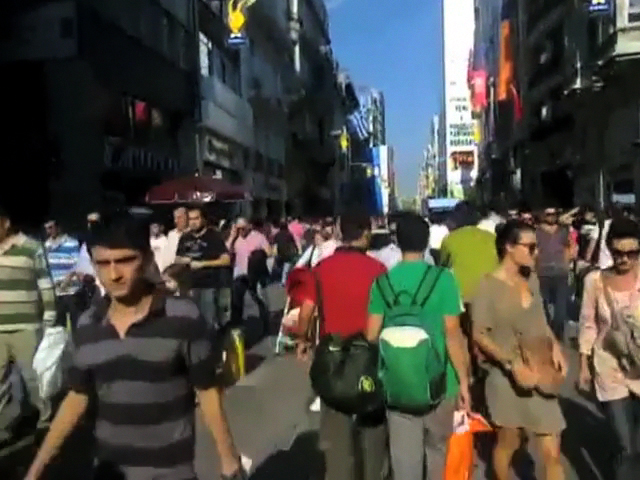
Waved (2011), video still
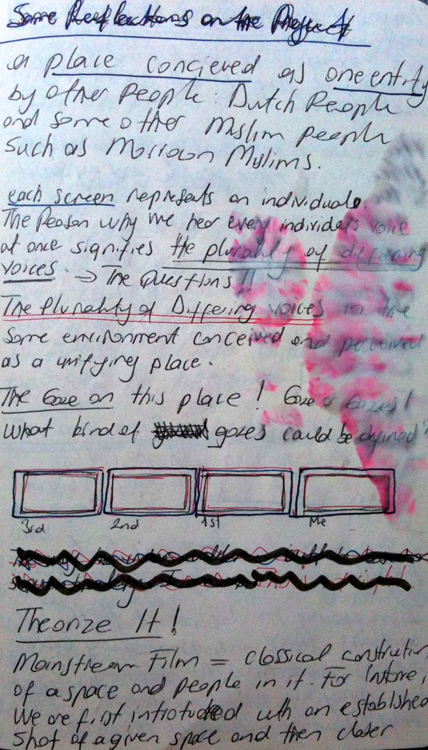
Process of working on Waved
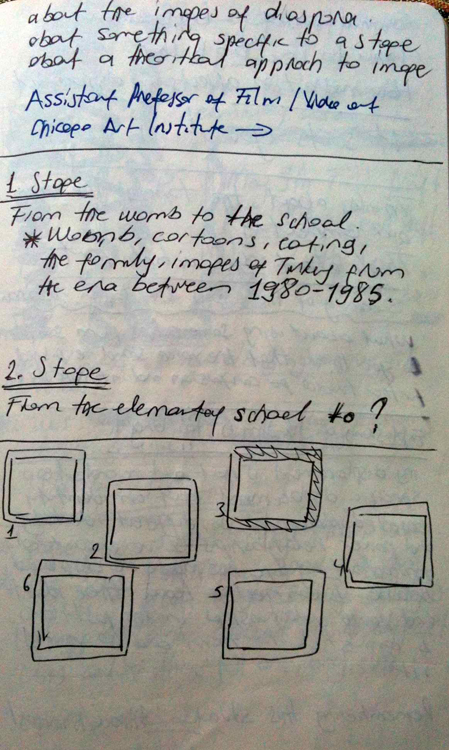
Process of working on Waved
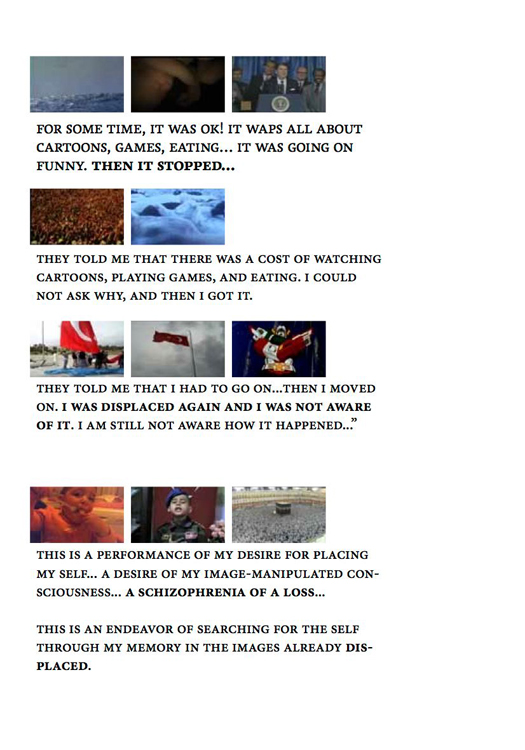
Process of working on Waved
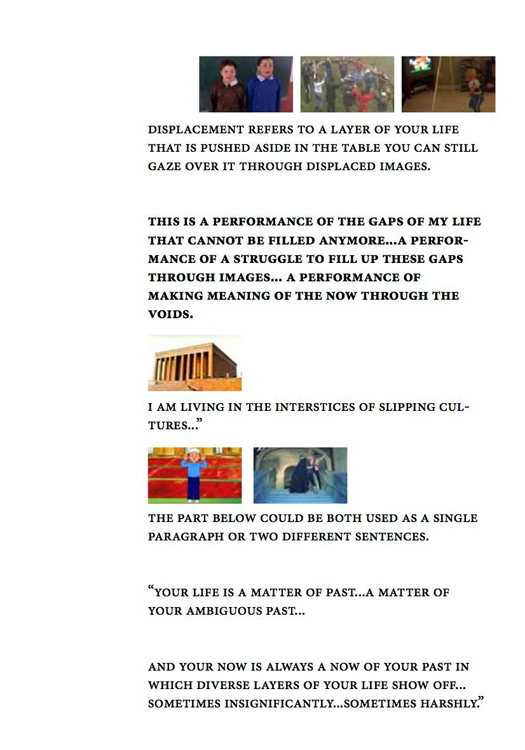
Process of working on Waved
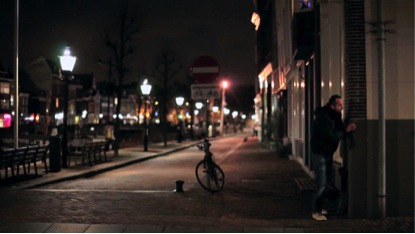
"Exile experience in Rotterdam, Netherlands (2010)."
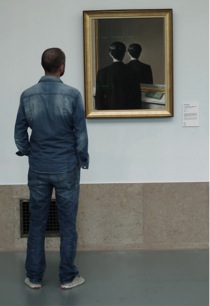
"This image, for me, offers a space to look at your identity, at one occasion, and alienate yourself from it at another occasion."
Artist observes Not to be Reproduced, by Rene Magritte, Museum Boijmans Van Beuningen, Rotterdam, Netherlands (2011).
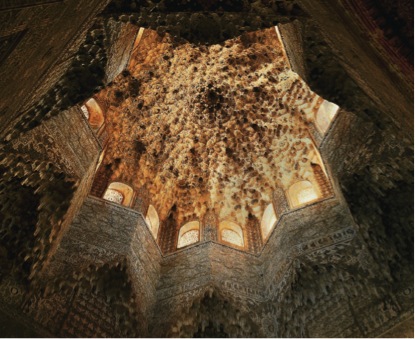
Reference of the artist: the Muqarnas Dome on the Hall of Abencerrajes, at the Alhambra Palace, Granada, Spain
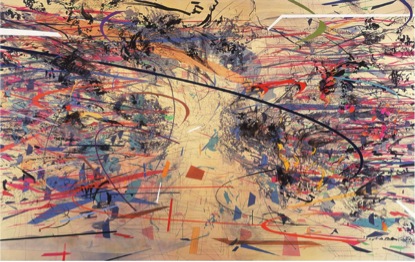
Reference of the artist: Dispersion (2002), by Julie Mehretu
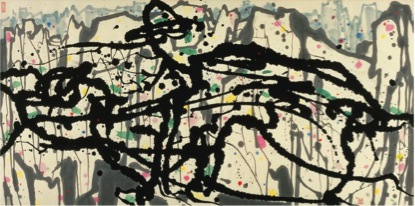
Reference of the artist: Pine Spirit (1984), by Wu Guanzhong
"Waved was triggered by explorations on my estrangement with the city of Rotterdam, which led me to look at Turkish Muslim people living in the Netherlands, their alienation and in-between position in this country. While I was thinking about my position among these people, I was also asking myself about my identity in exile. To what extent have I been experiencing estrangement? What is shaping my identity in the Netherlands?
In the light of these considerations, I started researching the work of filmmakers whose style was strongly affected by their diaspora and exile experience, intentionally or not, as Hamid Naficy suggests. While doing this research, I strongly noticed that my personal feelings regarding this in-between situation was not directly related to being stuck in a specific place – the Netherlands –, but to something that I have experienced throughout my whole life.
The Turkish state is a secular nation created under the ideology of Kemalism or Ataturkism. To create a unified nation-state, the founder of the Republic of Turkey and its successors envisioned a supra identity based on a turkishness, which would soon turn into a race-based identity and shape the new state in accordance with the superiority of it.
This turkishness hasn’t allowed the minorities to keep and pursue their own cultures, and eventually most of them were assimilated by it. The main constituents of this identity could be basically defined as: Turkish Nationalism and a A Secular Understanding of Islam. This has brought along a society in which its members are forced to adapt to a secular citizenship.
In the early stages of my life, my identity was shaped within this social, political and cultural climate: the identity of a secular 'Muslim Turkish citizen'. However, it also faced various influences, including that of my ethnic Hemshinli root, fundamental Islamic values and popular Western culture, which, by merging with my secular Muslim Turkish identity, have laid the foundation of who I am.
At first sight, Waved can be perceived as an autobiographical piece, telling my own story via displacement, memory and image. However, my work doesn't specifically address displacement, memory or image as we literally understand them, nor does this work represent my autobiographical story. Every part of this triad is strictly related to the Other. I am dealing with displacement as an experience where one is forced to face diverse and complex influences of powers throughout life. Likewise, memory is not just a look at my past, and images do not only refer to the images I recall from my past.
I use found footage, suggesting a collectively produced memory, rather than individual, specific and inscribed memory. Our memories are being shaped by a constant transformation of image production and consumption. We are not only looking at individual images, but also at images collectively shaped and justified, gaining meaning thereof. I call these images displaced images."
Zafer Topaloglu in a statement to PLATFORM:VB (October 2013)
Waved (2011) | Zafer Topaloglu
Video installation | 5 channels, 5’17”, 4’42”, 4’49”, 4’30”, 4’31”, stereo, color, 4 : 3, loop
Waved (2011) details and setup at the exhibition space of the 18th Contemporary Art Festival SESC_Videobrasil
Testimony Zafer Topaloglu | 18th Festival
The artist discusses his work as a project for sharing a personal history, and on the other hand looking at his past since childhood. He claims he is trying to answer the following question: how to look at oneself through collectively produced images
Walden: Diaries, Notes and Sketches (1969) | Jonas Mekas
Reference for Waved
The Atomic Cafe (1982) | Kevin Rafferty, Pierce Rafferty, Jayne Loader
Reference for Waved
Sans Soleil (1983) | Chris Marker
First minute of Chris Maker's film, Sans Soleil, one of the references for Waved
Notre Musique (2004) | Jean Luc Godard
Reference for Waved
Samuel Beckett's Waiting for Godot (1953) and Gilles Deleuze & Felix Guattari's A Thousand Plateaus (1987) and Fernando Pessoa's body of work are important references for Zafer Topaloglu.
Among the films that have influenced him are: Persistence (1997), by Daniel Eisenberg; Dial H.I.S.T.O.R.Y (1997), by Johan Grimonprez; Measures of Distance (1988), by Mona Hatoum and Notebook on Cities and Clothes (1989), by Wim Winders.