Trans Amazônica
2013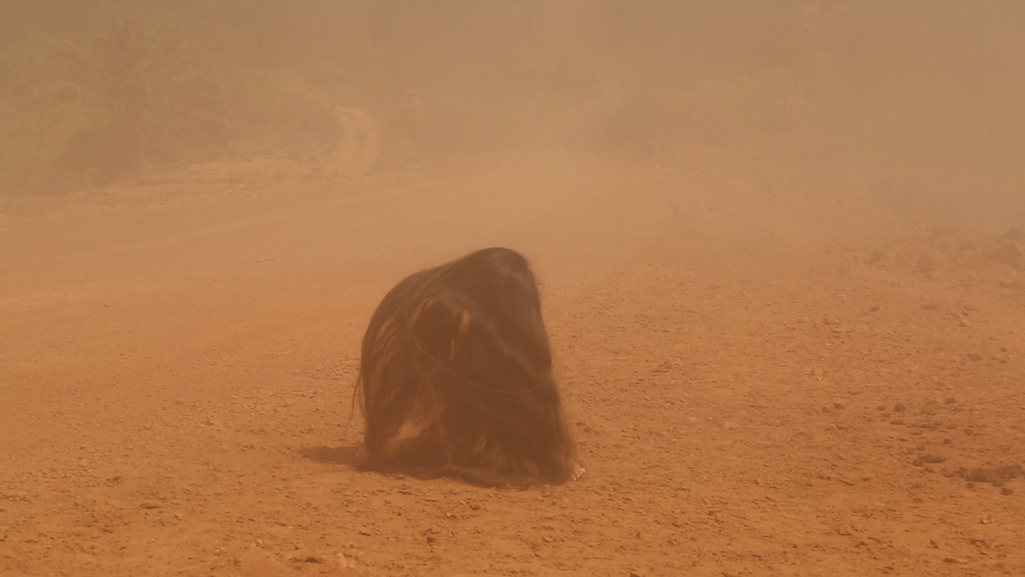
Video still
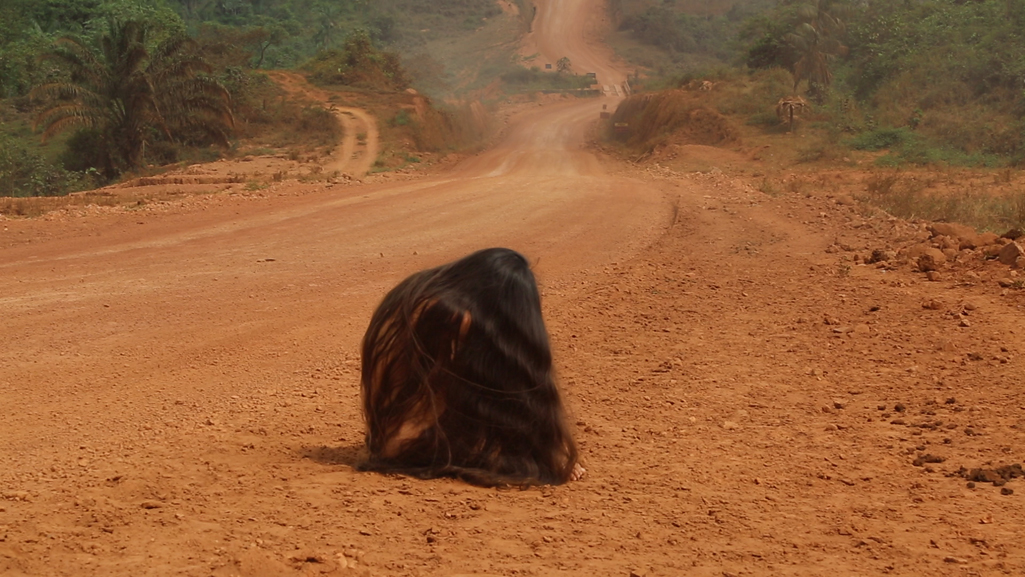
Video still
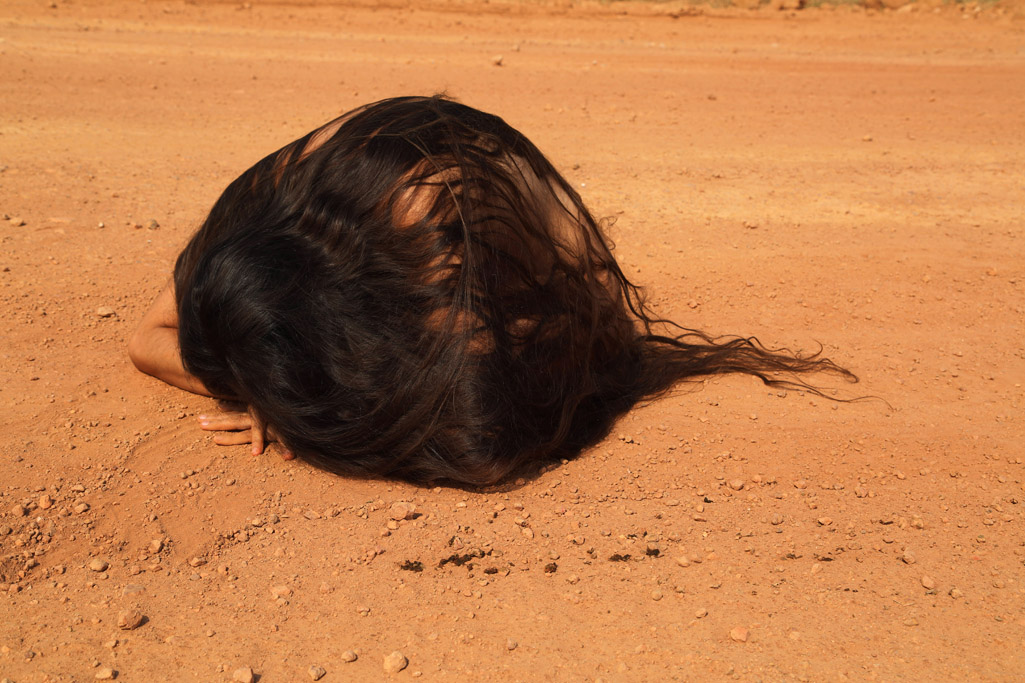
Study for the work (2013)
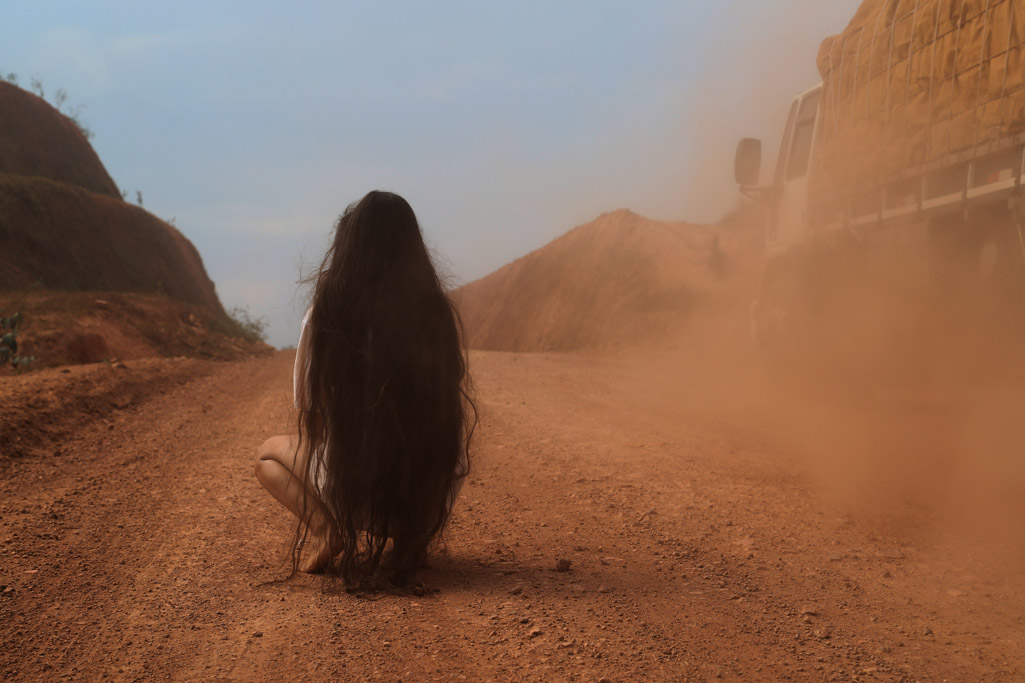
Study for the work (2013)
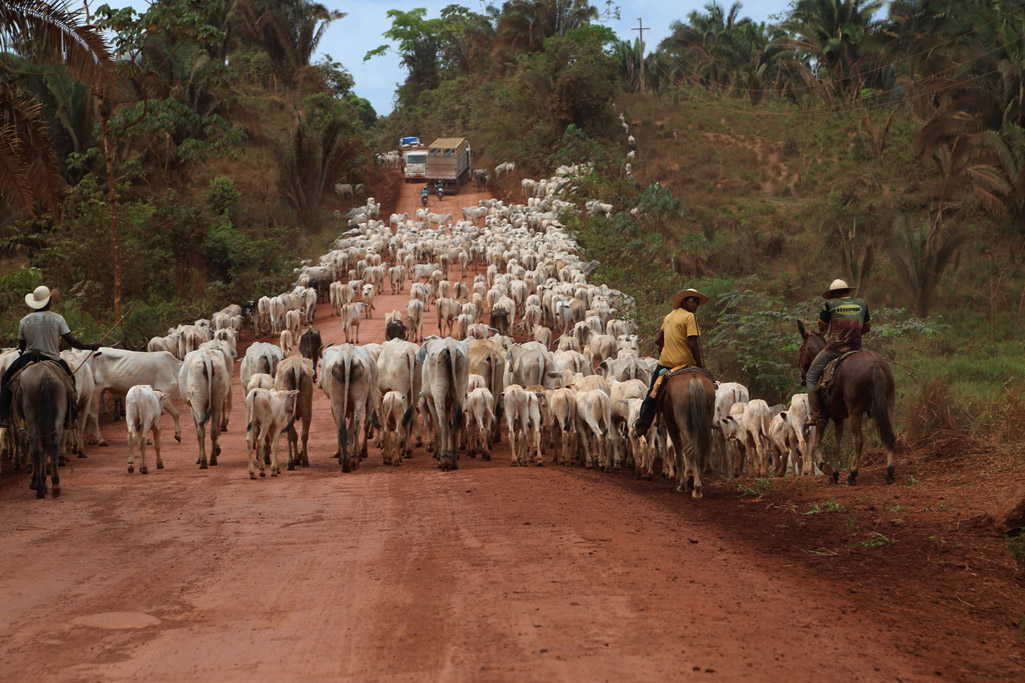
Pictures taken during the production of the piece (2013)
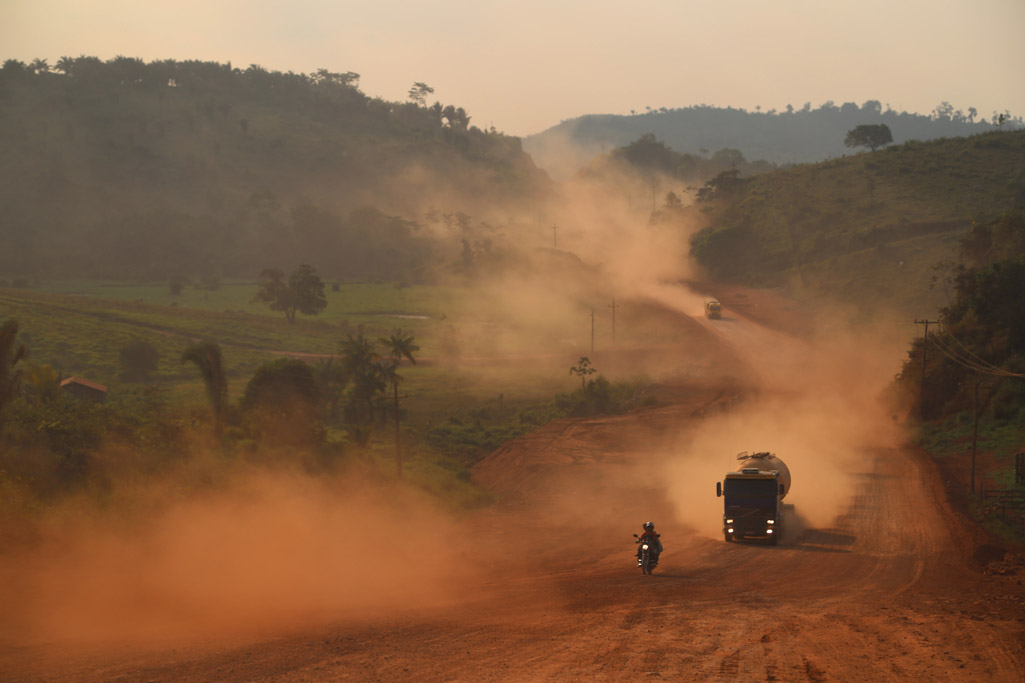
Pictures taken during the production of the piece (2013)
"Trans Amazônica was conceived as part of the Orgânicos series, created during a scholarship for creation and experimentation at Instituto de Artes do Pará, the arts institute of the state of Pará, in 2013 and 2014. I carried out a sort of affective cartographic mapping of Pará, of the man-nature relationship, of the use of land, and of a few geographical specificities of the state, which is Brazil’s second largest.
Trans Amazônica is named after the Trans-Amazonian Highway, the primary land access to Brazil’s two largest states, Pará and Amazonas, which together span roughly 50% of the legal Amazon’s territory. Since its planning, this highway encapsulates the integrationist discourse that concealed a desire to explore the Amazon’s resources. During the project, my team and I drove along this same highway to the Xingu River area, which was being rocked by conflicts surrounding the construction of the Belo Monte power plant.
We travelled 500 km from Marabá to Altamira, spending over two days on roads that were in terrible shape. Amidst all that dust, it was all very clear: that was the route through which thousands of trucks drove supplies and fuel into the cities and then made the return trip packed with wood, ore, animals or some natural resource.
Along the way, the landscape was made of hours and hours of grazing land, with short breaks for Indian reservation areas, the only places where the original vegetation of the Amazonian remained. These small territories have been preserved at the cost of much awareness-raising and physical struggle, since most of the natives were killed or driven away during the highway’s construction. The Trans-Amazonian is an open scar on the face of Brazil; there’s a crazy energy that puts fear into people’s hearts. During the trip, we felt we were travelling through 'no man’s land', and this was the energy that birthed Trans Amazônica — a looped one-minute video that covers a body in fetal position with dust, the position one is born and dies in, according to some Indian traditions, and which gradually reveals a completely changed landscape. The piece straddles fiction and reality, because historical reality in Brazil is fictional. And fiction is a subtle way of taking in reality."
Luciana Magno in a statement to PLATFORM:VB (July 2015)
Trans Amazônica, 2013. From the series Orgânicos | Video, 1’11”
Luciana Magno
“Trans Amazônica was created as part of the Orgânicos series, which works with the notion that the body is also nature, it is also carbon. Our system is composed of the very same substances, only it has a different way of organizing particles, arranged into thinking matter. We have our own system among so many other types of organic matter, and this matter is cyclical and follows a spectral, transcendental cycle that corresponds to the charge of time, to a very strong energy that renews itself while retaining its memory. This cycle is somehow tantamount to the cycle of life proposed by Zen thinking, of matter, of consciousness.”