None of the Above
2013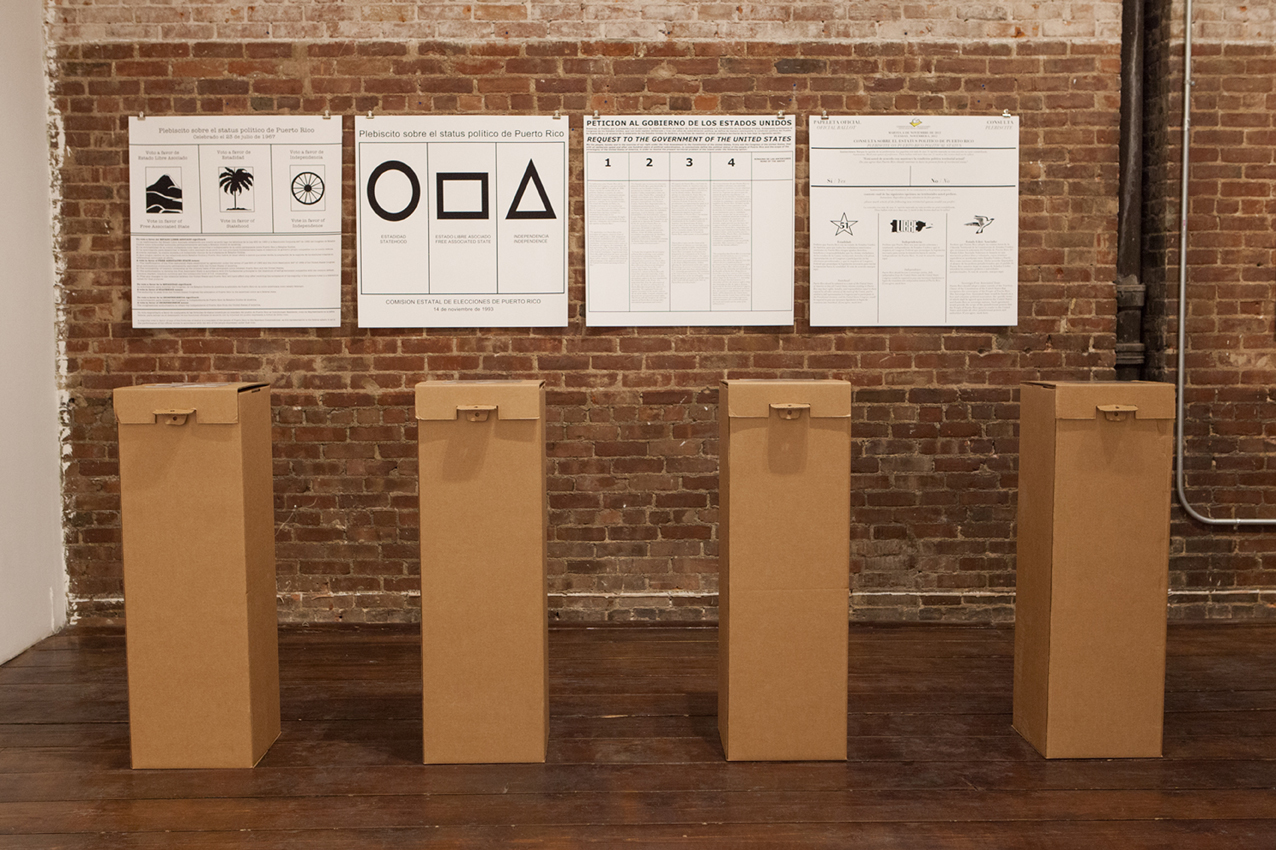
Installation detail
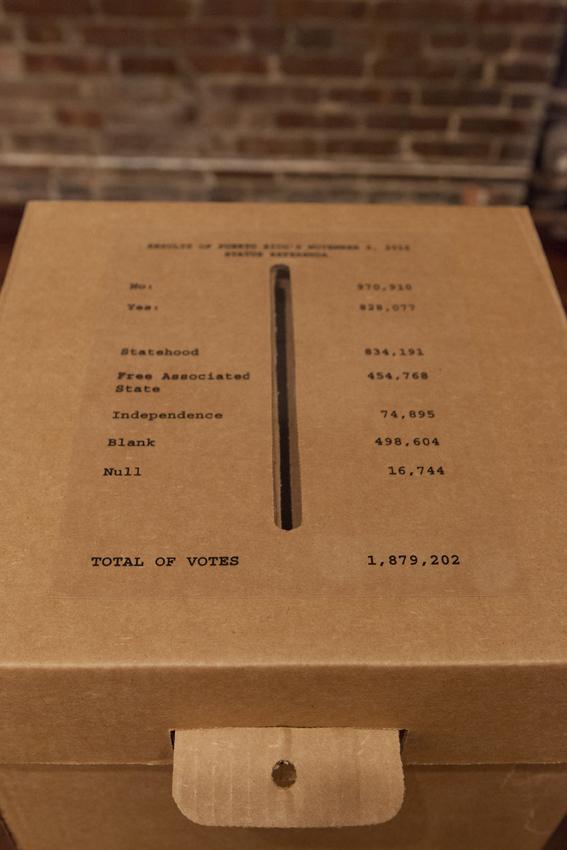
Installation detail
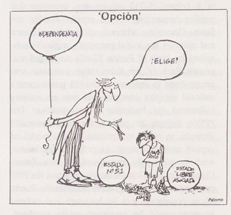
Research for the piece
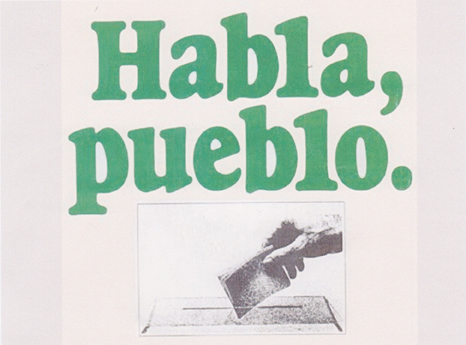
Research for the piece
Research for the piece
Research for the piece
"I see this work as part of a bigger investigation on the relation between aesthetics and politics. I also see it as part of a recent series of works about the history of Puerto Rico since it became a territory of the United States, in 1898. Re-looking at the history of Puerto Rico since the U.S. invasion, and the colonial relation between Puerto Rico and the United States, I ask myself: How has this history been represented? How can one represent this history in a way that makes the viewer re-think this relationship?
The question 'How can art contribute to the formation of Puerto Rico’s national identity?' is something that arose from my creative process. This piece addresses the issue of Puerto Rico’s current political status and the debates surrounding this issue. Puerto Rico has been an American colony since 1898, and the island remains an unincorporated territory — it belongs to but it is not part of the United States. Puerto Rican people have been American citizens since 1917, so the colonialism and the American citizenship define Puerto Rican history. Puerto Rican politics revolve around whether the Island should be Independent, a State of the Union, or continue as a Commonwealth.
There is a constant tension between the United States government’s effort to maintain the colonial status quo and the Puerto Rican people's desire to end colonial domination or reform it. What are the solutions to the colonial dilemma of Puerto Rico? Is the current plebiscite process a solution to the problem of Puerto Rico?
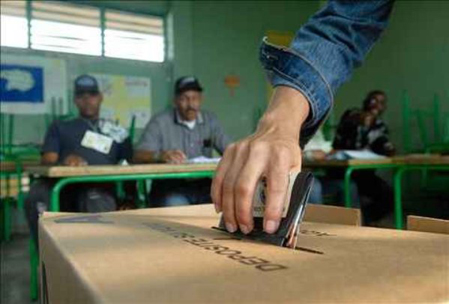
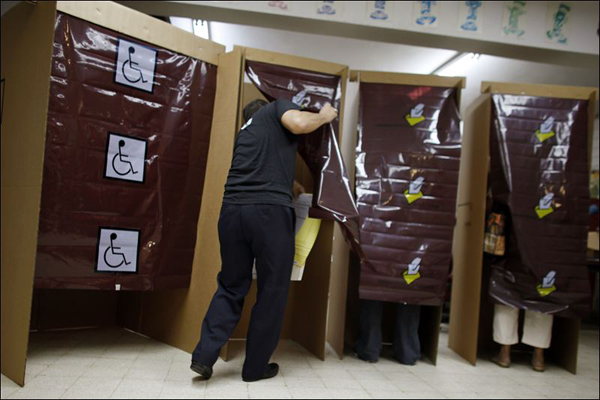
For None of the Above, I carried out a research at the Comisión Estatal de Elecciones library, in Puerto Rico, where I found copies of the status referendum ballots and got the ballot boxes that were used in Puerto Rico during the elections and referendums. I also researched online for the total of votes for each referendum, and to find material about the parties and their programs.
By placing the ballots from the 4 referendums on Puerto Rico’s political status, the viewer can see how the definitions of the 3 options (independence, State of the Union and Commonwealth) change with each referendum. Besides, by having the totals of votes for each referendum in the ballot boxes, the unresolved issue and the indecision that is characteristic of the relationship between Puerto Rico and United States become visible. The ballot box is intended to represent a form that generates something that has not been able to be generated. The form of the work brings up questions about the information that is not contained there."
Monica Rodriguez in a statement to PLATFORM:VB (July 2015)
None of the Above, 2013 | Installation
Monica Rodriguez
"The art movements that emerged globally during the 1960s and 70s have directly contributed to my art practice, specifically the works and theories of Latin American Conceptual Art. This work challenged the notion of art as a transcendent, independent and formalist entity with no social task to accomplish, claiming instead that art could be used as an instrument for social and political change. Latin American Conceptual artists extended the critique of the institutions and practices of art to an analysis of political and social issues. This was achieved through their commitment to connect modes of artistic production with dissenting forms of political intervention. By organizing events that transformed art into political action, they shifted the focus from an aesthetic concern to the specific social context in which a work of art was to operate. It is in the work and theories of Latin American Conceptual Art that I discovered the potential of art as a revolutionary political tool.
The postcolonial theory analyses of the cultural legacies of colonialism and imperialism, and the consequences of economic exploitation of the native people and their land were also references for the creation of this piece."