Mil vezes um
2014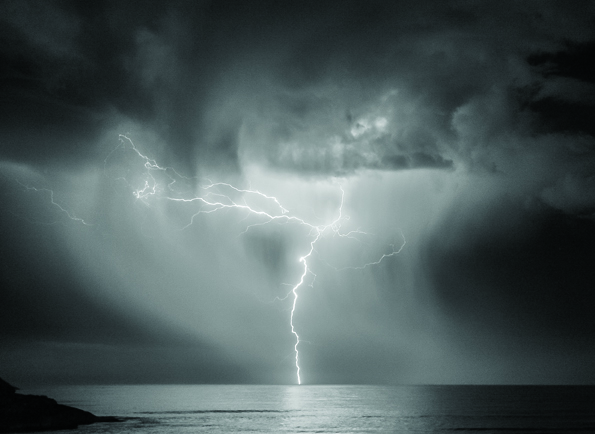
Mil vezes um video installation detail
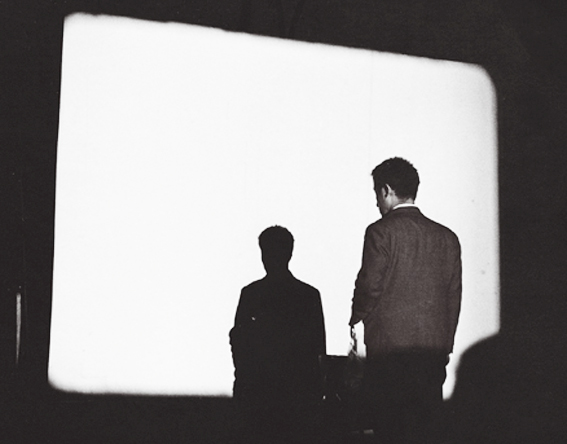
Reference for the artist: Zen for Film, Nam June Paik (1962-1964)
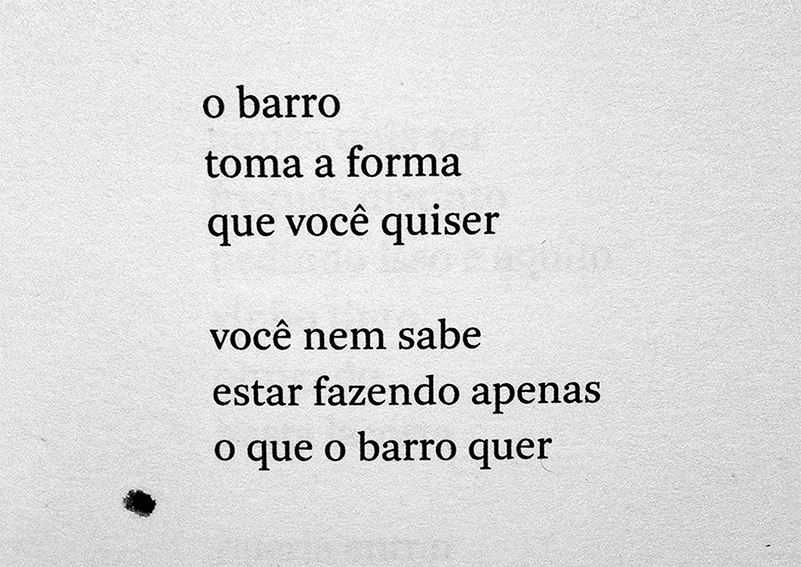
Reference for the artist: O que o barro quer, Paulo Leminski
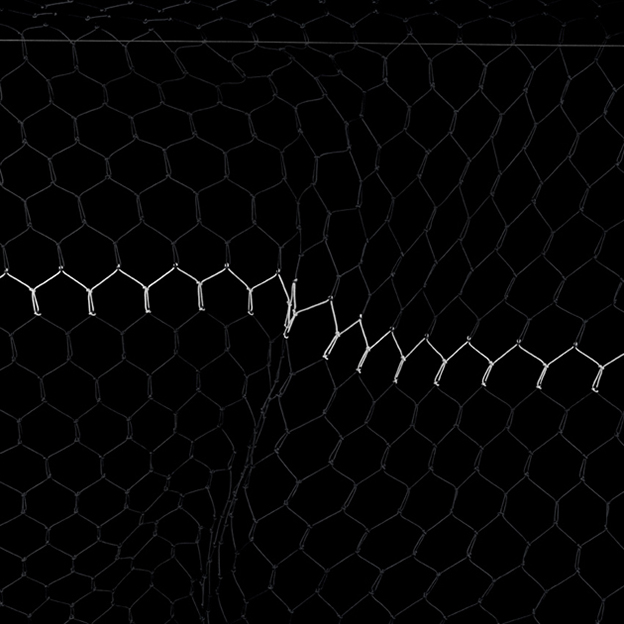
Still from Um a zero #4 (2012), a piece by the artist
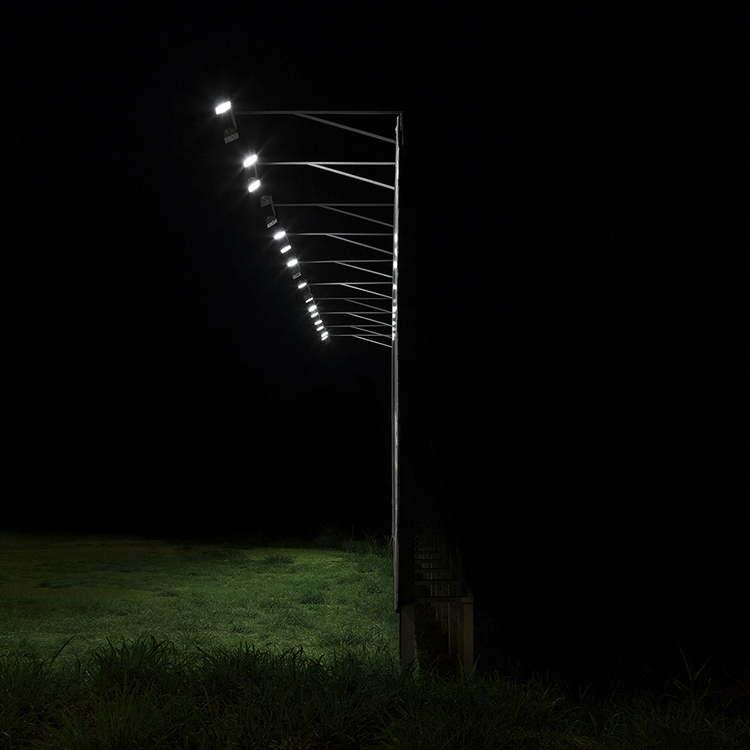
Front Light #8 (2012), a piece by the artist
"Mil vezes um [A Thousand Times One] employs a minimal combination of elements from cinema, and claims the image’s image — the representation — for itself. The grandiose aspect of a celestial bang in high sea is somehow softened up by the absence of sound, by the scene paused in mid-motion and by the appropriative gesture that detaches the image of the experience from the person who photographed it.
Lightning and cinema arrived together, in a single image, while I was preparing the solo show Do Corte, held in São Paulo, in 2012. At that point, I was finishing new pieces, like the video installation Nascente. The notion of cut that is present in the exhibition brought — and keeps bringing — attention to the senses informed by each matter, thing, and language. Whenever I would imagine the artwork in space, something in the composition just wouldn’t happen. It was as if the two major parties involved, lightning and cinema, with their different potentialities, had to split up in order to be able to function together. The other works were shown, and Mil vezes um required more time in the making.
Earlier on in the research process, I would let my imagination run freer. I would think, for example, of the trajectory of these ephemeral bursts of light, departing from the sky and travelling in projections through the memories of people, of machines, of the world.
When the time came to choose a projection mode, and I went for the 16mm projector, the forms adjusted accordingly. The beam of light was a given, and despite its continuous form, I realized that image in motion was not necessarily required in order to create the pulse; all it took was the interval between one photogram and the next one. I decided to use an image a thousand times, instead of a thousand images only once. The feeling was like adding an image to the language, creating an entry and an exit point at once.
In the wait before the image that repeats itself — as we realize that no other takes are coming —, the illusion is slowed down. The projector, the rhythmic sound of the engine, the looped film, the light beam, the space between viewer and screen, everything becomes endowed with a different topography. Each of these elements is as important as the image of the lightning. Replicated in a thousand photograms, this image is based on a photograph by Australia’s Shane Ocean, a collaborator for National Geographic. I reached out to Shane with the help of my then-assistant André Baumecker. The photographer liked my proposal and assigned me the usage rights to the image, which had never been published. We removed the color and reframed the original photograph. The first shot took place in Belo Horizonte, with collaboration from the cinematographer and photographer Zinho de Araújo. Because of an issue relating to the window that was used, we later redid the shot in a laboratory. André, who is also a photographer, was very present throughout the whole process, all the way until the final master."
Pablo Lobato in a statement to PLATFORM:VB (July 2015)
Mil vezes um, 2014 | Installation projector 16mm, 16mm 1000 frames, loop
Pablo Lobato
Zen For Film (1962-64) | Nam June Paik
Reference to the artist
“During this research, I couldn’t help but converse with Nam June Paik’s Zen For Film installation (1962-64), which features nothing but one uninterrupted white projection on the screen."