Vive le capital
2012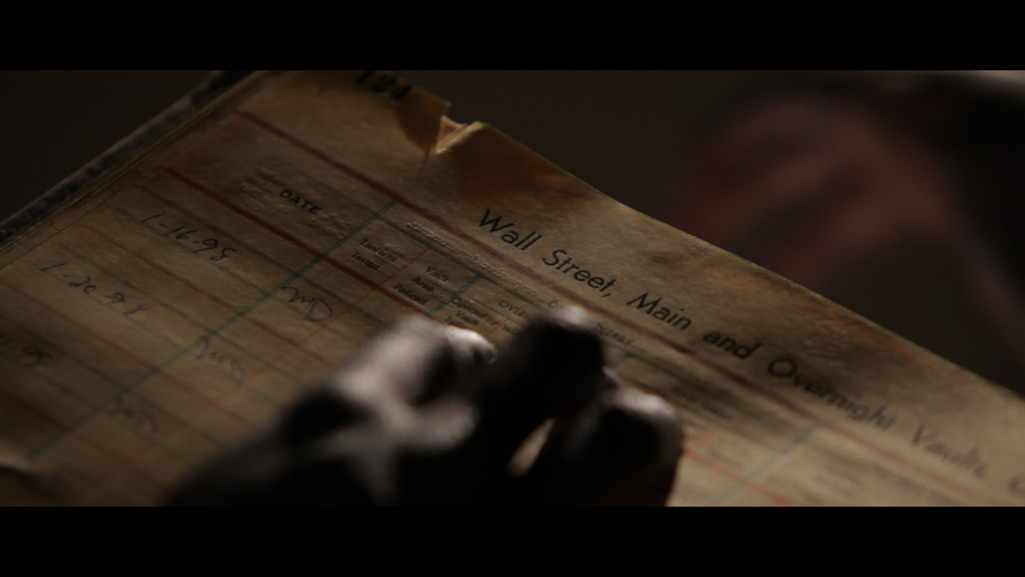
Vive le capital (2012), video still
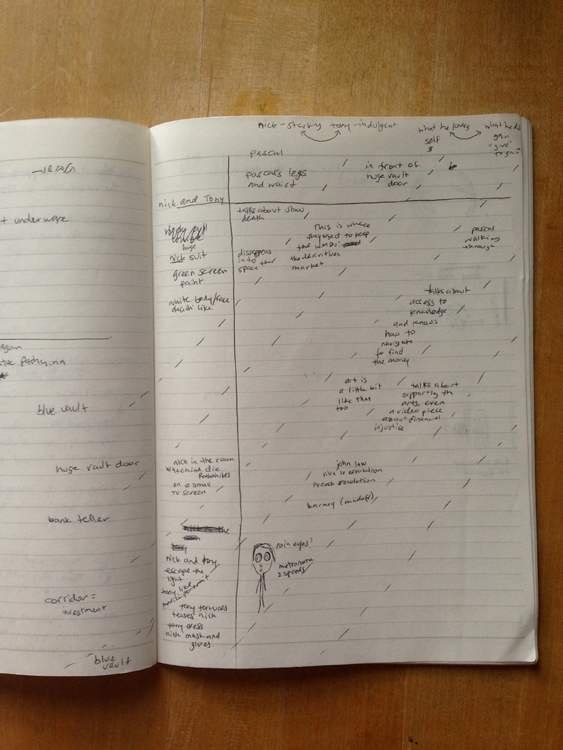
Artist's notebook with references, quotes and research
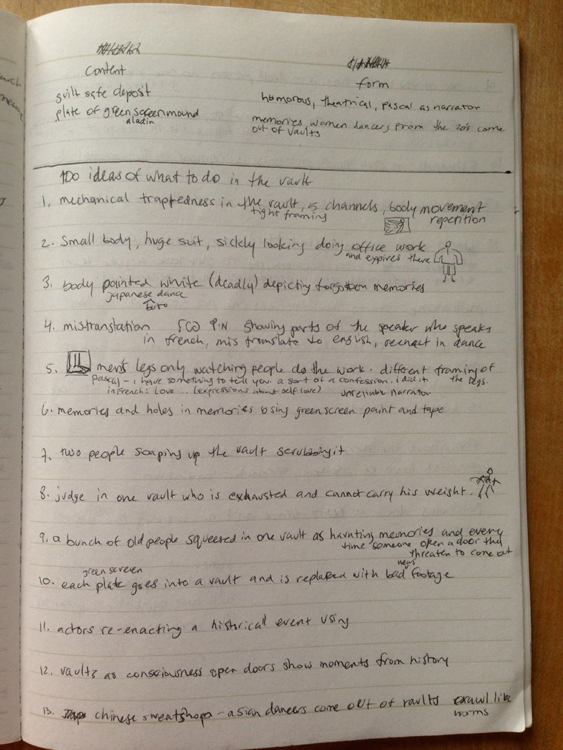
Artist's notebook with references, quotes and research
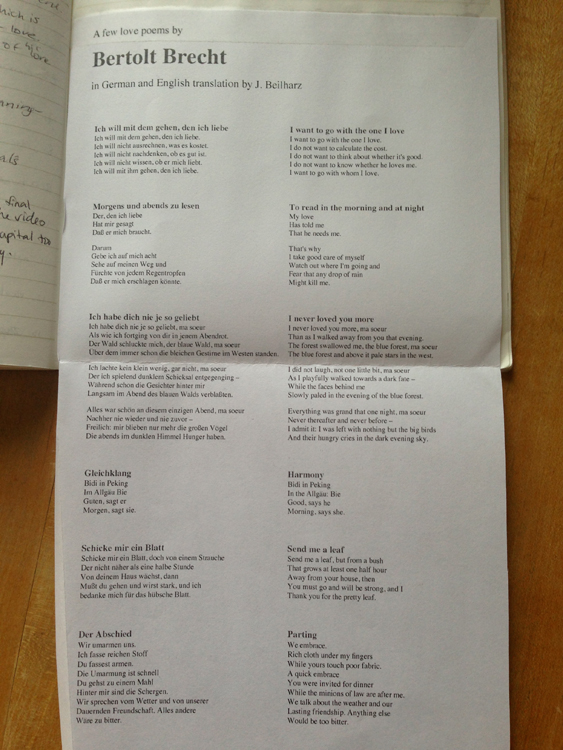
Artist's notebook with references, quotes and research
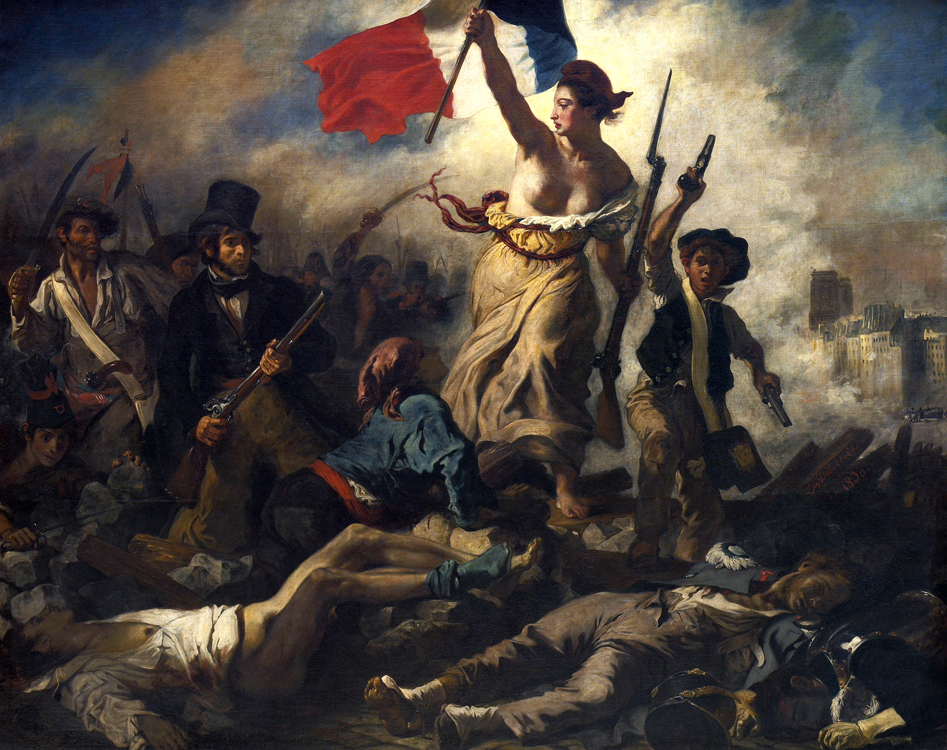
"A visual reference I used for the French Revolution scene is Delacroix’s painting La Liberté guidant le peuple (Liberty leading the people) (1830)", explains the artist.
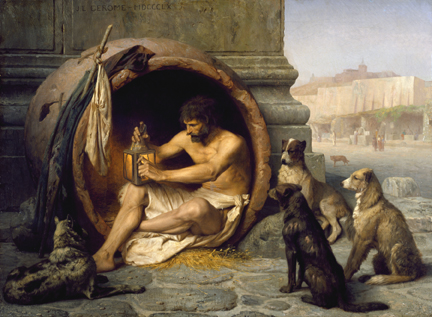
Visual references of the artist: Diogenes (1860), Jean-Léon Gérôme
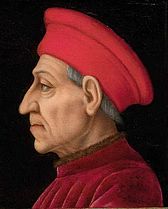
Visual references of the artist: Cosimo de Medici (1505), Agnolo Bronzino
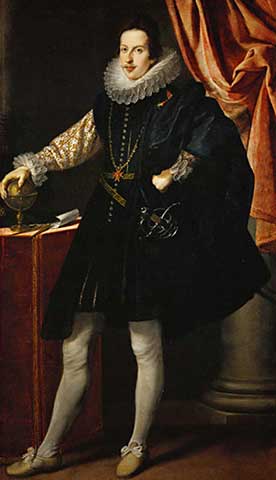
Visual references of the artist: Cosimo II de Medici (1622-1623), Justus Sustermans
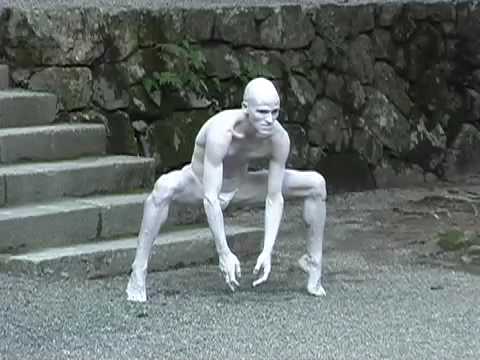
"The influence of Butoh was also important, a movement formed in Japan after World War II, which challenged tradition and incorporated Western motifs into Japanese culture", explains the artist.
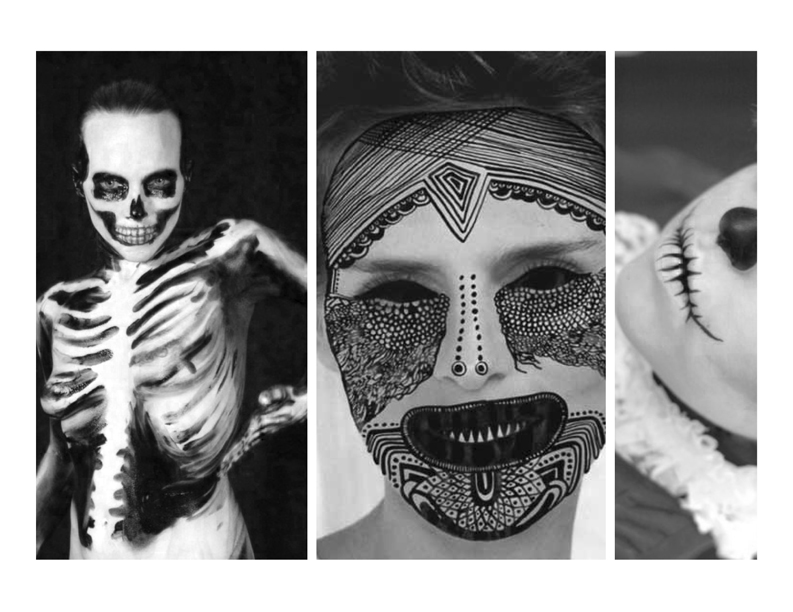
Visual references of the artist: body paint, by Saskia Edens, Nina Chakrabarti and Jojonel
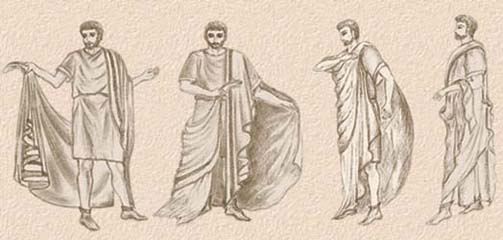
Visual references of the artist: Roman dress
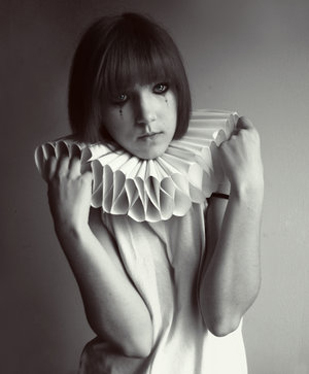
Visual references of the artist: the character Pierrot, by Sid Xand XNancy
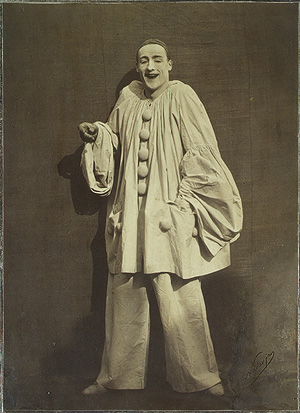
Visual references of the artist: the character Pierrot, by Félix Nadar and Adrien Tournachon, Paris, France (1845)
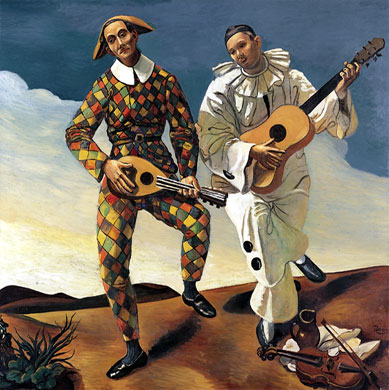
Visual references of the artist: Harlequin and Pierrot, André Derain (1924)
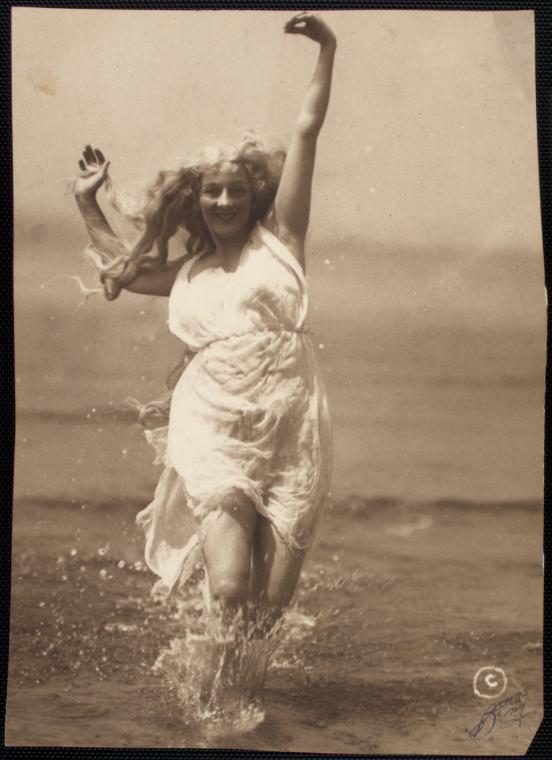
Visual references of the artist: Gertrude Hoffmann dancing in water, by Frank C. Bangs (1914-1915)
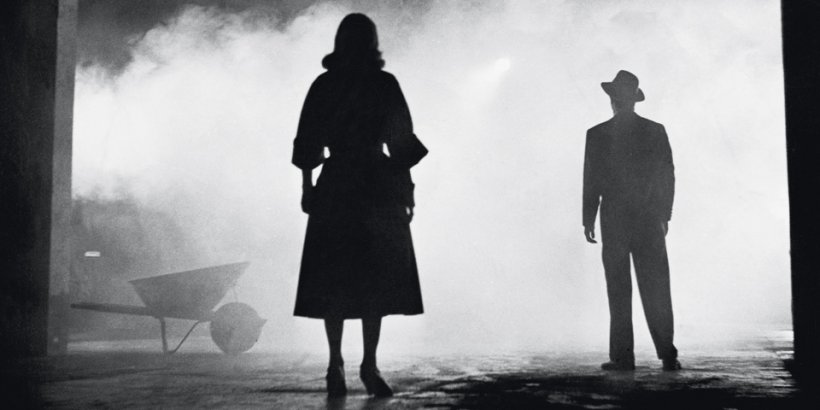
Visual references of the artist: film noir. The Big Combo (1955), Joseph H. Lewis
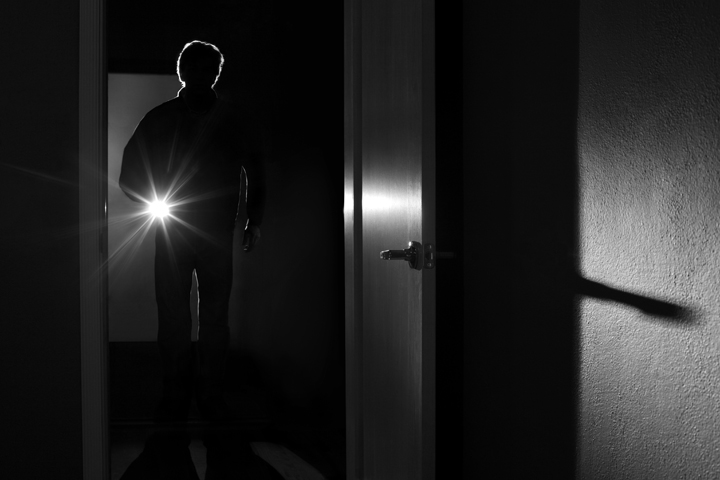
Visual references of the artist: noir films. Photograph by Jan Stromme
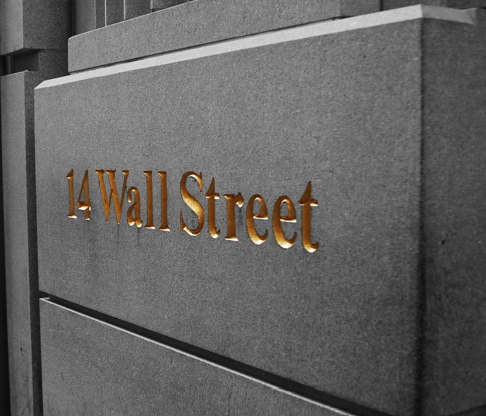
"The references for Vive le capital include transcripts and court documents the trial of Banker’s Trust — the original owner of the building at 14 Wall Street", explains Orit
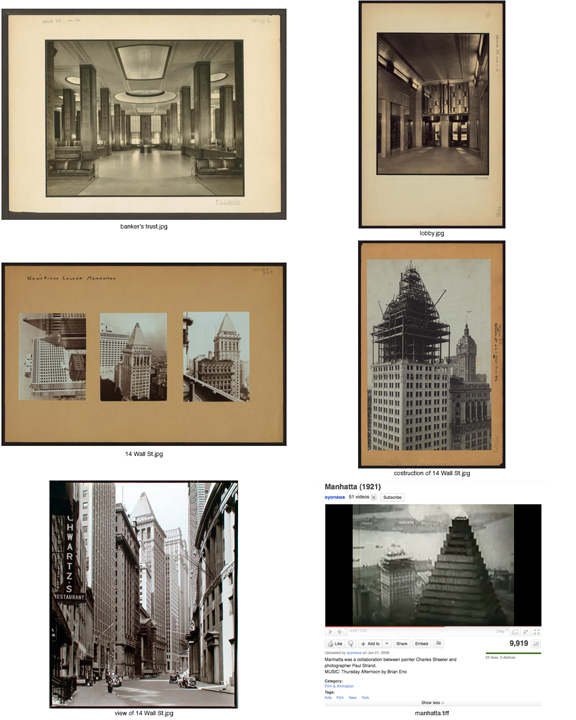
Artist's research: Banker’s Trust buildings
"VIVE LE CAPITAL is a deliberation on a love/hate relationship with money. The plot revolves around the protagonist´s soliloquy in French and dancers who respond with various transgressive behaviors. Three of them travel to the time of Cosimo De Medici and visit the roots of our banking system; they also pay homage to the French Revolution by embodying John Law, the first Ponzi schemer in history, who caused the bankruptcy of Louis XIVs monarchy.
The references for VIVE LE CAPITAL include transcripts and court documents of the trial of Banker’s Trust — the original owner of the building at 14 Wall Street. The Landmark Commission recognized the building's landmark status, and the building appeared in the short documentary Manhatta, by Paul Stand, in 1921.
The book The Ascent of Money — a survey about the history of finance — inspired the time travel to the period of the Medicis, as well as to the French Revolution.
I incorporated passages from the book Commonwealth, by Hardt and Negri, into the script. The influence of Butoh was also important, a movement formed in Japan after World War II, which challenged tradition and incorporated Western motifs into Japanese culture.
Finally, the film Die Rothschilds birefly appears in this piece. This Nazi Propaganda film portrays the Rothschild family as responsible for altering the outcome of the Battle of Waterloo."
Orit Ben-Shitrit in a statement to PLATFORM:VB (October 2013)
Vive le capital (2012) | Orit Ben-Shitrit
Video | 15’05”, stereo, color, 2.35 : 1
Excerpt from Vive le capital (2012)
Testimony Orit Ben-Shitrit | 18th Festival
The artist discusses her piece, which revisits the French revolution and the days of Cosimo de Médici, in 15th century Italy, when the first banks were founded and the banking system emerged, to address the 2008 financial meltdown
Manhatta (1921) | Paul Strand
Die Rothschilds (1940) | Erich Waschneck
The Dead Sea (1980) | Kazuo Ono
The Ascent of Money: A Financial History of The World (2009) | Niall Ferguson
"A very useful resource in my research, with a fantastic overview of the history of capital, clear and well illustrated", explains the artist.