Vertières I II III
2014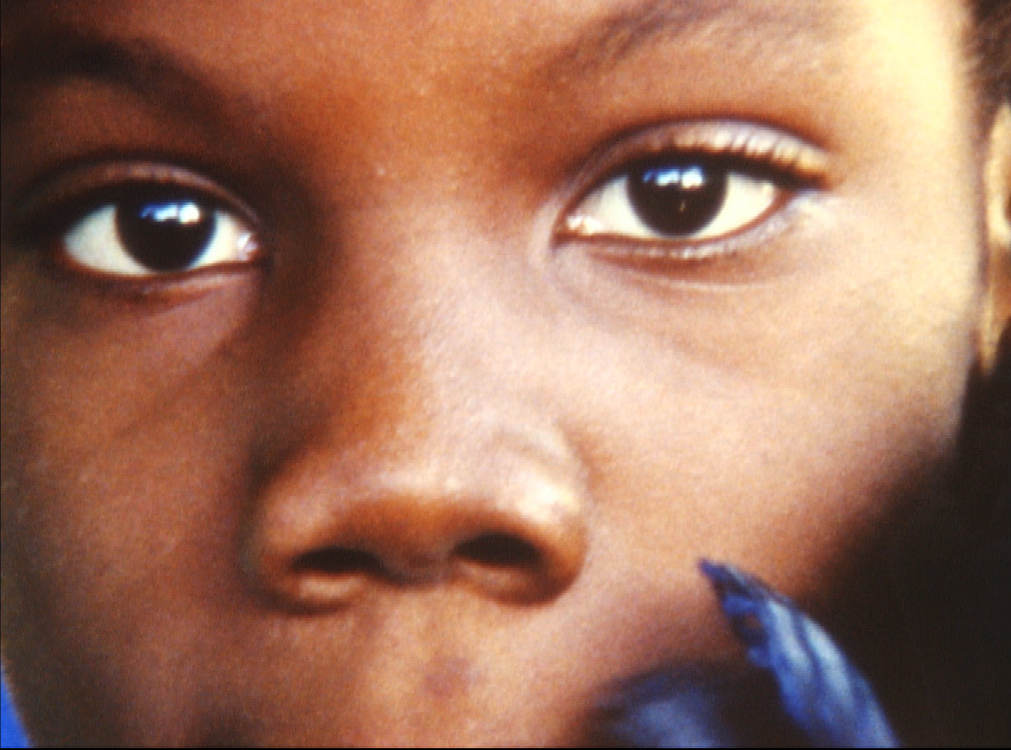
Video still
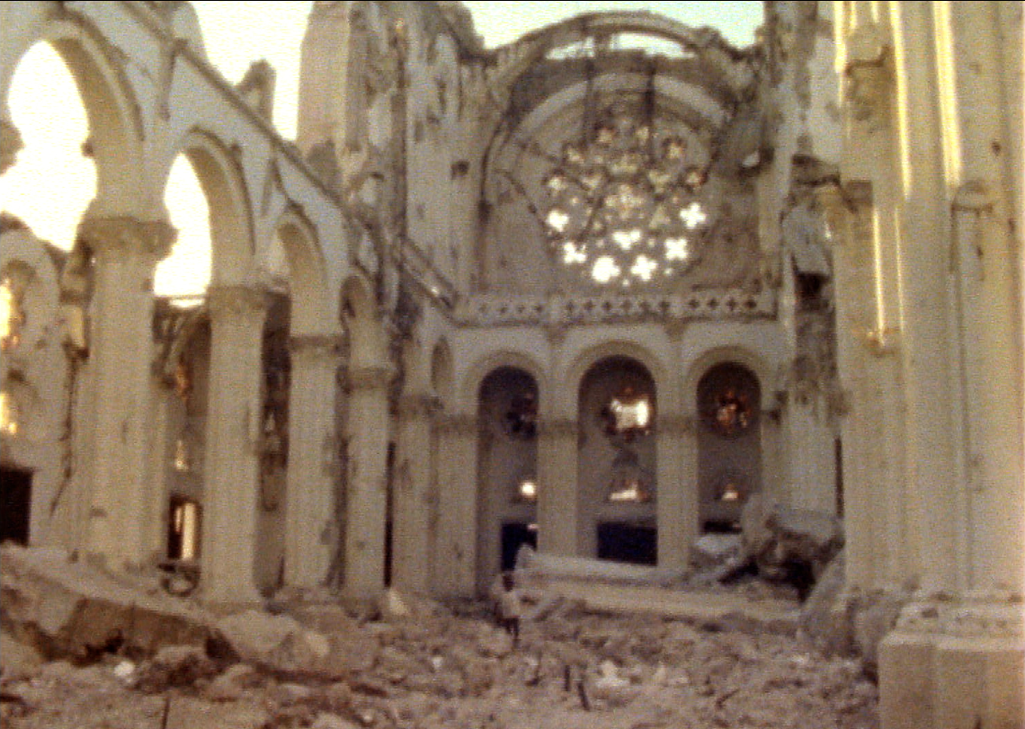
Video still
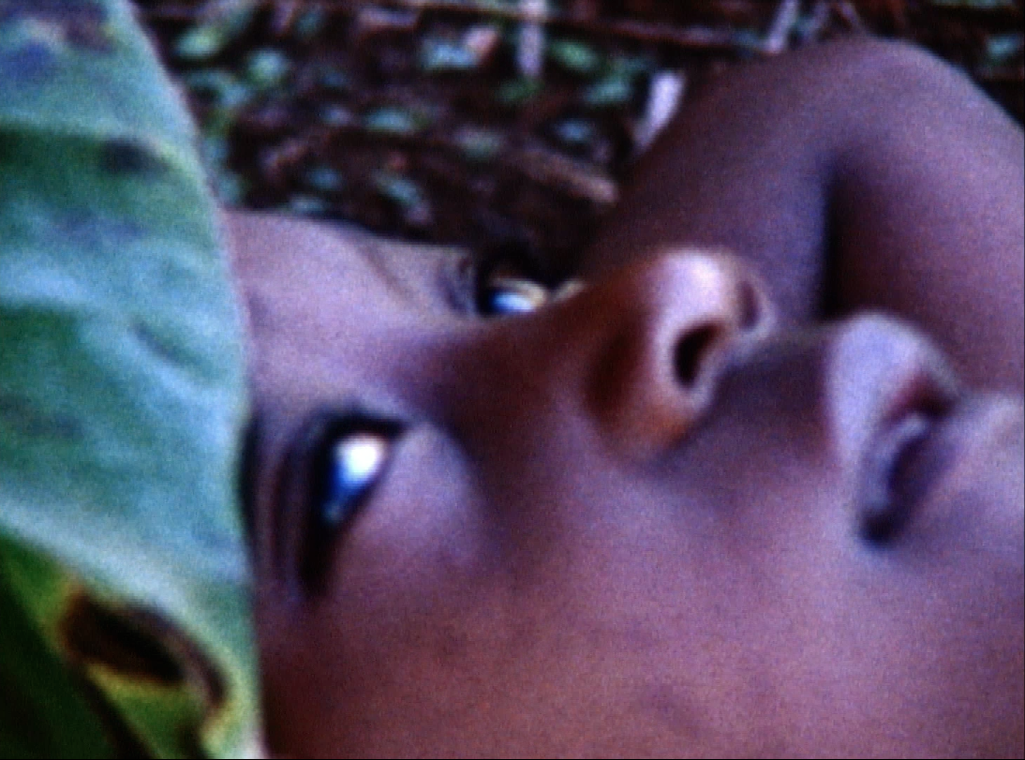
Video still
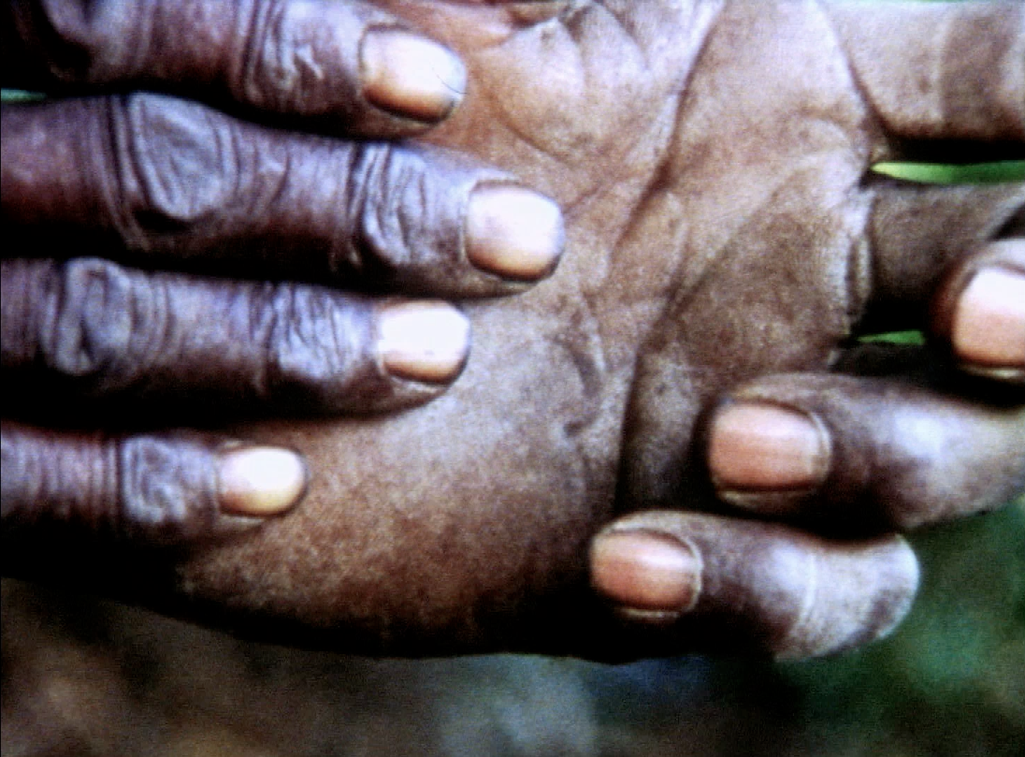
Video still
Video still
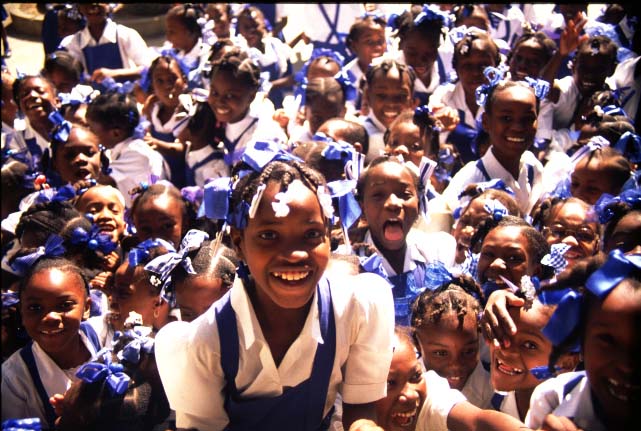
"Photo taken in 1996, the first time I returned to Haiti and the school I attended as a child. At the time, I was 18 years-old."
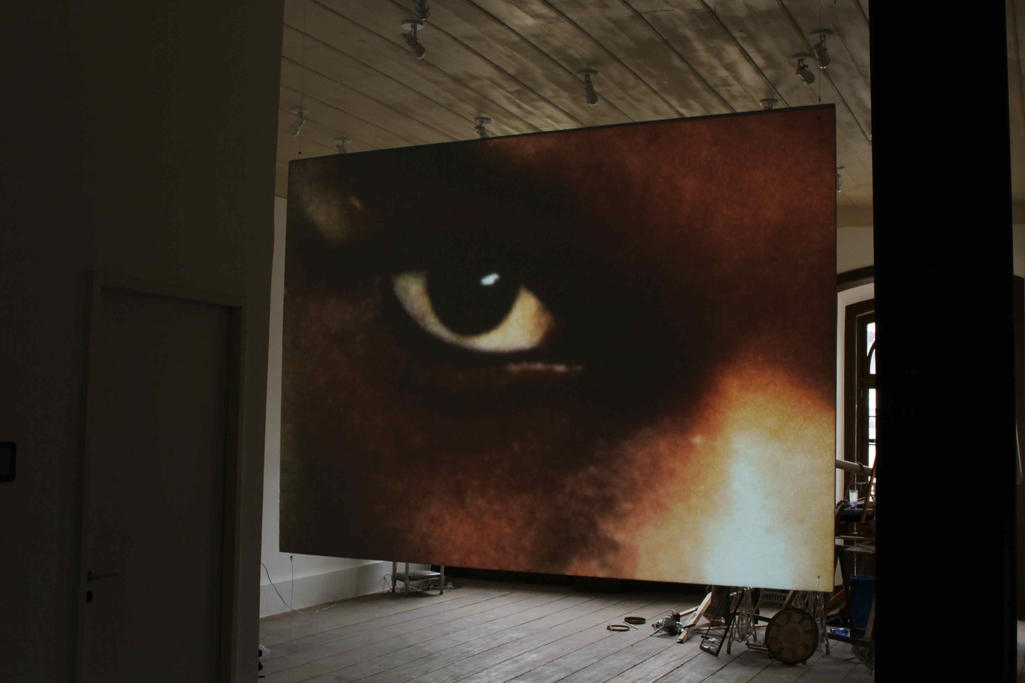
The piece was displayed at the exhibition Abre Alas (2014), in the gallery A Gentil Carioca
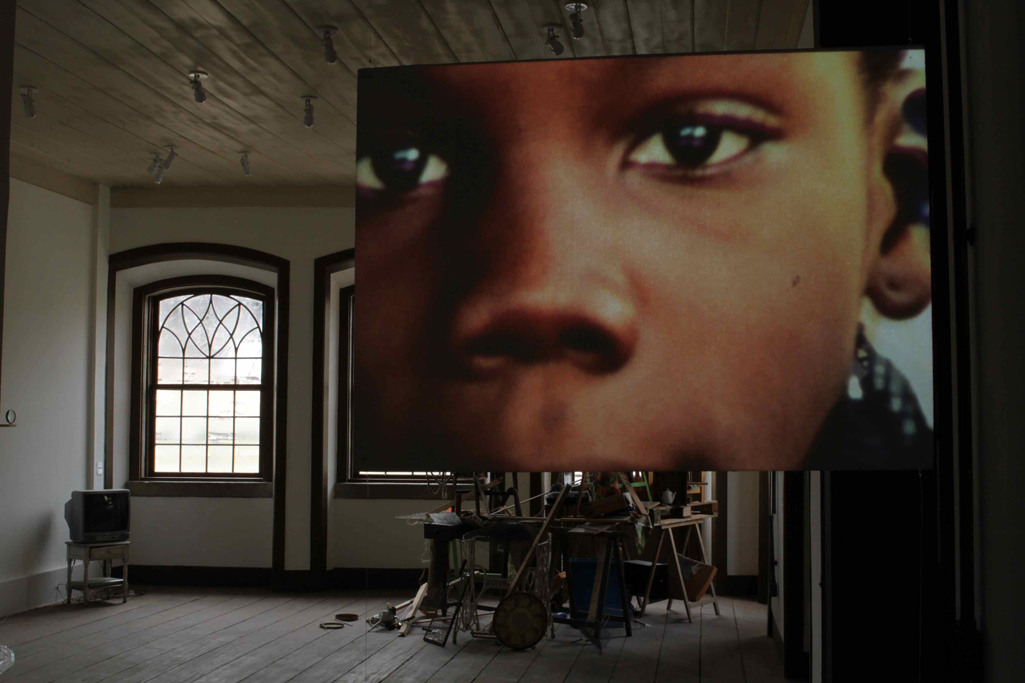
The piece was displayed at the exhibition Abre Alas (2014), in the gallery A Gentil Carioca
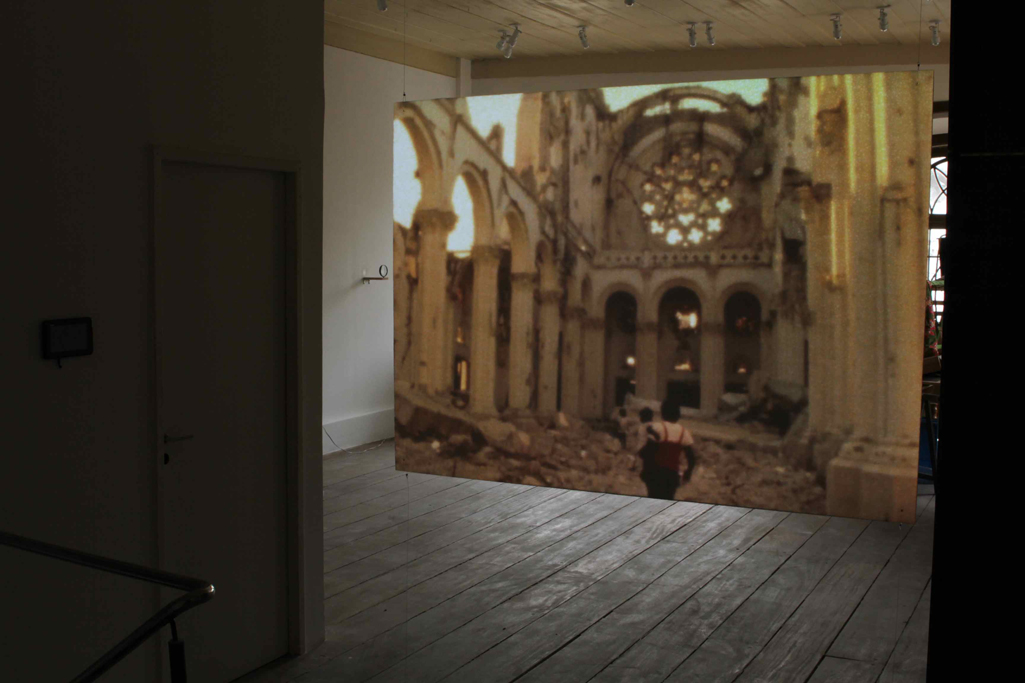
The piece was displayed at the exhibition Abre Alas (2014), in the gallery A Gentil Carioca
“I spent my childhood in Cap-Haïtien, a city in northern Haiti. My life will always be inhabited by the recollection and the experience of that mysterious, warm place. I get the feeling that everything I am is a consequence of that light, of that wind, of that land, of that creole childhood.
I was classically trained in film at the French National Film School (Femis). However, from the beginning, my films and desires did not conform to the storytelling 'molds' and format of traditional cinema. I directed a series of 'experimental' films in film and Super 8, many of which I developed myself in a laboratory in the Paris suburbs. I also made a few films using a cell phone, one of which, 4 Portes (2009), focused on the world of Voodoo ceremonies in Haiti. Since that film, I have increasingly discovered and affirmed that the realm of fine arts is where I find the freedom and the stimulus to develop my work.
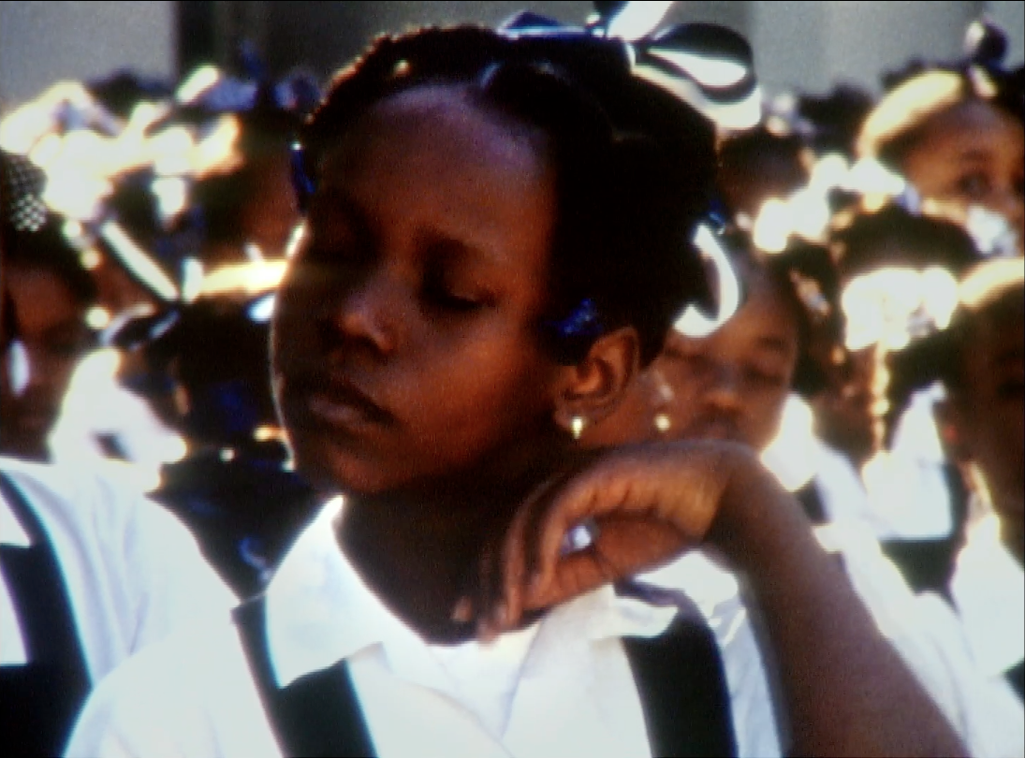
Vertières I II III was filmed in Cap-Haïtien, at the Catholic school that I went to and near the house I used to live in. Vertières is the name of a local neighborhood where, in 1803, a great battle took place, culminating with Napoleon’s army being driven from Haiti, the first country in the world to secure its independence from the colonialist powers.
The piece was filmed in Super 8, and I developed it manually. The material was then converted to digital format and post-produced. The three films that comprise the piece are shown sequentially. The first one deals with discipline, with the order imposed by Catholic religion upon the peoples they catholicized, versus the drive for freedom and transcendence of cultures characterized by animistic spirituality, from countries like Haiti. The second one is an ode to the spirits of nature, where man feels and observes the world with tenderness and amazement. The third film takes place in a wrecked cathedral as a child walks over the rubble until her mother comes and helps her get out of there.
The piece functions at the intersection of these three films, like three words that make up a sentence. And the sound of Voodoo music appears as the symbol of resistance and emancipation of African culture, after centuries of catholicization, massacre, and colonization."
Louise Botkay in a statement to PLATFORM:VB (July 2015)
Vertières I II III, 2014 | Video, 10’
Louise Botkay
The Black Jacobins. Toussaint L'Ouverture and the revolution of Santo Domingo, C. L. R. James. The book deals with the recent history of Haiti, and reports in detail the uprising of slaves who expelled the French colonists of Santo Domingo, the country's former name.
Haitian Revolutionary Studies (2002), by David Patrick Geggus.