Topos_somedrama
2015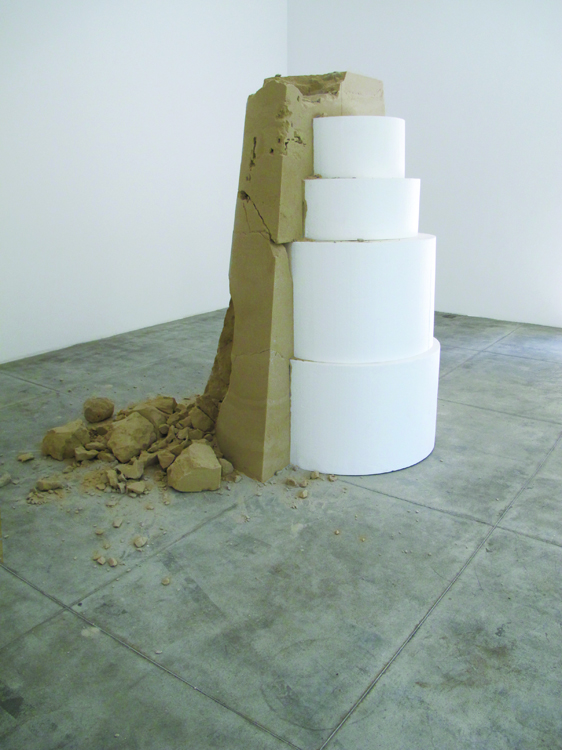
Detail of the piece
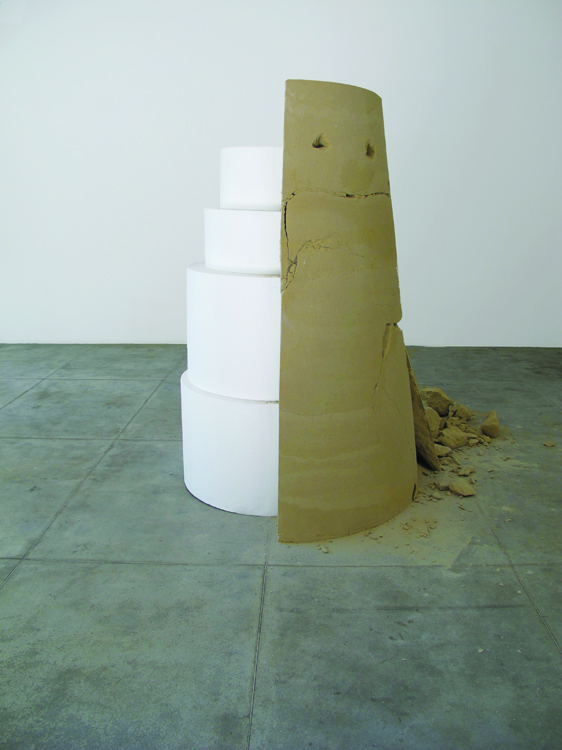
Detail of the piece
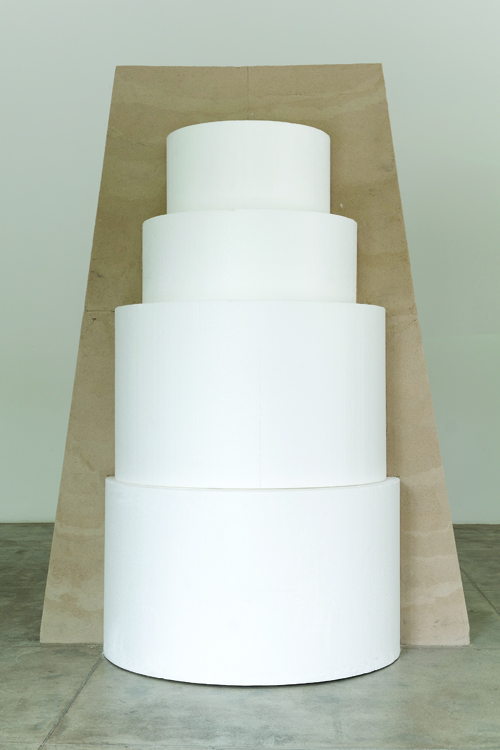
Detail of the piece
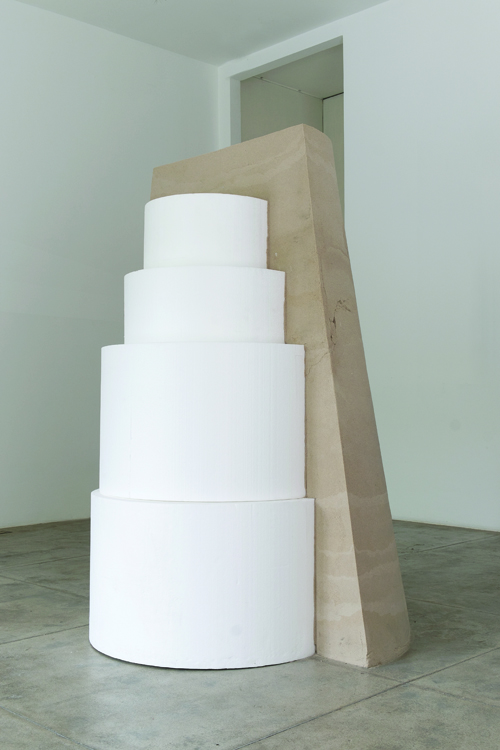
Detail of the piece
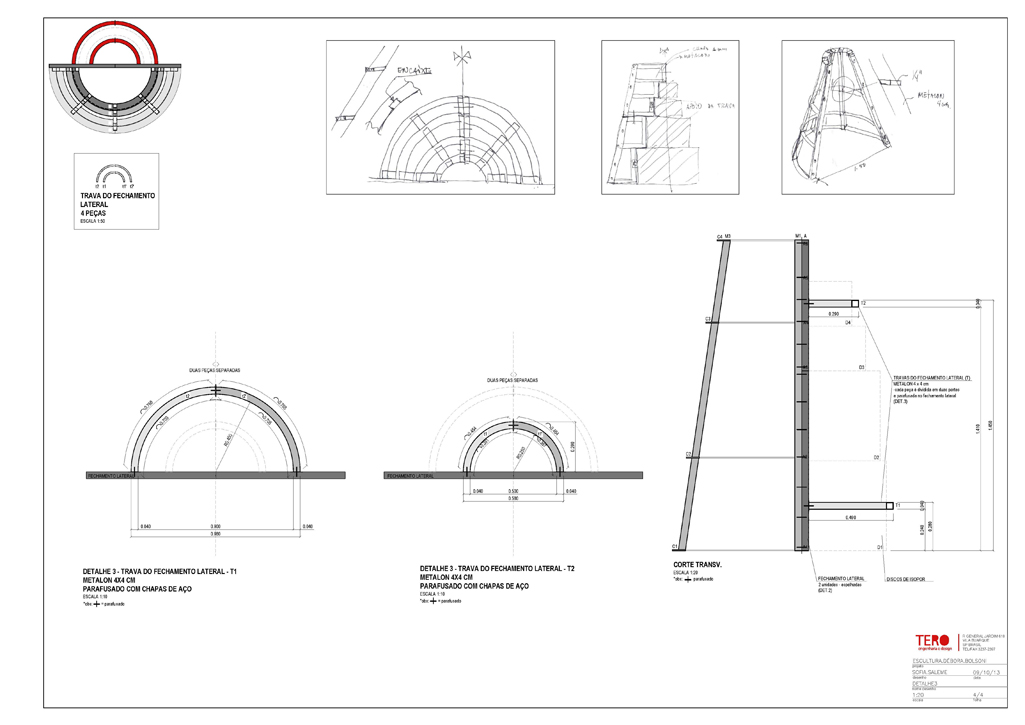
Technical design of a template for Topos_balde, 2013, created in partnership with the engineer Ary Perez
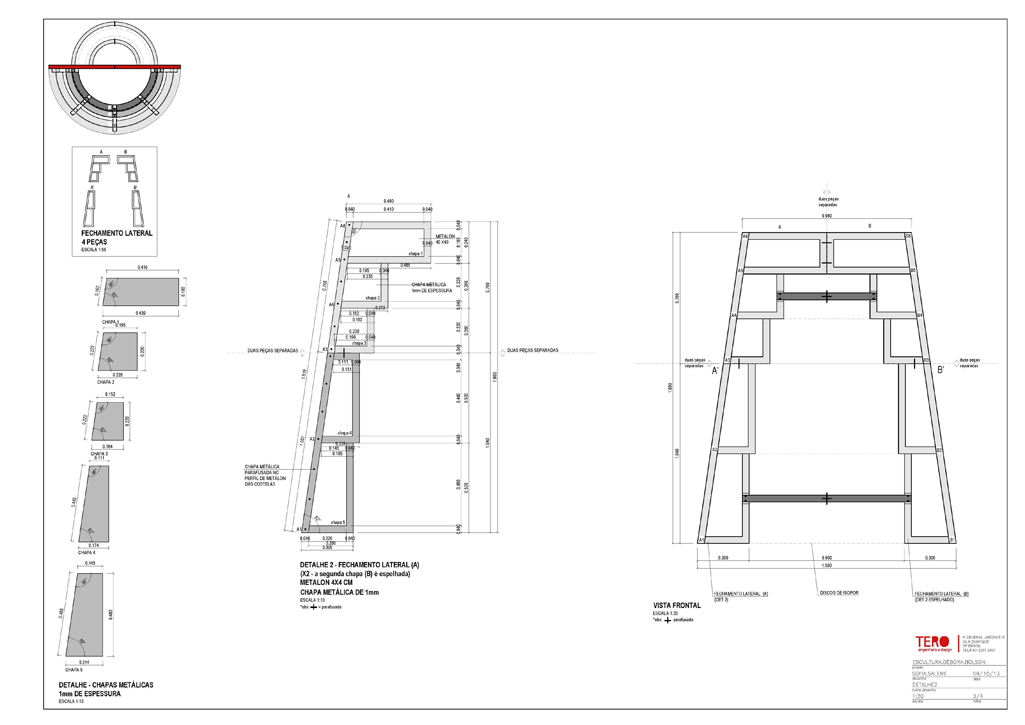
Technical design of a template for Topos_balde, 2013, created in partnership with the engineer Ary Perez
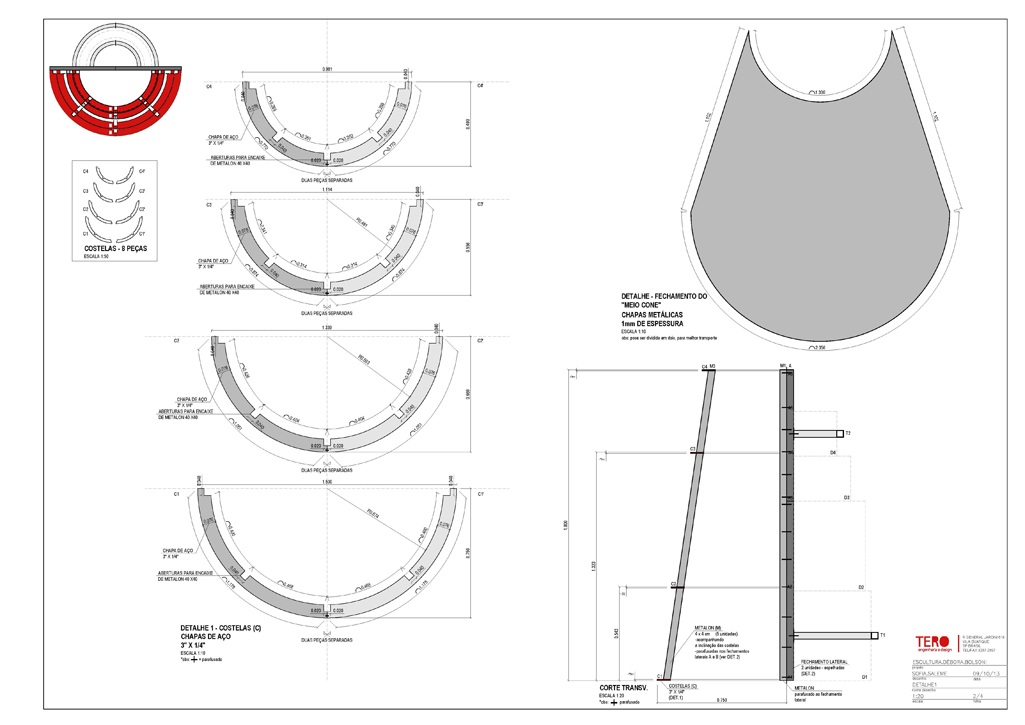
Technical design of a template for Topos_balde, 2013, created in partnership with the engineer Ary Perez
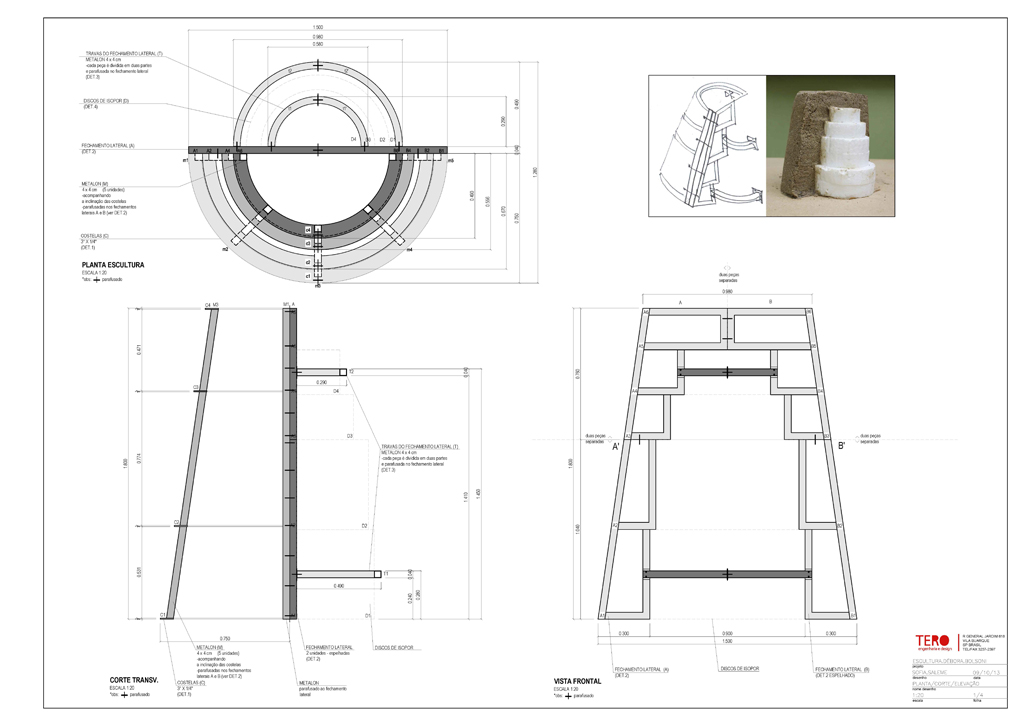
Technical design of a template for Topos_balde, 2013, created in partnership with the engineer Ary Perez
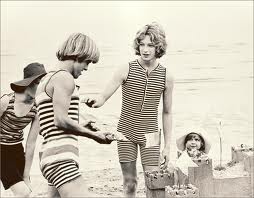
Still from Luchino Visconti’s 1971 film Death in Venice
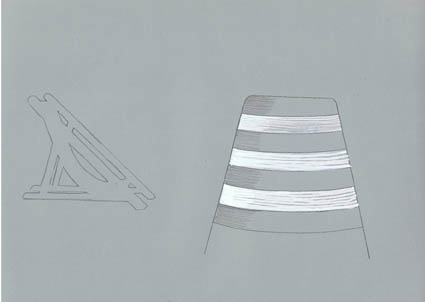
Untitled (from the Tadzio series), 2013. Drawing on paper, 29 x 34 cm
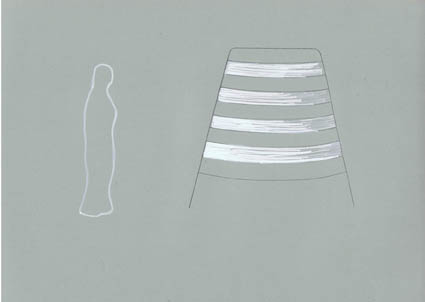
Untitled (from the Tadzio series), 2013. Drawing on paper, 29 x 34 cm
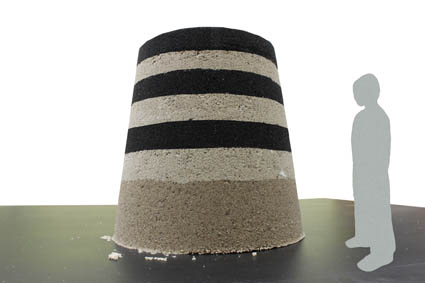
Tadzio (mock-up study), 2013. Digital file
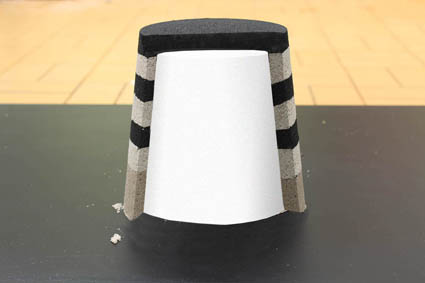
Tadzio's back side (mock-up), 2013
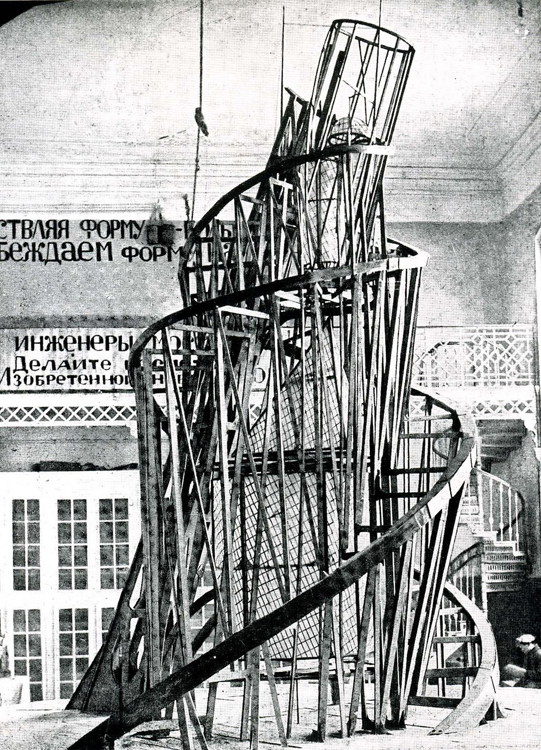
Monument to the Third International, Tatlin
"Topos_some drama came from an accumulation of desires that gradually took shape over the course of a two-year research project. During this period, I went over my own production and the work of other historical artists with whom I would like to converse in a more evident way, as well as pay tribute to. Since there weren’t any commitments or deadlines for the research, this piece had time to mature without rushing things.
The exploration of the materiality of sand and the fact that it can be constantly redone had remained latent since the experience with the installation Margem, created for the Absurdo exhibition during the 6th Mercosul Biennial (2009). On that occasion, I guess I was unable to find the best way to expose all of the questions raised by the installation, and I felt a need to return to sand as the raw material for a new piece.
The title, materiality and form of Topos_some drama conspire to connect it with discourses on time, memory, and history. Sand is an element that relates to our experience of time and landscape. Topos is about a place, a physical landmark, a special singularity. Some drama announces something of the powerlessness of this Topos, of its dramatic condition as a landmark, but one with no promise of permanence.
The piece’s scale also puts it in an ambiguous place, halfway between object and sculpture, like a mock-up of a monument. The proportion between the polystyrene discs is the element that is most directly allusive to the project of monument, reverberating images from Tatlin’s Monument to the Third International. It is, however, also reminiscent of a large wedding cake — a shape that illustrates a certain art procedure that relates to a decorative appeal. The polystyrene reinforces this universe due to its being an artificial material. These data run counter to the purist aesthetics of complete form-content identification — a modern heritage that Tatlin’s monument would bring to an end. But these opposing forces within the artwork are characteristic of the piece and its own drama, and they evince historically unresolved aesthetical conflicts and their political repercussions.
Over the past few years, Brazil experienced a paradigmatic moment of revision of its identity before the international community. Despite a series of events that were worthy of ushering in a new era, the national political scene seemed surrounded by ghosts from a different historical moment, more precisely the early 60s. This experience has also endowed art making with a phantasmagoric meaning. I cannot help but think in terms of the country’s political development from my 1970s childhood to my university art training during the turn of the 1990s. A set of values I learned throughout this process is now being reassessed, and I feel a growing need to name and locate more precisely the agents of my artistic upbringing. I believe this process had a decisive influence on the creation of this piece."
Débora Bolsoni in a statement to PLATFORM:VB (July 2015)
Topos_somedrama, 2015 | Sculpture
Débora Bolsoni
Death in Venice (1971) | Luchino Visconti
The movie was a reference that drove the creation of this piece
“Luchino Visconti’s film Death in Venice, based on the eponymous Thomas Mann book; Vladimir Tatlin’s Monument to the Third International, my installation Margem, created for the 6th Mercosul Biennial; and my research into the types of sand used in molding (from the rammed earth construction to the type used in smelters, which I used in the final project) were the references that drove the creation of this piece.”