Sunday Best
2014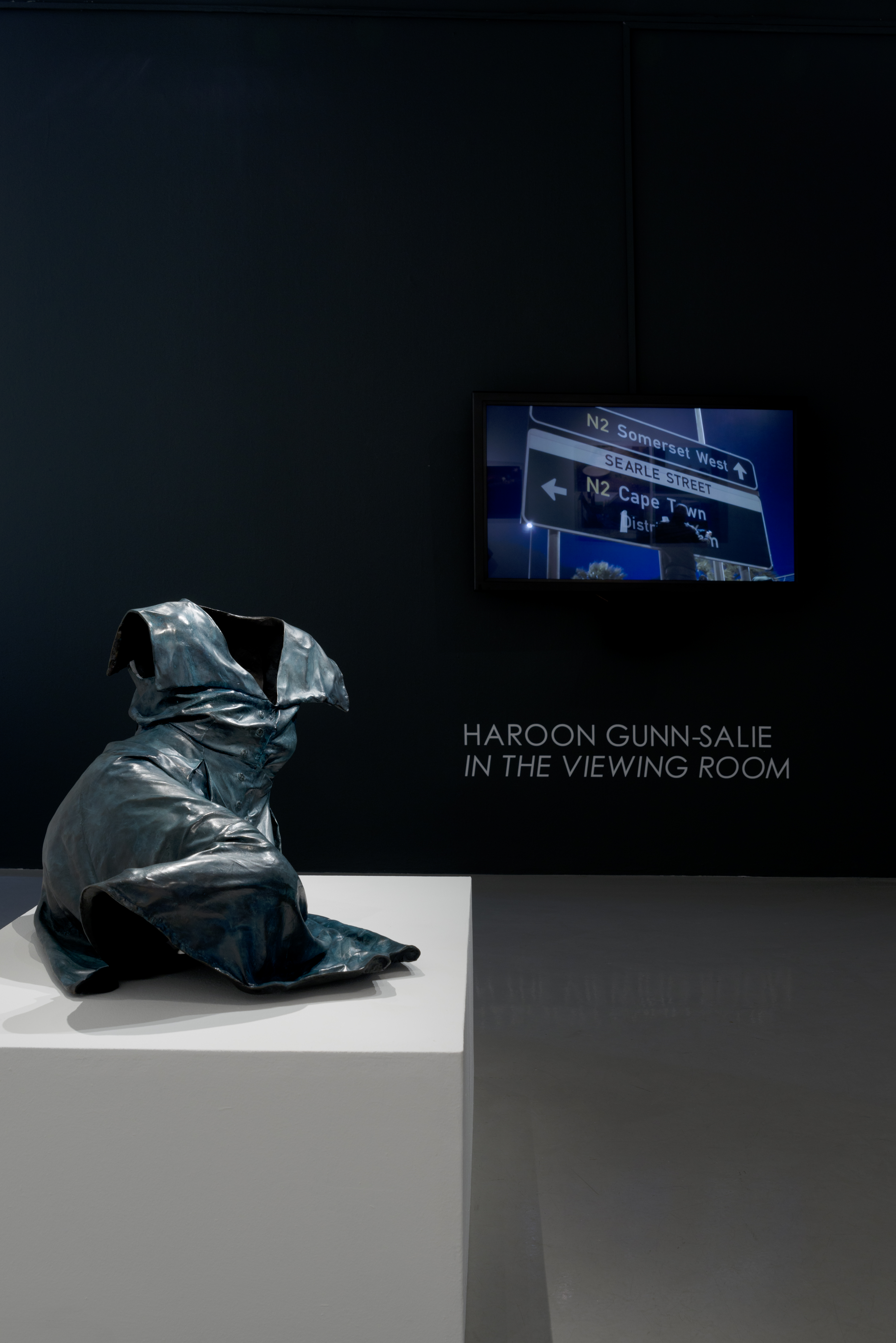
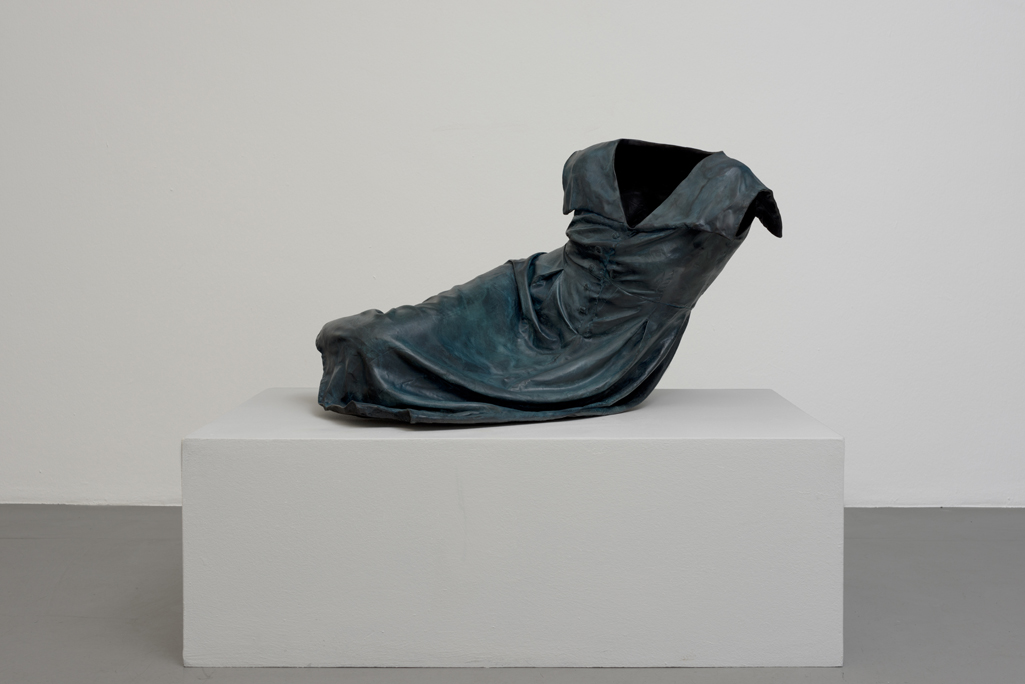
Detail of the piece
Detail of the piece
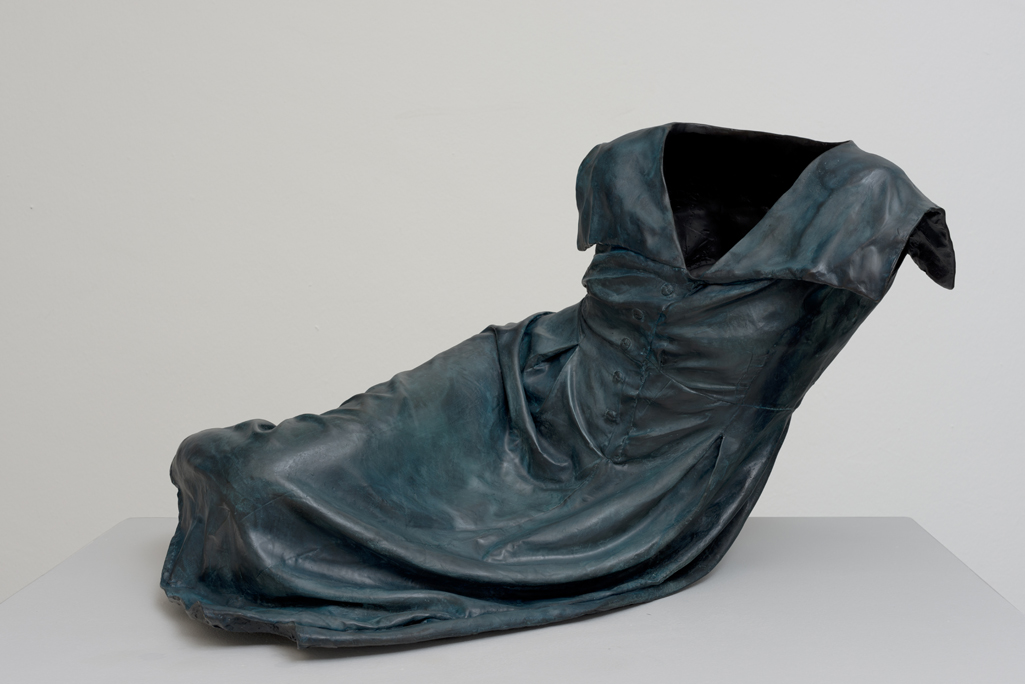
Detail of the piece
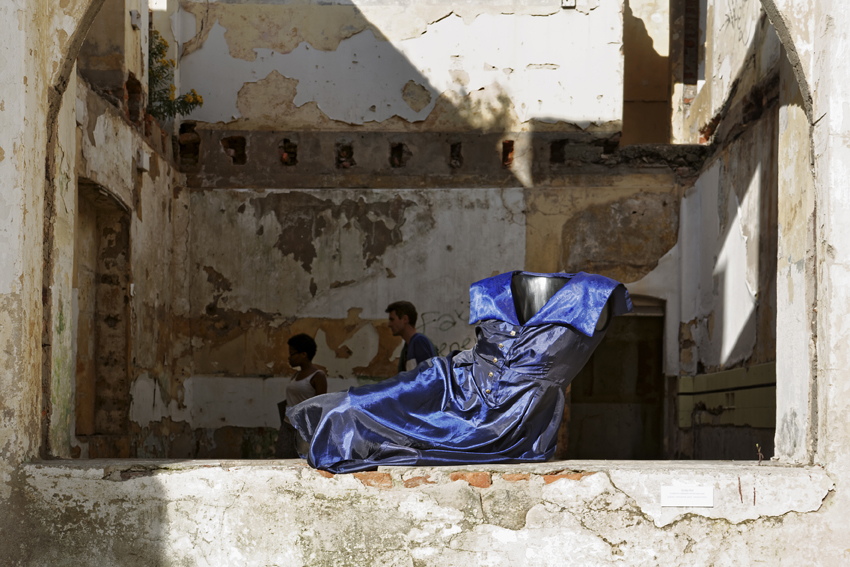
Exhibition WITNESS (2012), developed in a derelict house on the periphery of District Six, transformed for a single day to host a series of installations and interventions
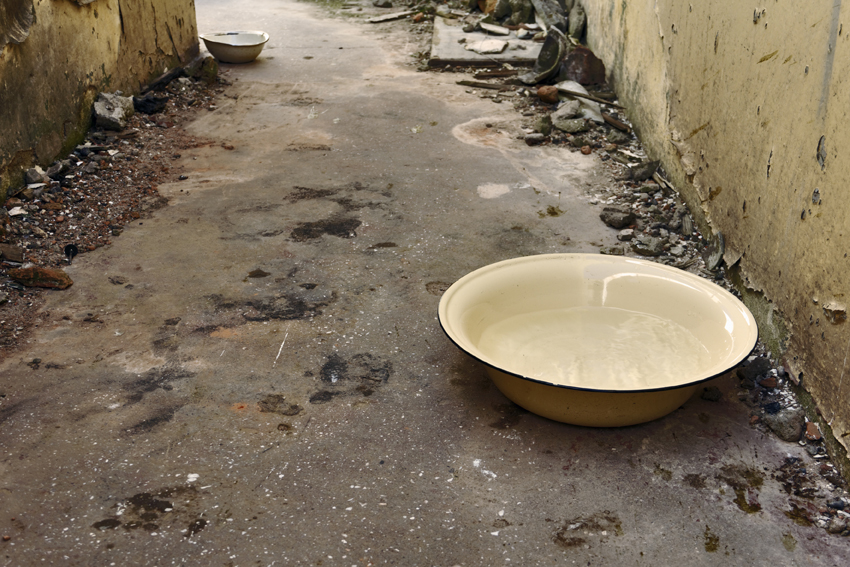
Exhibition WITNESS (2012), developed in a derelict house on the periphery of District Six, transformed for a single day to host a series of installations and interventions
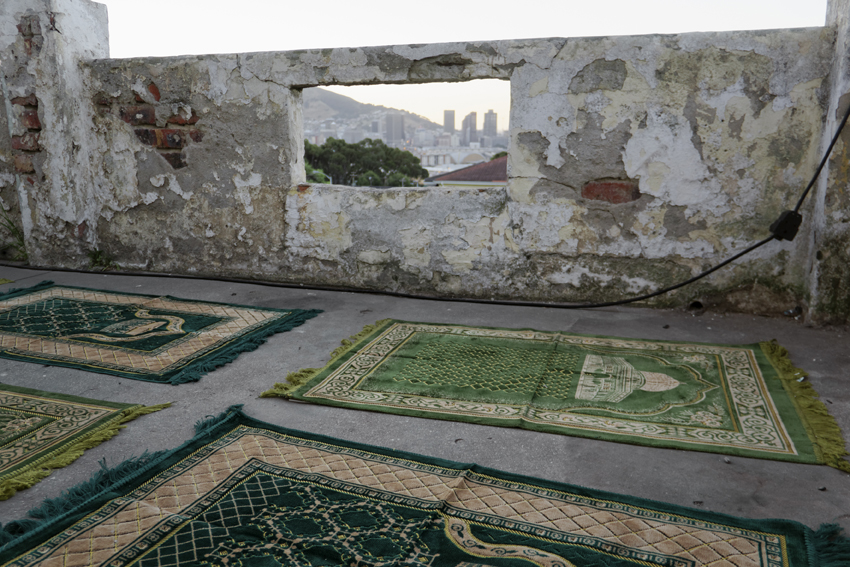
Exhibition WITNESS (2012), developed in a derelict house on the periphery of District Six, transformed for a single day to host a series of installations and interventions
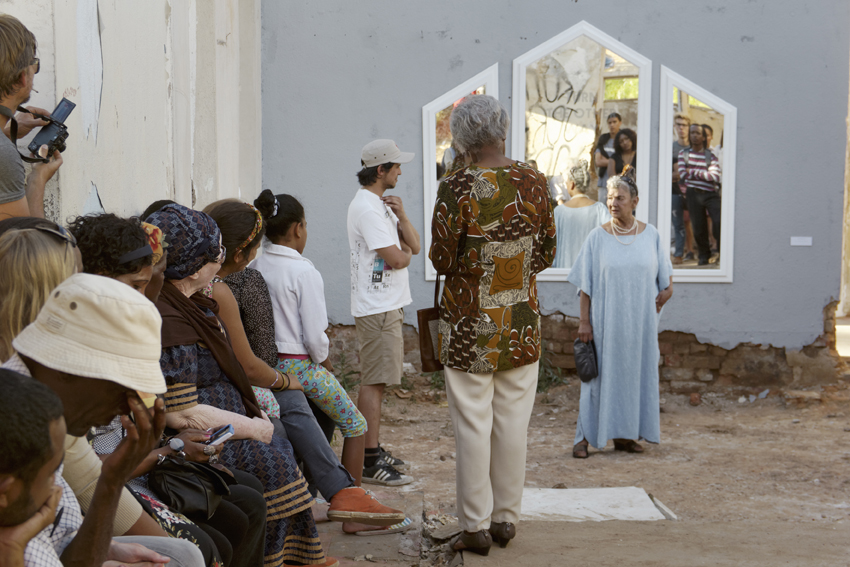
Exhibition WITNESS (2012), developed in a derelict house on the periphery of District Six, transformed for a single day to host a series of installations and interventions
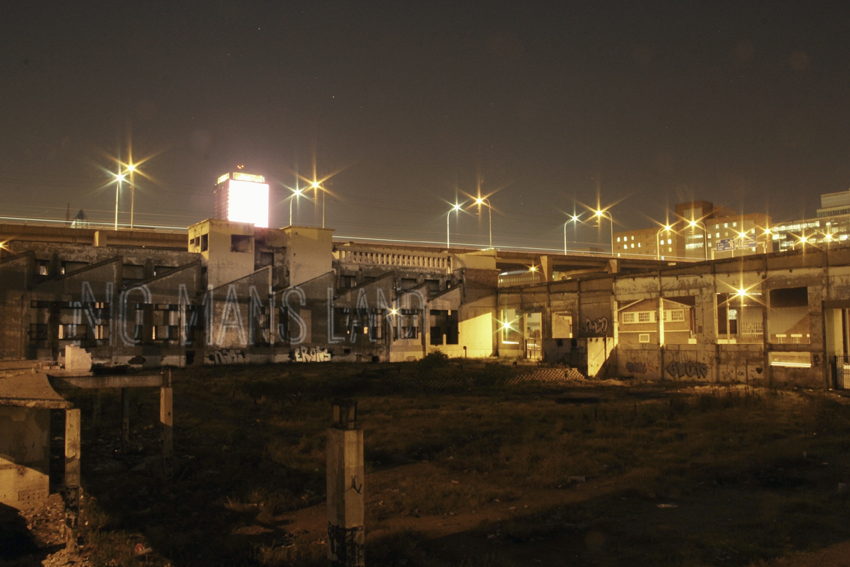
Exhibition WITNESS (2012), developed in a derelict house on the periphery of District Six, transformed for a single day to host a series of installations and interventions
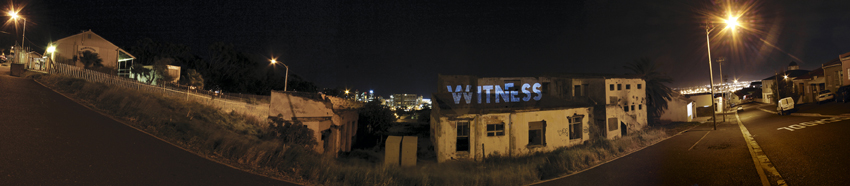
Exhibition WITNESS (2012), developed in a derelict house on the periphery of District Six, transformed for a single day to host a series of installations and interventions
“Sunday best addresses a historical and a contemporary moment. The work is unique in the way that it represents the perspective of countless people who experience poverty all over the world, and an enduring spirit and pride within us all that strives to overcome marginalization and make another world possible.
The artwork resulted out of a sustained research project at the University of Cape Town’s Michaelis School of Fine Art. The project, which began in 2011, consists of a series of social sculptures and site-specific interventions.
Thematically, it deals with the still unresolved issues of forced removals and land compensation in District Six, and elsewhere in South Africa. District Six was a closely-knit, vibrant and multi-cultural community that was forcibly removed from the Cape Town city center, at the foot of Table Mountain, by an apartheid decree in the late sixties, to make way for whites. Residents were dumped in drab, racially divided dormitory townships on the sandy wastes of the Cape Flats, which rapidly degenerated into gang, alcohol and drug-infested dust bowls of poverty.
Sunday best was conceptualized with Ms. Susan Lewis, through dialogue and interviews. We decided to create a sculpture capturing her Sunday ‘promenading’ trips to the Company Gardens in central Cape Town. The usage of public spaces in the city center ended when Ms. Lewis’ family and over 60,000 other people were forcibly removed from District Six.
The bronze artwork consists of a ghosted figure in an immaculately tailored navy blue dress. The sculpture is elegantly positioned almost as if in motion. The dress, an item of clothing with associations of pride and skilled local craftsmanship, is a marker of the injustice of the racially divisive apartheid laws that stripped people of their homes, and the indignity the people were forced to face when the areas they once called home were reserved for whites only.
The conception of this piece was carried out through a process of inter-generational dialogue, seeing the translation of multiple interviews and discussions into an artwork. This methodology consists in merging oral history and art making with the ultimate goal of attaining catharsis for the participants, and creating artworks as markers of the process and carriers of life experiences in a form that transcends language and socio-cultural barriers.
I see my practice as ever-evolving, and I approach exhibitions as a way in which to create experience-based, interactive installations, as well as social interventions. As opposed to creating artworks as finalized, I see them as always requiring redevelopment.
Sunday best, for example, was made as a fabric dress molded over a plaster of a Paris figure for the WITNESS exhibition in 2012, and evolved into the form it takes today when I cast it in bronze for a solo exhibition in 2014. Solidifying the story and its form as a travelling memorial. I have and will continue to deepen this work through subsequent and ongoing projects, exhibitions and social interventions, since it is able to cut across social boundaries. The ghost of the figure wearing the dress is a marker of dislocation. This is also a calling for an incomplete reconciliation process to continue in order for the past to be fully addressed. The universality and simplicity of the work helps its message to transcend language and context.”
Haroon Gunn-Salie in a statement to PLATFORM:VB (July 2015)
Sunday Best, 2014. From the series Witness | Sculpture
Haroon Gunn-Salie
Zonnebloem renamed District Six (2013) | Haroon Gunn-Salie
Site-specific work Zonnebloem Renamed, in which the artist altered the ‘Zonnebloem’ road signs to read ‘District Six’ with vinyl lettering
“From the point of view of its conception, the work looks to social science fields of community and youth development, and to grassroots movements and activism.
Sunday best featured the site-specific exhibition WITNESS, located in a double-storied derelict house on the periphery of District Six, transformed for a single day to host a series of installations and interventions. Each artwork assumes a methodology of dialogue-based collaborative practice.
In continuing and deepening the work with District Six residents, I hosted a follow-up exhibition in one of the new homes during the second phase of the redevelopment of District Six, in 2013. The area that people were being returned to was renamed ‘Zonnebloem’ (sunflower) in the sixties, which remains its official name, as a way to permanently remove its history. So, I staged the site-specific work Zonnebloem Renamed, in which I altered the ‘Zonnebloem’ road signs to read ‘District Six’ with vinyl lettering. The effect of this project is that all 13 road signs still remain in place, two years later.”
Interviews with the artist:
Young South Africa: Haroon Gunn-Salie | It’s Time to Tell a New Story, interviewed by Jessica Hunkin (Between 10and5, Jun. 2015). [eng]
89plus | Haroon Gunn-Salie, interviewed by Missla Libsekal (Another Africa.net, Mar. 2014). [eng]