Pisos
2017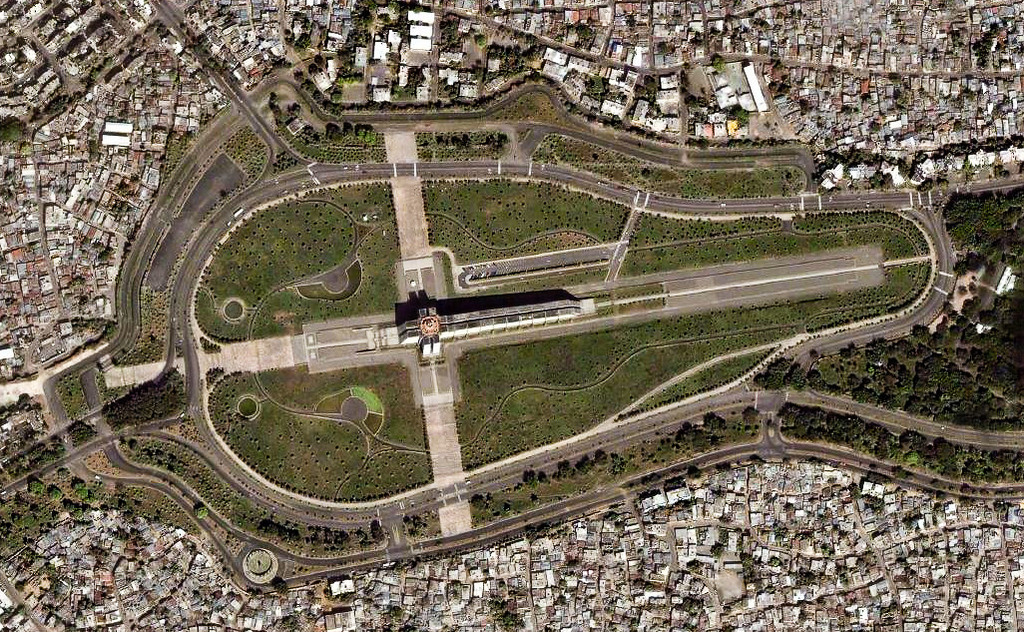
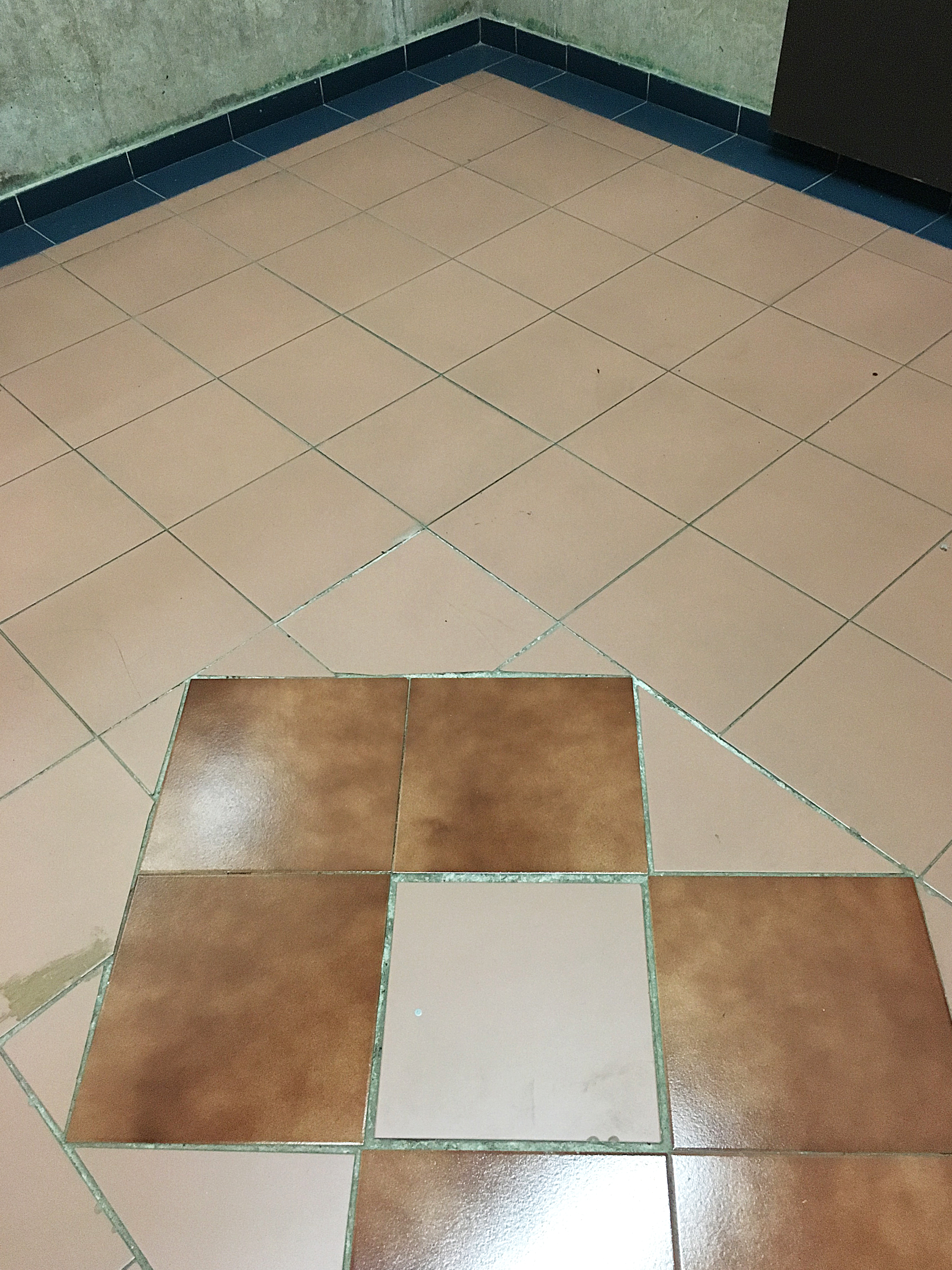
This project proposes a reflection on colonialism and modernism in America departing from the visual arts and architecture, through a research on the international drawing contest Faro a Colón [Columbus Lighthouse] in Santo Domingo, held in 1930–1931. It establishes a relationship between the bases of the contest, the selected project, the construction works, and Flávio de Carvalho’s discarded proposal.
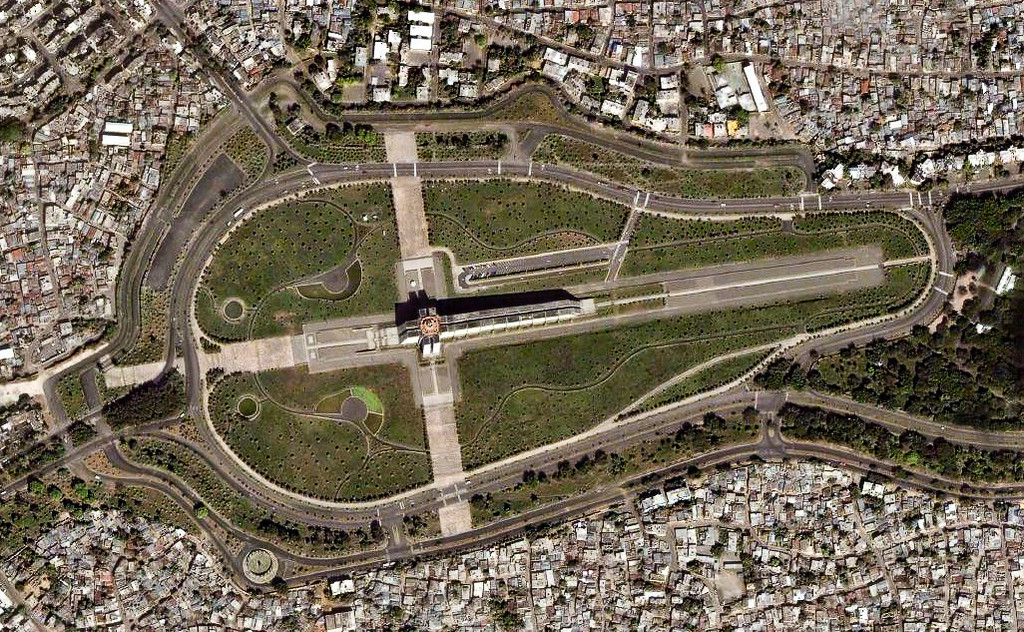
Santo Domingo’s Faro a Colón was inaugurated in 1992, and its construction was based on the design by the British architect Joseph Le Gleave, as part of the international competition directed by Albert Kesley. The proposal was selected by accident, subjected to several modifications, and was eventually built sixty later, for the celebration of the fifth centenary of the “Discovery of America.” It became an anachronistic example of modernism and a symbol of colonization, evangelization, and conversion of America by Europe, its plan and form of Christian cross, ideas unrelated to the vision of Kesley and his team, who sought a monument that celebrated the spirit of a modern Pan-America and the unity between the North and South Western hemispheres. Its construction in the 1990s led to the displacement of thousands of Dominicans and the destruction of hundreds of homes, as well as the creation of a wall to hide the poverty of the undeveloped neighborhoods in the lighthouse grounds, known as the Wall of Shame. Powerful lanterns that project a huge cross into the sky of Santo Domingo of that time were installed, which ironically suffered a severe energy crisis, with daily power cuts that ranged from twelve to eighteen hours.
Opposed to the executed work, the proposal of the Brazilian Flávio de Carvalho achieved a great deal of balance between the cultures of North and South, between the forms of modern design and indigenous art, referring to the pre-Columbian American architecture and the pan-native themes by incorporating the iconography of different cultures of America, such as the extinct Marajoara, from the Island of Marajó of the Amazon River, and a selection of colors inspired by elements from the Caribbean and the tropics.
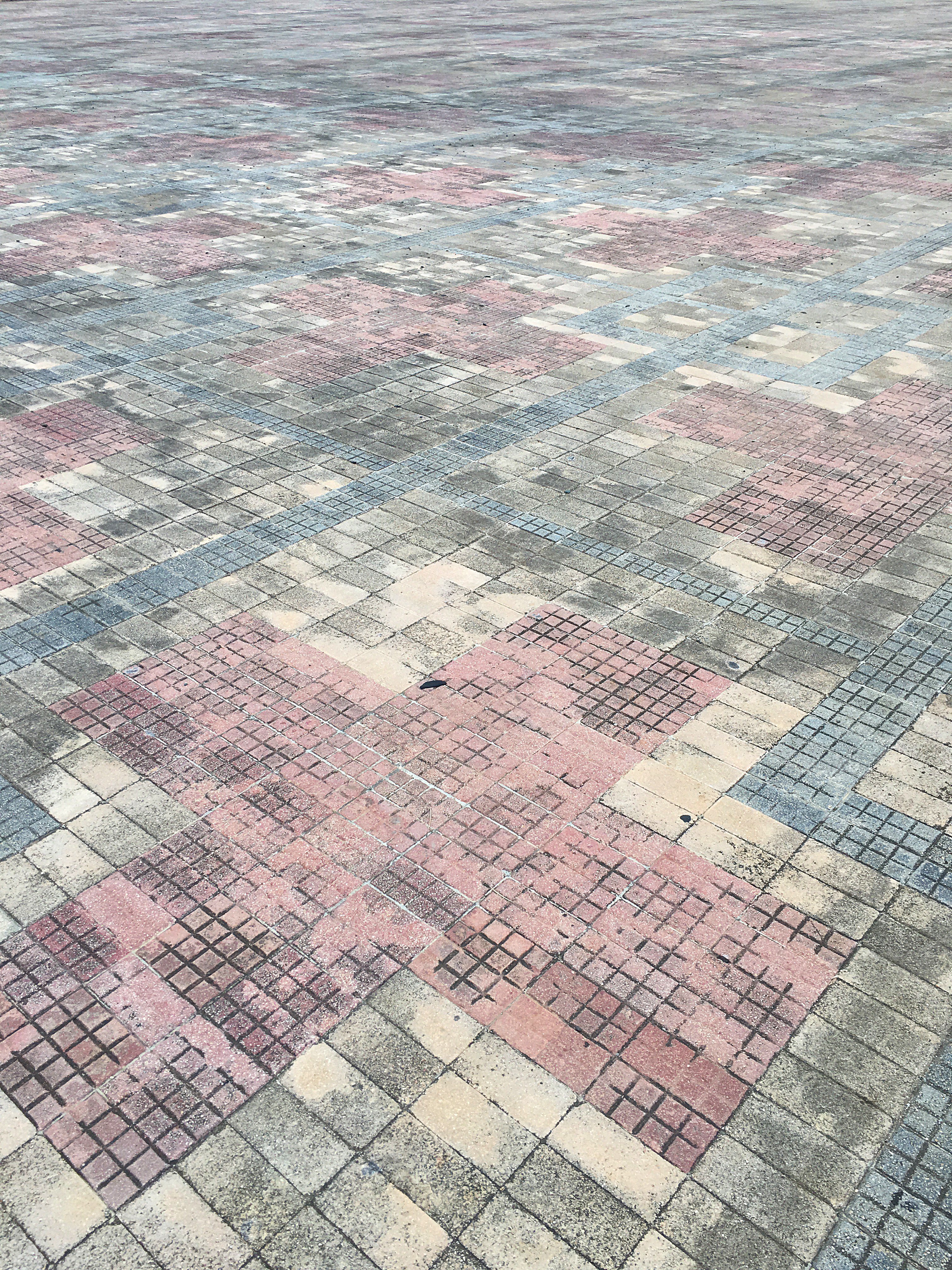
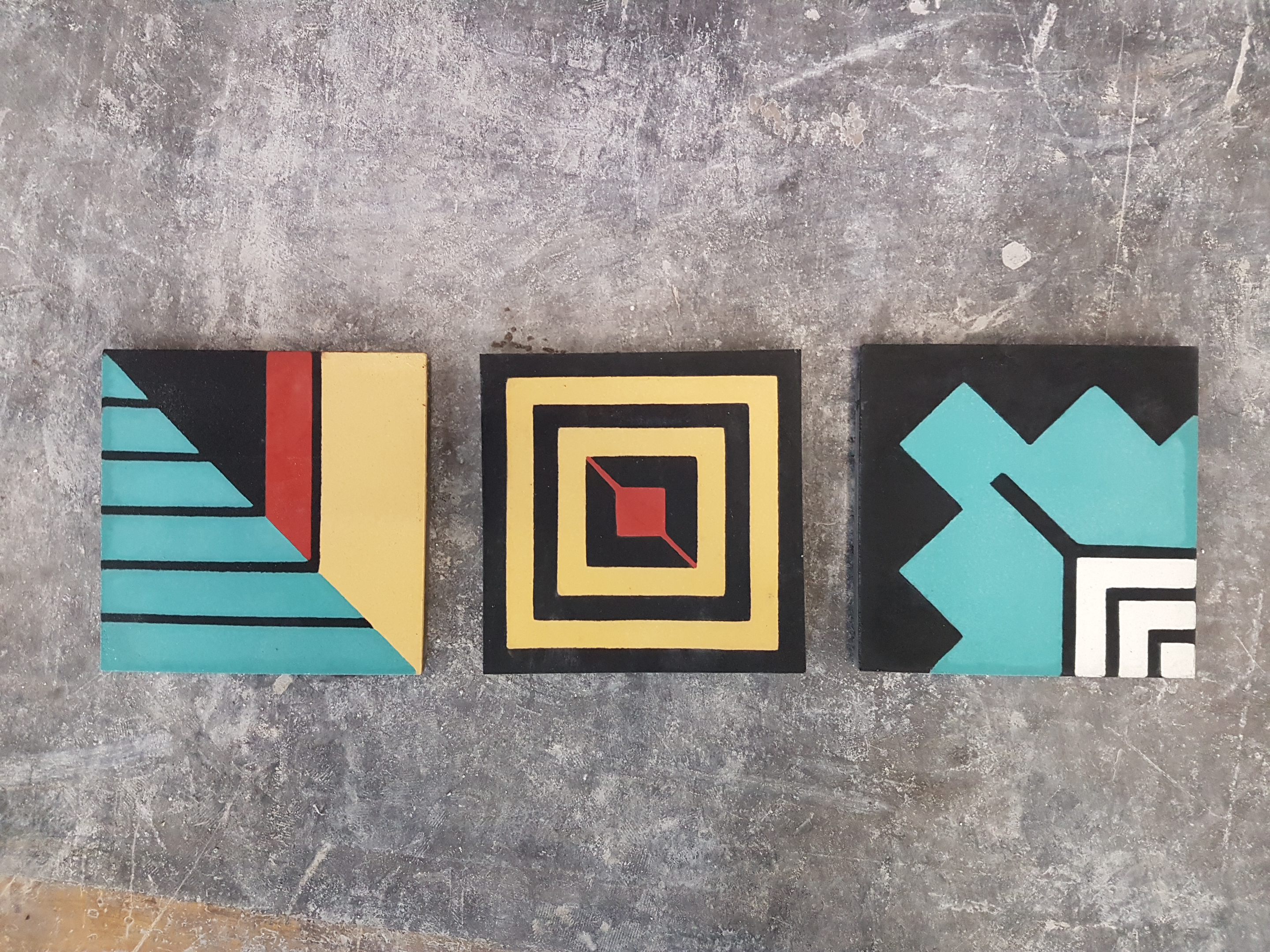
The Pisos [Floor Tiles] project consists in resuming Carvalho's proposal for the creation of visual works as a way to activate reflections and debates around the initial discussion of the contest, which aesthetically and politically remain valid and under discussion. In addition, it allows the partial execution and public exhibition of his design, by revisiting the floor tiles of his proposal, based on the details specified in the original plans. The initial stage of the project consists in the industrial manufacturing of hydraulic tiles with the three designs proposed; then, different murals will be executed in two stages—the first one in Santo Domingo, consisting in the installation of floor sections in the neighborhoods that are on the other side of the Wall of Shame. In the second stage, murals will be created based on the pre-Columbian symbology of the Caribbean and America, which will be exhibited in São Paulo at the 20th Contemporary Art Festival Sesc_Videobrasil.
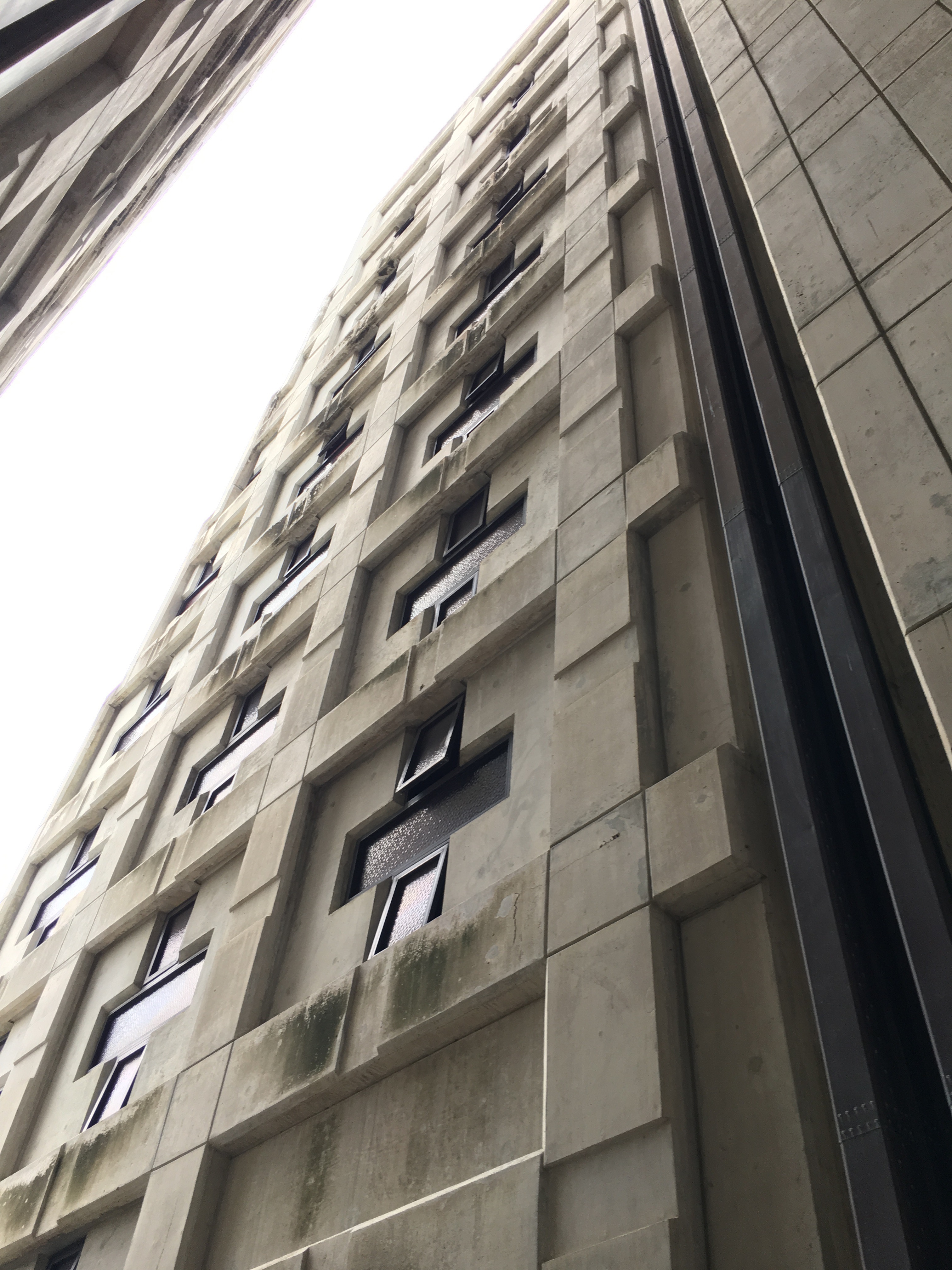
For several years I have been researching modernism as ideology and movement, with emphasis on its manifestations in architecture and in Latin America. At the same time, I conducted research related to the popular culture of Latin America and the Caribbean, the African and Indian heritages, recurrent themes in my practice. In 2014, I participated in the Moderno tropical project, presented at the 27th National Visual Arts Biennial in Santo Domingo, which consisted of a research on the elements of vernacular architecture on the island of Santo Domingo, bibliographical consultations and field trips, from which a set of thirteen sculptures emerged, that ran through one of the most emblematic buildings of the Dominican modernism, the Museum of Modern Art of Santo Domingo, by the architect José Miniño. In the following years, I continued researching on popular vernacular architecture and crafts, and carried out projects in other modern Santo Domingo buildings, such as Museo del Hombre Dominicano, by José Antonio Caro, and the Venezuela Pavilion, designed by the Venezuelan Alejandro Pietri, inaugurated in 1956 for the largest modern urban development project in Santo Domingo.
The research on the International Competition for the design of Faro a Colón is the fourth research project related to modernism in the Caribbean and Latin America, and gives way to the Pisos project, which includes the murals that will be presented in São Paulo. Among the proposals of architects from around the world reviewed during the research, such as those of Alvar Aalto, among others, my interest naturally pointed to the one presented by Flávio de Carvalho, since his approach to modernism, placing it in context with the climate, the indigenous heritage and the Caribbean, coincided with the themes, researches and works that are part of my practice.
It is in my interest to review and question the discourse of modernism in Latin America, this doctrinal quality that in many cases was imposed on the surroundings, and in turn highlight the proposals that somehow managed to integrate the social, historical, and aesthetic realities of the context.
Engel Leonardo in a statement to PLATFORM:VB (August 2017)
Pisos, 2016 | Installation
Engel Leonardo
Mainly architecture, the works of modern Latin American architects such as Villanueva, Pietri, Niemeyer, Bo Bardi, and Carvalho himself.
Artist's website