Orgy Mathematics
2016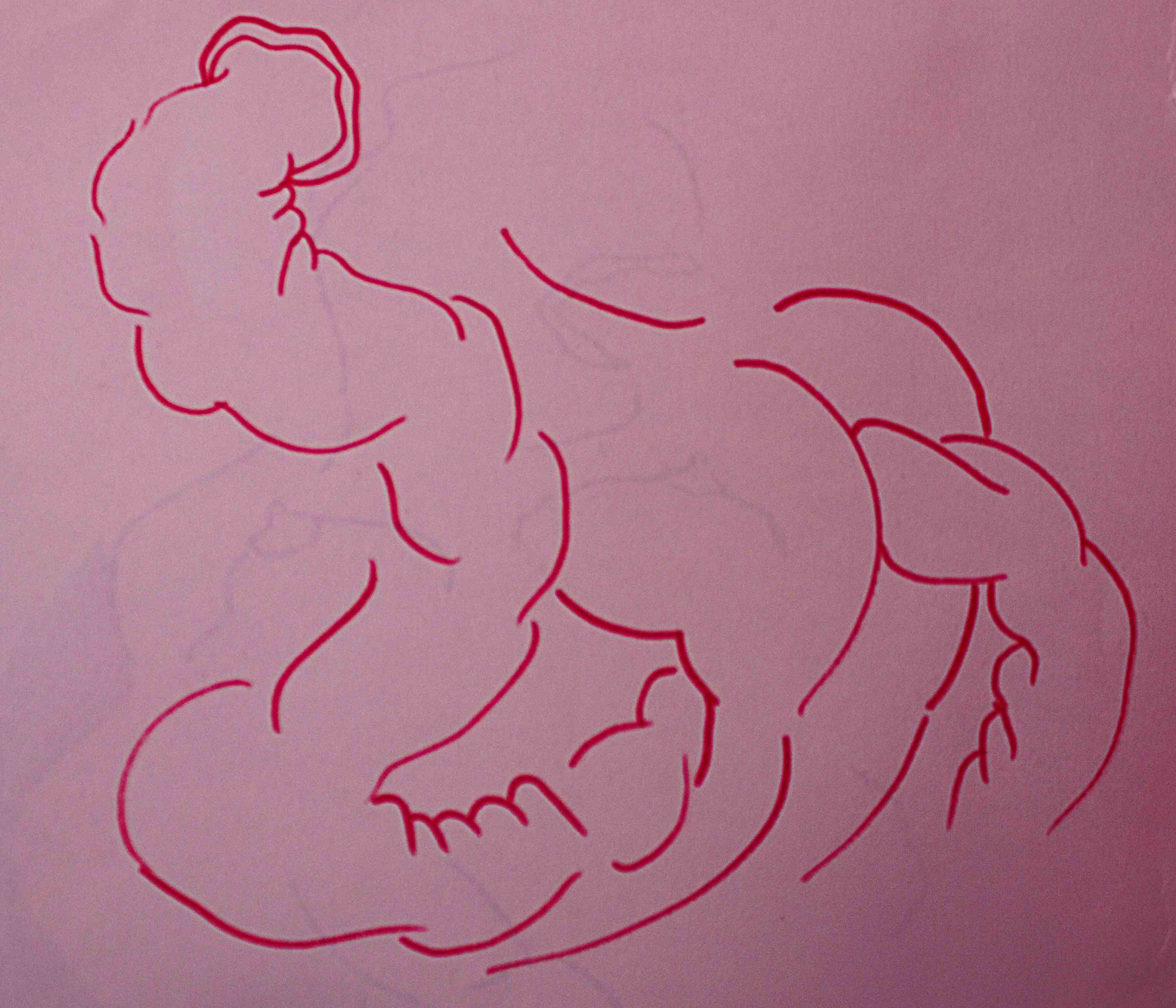
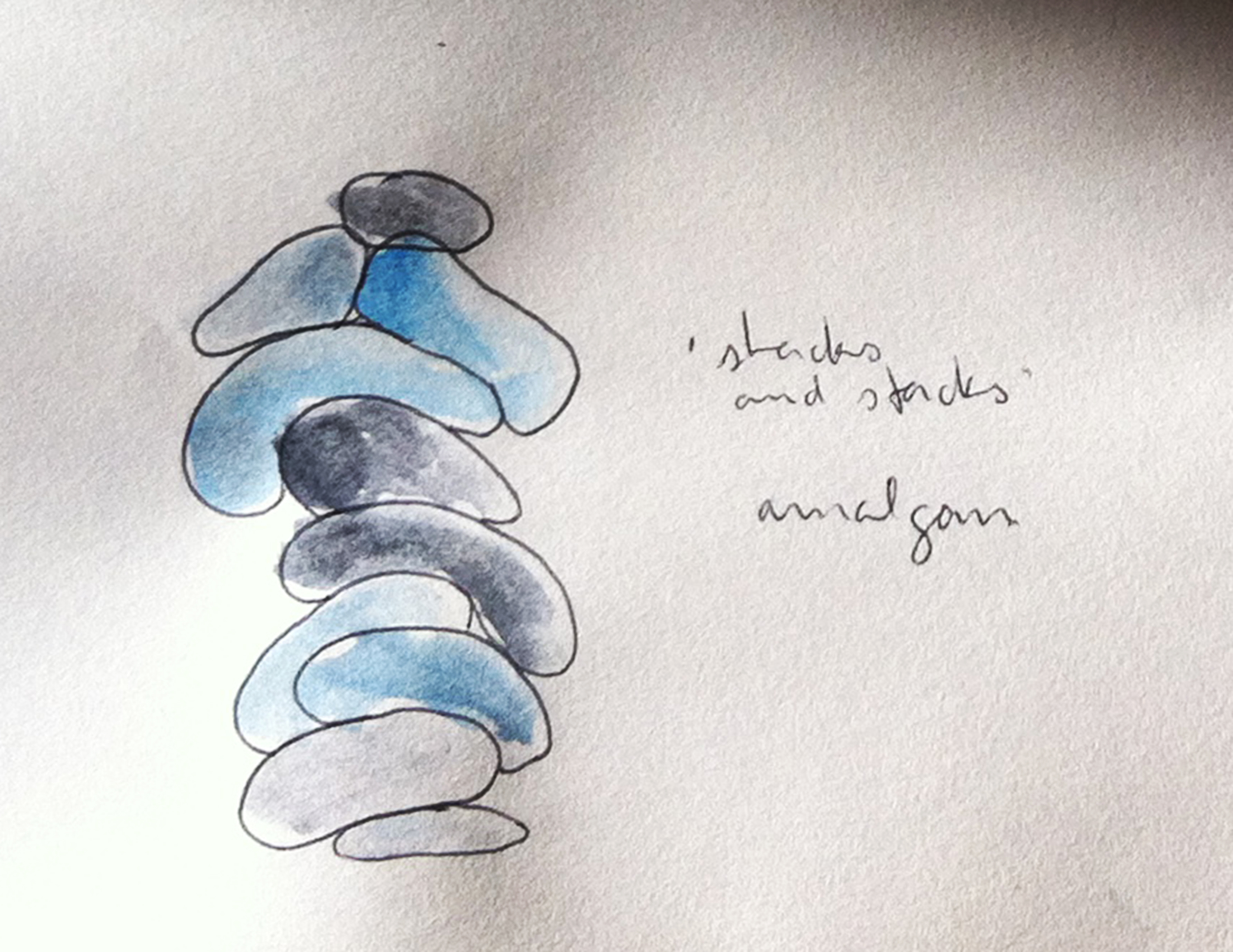
How closer can we get?
For how long? In which way?
How much can I give?
How many can I fit in?
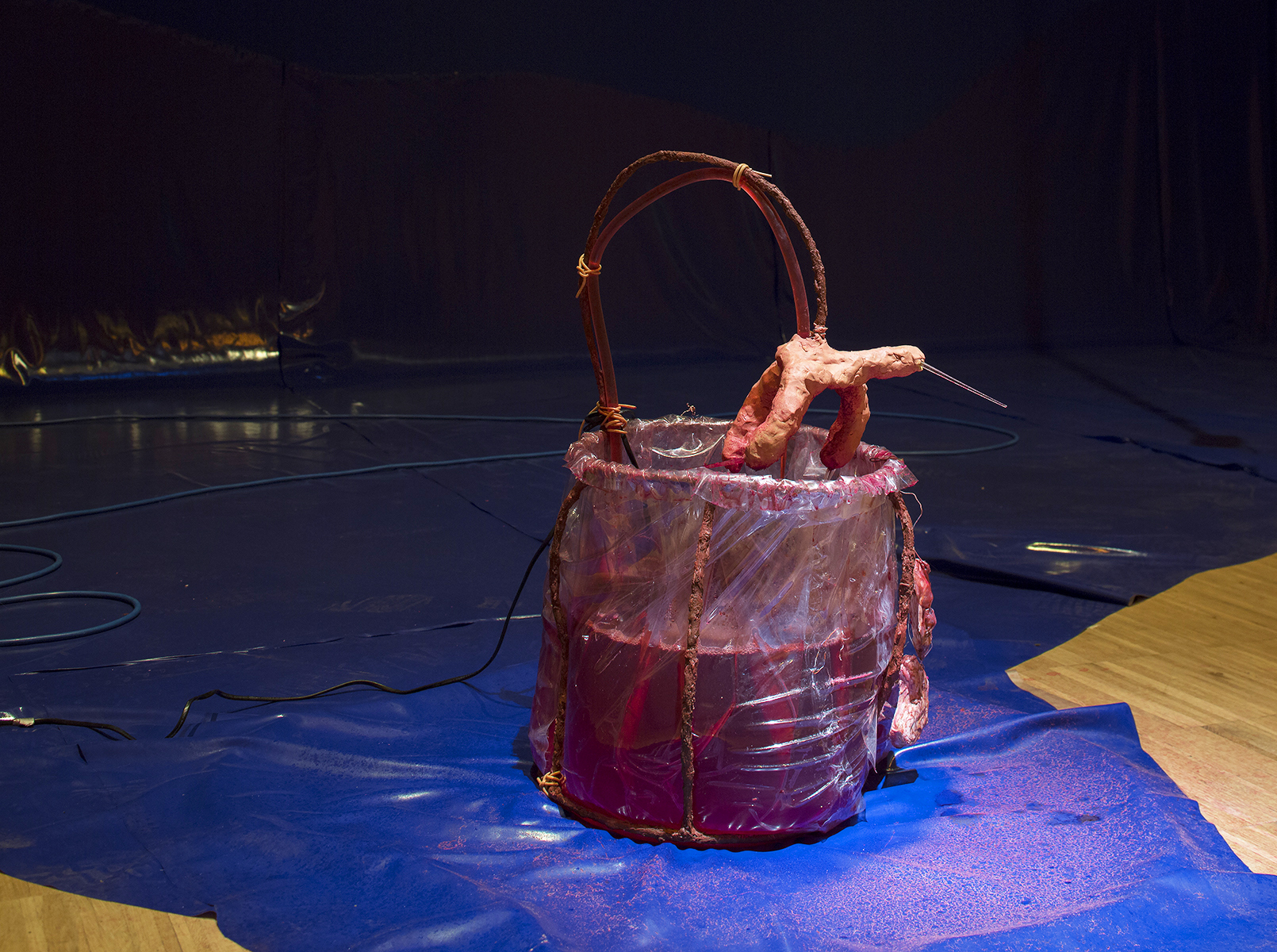
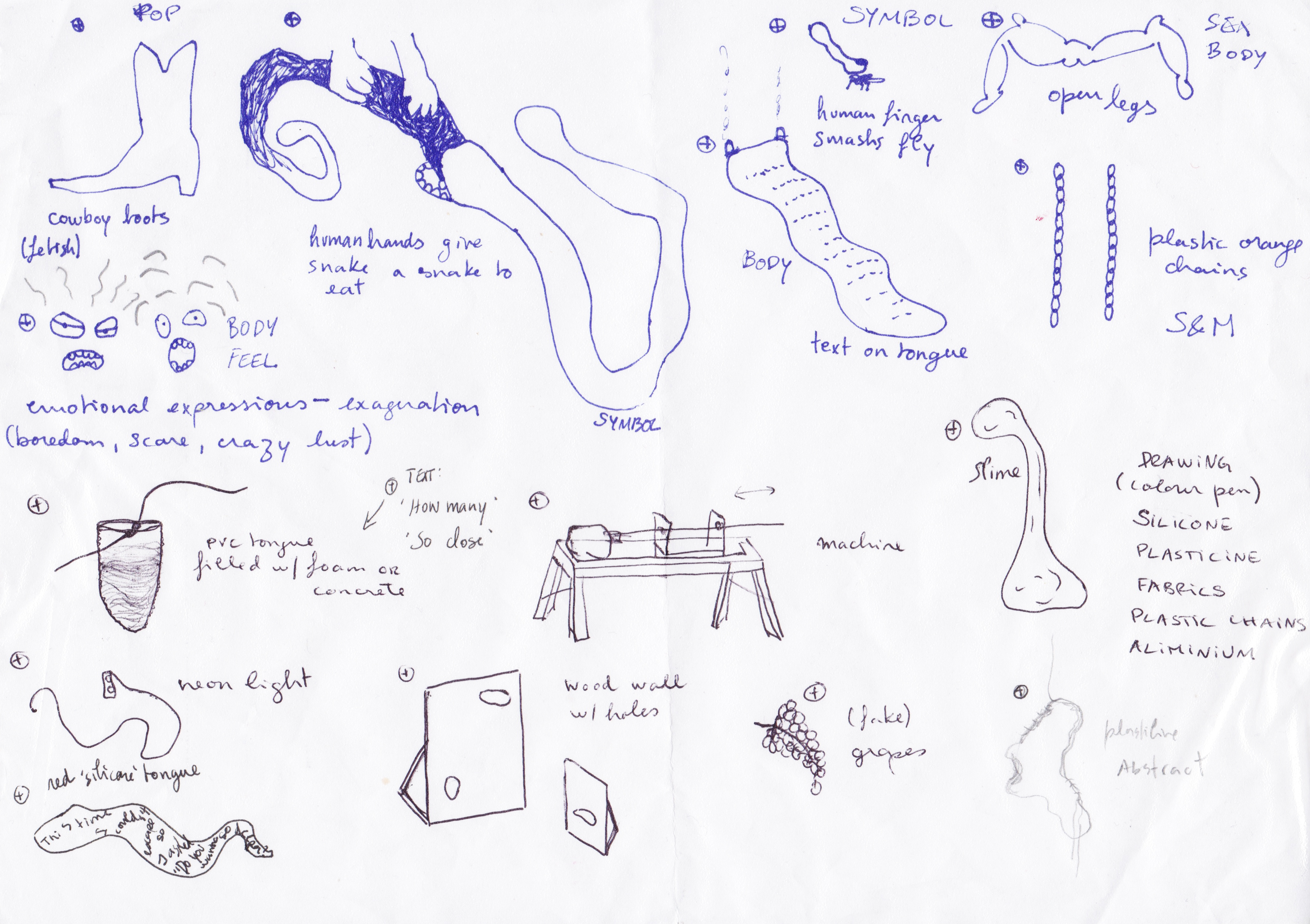
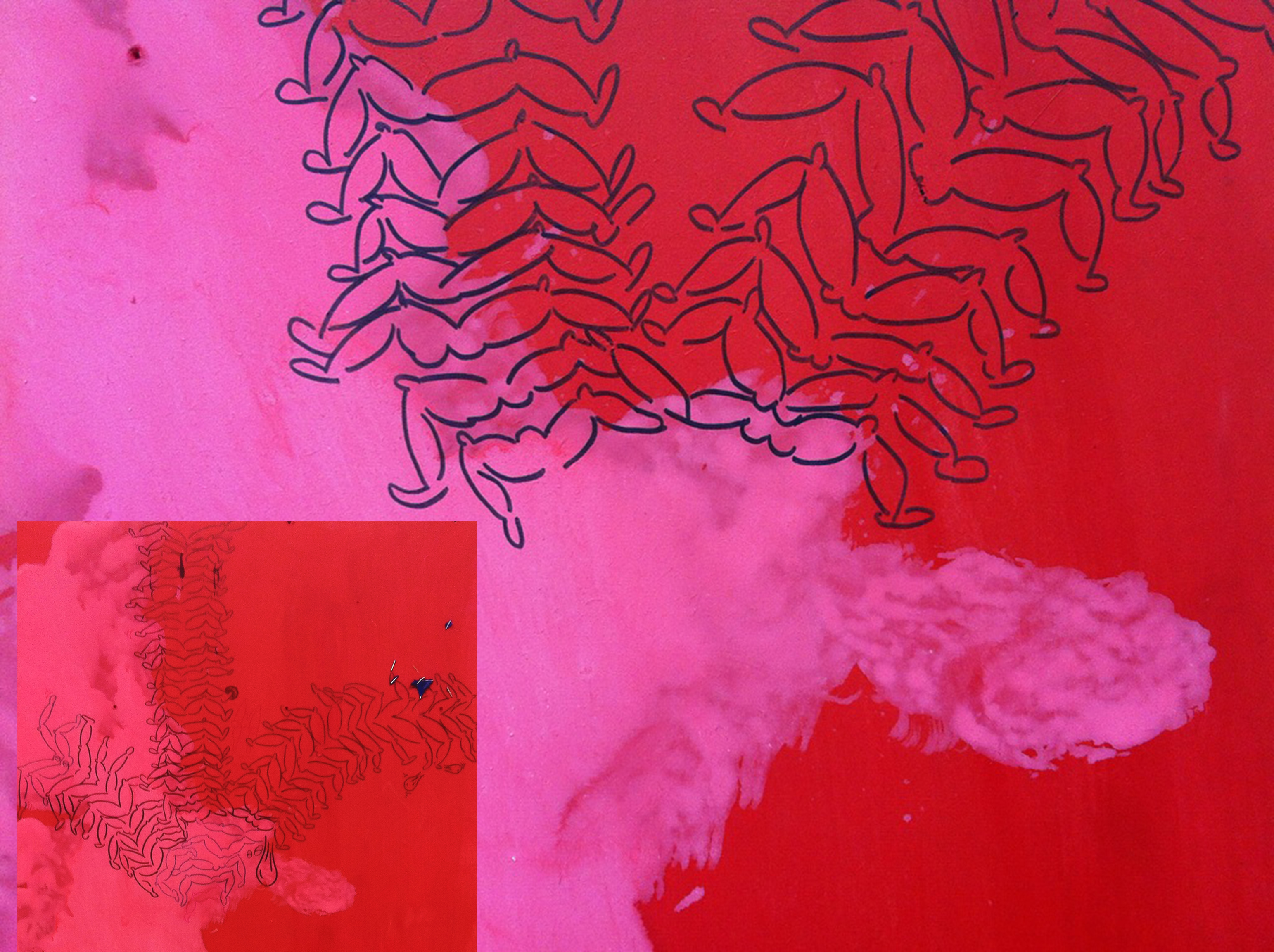
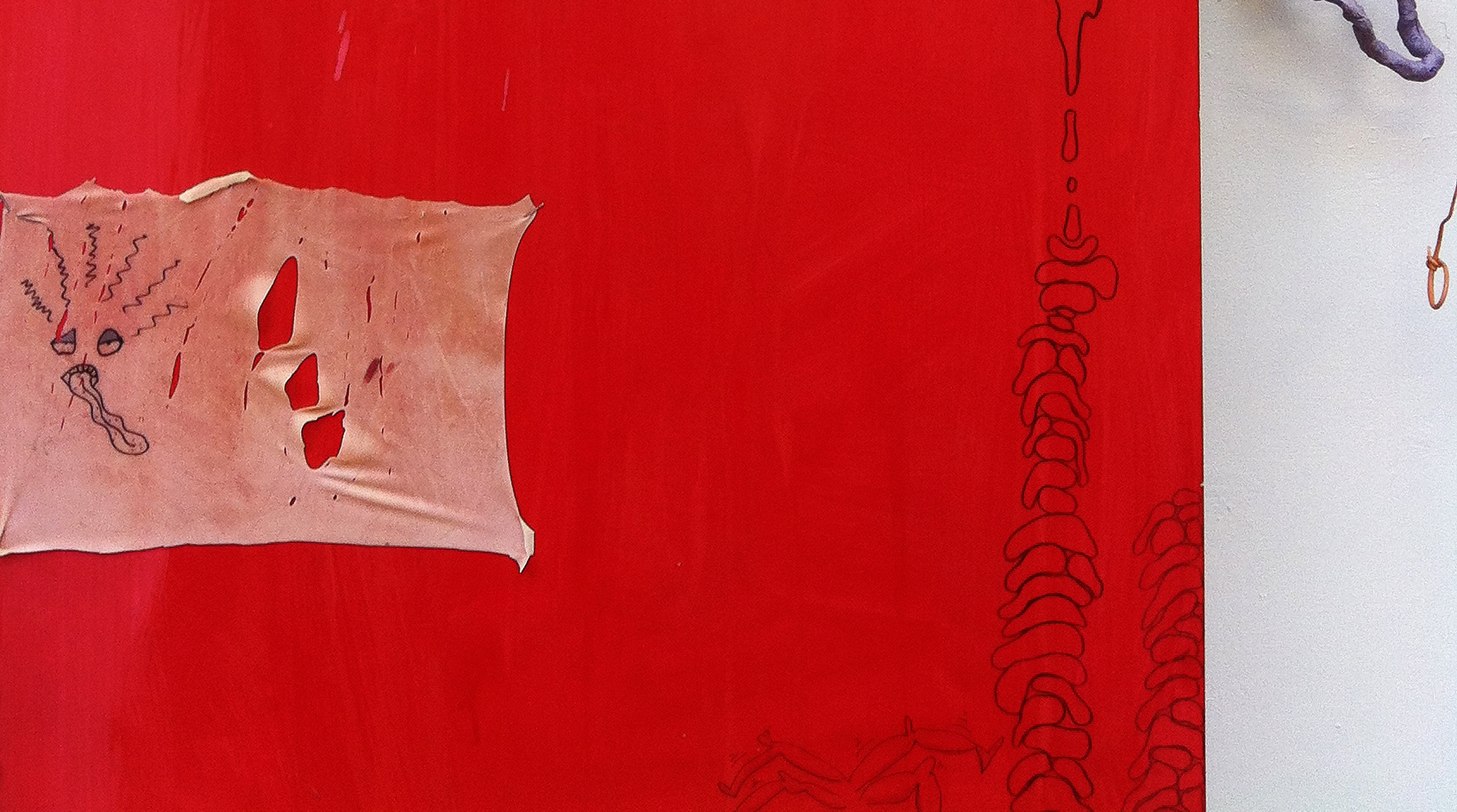
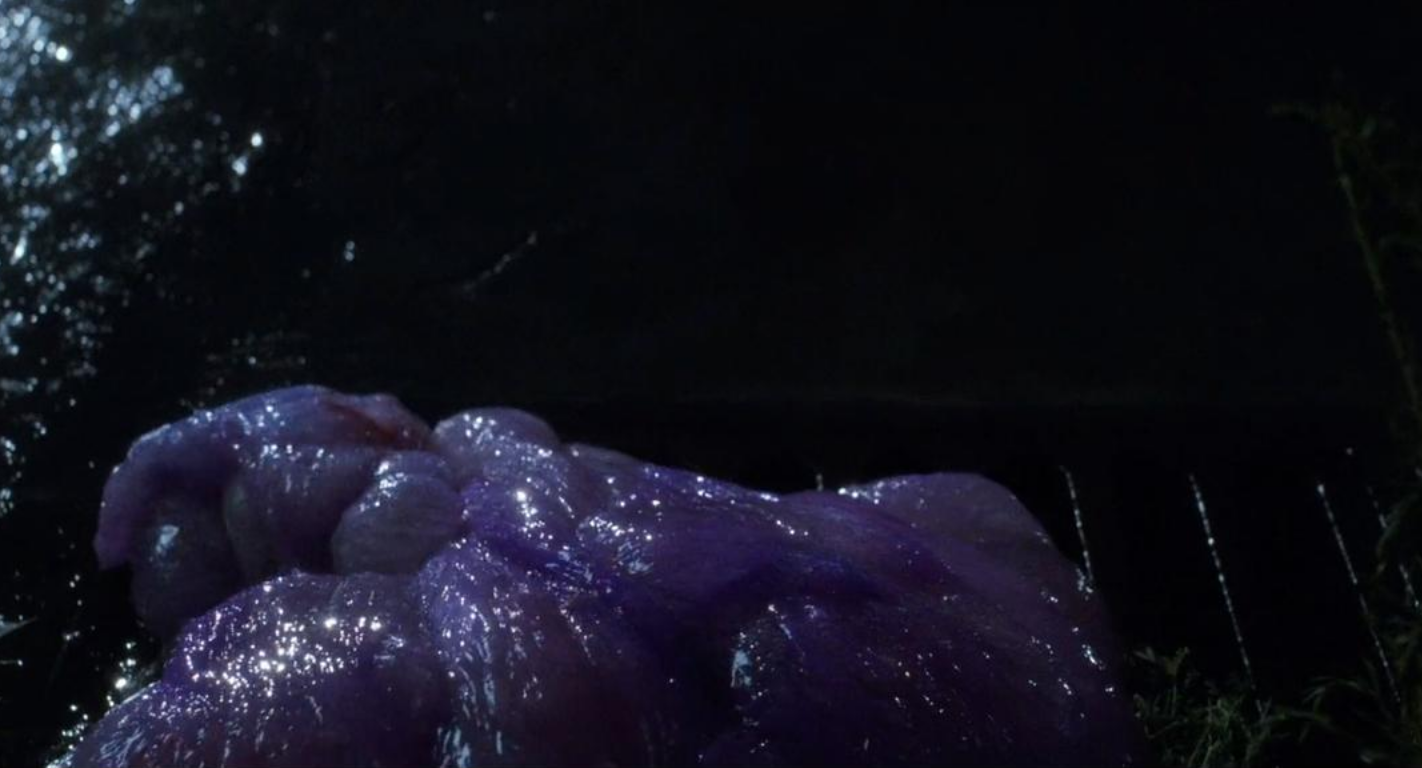
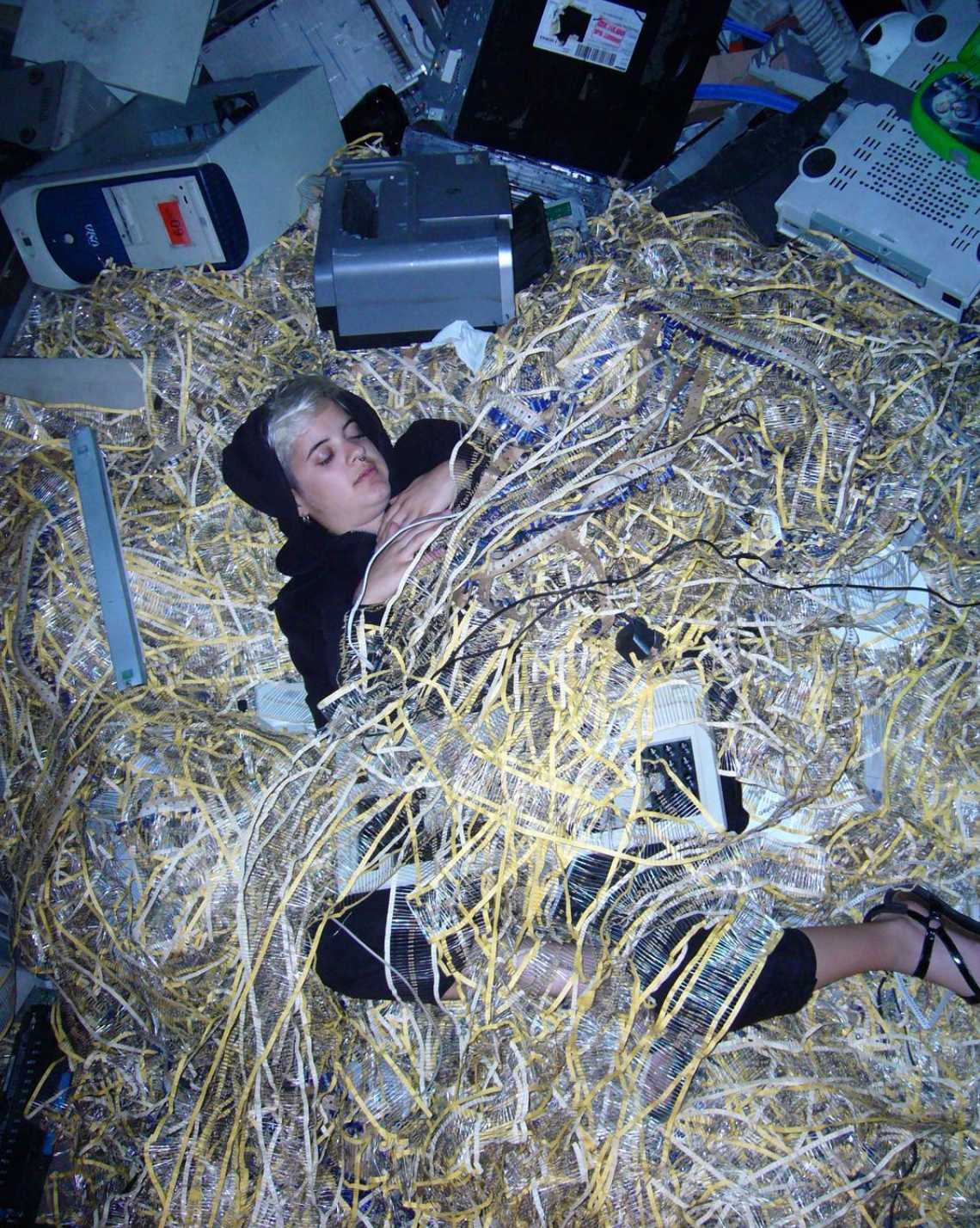
Orgy Mathematics grows from a persistent interest in intimacy and sexuality as performance, on the rituals and accidents through which we create contact, and in the pleasure of closeness and its abjectness. Orgy Mathematics floats in a sea of contradictions, the limbo that is the simultaneous thought process and instinctive action. Throughout the years my work has always submerged in these ideas, becoming more and more in touch with their subconscious and surrealistic aspect. Human body has slowly disappeared or, more precisely, has been replaced by similar shapes to its total and to its parts, viscera and all.
My practice is rooted in very experimental and interdisciplinary exercises. I venture into new processes and materials with each project, not so much with the intention of controlling many techniques, but to sprawl into and expand through the possibilities of communication. The common field between all projects is the body—or the bodiliness of materials and objects—, its mechanics and mysteries. Throughout the early 2000s, while I was doing my BA in Barcelona, I engaged with the local queer punk scene and collaborated with artists, writers and performers working around the then new concept of post-porn. In short, post-porn was a radical movement that questioned the heteronormative basis of mainstream porn by creating its own politically radical and experimental narratives and bringing the power of performed sexuality into our own hands. This is something that has always been present, one way or another, in my researches. During a period of time, I completely purged the human body from my work, letting other kinds of structures take over—as seen in The Great Out There—that could either be seen as empty spaces or potential holders. In these works the body is still present, although through its absence and through the attempt to connect with its surroundings by evoking the elements and interacting with specific landscapes that have either personal meaning to me or general associations with ideas of silence, cycles, danger, lostness and solitude.
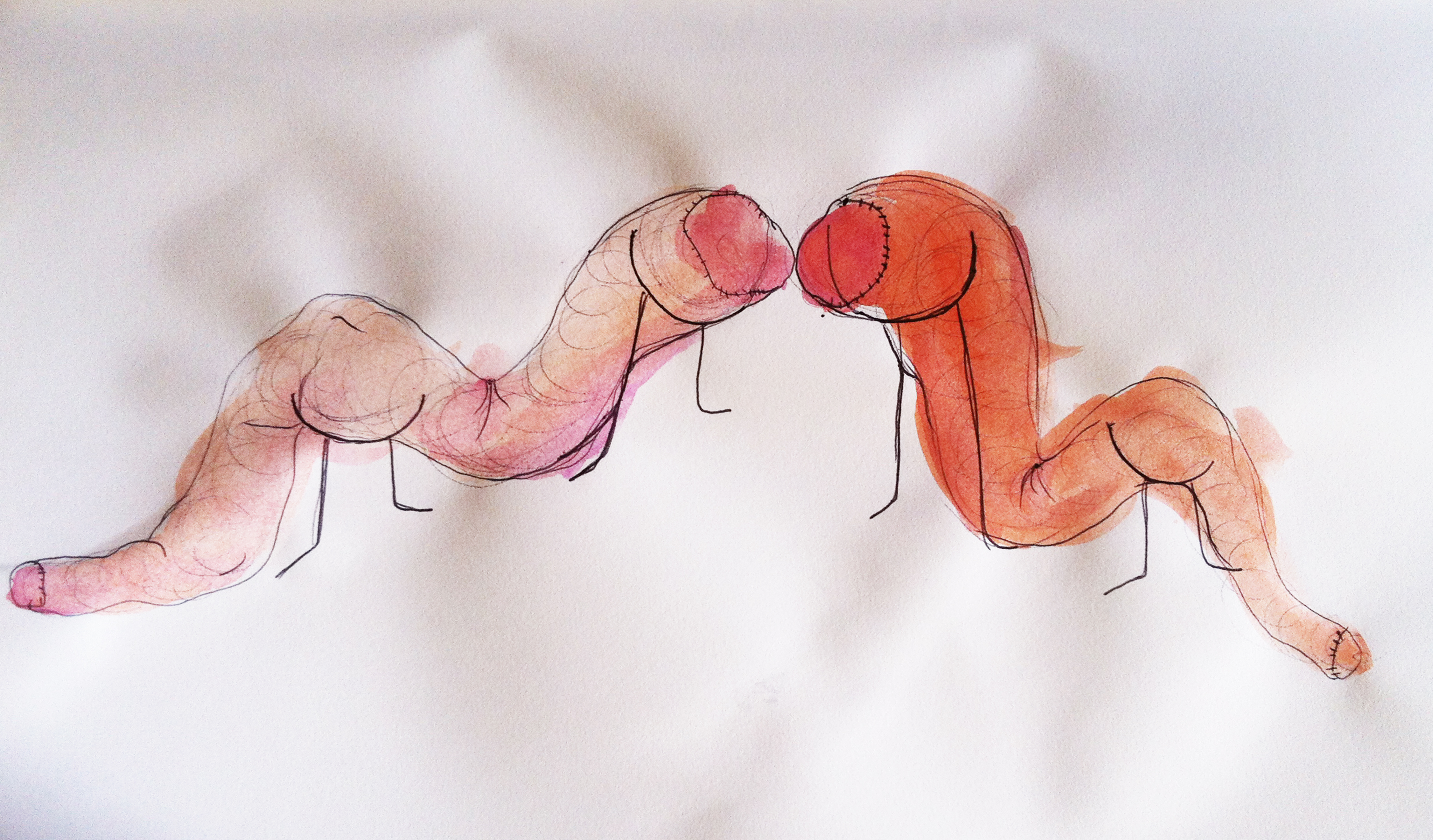
At this moment, with Orgy Mathematics and other current projects, the body has been fragmented. I pay attention to certain parts, isolating them, analyzing and getting to know the pieces of a system, listening to them and watching them mutate, becoming something else and generating new connections, new systems. Sculpture-wise, I am curious about the inherent capacities of things, materials and spaces to perform on their own and interact among them. While researching for this project, I established a parallel between worlds, to study from a distance by looking into the underwater world of deep sea creatures, into their self sufficiency and otherworldly physiognomy. They are extremely erotic creatures, with very interesting and dramatic patterns of behavior (like self-cannibalism), which resonated a lot with the hyperbolic perspective of sexuality, romanticism and reasoning I was thinking about.
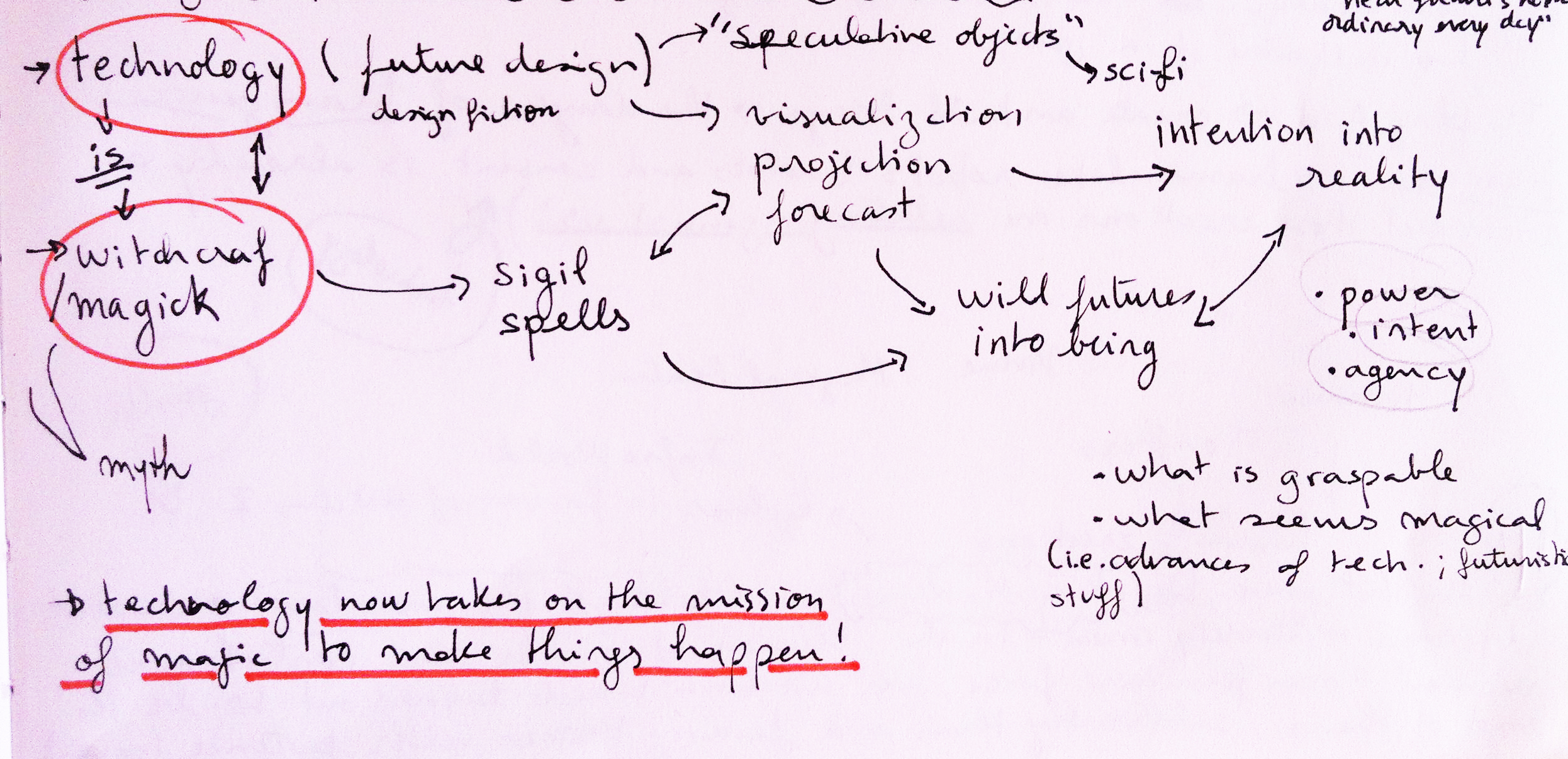
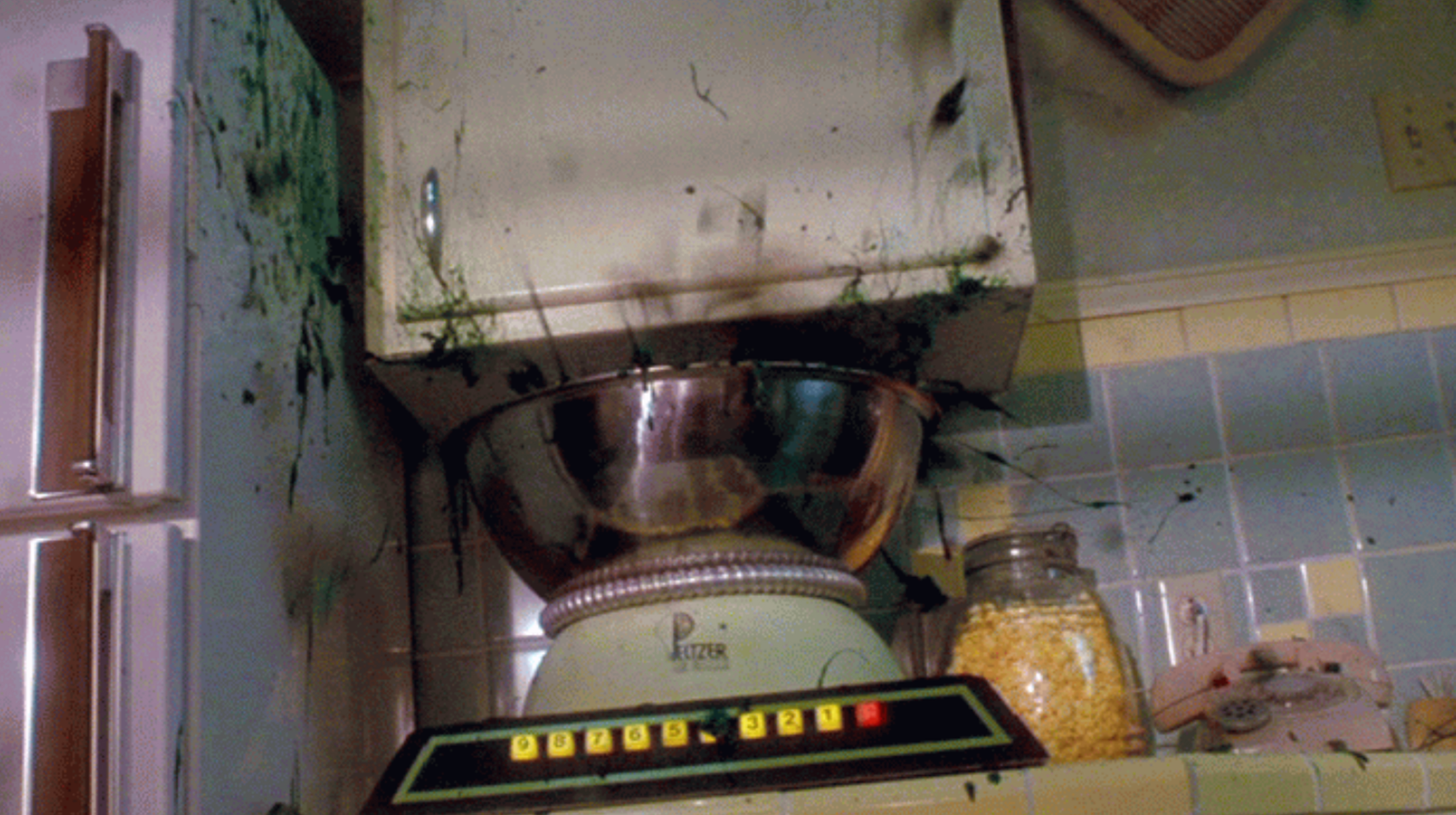
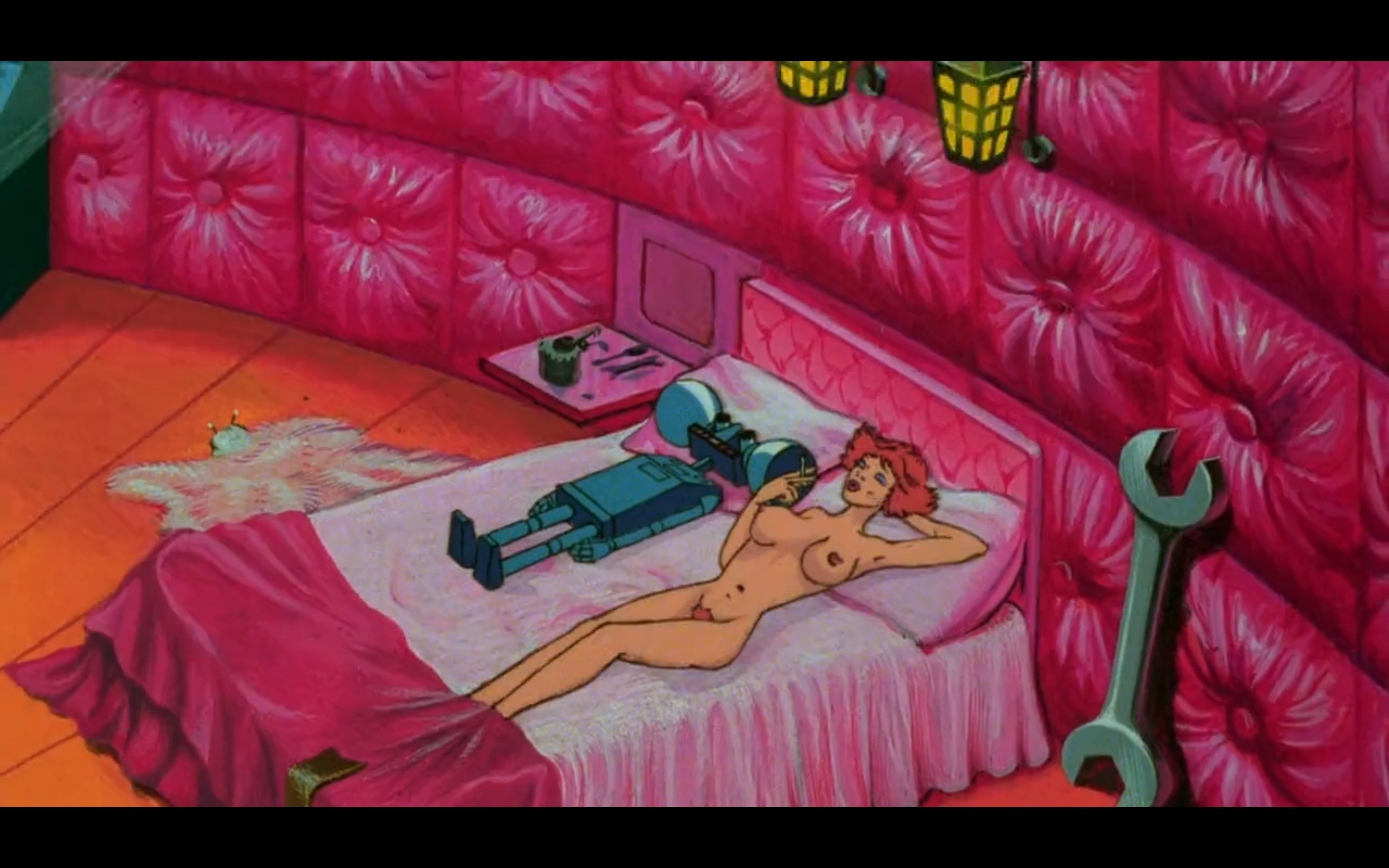
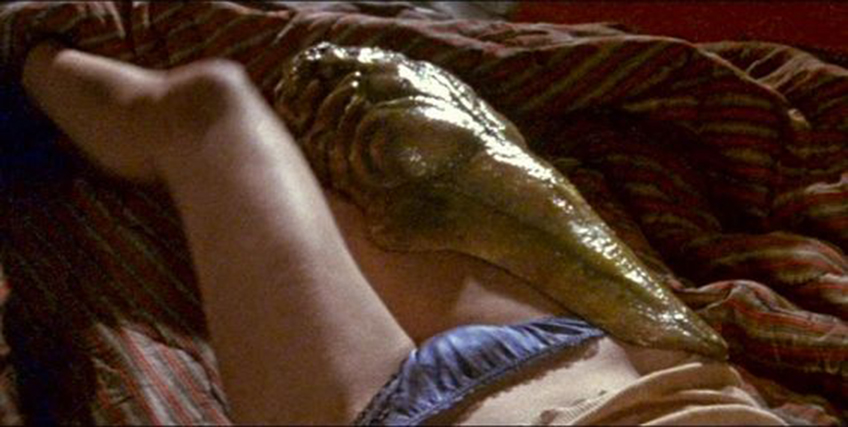
Vilém Flusser’s Vampyroteuthis Infernalis played an important role and was a key reference for me to develop these ideas. Other literary narratives were key to the research, exploring the tensions between intuition and rationality, such as Marquis de Sade’s Philosophy in the Boudoir, Lydia Lunch’s Paradoxia, J.G. Ballard’s Crash and Catherine Millet’s The Sexual Life of Catherine M.. Within the arts, I relate to the work processes of artists such as Lynda Benglis, Sue Williams, Ken Price, Jean Tingueley and Andrea Zittel. However, my references seem to come more often from other fields—many from the world of adult comics and cartoons, from such authors as Charles Burns and John Kricfalusi; others, from occultism and witchcraft practices. I am very interested in the attempts of materializing the unknown, whether it is fear, desire, or any gut-consuming feeling. I often look into horror and gore films, sci-fi and pre-CGI films: the narratives, the metaphors, and also which materials were used by the art department to recreate bodily and unidentified matter.
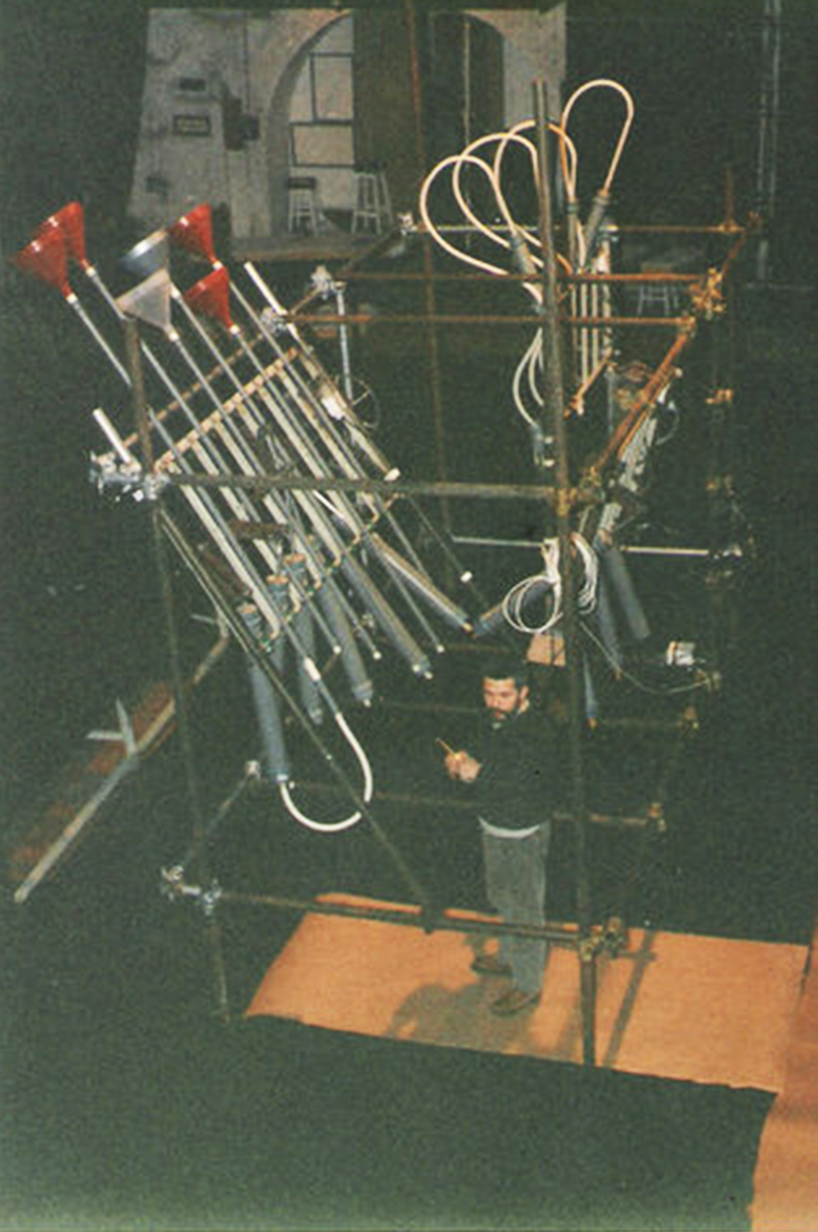
Likewise, I am fascinated by dramatic scenography and its theatricality. I was very influenced as a child by my surroundings, as I spent a lot of time backstage with my father while he worked with scenographers to create crazy machines and moving scenarios for theatre plays. What I find so precious about this type of spatial transformation and world-making processes is precisely the ability to create other possibilities within our reality—new myths—and, therefore, its political potential. More so when the setting invites you to be part of it. In a space like this, the stories of strangeness lose their punch lines. Instead we can create new myths that arise from a different context. The work of myth-making; the work of creating new forms, new non-hierarchical structures; the work of securing and defending our right to keep our bodies and our sexuality free from restrictions and intrusions by the agents of authority; the work of encountering and transforming our inner structures; the work of love—connecting, knowing another person intimately, equally, honestly—all of these are linked. (Starhawk on Sex and Politics, in Dreaming the Dark).
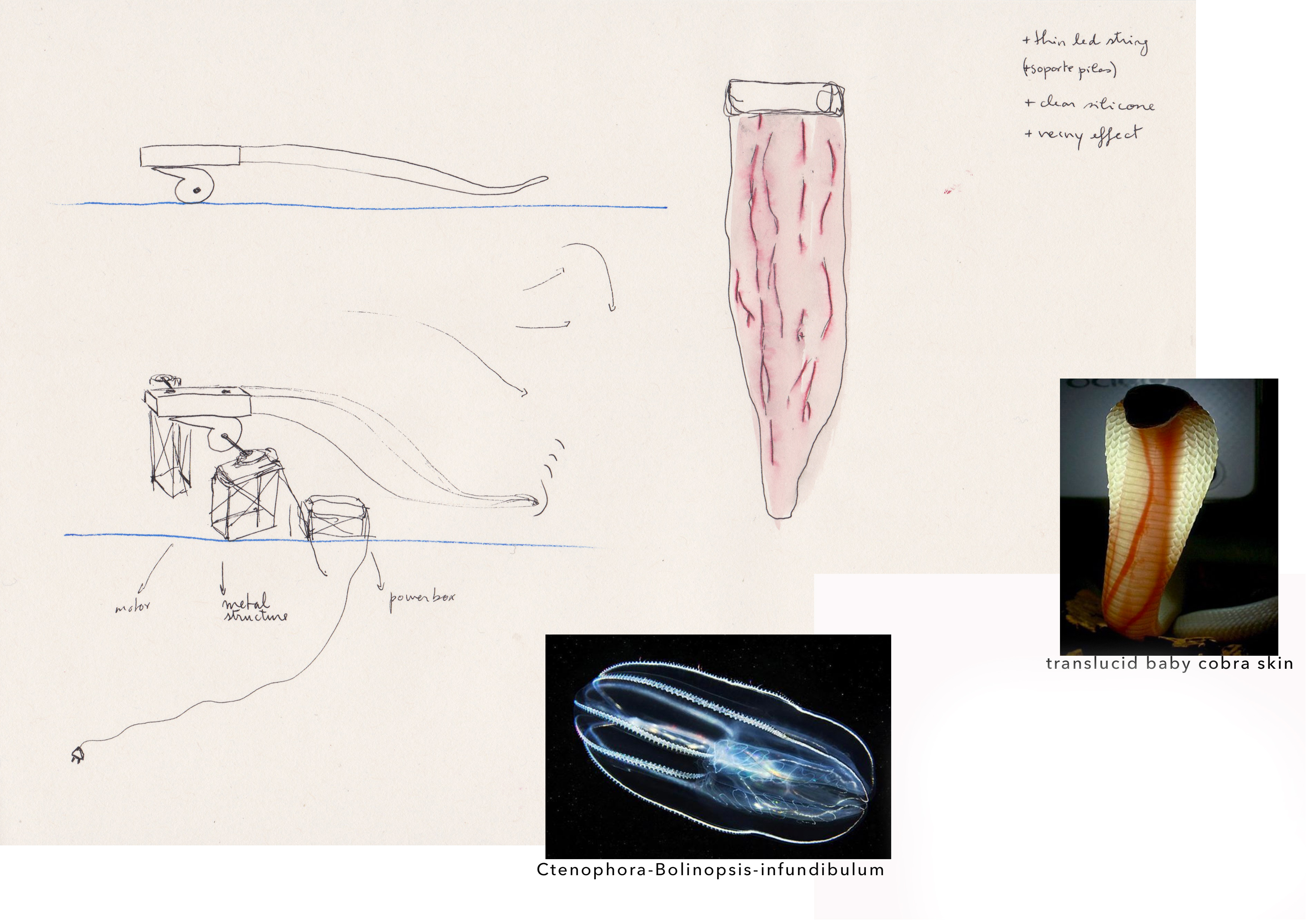
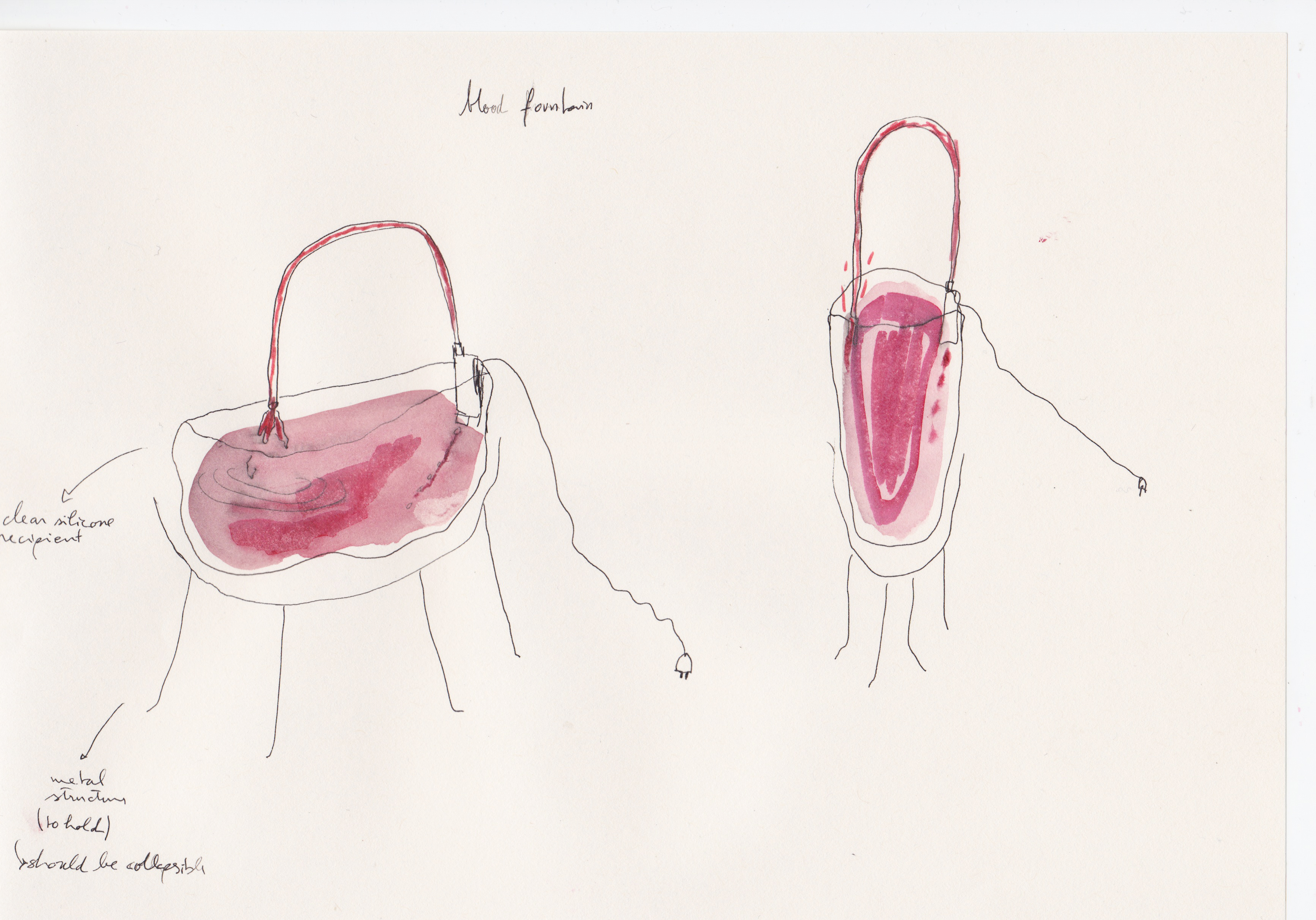
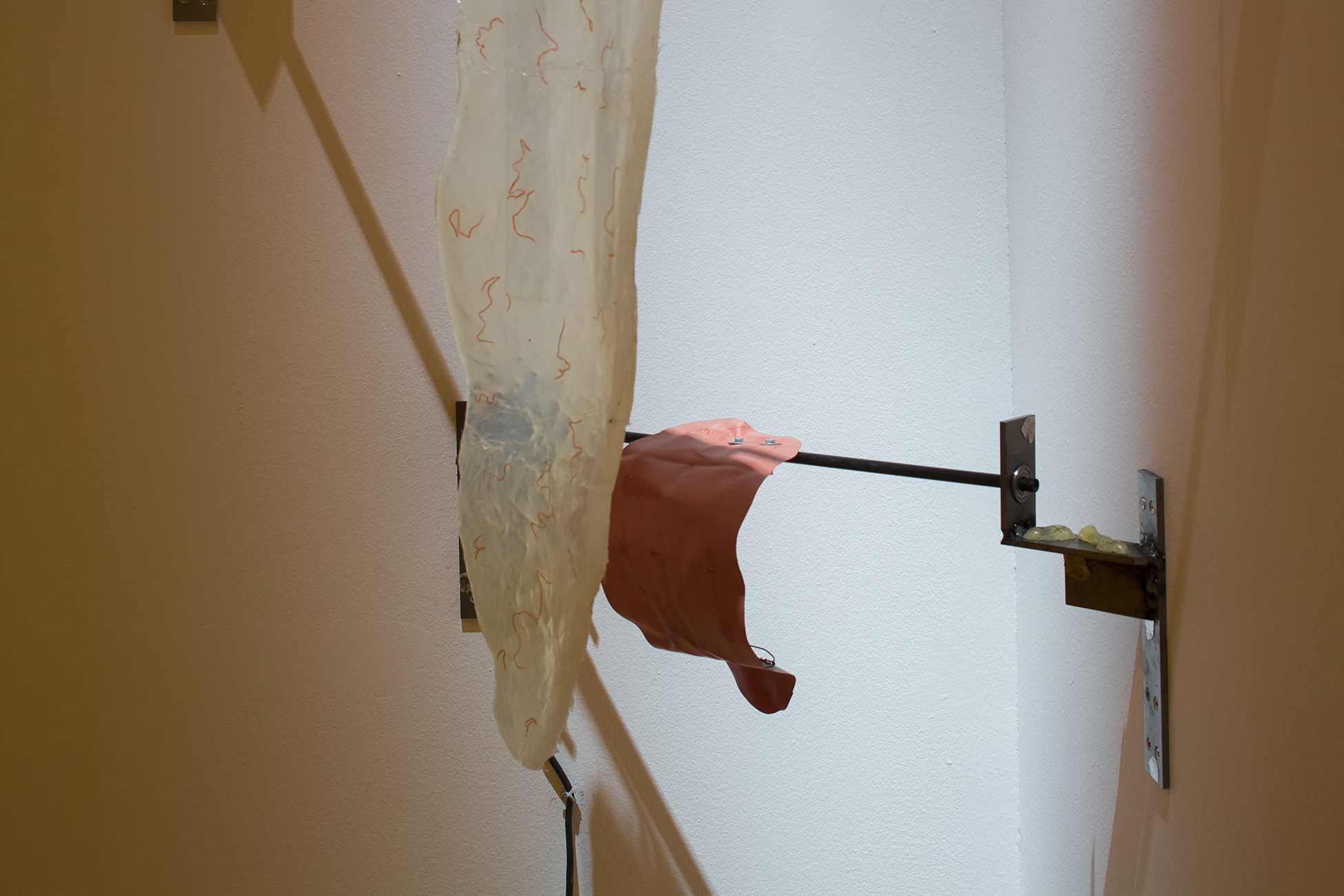
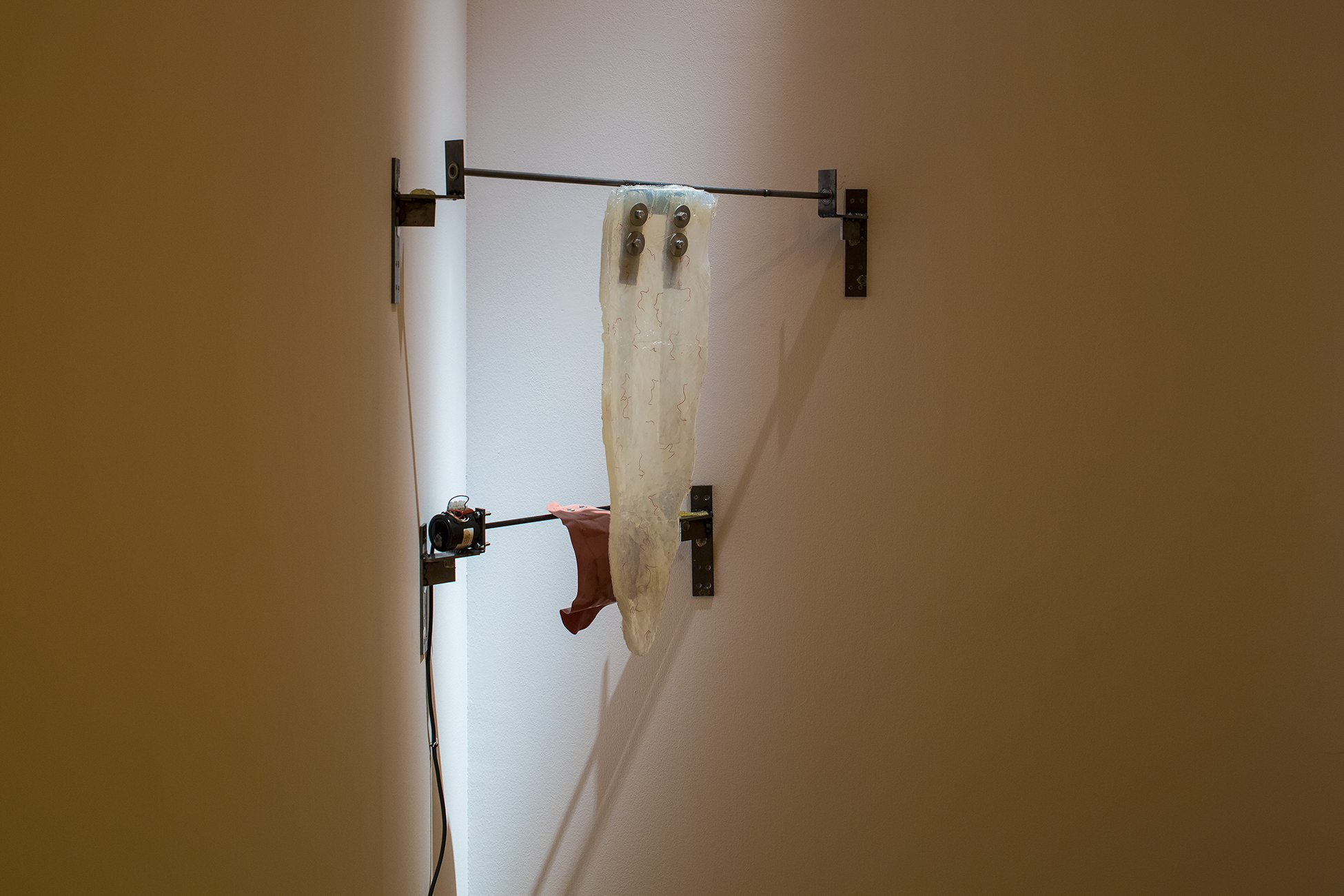
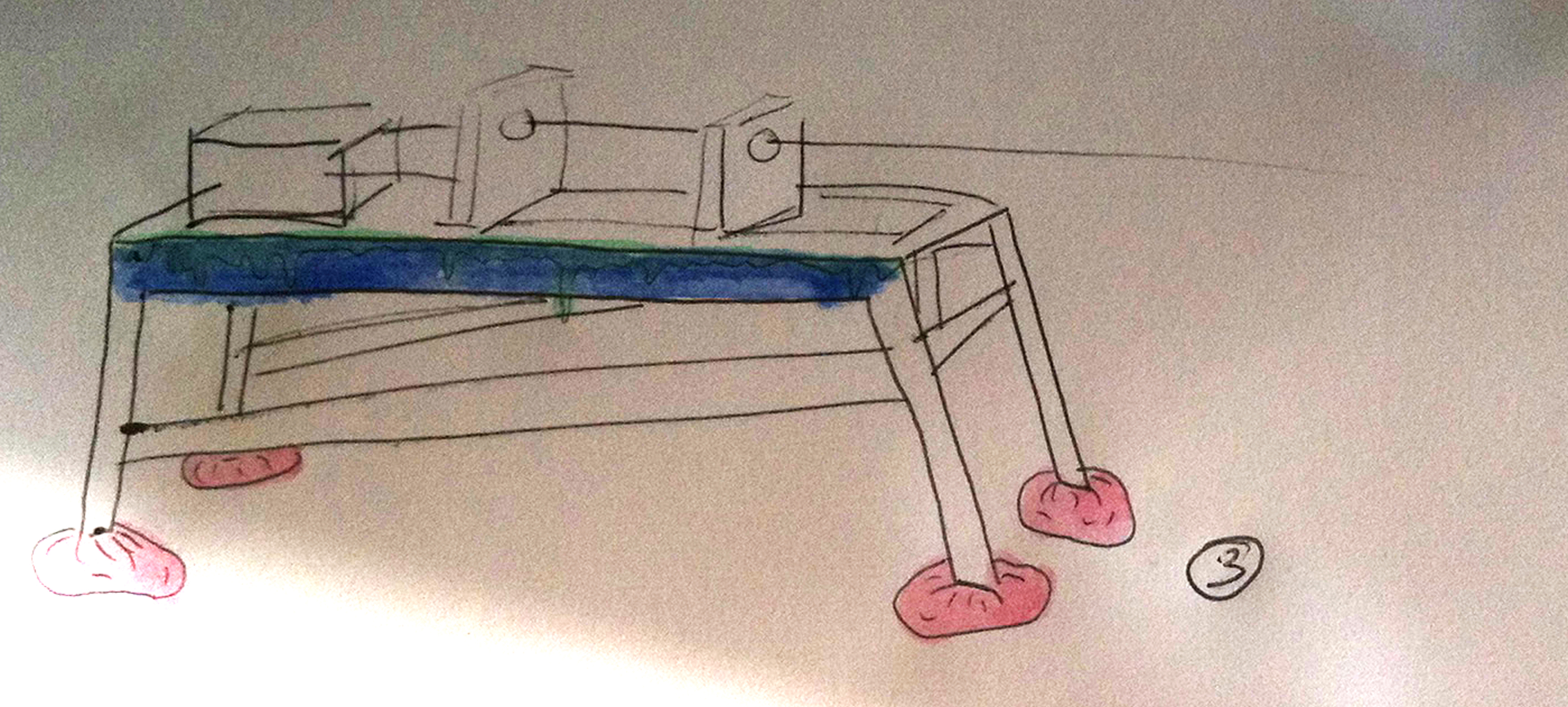
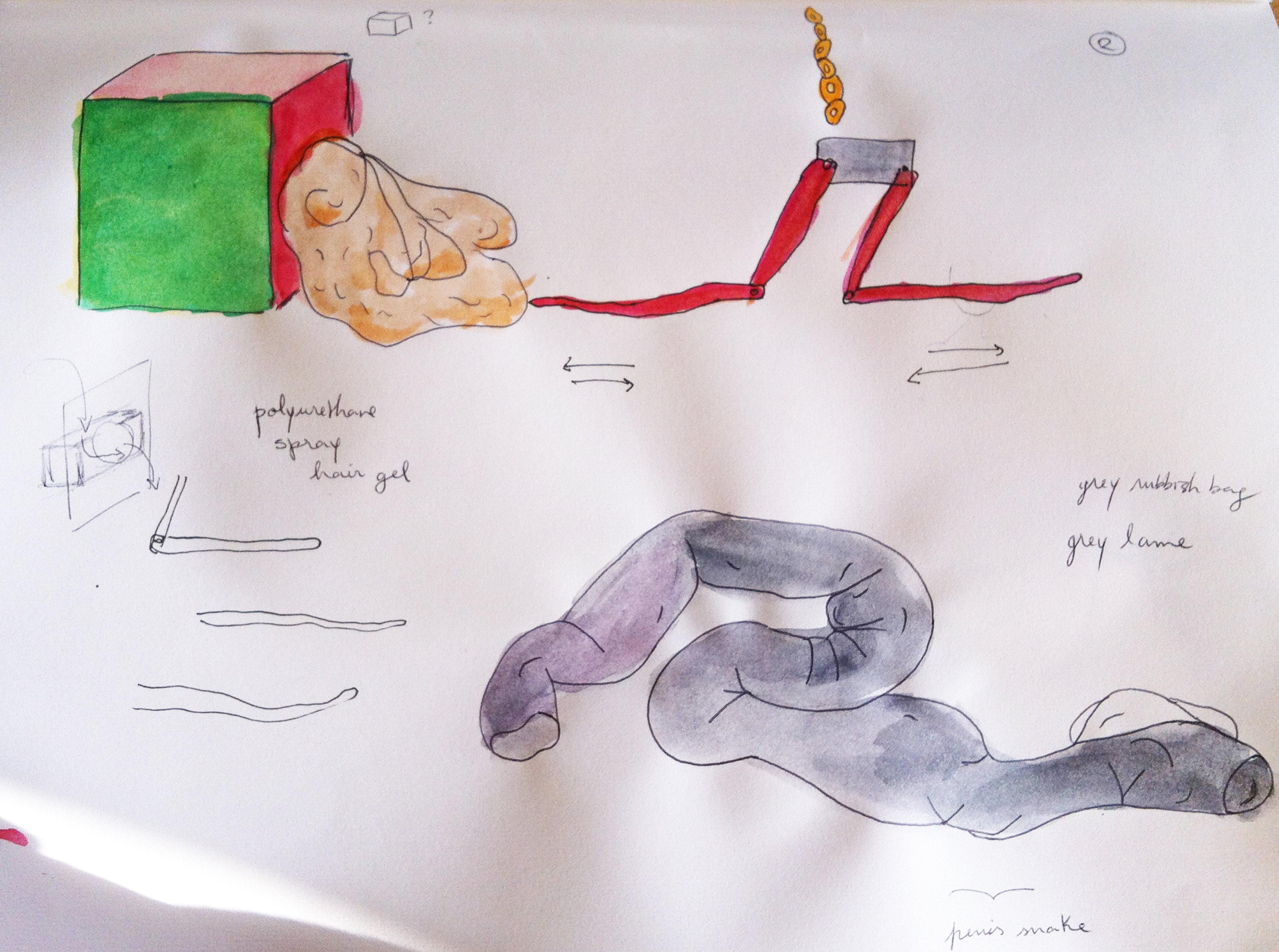
It seems only natural that I would explore the world of machines at this point. The Fucking Machine was one of the first elements when making Orgy Mathematics. There is a type of mainstream porn called Fucking Machines, owned by big BDSM production company kink(dot)com. I found out there’s also a big sub-culture of DIY Fucking Machines around the USA, with crafty yet seemingly low tech designs, a little bit McGyver-style, very ad-hoc. The machines are made by men to be used by women. However, with the supra performance of these machines and the earth-shattering pleasure the women visibly experienced, their role of “master” becomes secondary. This really caught my attention, this underline of subverted power. I decided to make one myself and so I learnt some basic electronics and hacking through online chats and through people I’d meet at hack-spaces and robotics gatherings. The machines I do are not about perfection or high technology. They are anti-machines, they are punk toys. They inhabit the realm of a mad scientist’s experiment, an unpredictable Frankenstein. To me, this gives them a sort of eternal innocence, the same you find in curiosity. What I want is to pervert the idea of efficiency and productivity while generating pleasure. It is precisely that innocence and perversion I find such a rich subject: a hanging tongue in a colorful strange playground, full of other characters, screaming about enjoying catastrophic pain or using chemicals recklessly while running in a yellow dress –like a child—it evokes in me a refusal to submit and a tremendous sense of childlike anarchy.
Mariana Echeverri in a statement to PLATFORM:VB (August 2017)
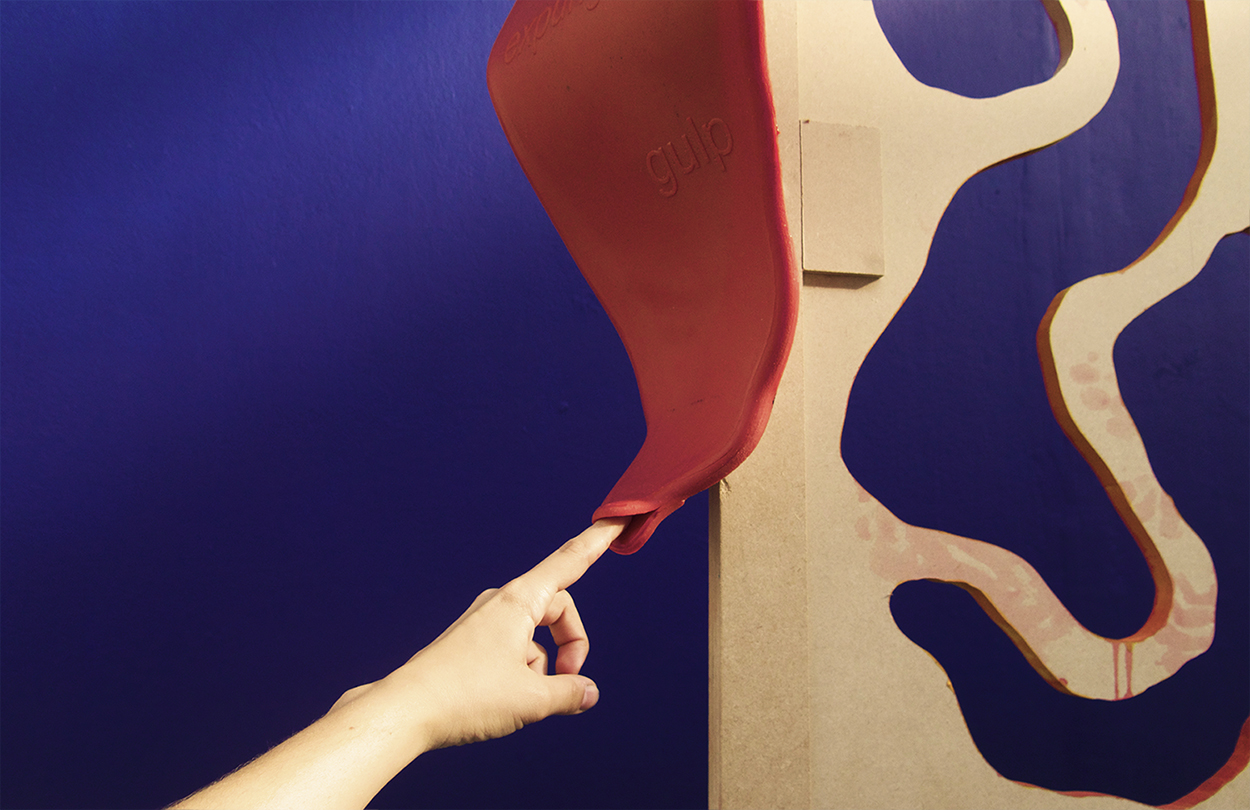
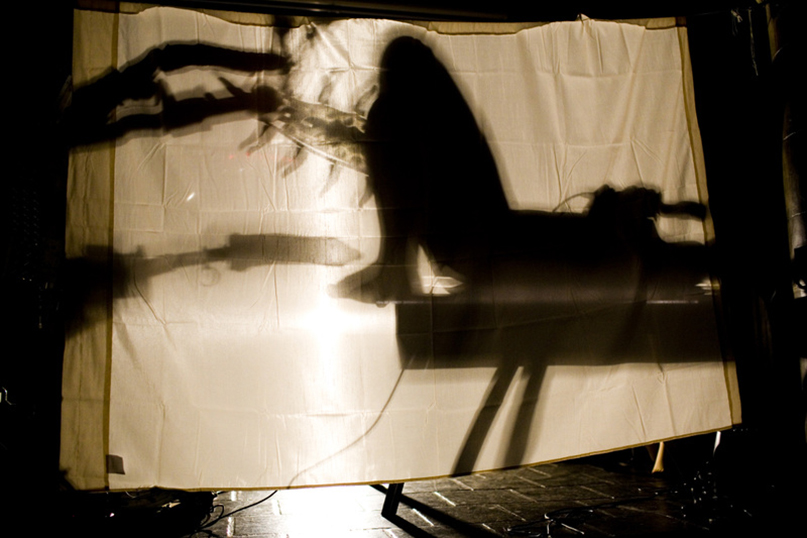
Orgy Mathematics, 2016 | Installation
Mariana Echeverri