Njanga Wata
2010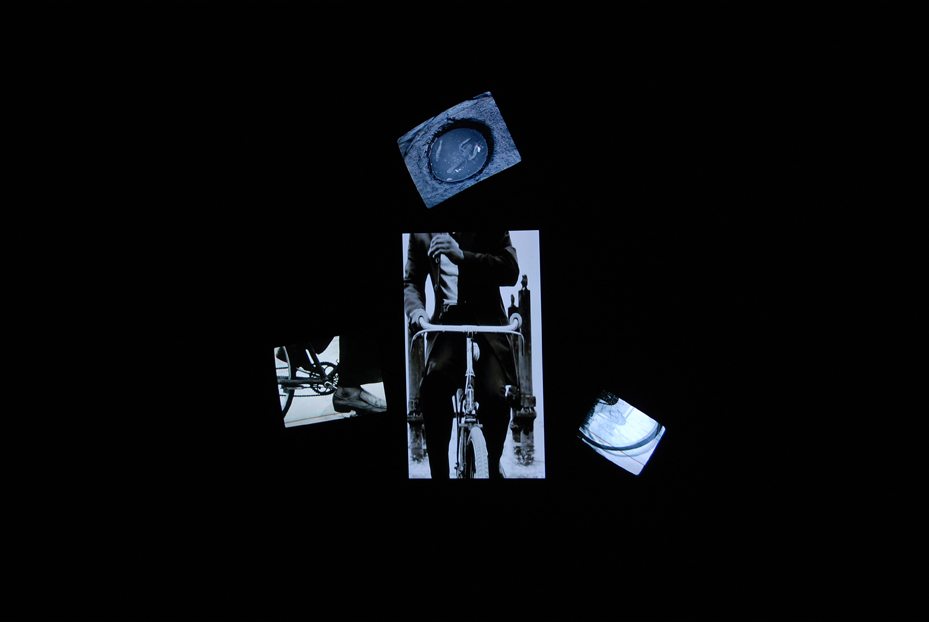
Njanga Wata (2010)
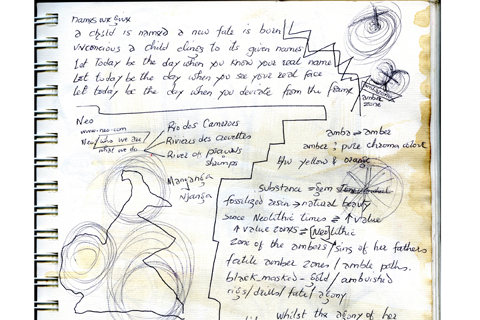
Sketches for Njanga Wata
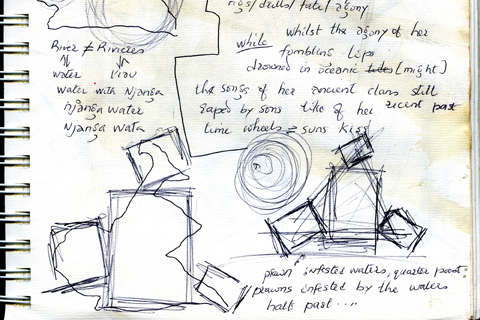
Sketches for Njanga Wata
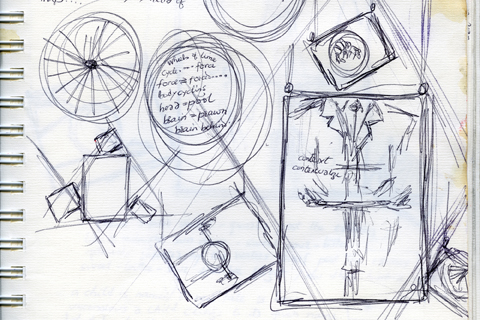
Sketches for Njanga Wata
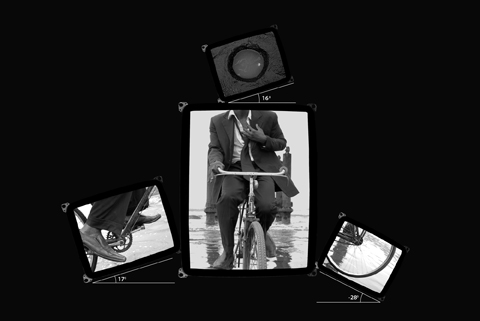
Installation plan for Njanga Wata's screens
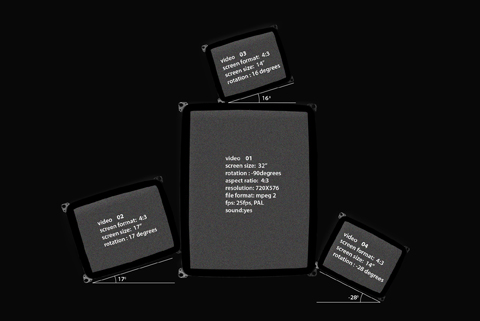
Installation plan for Njanga Wata's screens
“Nganga Wata is a multimedia installation that reflects on the colonial legacy still impacting Cameroon and many Sub-aharan African countries. I wanted to transcribe my take on these dynamics and the whole series is a result of this process.
I started with the observation of this context, coupled with discussions with ordinary people and those fully engaged with the development of these countries. I don't believe in coincidences, but while I was doing this work, I had a discussion at a fishing site with some friends and an old fisher. My friends were complaining that they were working hard with no concrete results, while the fisher was blaming it on the name of the country – Camaroon, which comes from 'prawn' in Portuguese, 'camarões' – and its colonial legacy.
Njanga Wata is a pidgin translation for Rio dos Camarões [Cameroon River, named by Portuguese explorers in the fifteenth century, when they approached the Wouri estuary, generating the English derivation 'Cameroon'].
Although I am aware of the fact that every individual has a different emotional/perceptive background, I think the political structures in my country, far from what the mainstream media communicates, are not so different from those of other countries of the Southern hemisphere. I sought a subtle poetic way of transcribing specific observations, while leaving the piece open to every human being, from any geographical location.
Surrealistic and paradoxical imagery with subjective symbolism, present in most of my work, also comes into play here. But, unlike other pieces, I was more cryptic and this affected the work. I see it as a gift and a curse. This was a choice based on the linguistic and political divisions experienced today in Cameroon, which stem from a brief colonial century marked by German, French and English players.
I notice countries and regions for their beautiful cultural differences, rather than through a distructive and competitive nationalistic point of view. Njanga Wata is one of my first pieces to adress a patriotic agenda, based on the principle of exploring something bigger than a nation. Unless the obvious ways of the world and the status quo are reconsidered or questioned, humankind will not experience sustainable progress or a more harmonious state."
Em’Kal Eyongakpa in a statement to PLATFORM:VB (October 2013)
Njanga Wata (2010) | Em’Kal Eyongakpa
Video installation | 4 channels (tube TVs, 14’, 21’, and 32’ screens); 16’20”, 2’40”, 2’08”, 3’38”; stereo, 4 : 3, loop
Njanga Wata (2010) details and setup at the exhibition space of the 18th Contemporary Art Festival SESC_Videobrasil
Testimony Em'Kal Eyongakpa | 18th Festival
The artist recounts how he created the piece through a visual and audio investigation of the naming of things: countries, people and places
Excerpt from Njanga Wata (2010)
KHaL! SHRINE, Em’Kal’s new media art space in Cameroon.