New Frontier
2015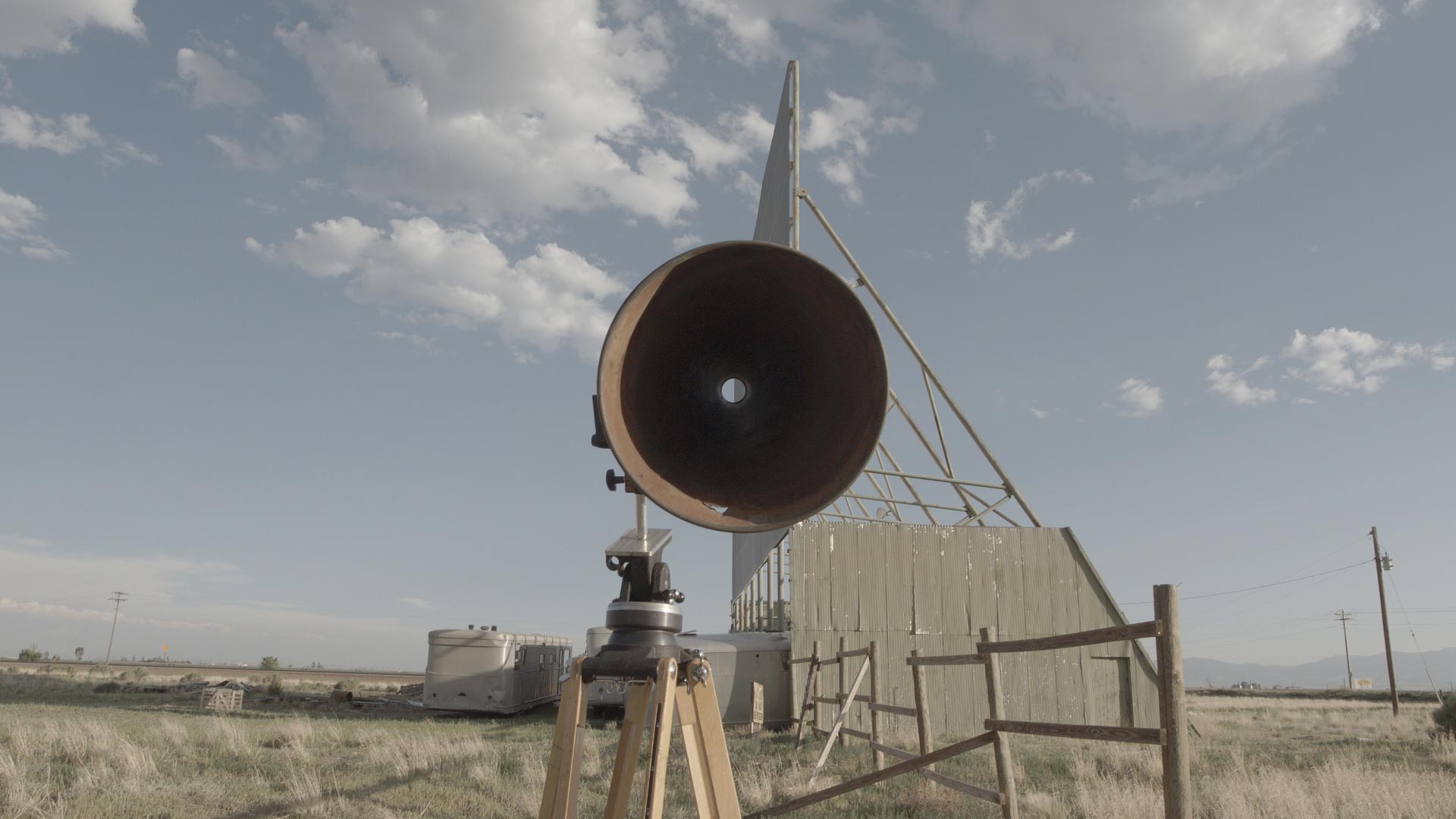
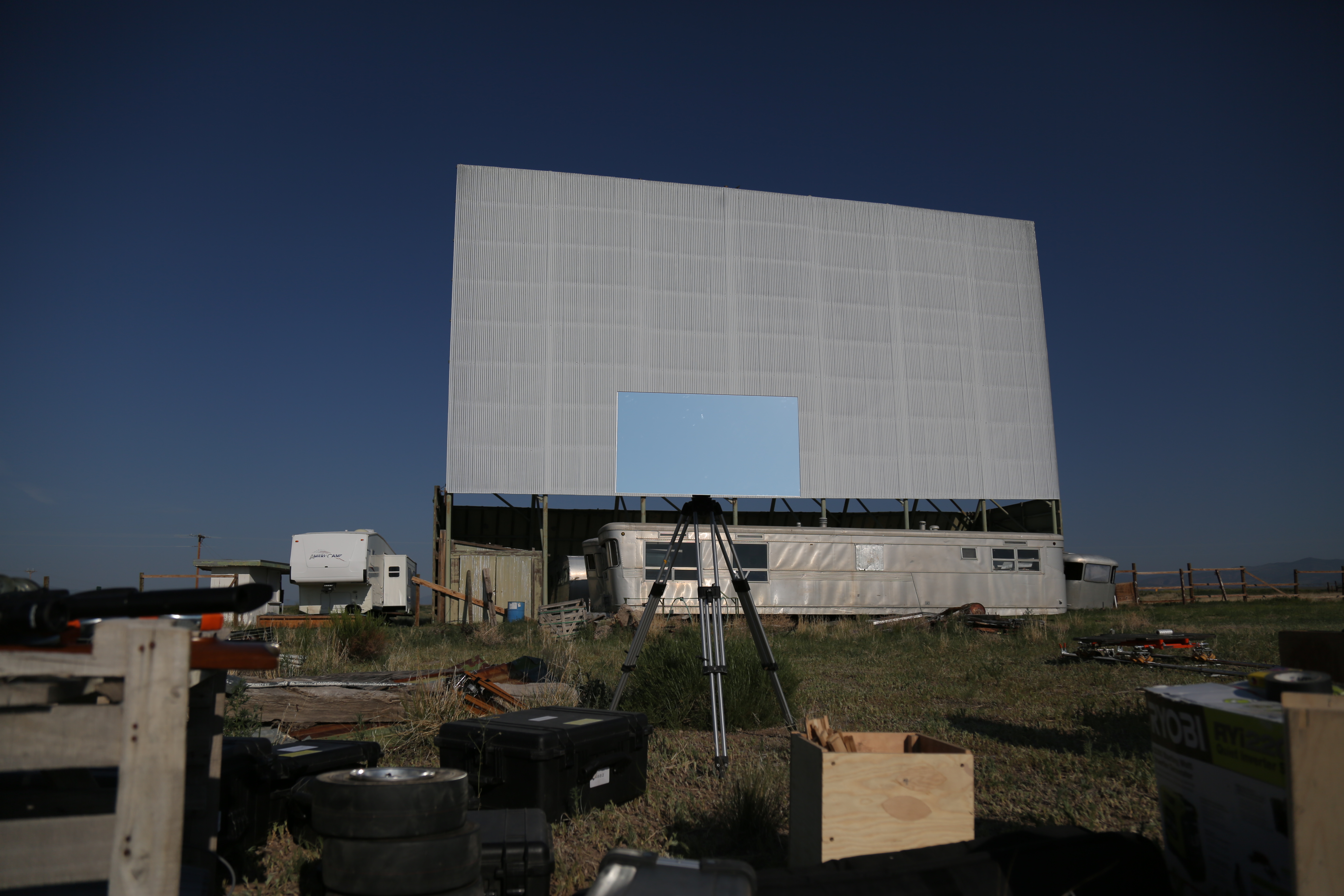
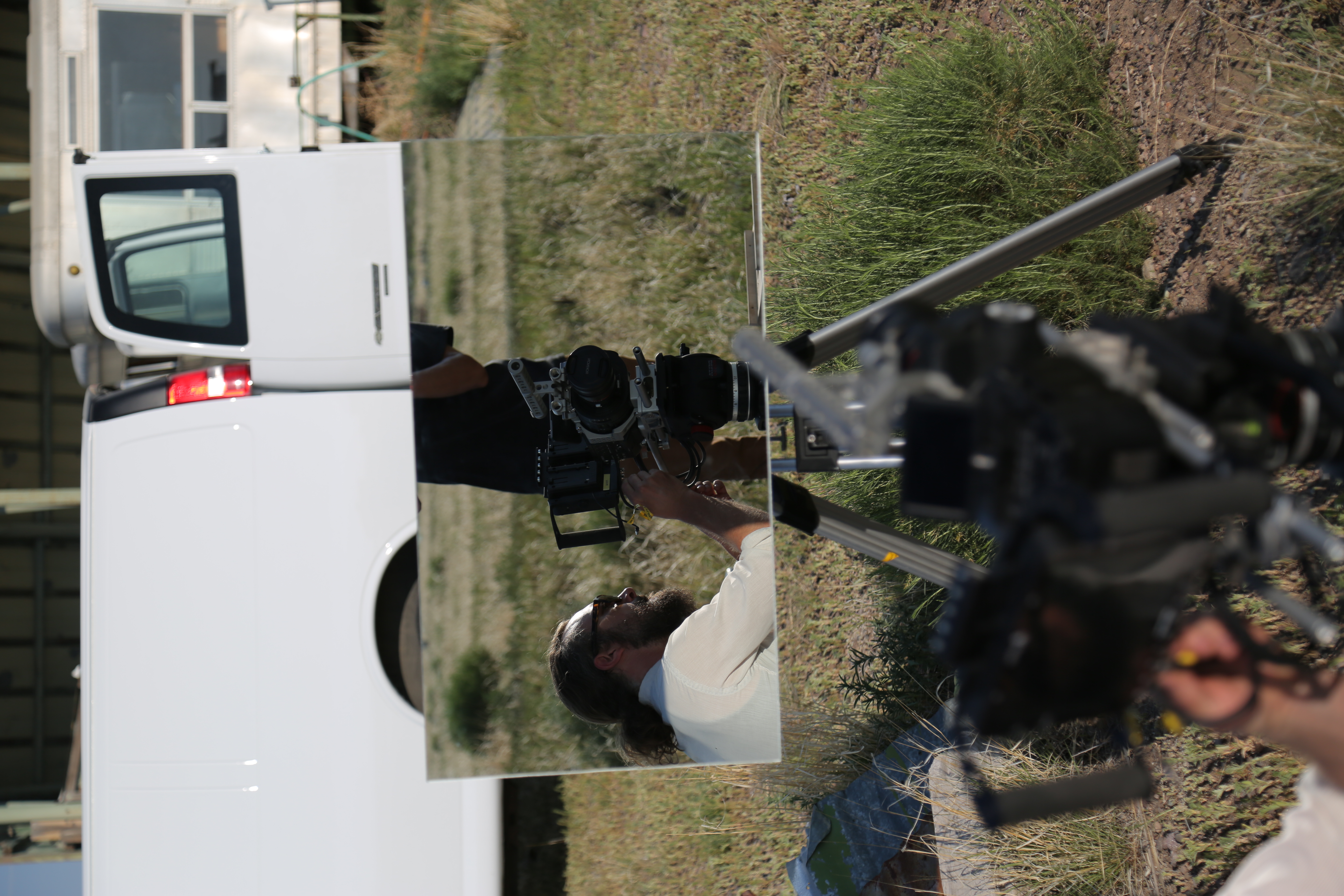
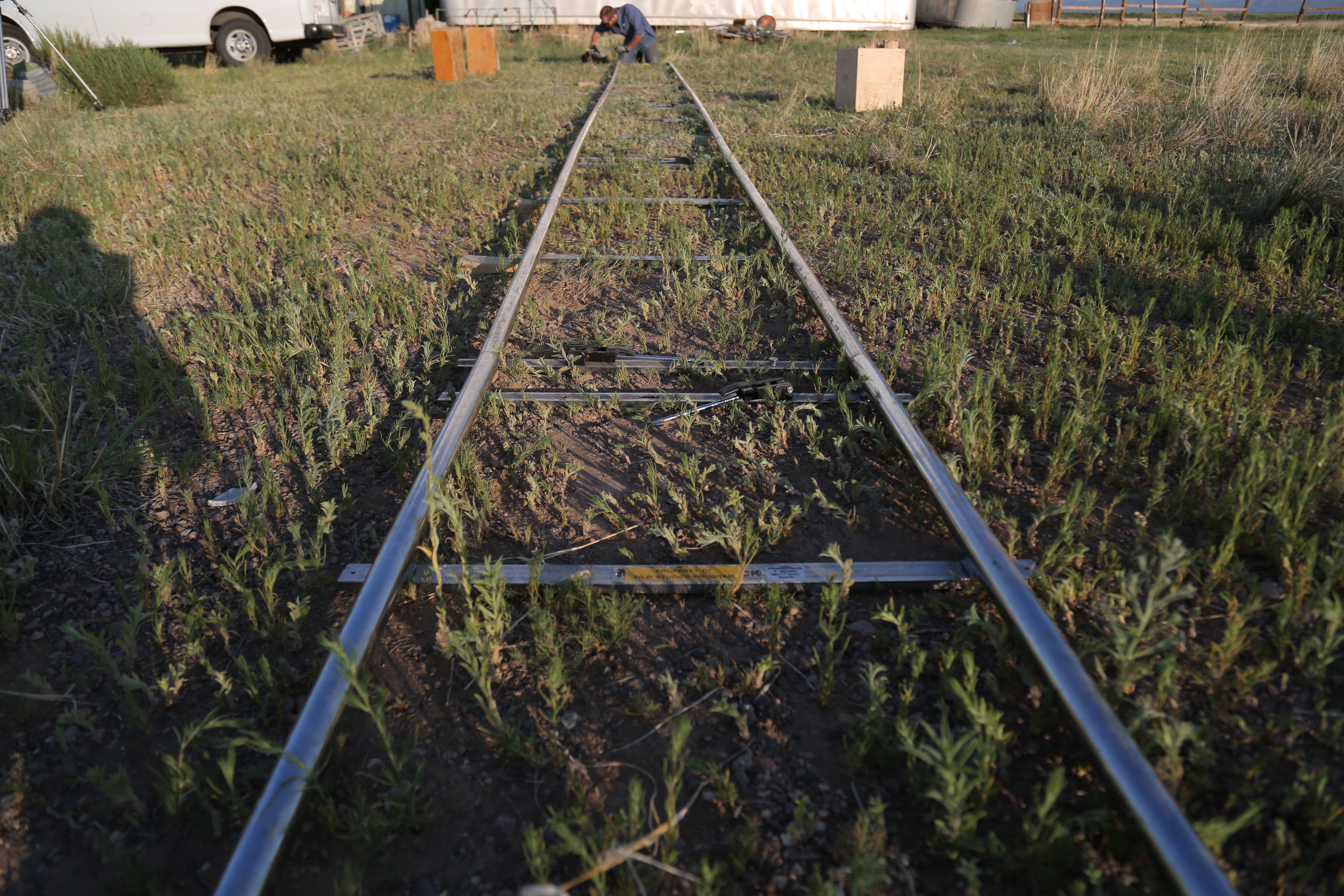
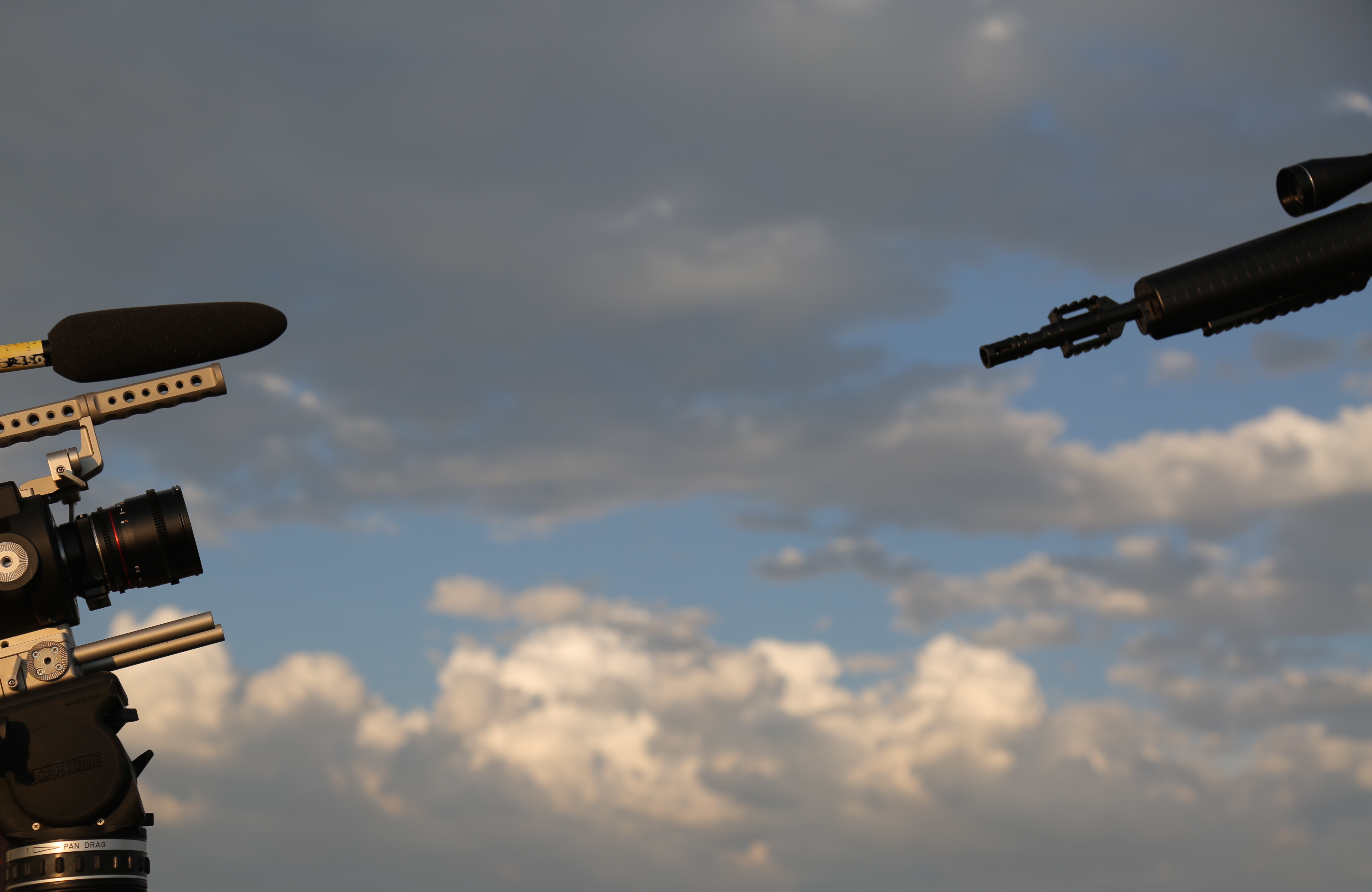
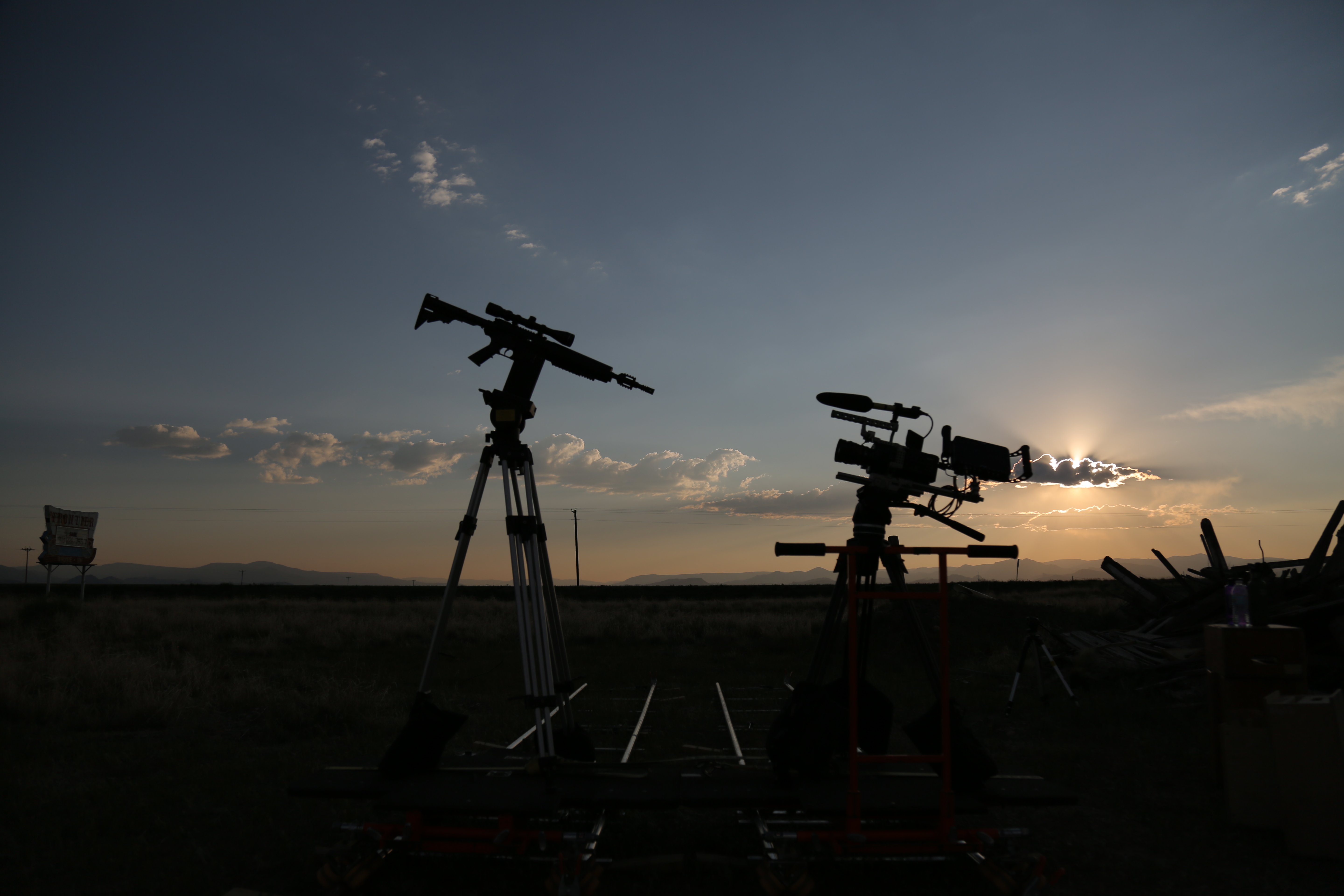
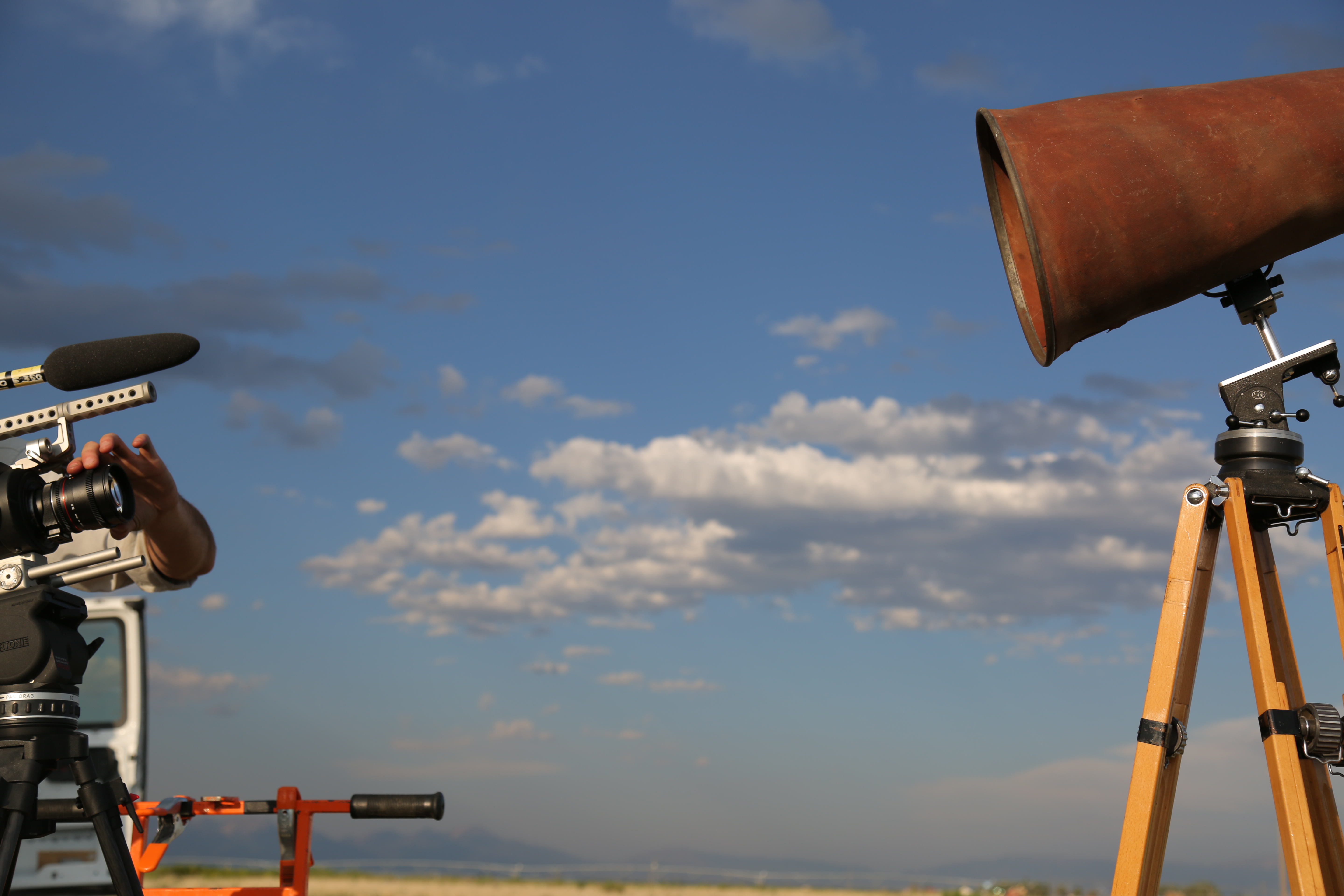
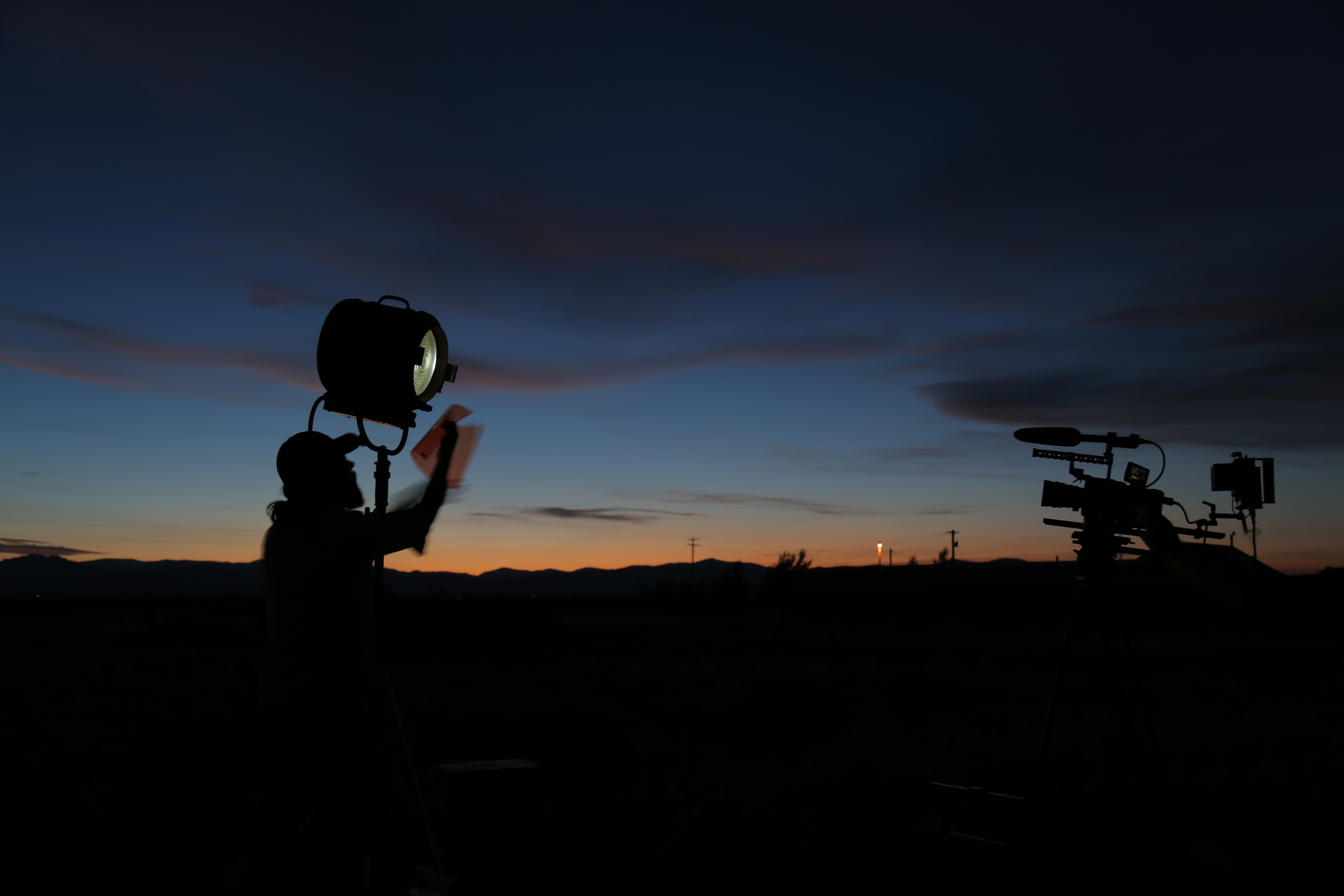
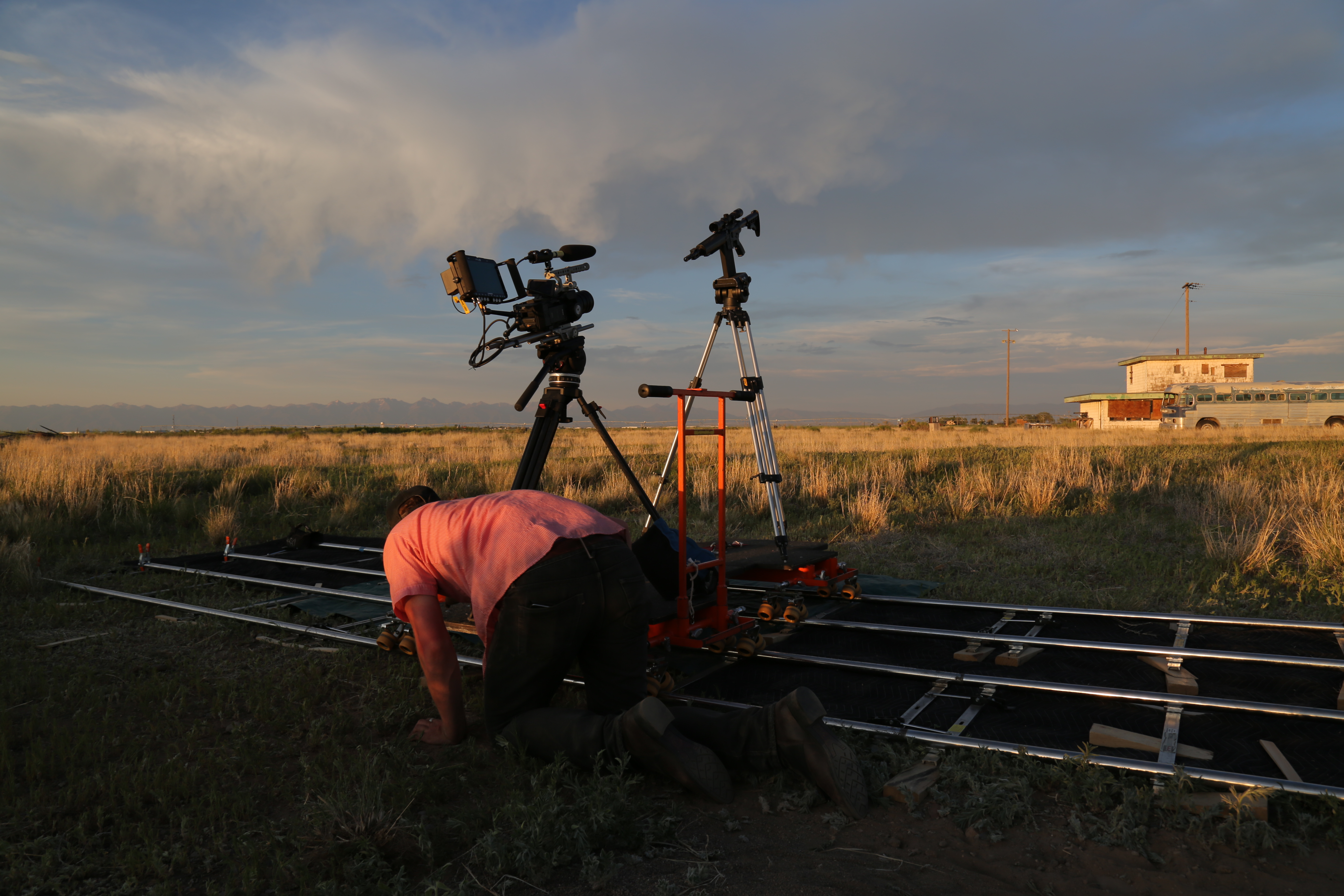
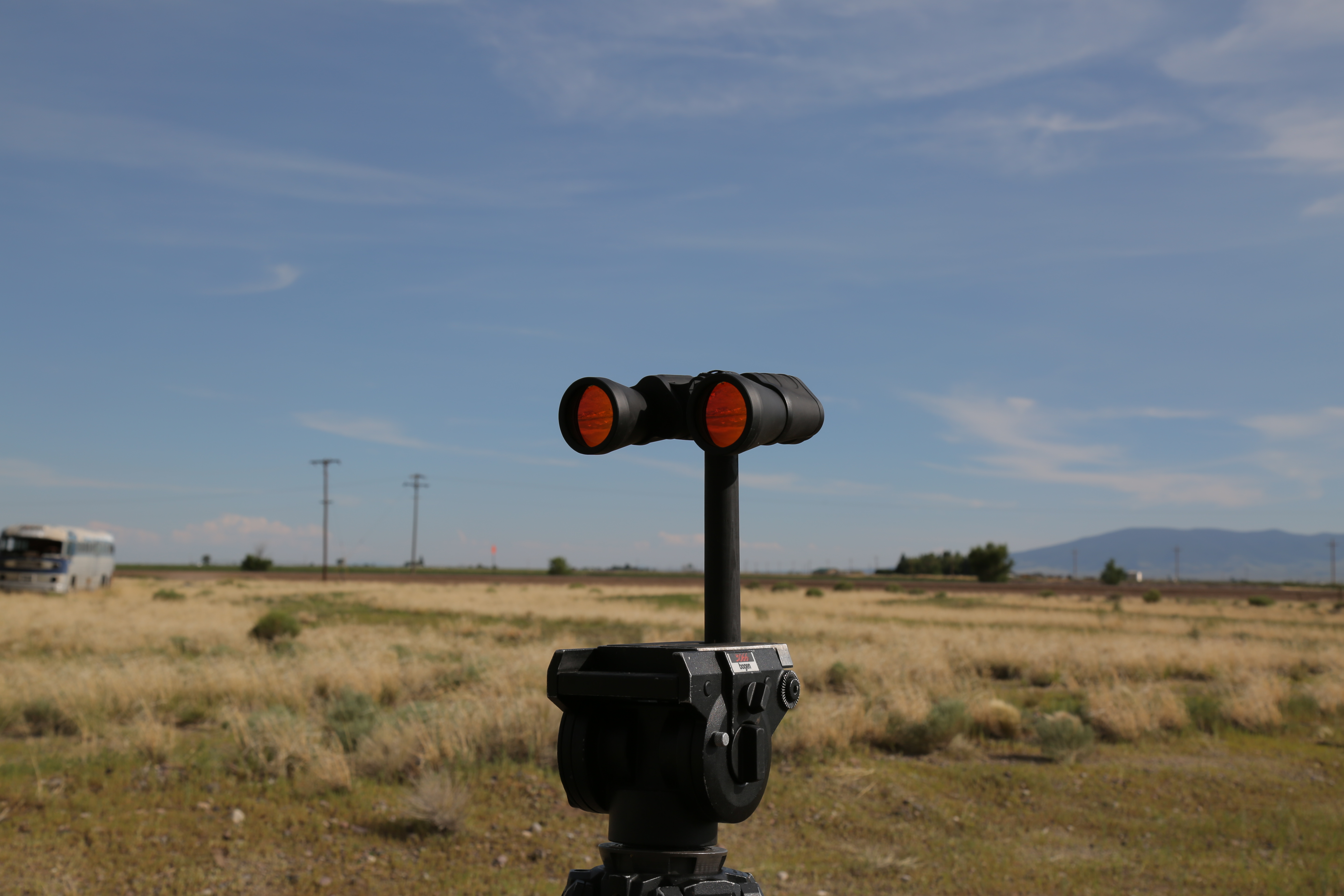
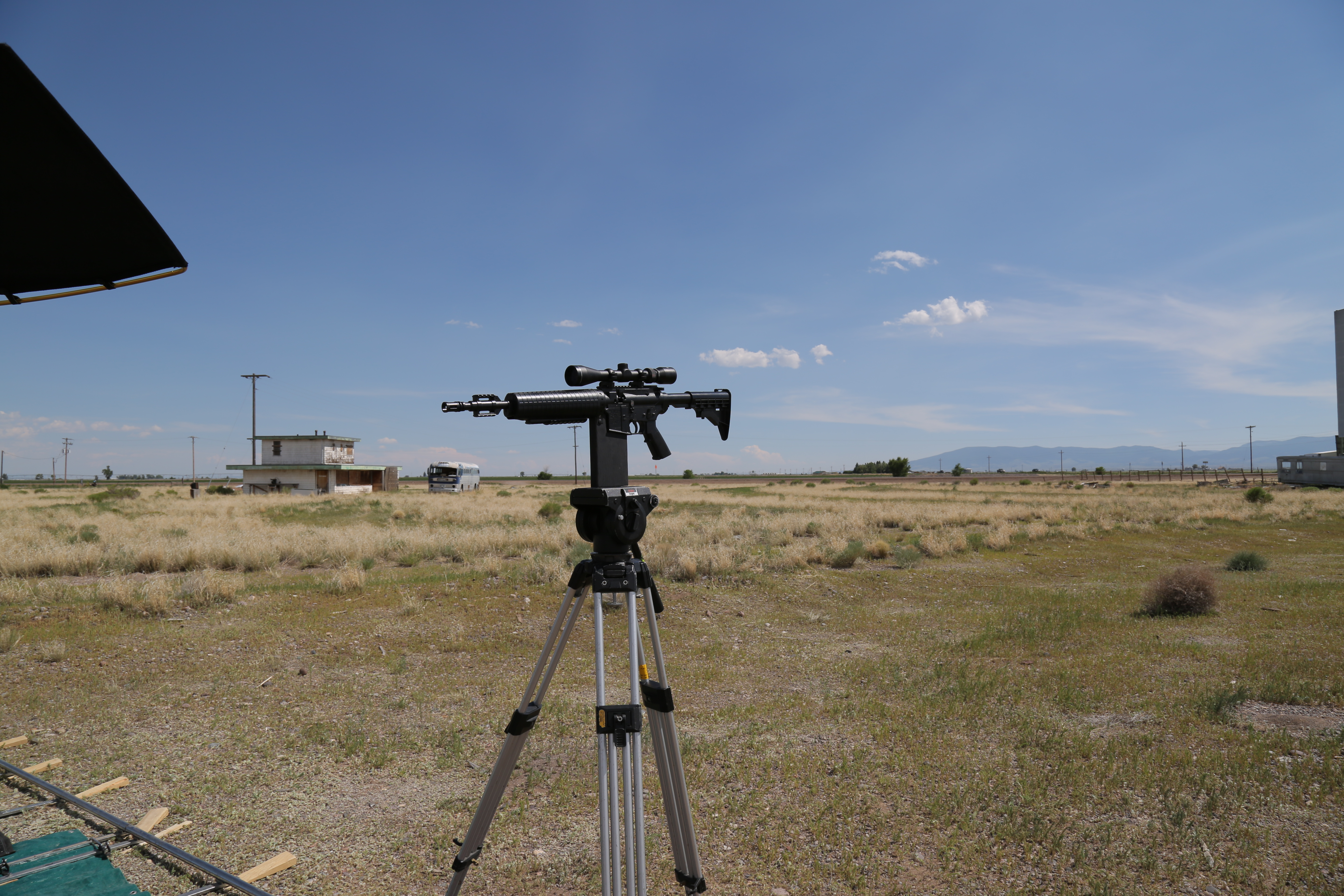
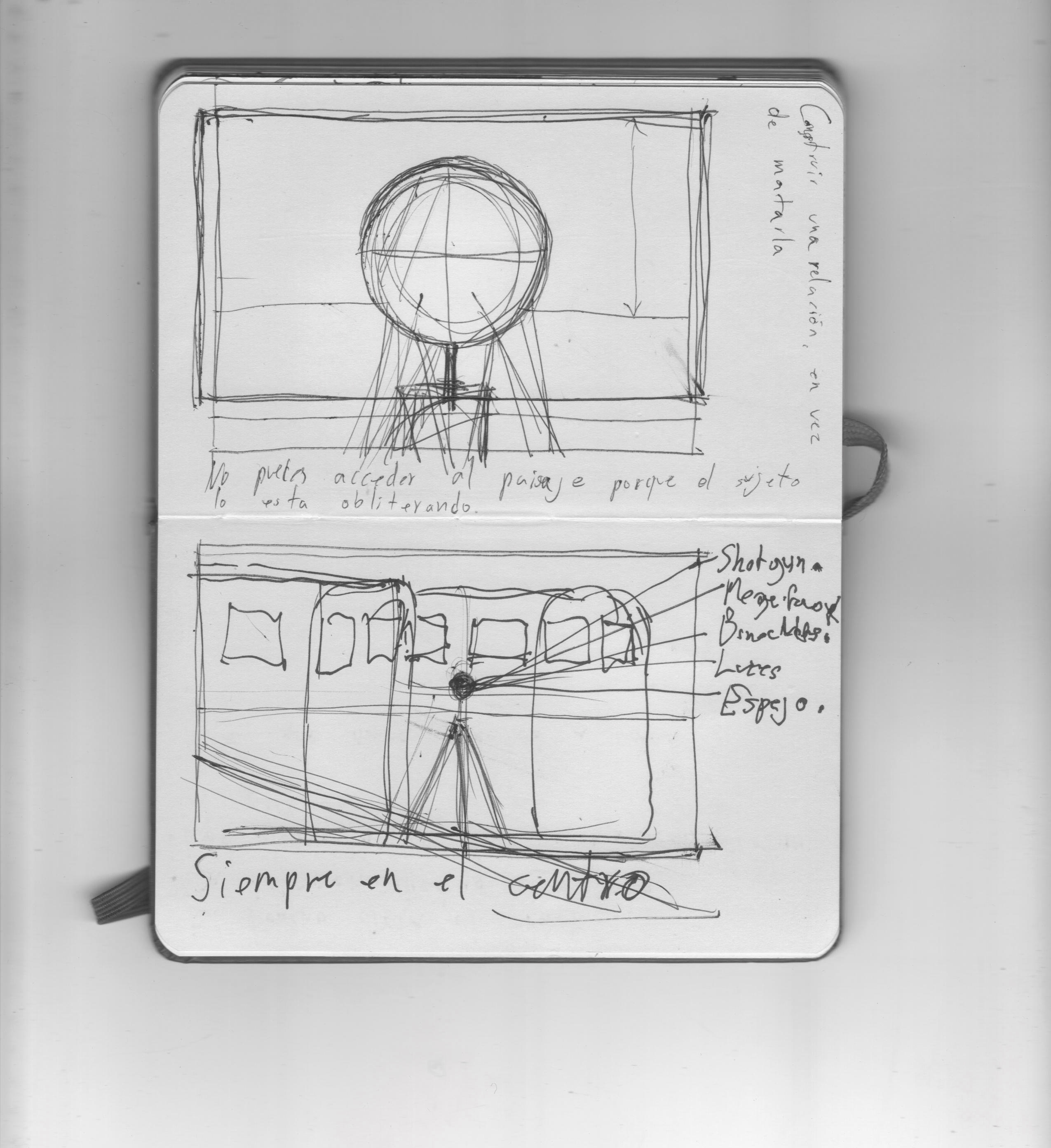
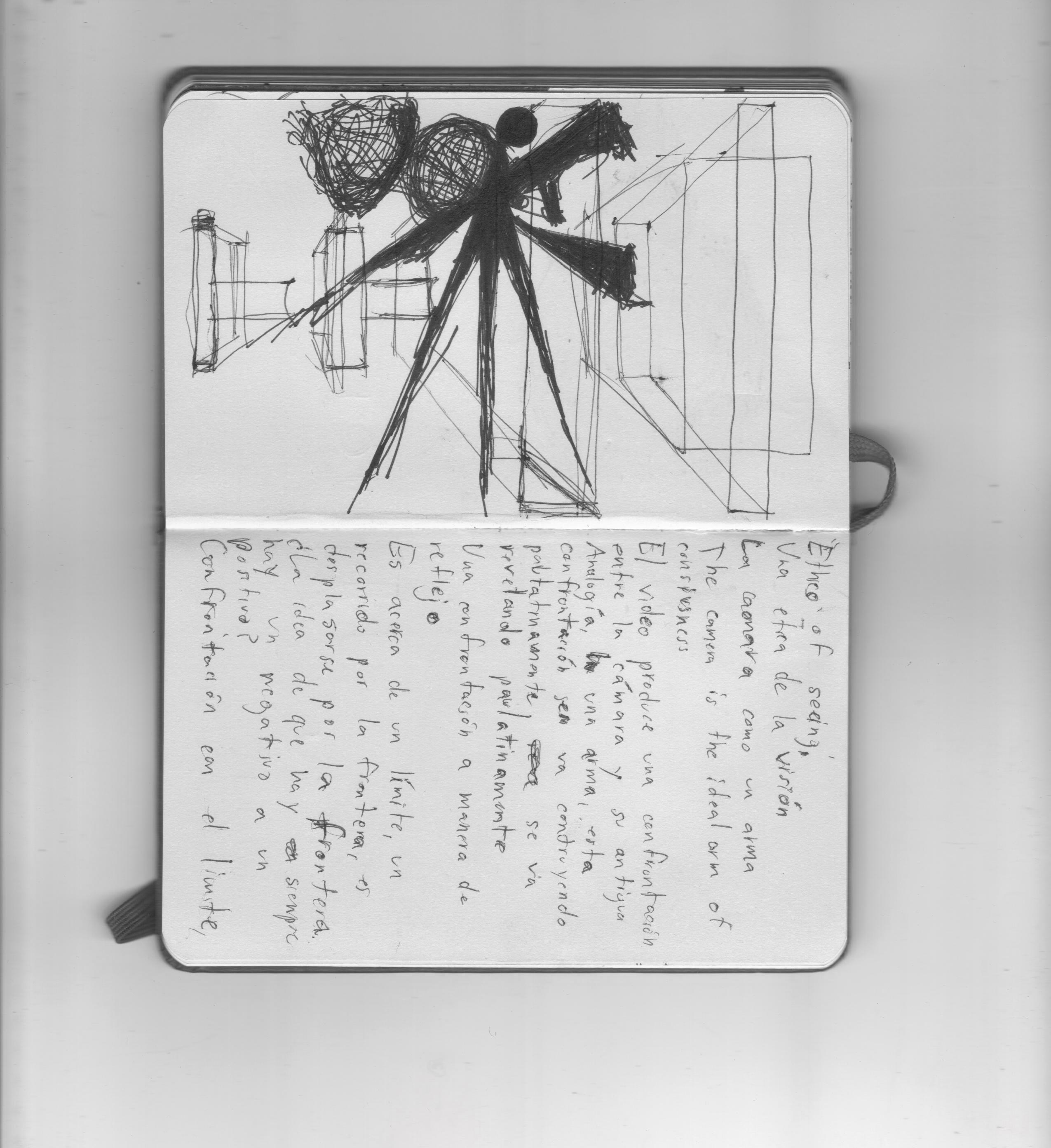
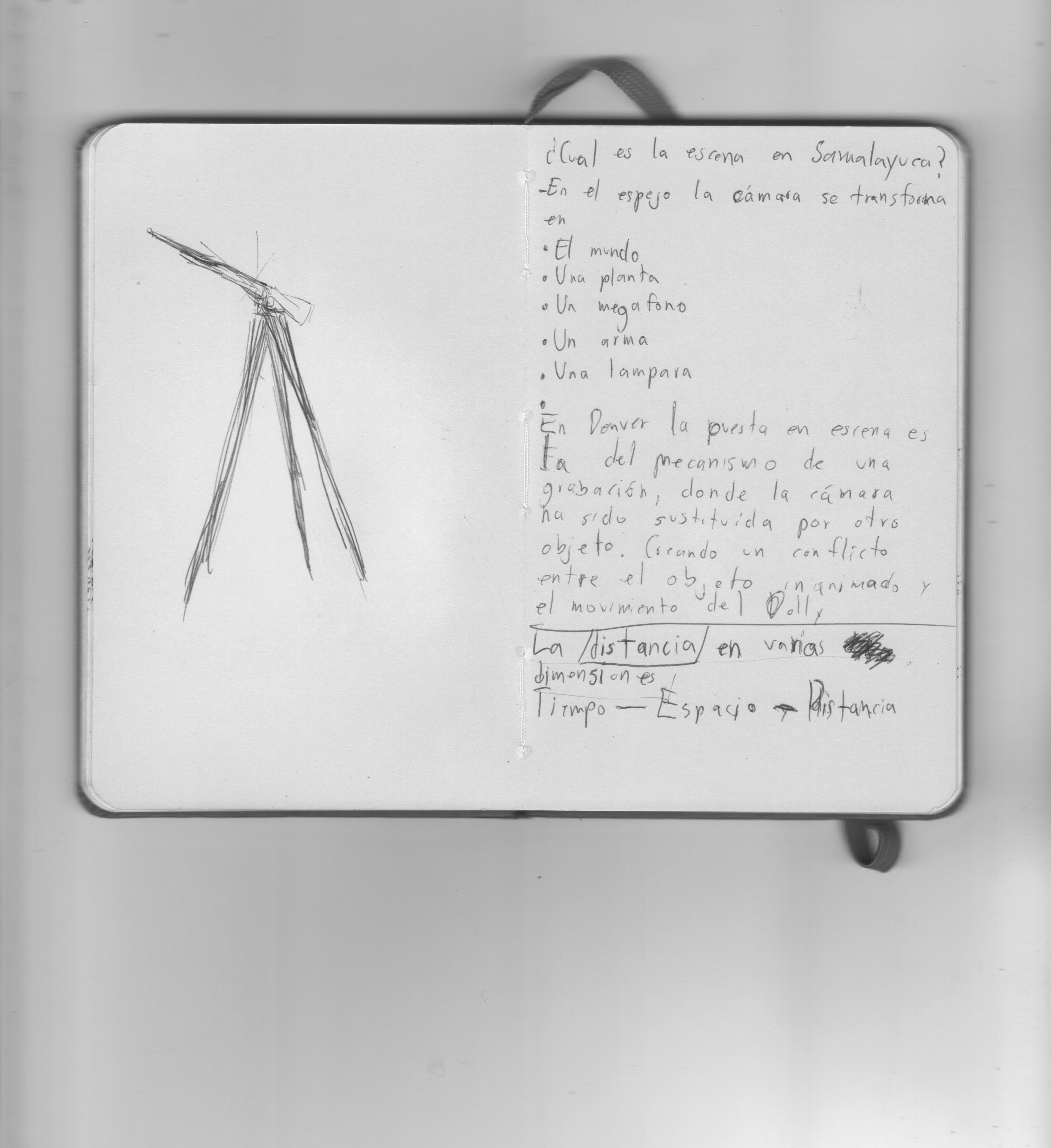
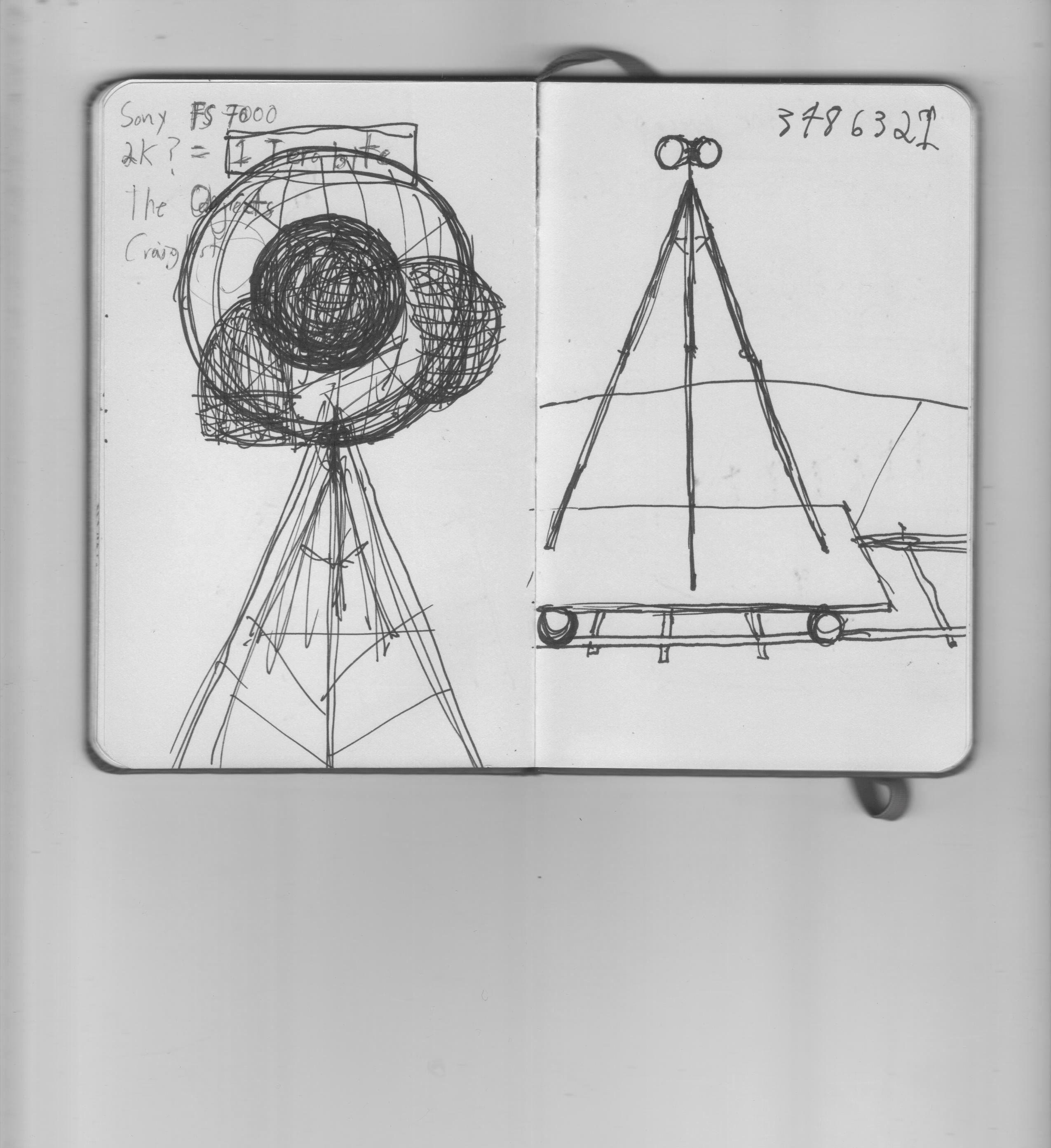
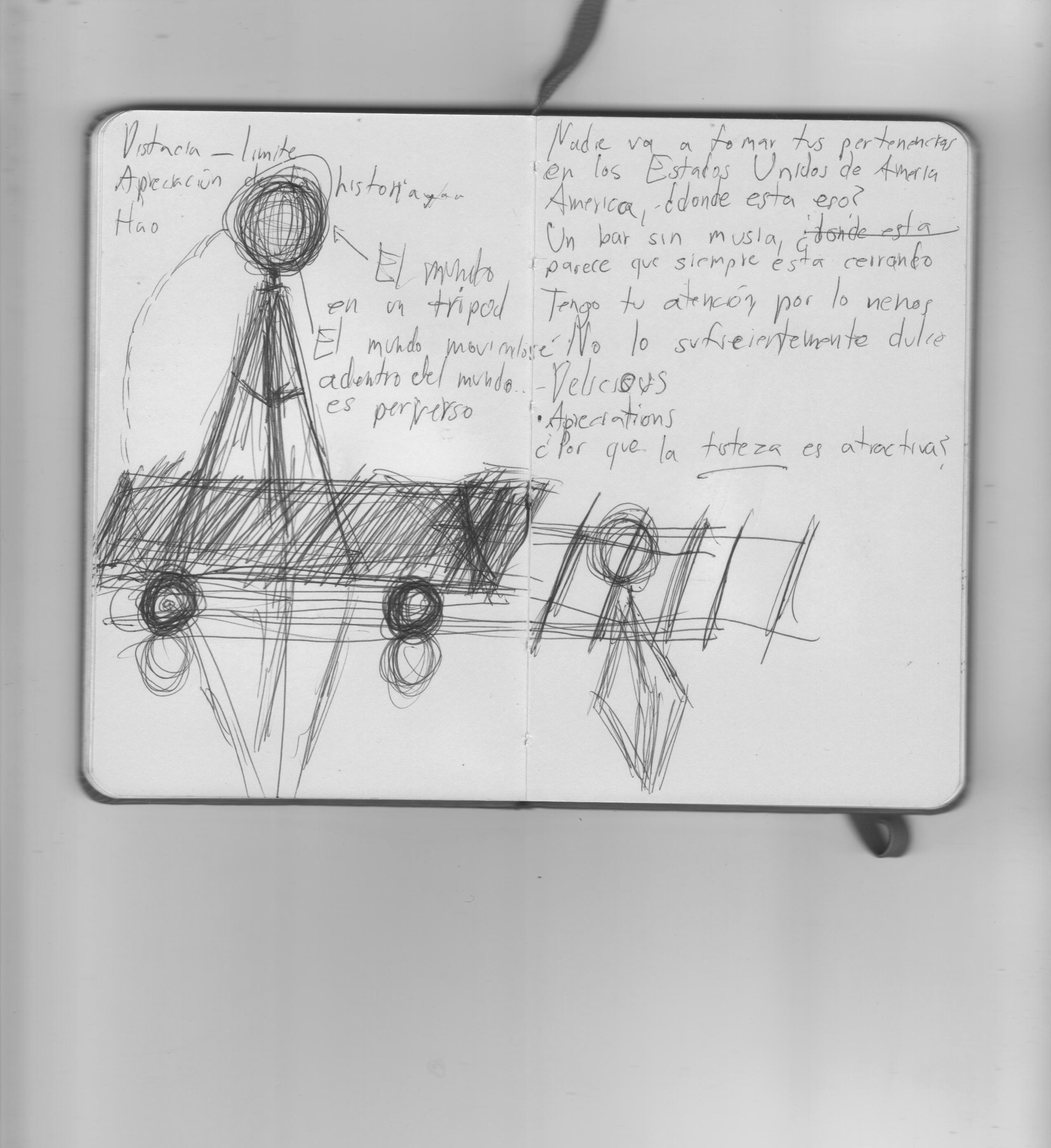
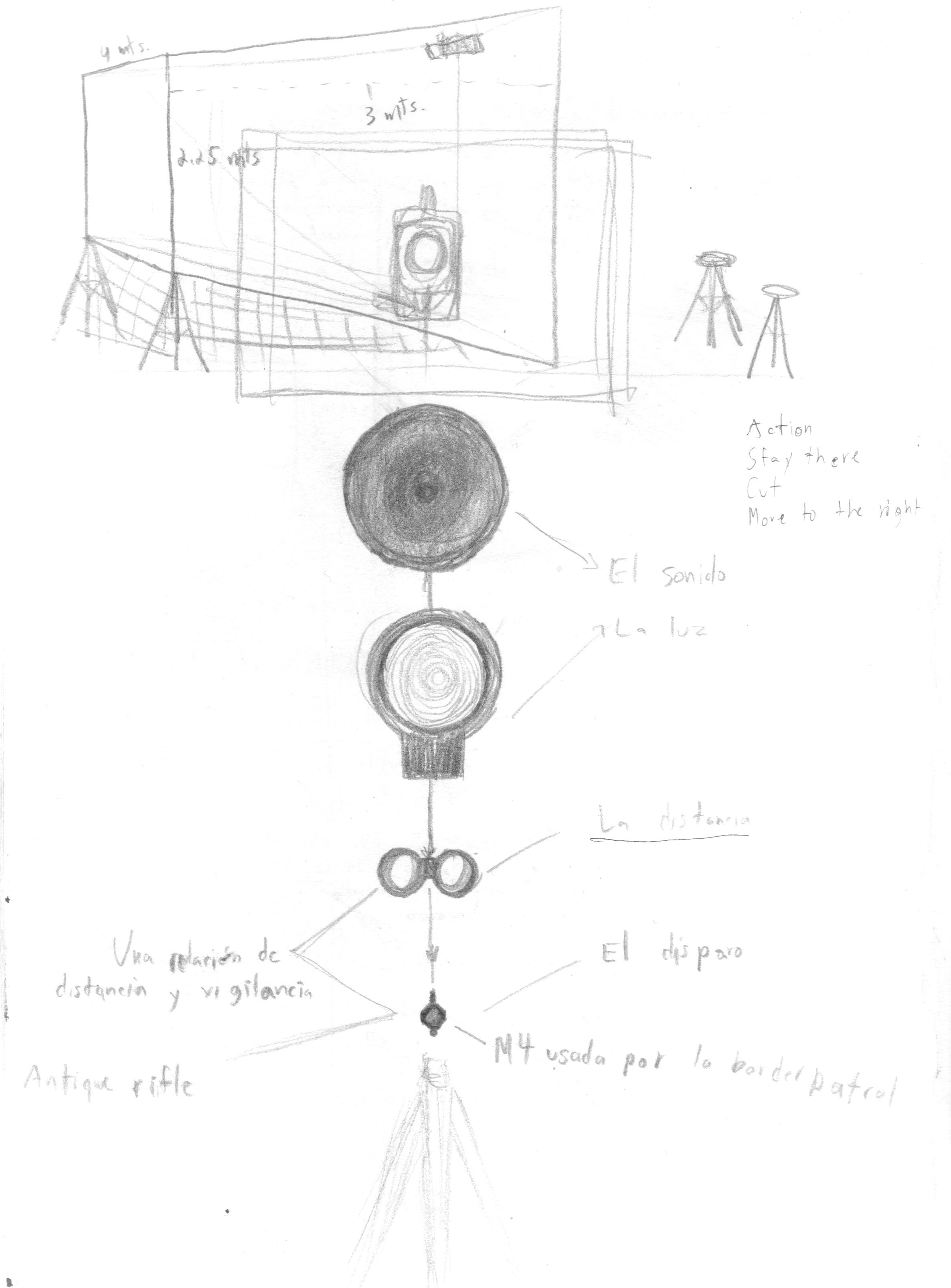
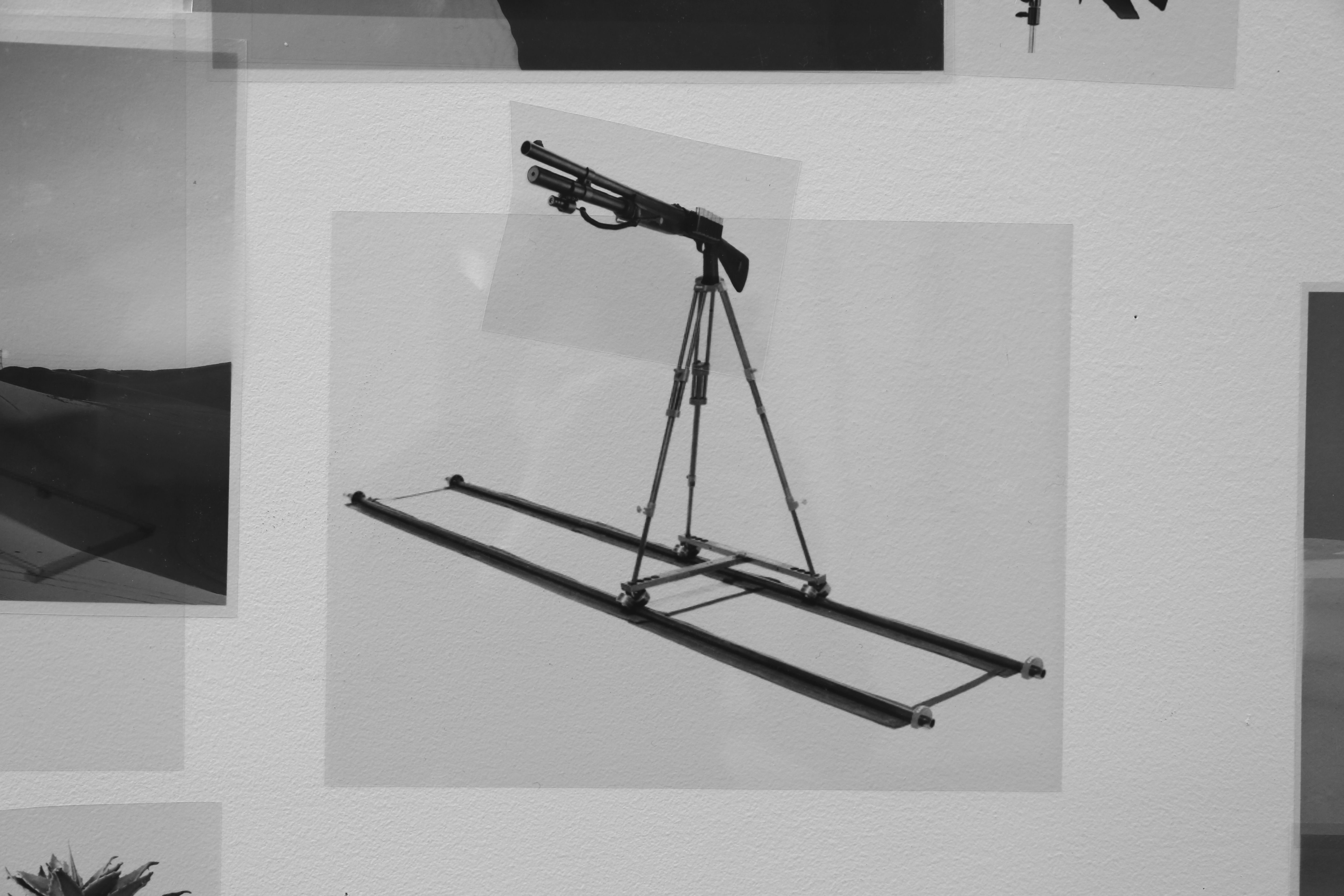
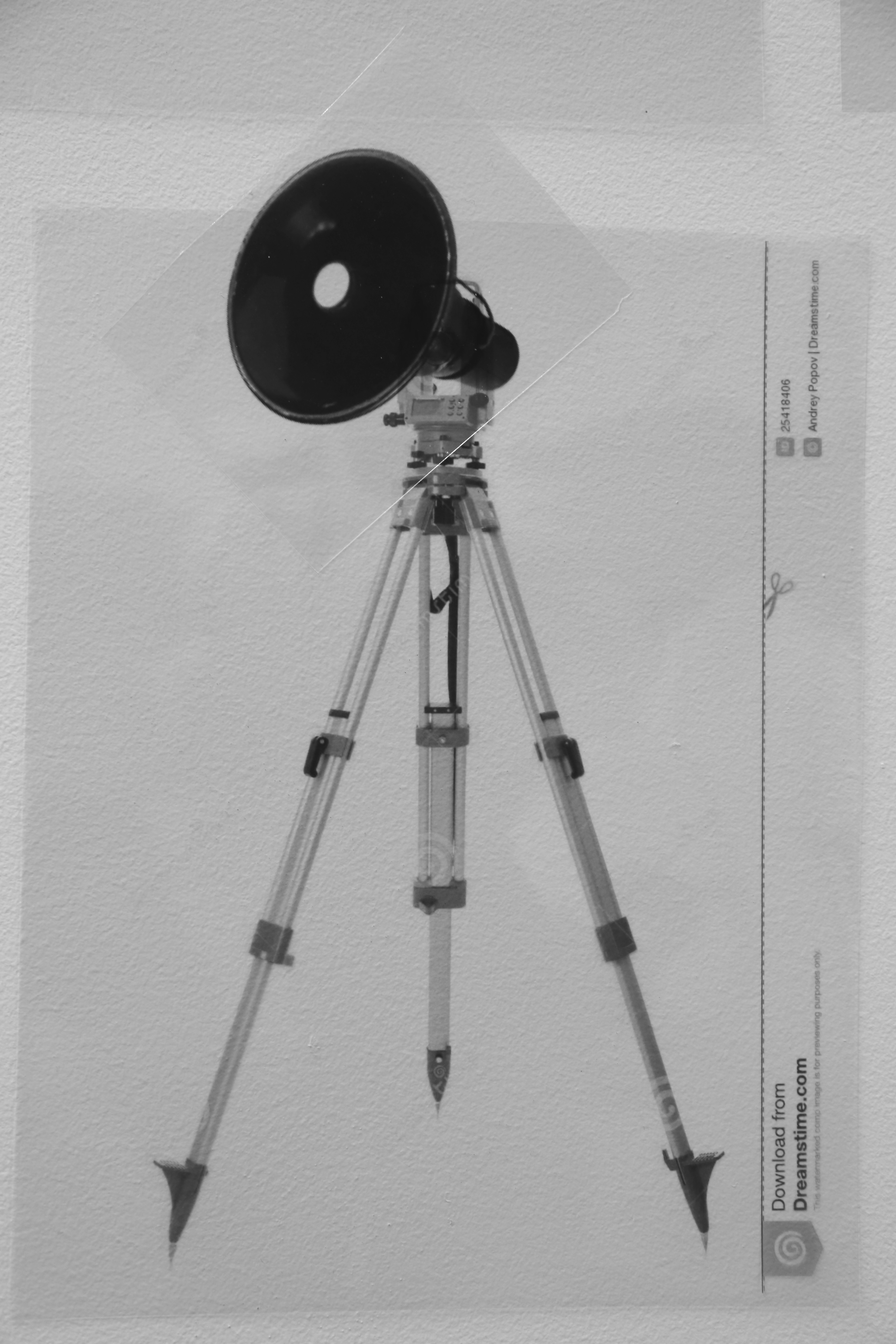
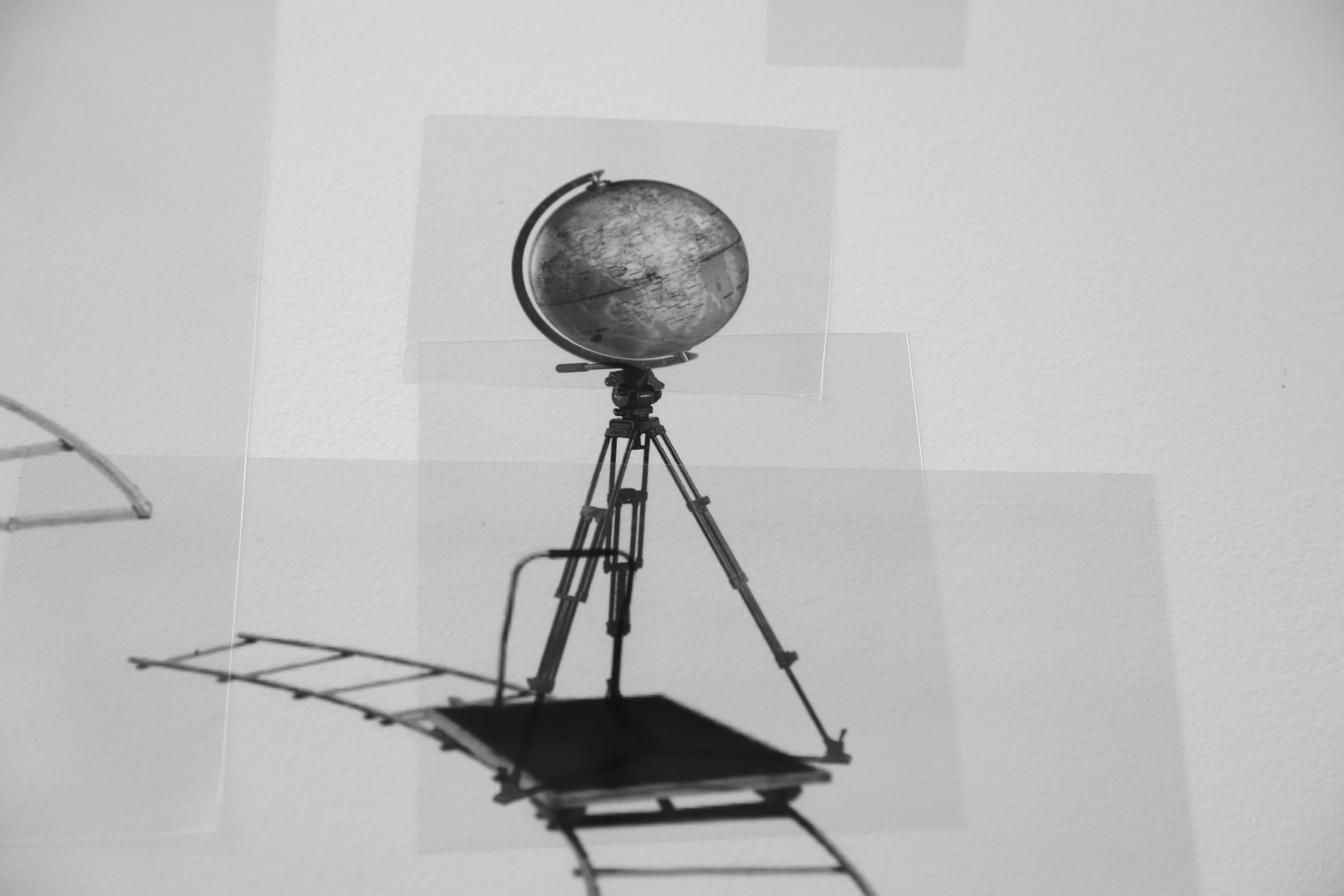
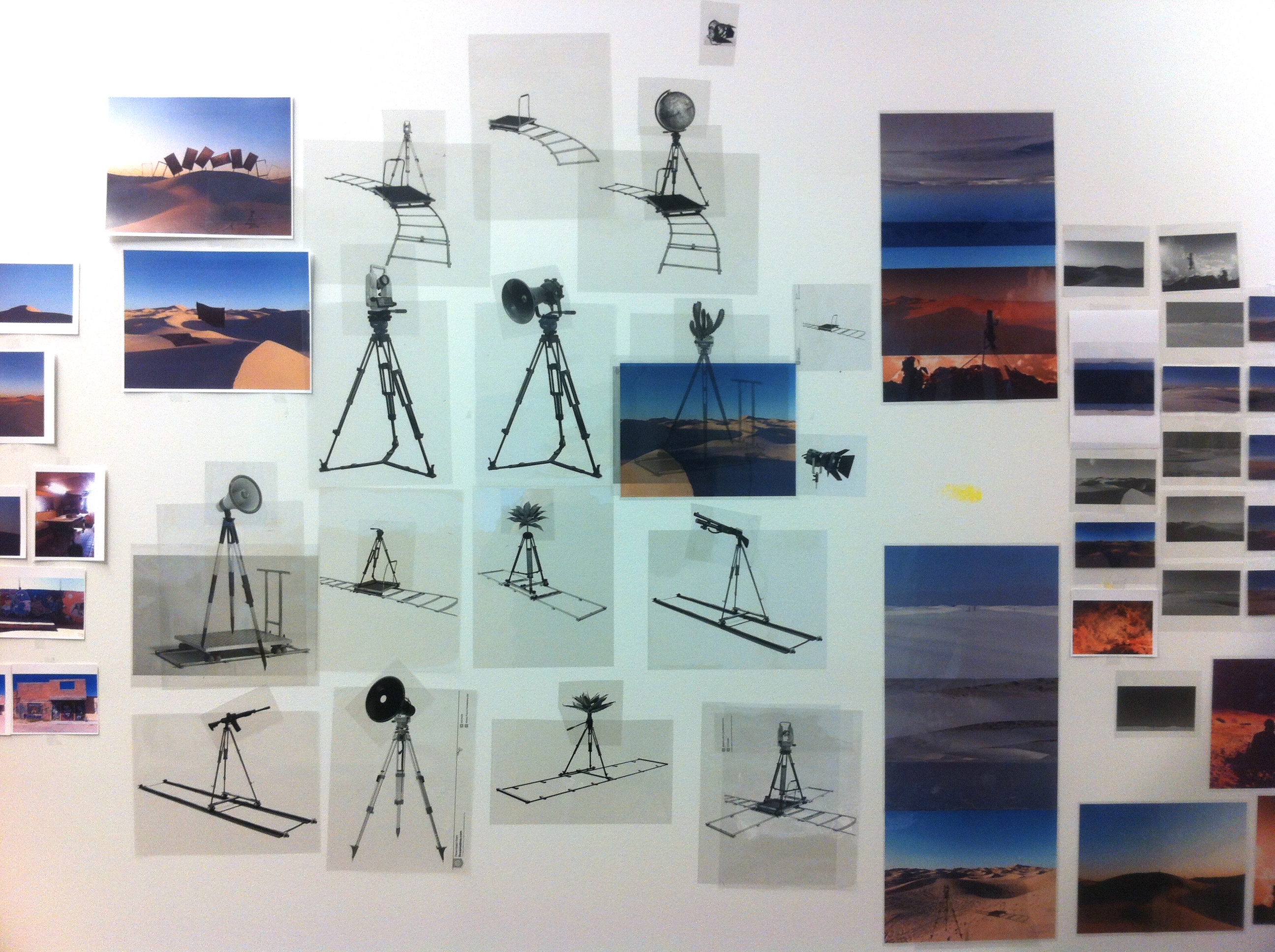
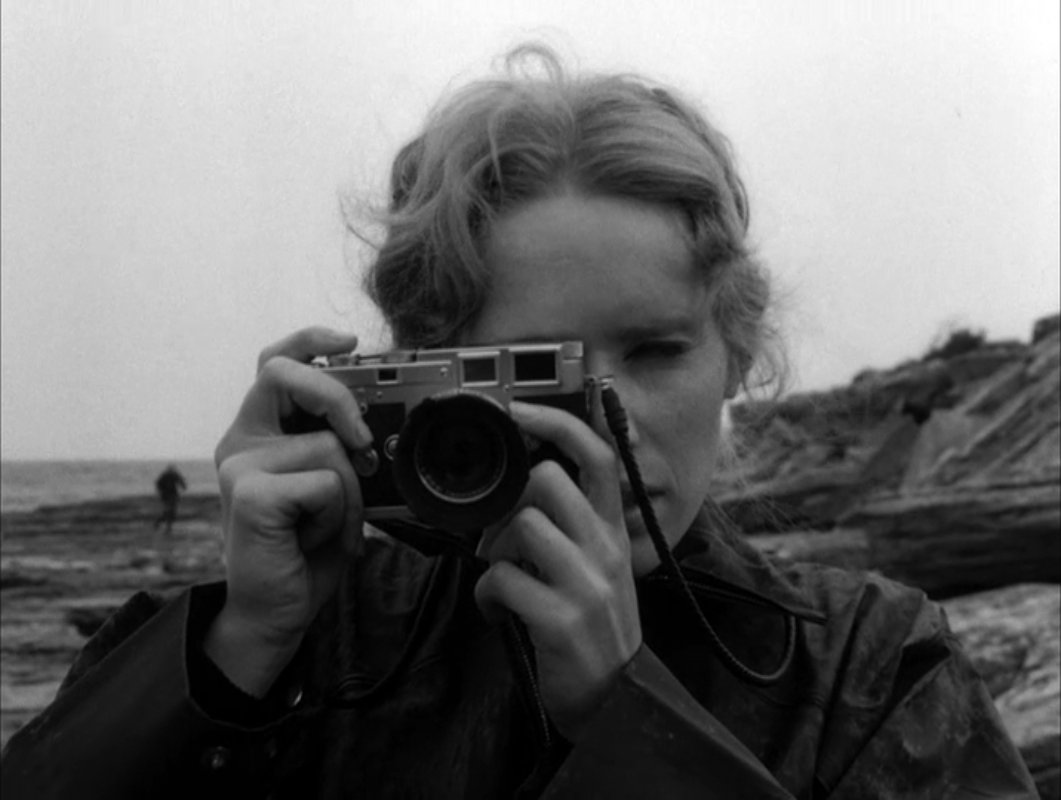

The video produces a confrontation between the camera and its old analogy, a weapon. This confrontation is being built gradually, is gradually revealed. It is a confrontation as a reflection. The idea that there is always a negative to a positive. It is a border as well, a journey through the frontier, a move along the frontier. A confrontation with the limit.
Daniel Monroy Cuevas in a statement to PLATFORM:VB (August 2017)
New Frontier, 2015 | Video
Daniel Monroy Cuevas
Shot at an abandoned drive-in movie theater in Colorado’s historically significant San Luis Valley, Monroy’s new video installation describes a series of five obstructions encountered in a changing landscape—a vast agricultural expanse that once fell along the border between the US and Mexico. These obstructions arrive in the form of paired objects—one old, one new—mounted atop a tripod. Monroy’s gracefully choreographed camera syncs to each object like a captured satellite. But one kind of tracking shot becomes another, and the parallel images of the five objects (megaphones, binoculars, spotlights, mirrors, and rifles) form a historical link in which the tools of cinema are also tools of surveillance. Changing distances and light become devices for both revelation and mystery, as these stand-ins for the cinematic eye become the subjects of intrigue—characters gliding in and out of focus within the picture. Blending the sublime and the ominous, Monroy points at the parallels between cinema’s romanticism and the impossibility of fixing a permanent frame of reference, whether the fiction on screen or the border dividing countries.
Statament of Carla Herrera-Prats e Adam Gildar