Neo-andina #52, #59, #64, #102, #151, #208
2016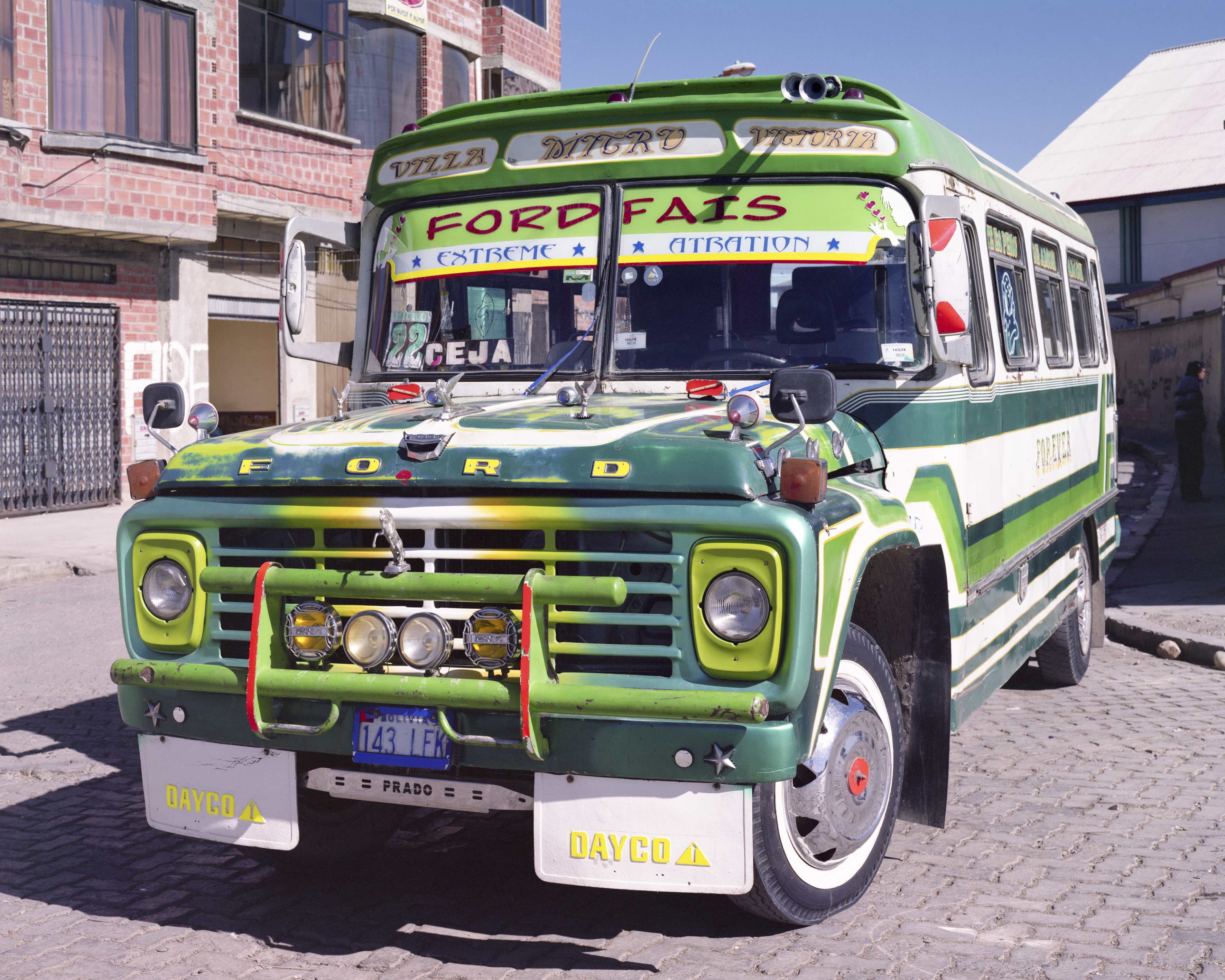
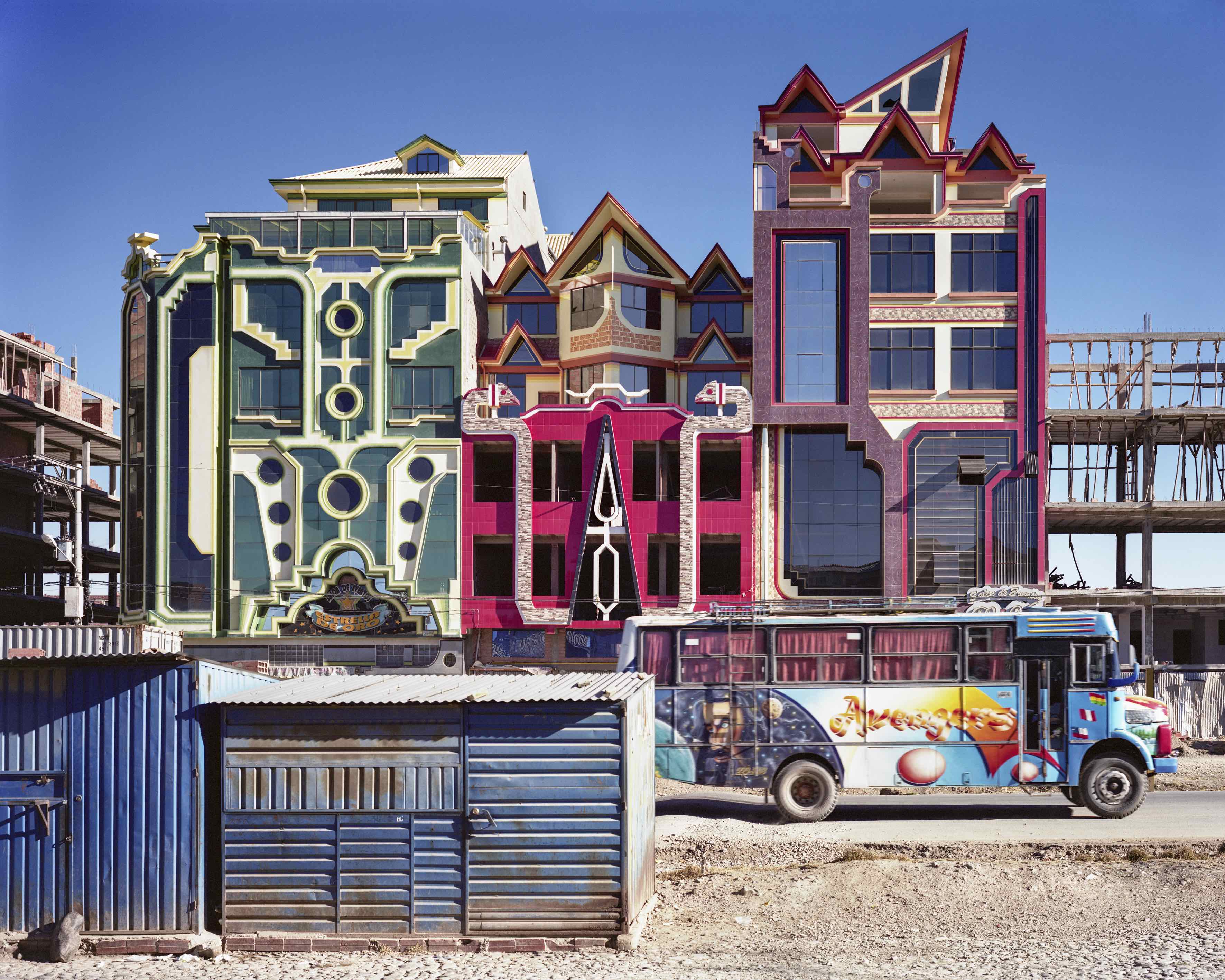
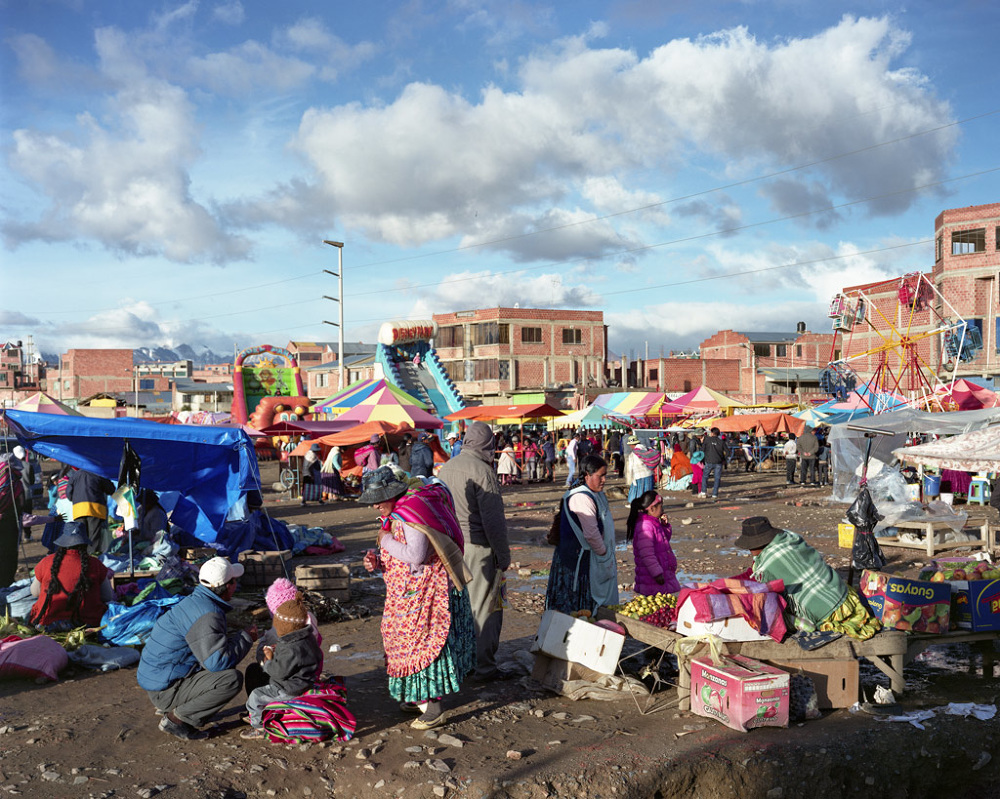
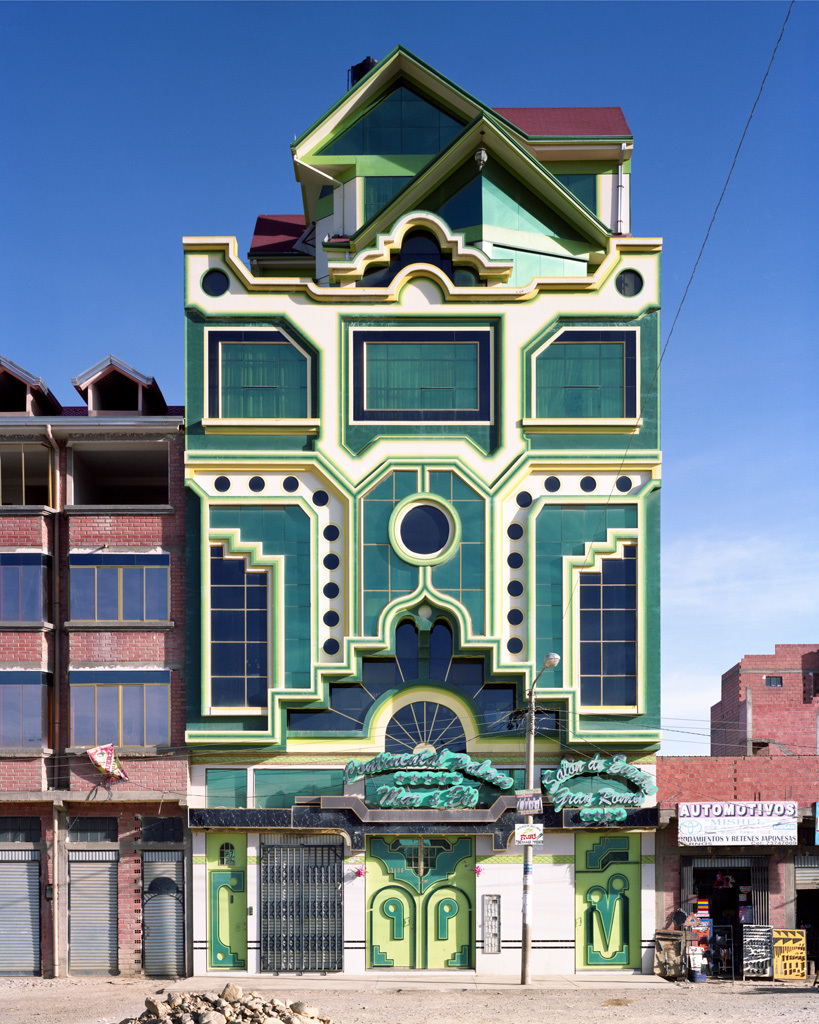
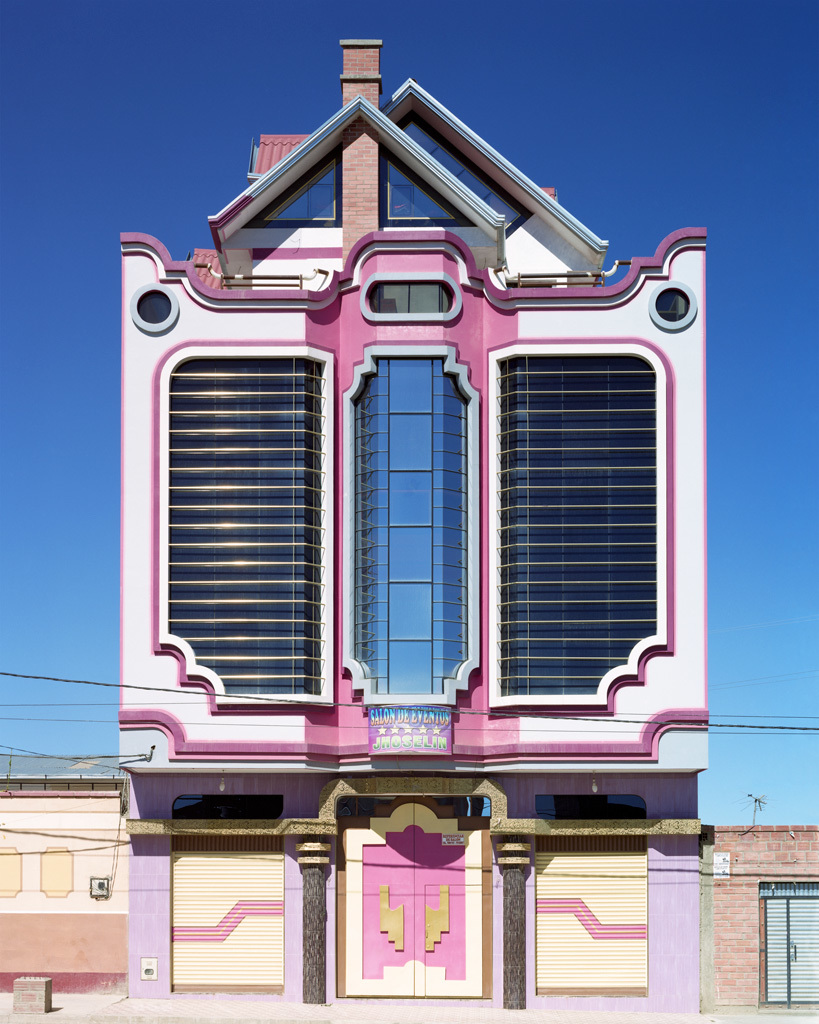
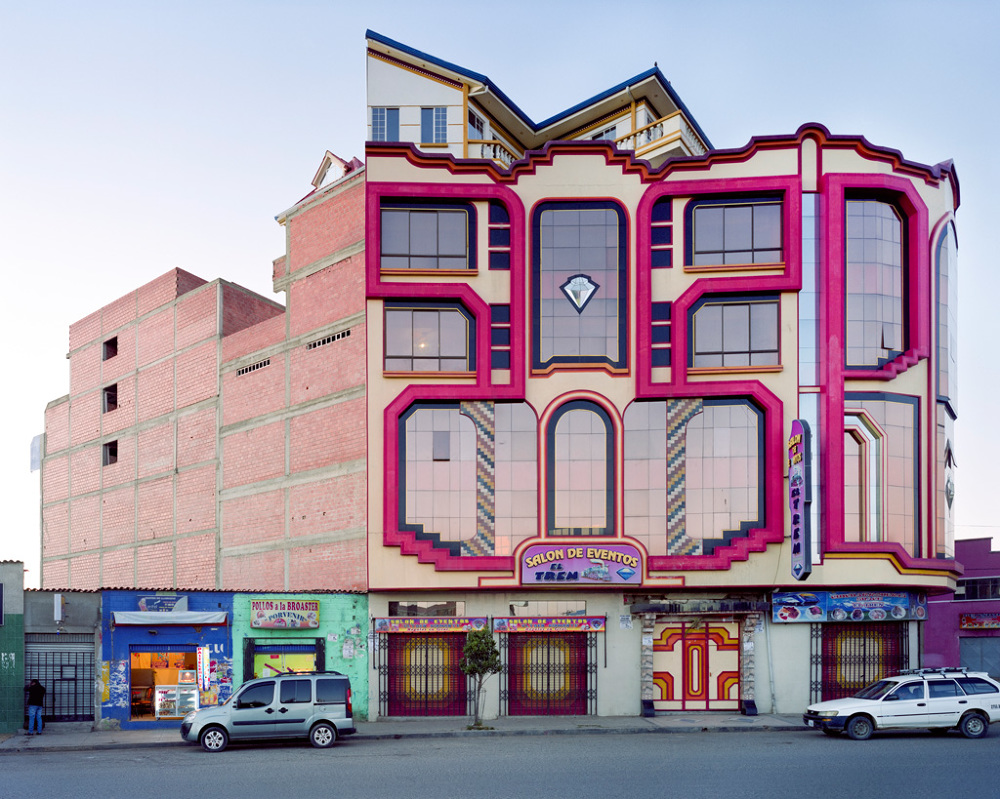
I came across this architectural phenomenon in El Alto browsing the Internet in January 2015. I found articles on the topic on the websites of international media outlets, but at the time I hadn’t found any articles in the Brazilian media. The news I found doesn’t explain where the architecture is located in the city. Furthermore, in 2015, Google’s Street View of El Alto was not available. Therefore, I went to visit the city with little information and no local acquaintances. Strolling around the city was the only and the best way to know it and find the architecture.
I took part in the 18th Festival with the piece Escultura do Inconsciente [Sculpture of the Unconscious], which addresses the transformation of the urban space of a human society, in the case, São Paulo. Neo-andina is in line with my ongoing interest in this type of transformation. The major difference I identify in respect to the previous project is that the event-hall architecture in El Alto is designed to be seen and to stand out. Thus the architecture is, in a way, a visual art piece. Since my intention was not to produce a set of photographic reproductions of an artistic expression, I looked for diverse elements to include in the project and, together, create an original expression. Although it is an occurrence of a neighbor country, the architectural phenomenon in El Alto is not widely known by the Brazilian society. I hope to be able to introduce it to a contemporary culture of South America through my regard. This was my first project produced outside Brazil. The national border does not restrict my territory of production. I want to set my territory following my own interest. Photography is the tool that encourages me to cross the border.
As a foreigner who did not speak that good of a Portuguese when I started out my life in Brazil, photography interested me as a visual communication that enabled me to talk to the Brazilian society. I don’t see my photographic approach as being narrative. I want to express myself visually without following the narrative grammar, and I believe photography is the best tool for this. To approach the culture of the other, my concern was to not observe it through my own standards and values. I tried to understand and respect the values of the local people.
Tatewaki Nio in a statement to PLATFORM:VB (June 2017)
Neo-andina #52, #59, #64, #102, #151, #208, from the series Neo-andina, 2016 | Photography
Tatewaki Nio