Myxomatosis
2008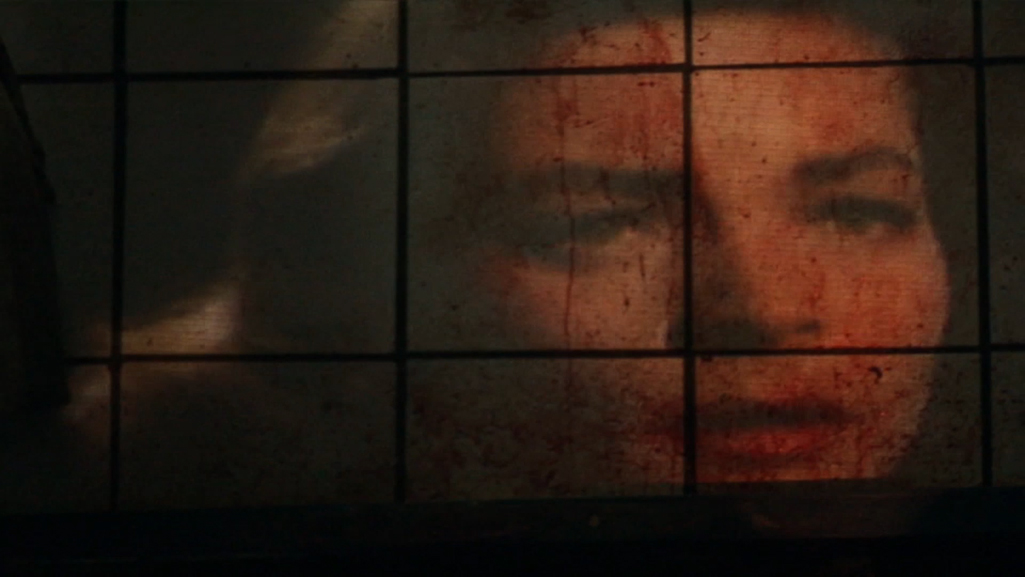
Video still
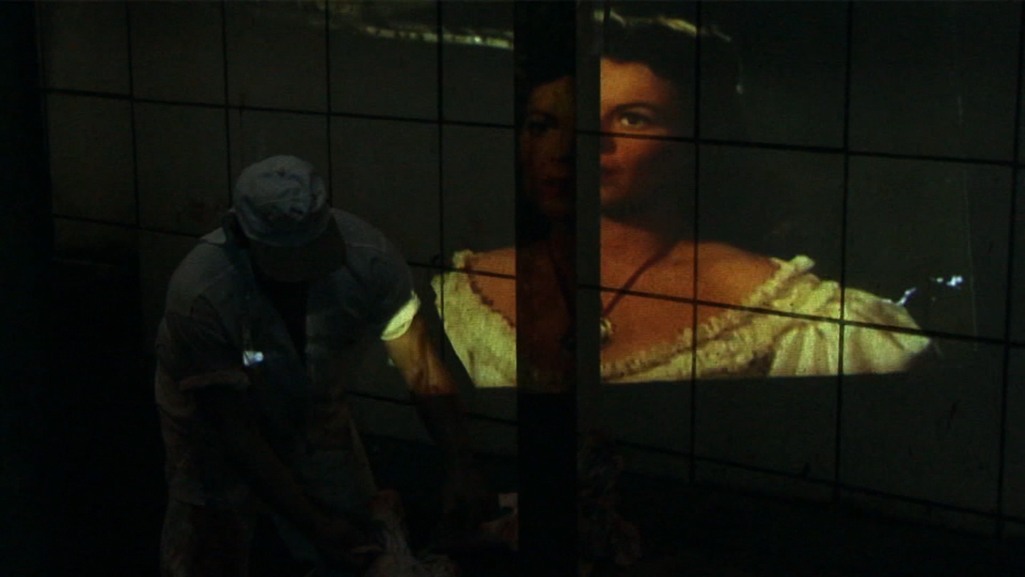
Video still
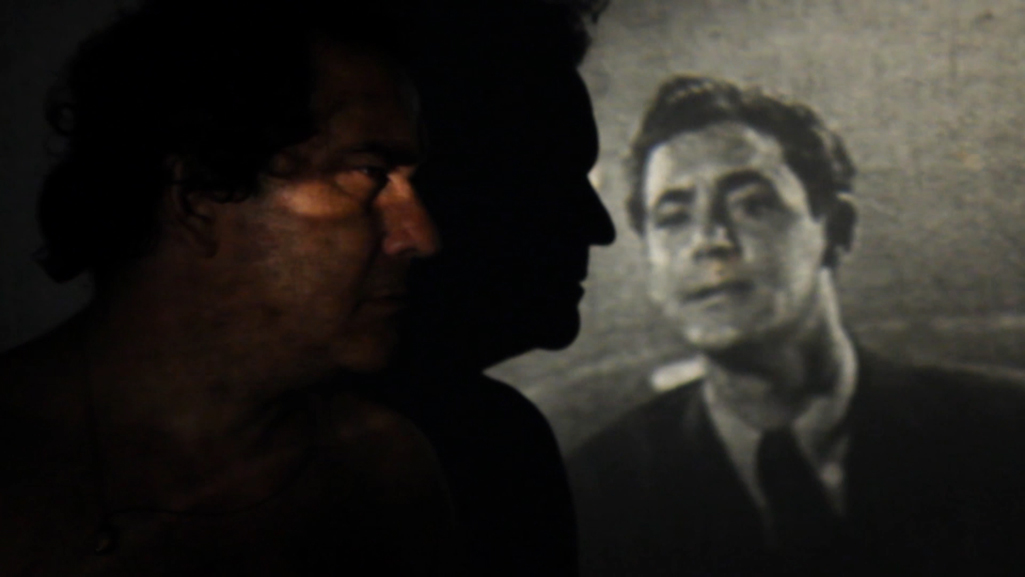
Video still
"I started my career in art with photography, combining it with other formal genres such as text, music, installation, film. From the beginning, I have focused on the performative or experimental exploration of image.
In the 1990s, I inherited from my father a collection of over 30,000 frames of films, mostly from classical cinema. This archive constitutes an endless source of images from cinema memory, a pool of material from which to draw on for my experimentations. I have arranged this material into various configurations with the purpose of deprogramming the classical device and activating it for other possibilities of enjoyment. I wish to evidence the materiality of this material and open it up to reconfigurations articulated by the viewer’s imagination. I want to look into power and the magical, metaphysical aspects of image, emphasizing its rawness, without the blandness of Hollywood. I want to invite viewers to participate in the artwork’s mobility, to lose themselves in image as a form of renewal, as resistance against cliché images and the pre-established truths spouted by power.
The cinema I am developing attempts to problematize the statute of the archive. My intention is to deconstruct the intimate relationship it establishes with the past, out of a desire to experiment with ways of doing cinema, subverting the rules of presentation and representation of the real. I propose a critical interrogation on the conditions of perception, on the meaning of image and its reception, enabling new experiences and a new spatiality for cinematographic language, a return to corporality.
The main aesthetical foundation of my experiments is the art of editing, evidenced by reiteration in the use of certain frames and by the return or the modification of certain devices. By removing the frames, I set them free from the story and displace them into other contexts. The video Myxomatosis, in particular, is the one that best represents my quest for a cinema that is a dialogue of bodies, light and flesh.
I want to liberate, to give the images autonomy, to leave them be so they can find other places in which to rest or fly. In my research, there is a concern with valuing the gesture of the operator as opposed to that of the creator-author. It’s about an attitude of praising the loss of aura. I feel happy being a part of this moment where cinema steps out of Plato’s cave and begins to liberate itself from literature, sociology, and psychology to simply become an image towards Malevich’s white-on-white, or the emptiness of Samuel Beckett’s theater. I believe that, in order to reach the minimal in minimalism, one must shoot through the barracks of baroque. A photogram, a sound, a zoom, the deepest at the service of complete abstraction from detail, the highest degree of light. Sailing is necessary and a throw of dice is necessary."
Solon Ribeiro in a statement to PLATFORM:VB (July 2015)
Myxomatosis, 2008 | Video, 4’28”
Solon Ribeiro
Exhibition Cinema Playground | Solon Ribeiro (2014)
The reporter Leticia Amaral shows the exhibition The Cinema is My Playground by artist Solon Ribeiro. (UFC TV program of the Federal University of Ceará, TVC channel / Channel Brazil, 2014) [pt]
O Cinema é meu Playground (2014) | Luciana Magno
Solon Ribeiro exhibition register by the artist Luciana Magno
“The first version of Myxomatosis was created in 2008 as one of the episodes of the video Sage (2008-2009). The video was also edited for the film Perdeu a memória e matou o cinema. It gained autonomy when installed in a single channel.”
“My research into video goes back to 19th century optical toys, to mid-1920s avant-garde art, to 1950s/1960s American underground cinema, and to video art. However, I would like to underscore the importance of Jean–Luc Godard throughout my formative years. Not only his film work, but his thinking, his actions. Godard is a body of images. 'I exist more as a picture than I do as a real being, for my only life consists of making them.' This speech by Godard represents a compass that points me towards the possibility to extrapolate the conception of filmmaking, challenging the possibilities beyond the boundaries set by its code to experience a fluxus poetics.”
“In Myxomatosis, I could evoke Hélio Oiticica’s radical attitude with the Parangolés, which, according to the artist, are about 'incorporating the body into the artwork and the artwork into the body.' The ritualistic character of Viennese Actionism is another important reference for the video.”