My possession
2005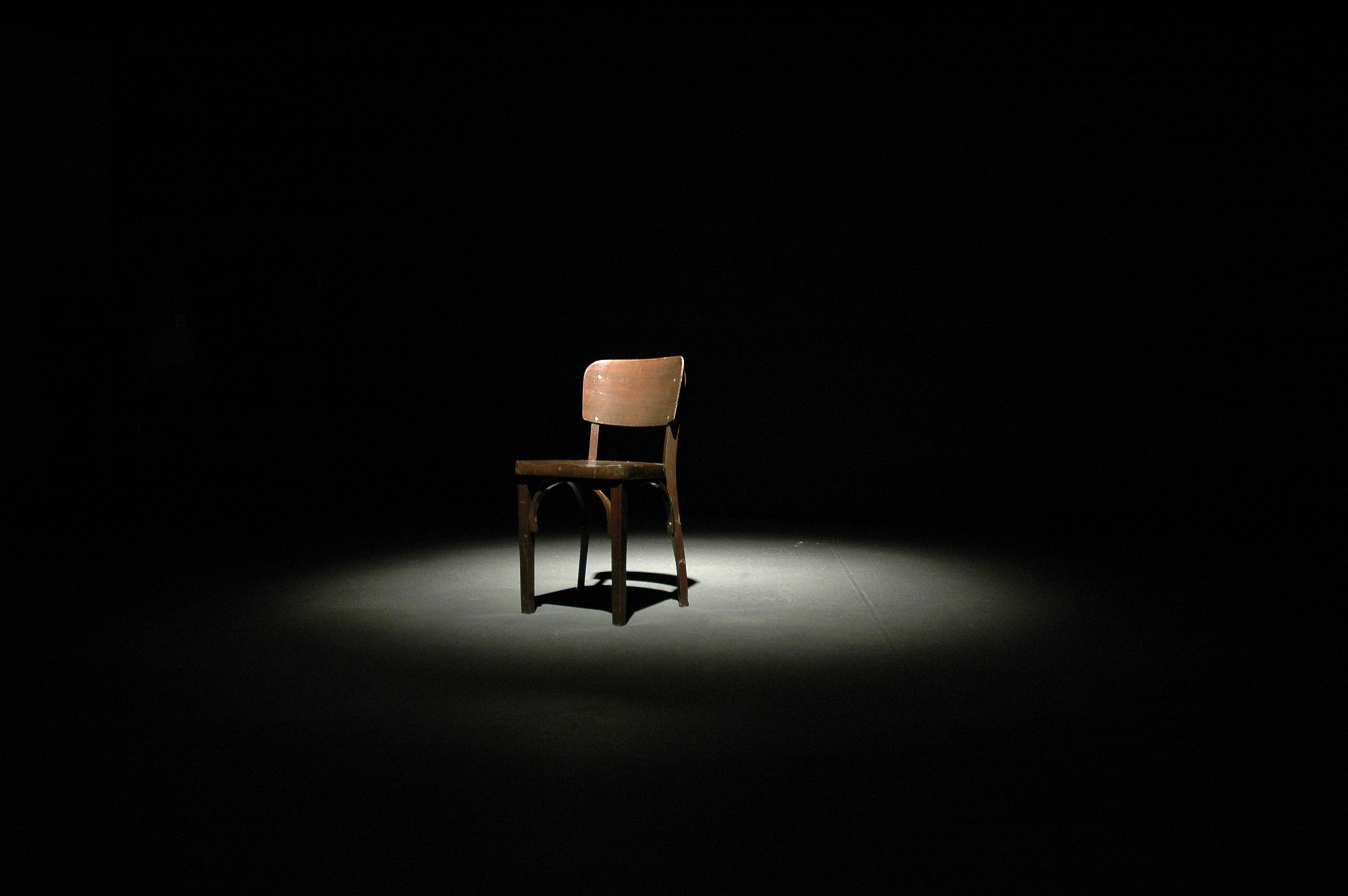
Video still
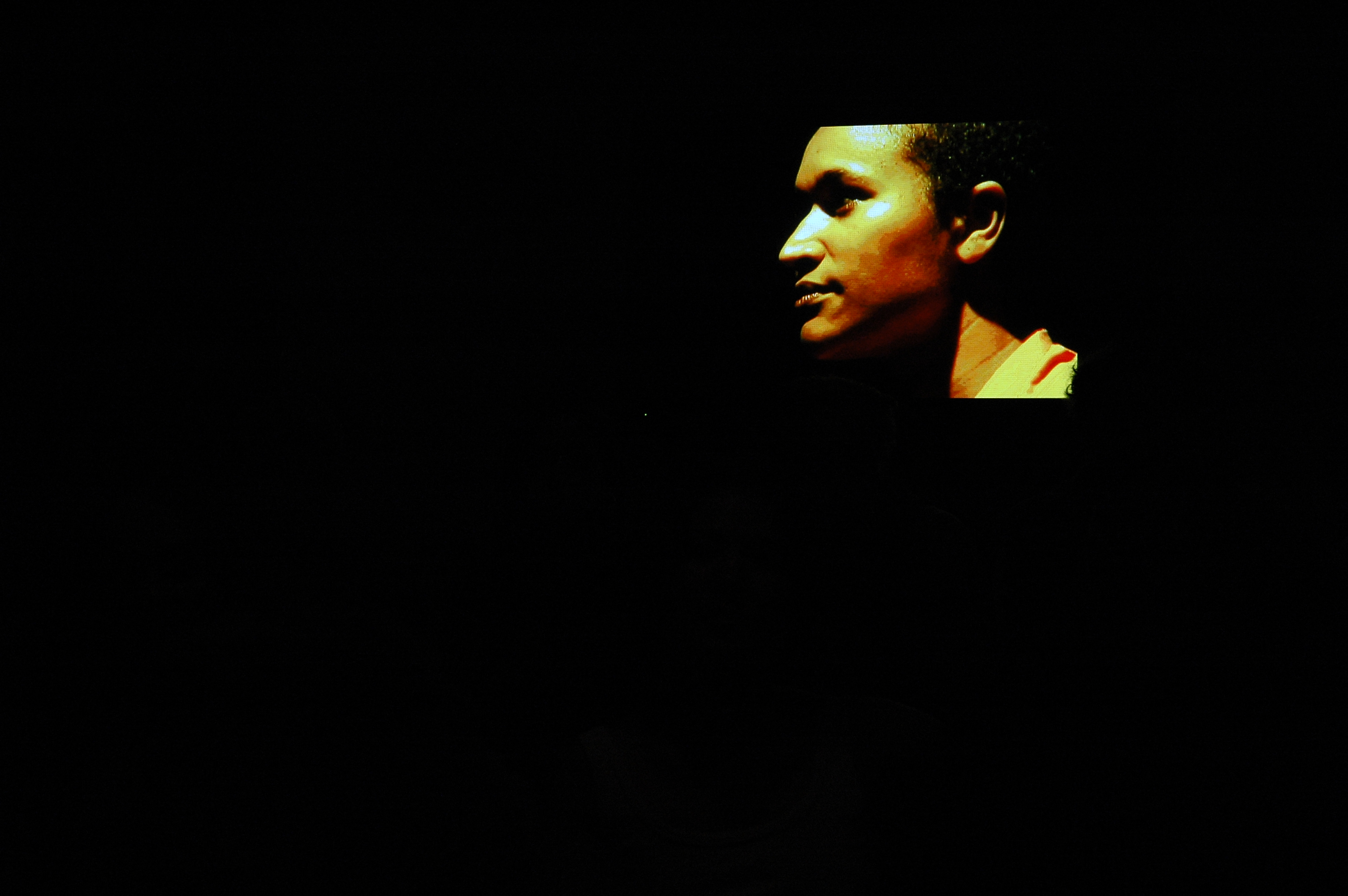
Video still
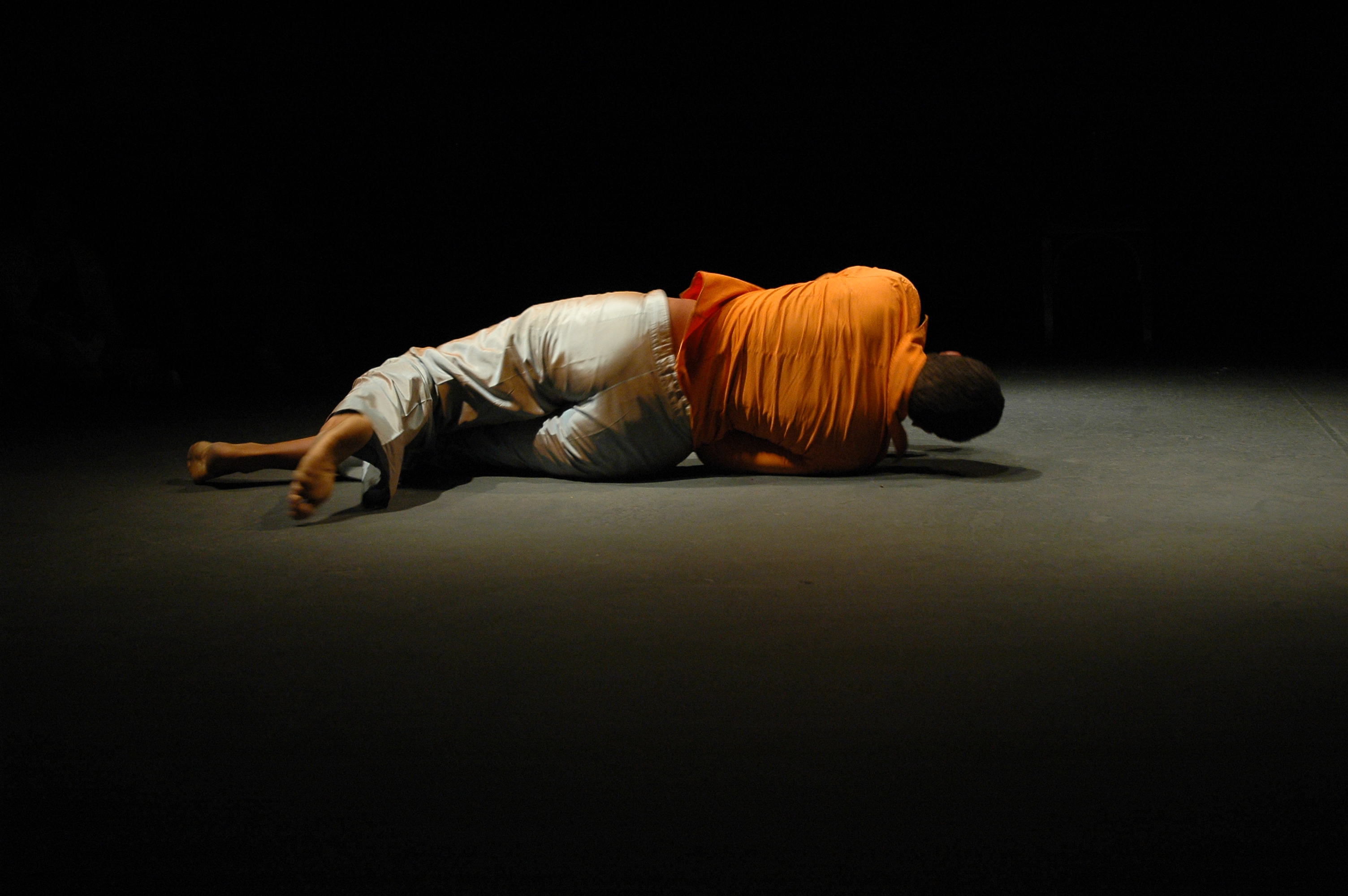
Video still
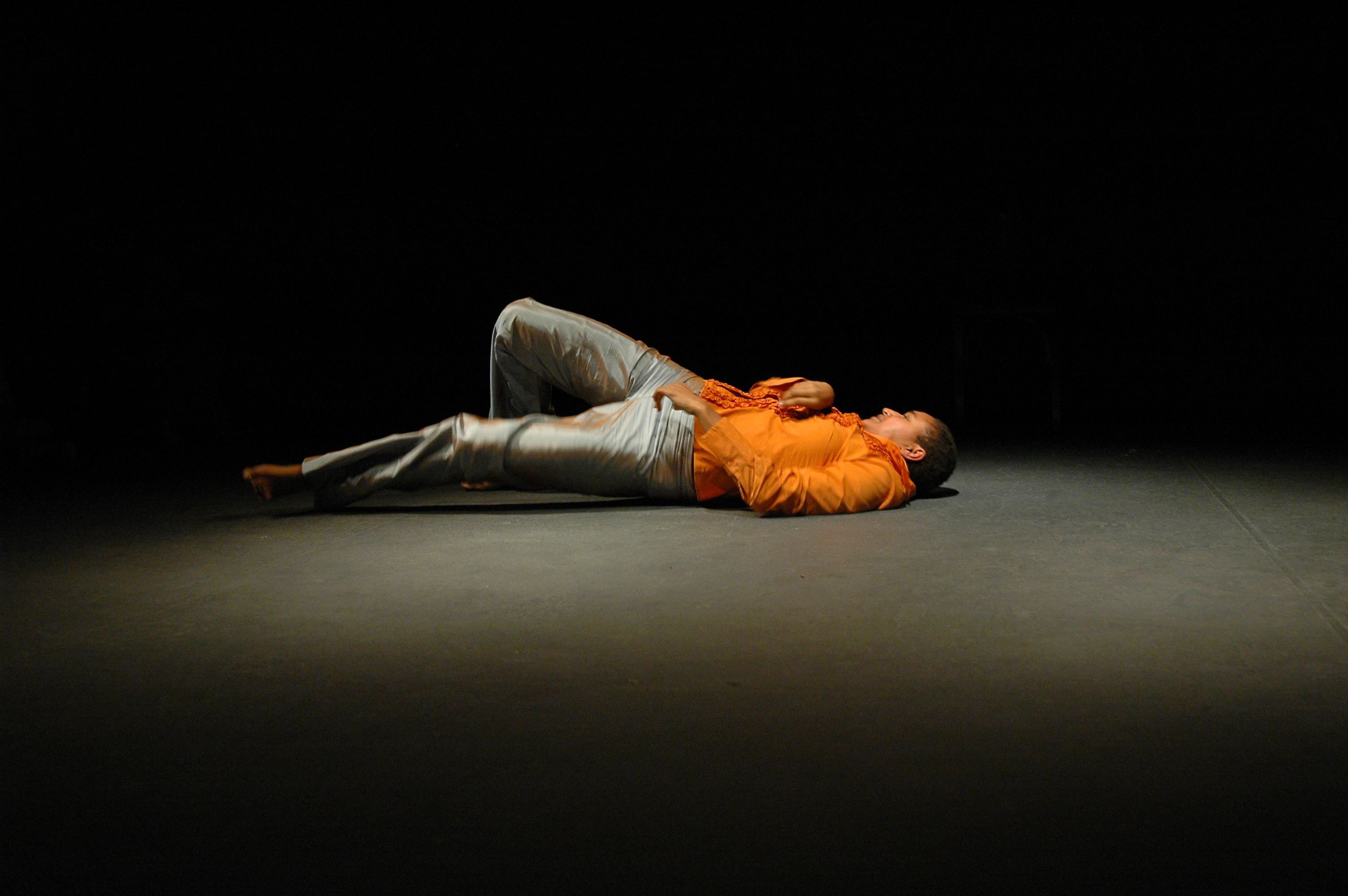
Video still
"My Possession, as the title itself says, is about the two meanings of possession. One is taking possession of your own body, trying to look on how social and political themes – for example, historical references like post-colonialism, or our personal history – exist within the body. The other is a reference to on one hand a mystical but also actual reality of being possessed, of being owned by something – a system of violence, for example. Those were two of the different meanings we want to put into the piece: the state of having, of owning and controlling something, more specifically one’s own body and mind, as well as embodying the contrary sensation, of being controlled by an external power, conveyed by the idea of being possessed.
Nowadays we have mass information about violence, of what is going on in the world. I think in times before there was some knowledge or some information about violence but not as direct and consistent as this kind of flow. The performance questions where we hold, or how we hold these memories in our minds and our bodies, how do we deal with them. It is a kind of collective world trauma, because even if you have not experienced any difficulties in your own life, as you have this collective knowledge and also this direct visual information, you are within this circle of experience. The performance is cathartic because the intention was to show that these ways of experiencing – whether it is empowerment of the self or it is dictatorship over the self – is very a strong process.
The work marks a period based on a lot of self-investigation in regard to political and social realities; allowing ourselves to feel, to engage with these realities, as a method, to create a space where others can be involved in the process of self-investigation. At that time it was important to go quite deeply, and that is why we were doing other works that involved cutting words into our skin, using the body as a canvas. There was this whole process of really engaging with the body and also with the pain or trauma, of personal and collective histories.
Over the years we had a phase where we did a lot public performance work, leaving the gallery space and making very direct performances in the streets. Then we had a phase where we were working very much with our children, really thinking about what kind of world we, as parents, were imagining for our children. Recently, we’re trying to think about works that at least suggest some kind of transformation. Sometimes it’s easier to diagnose the problems in a situation than to come up with some sort of alternative or a positive movement.
In My Possession, the 3 video cameras that transmit the performance to plasma screens are used to grant unusual visibility of the performance, such as close up details of the performer’s movements. The aim is to combine the qualities of performance – live, immediate and intense – with qualities of video, as a tool for abstraction and expanded awareness.
Video has become a normality for us, but if you think about it, it is an extremely interesting phenomenon. We have, through video, the possibility of an extended impact. For example, at the moment of this exchange, our video works are showing in two exhibitions in different parts of the world. And there might be other presentations that we don’t know of, because there’s material circulating. That means that I’m not just here now sitting, talking to you, but my impact in this world is actually being carried on through the media. It’s the idea of emanation, or extension of the self.
People are becoming aware and using this, multiplying themselves, their expression and their impact beyond just for example the family or social circle. And that kind of exchange is taking place at a very rapid rate. We don’t really know how it is actually changing our understanding of ourselves and each other. That’s something to become aware of, which we try to investigate in this work.
Mwangi Hutter is composed by Ingrid Mwangi and Robert Hutter. We have the idea of a shared vision, presenting ourselves as one artist. There again we’re talking about the barriers, the concepts, the constructs that create our identity. We are suggesting that the idea of different genders and of different backgrounds can actually fully be overcome, within this unit, within this union. We’re not forcing consensus, but acting as one body, basically, as one organism. We feel that it is a new construction, maybe one that can be more helpful for the future. And that is this idea of shared vision where you actually try to see and understand the world together."
Mwangi Hutter in a statement to PLATFORM:VB (August 2014)
My Possession (2005) | Mwangi Hutter
Video | 31'28"
Testimony Ingrid Mwangi | 15th Festival
Ingrid Mwangi, integrante do duo Mwangi Hutter, participou do debate Reapresentação de Performances: de que Forma a História se Repete? promovido pelo 15º Festival (2005), edição especialmente voltada à performance
The Cuban performer Ana Medieta investigates on her work the rleationship between body and the political context.
Other couples approach the relationship bteween collective and personal work, like Gilbert and George.