Metathesiophobia (Medo da mudança)
2011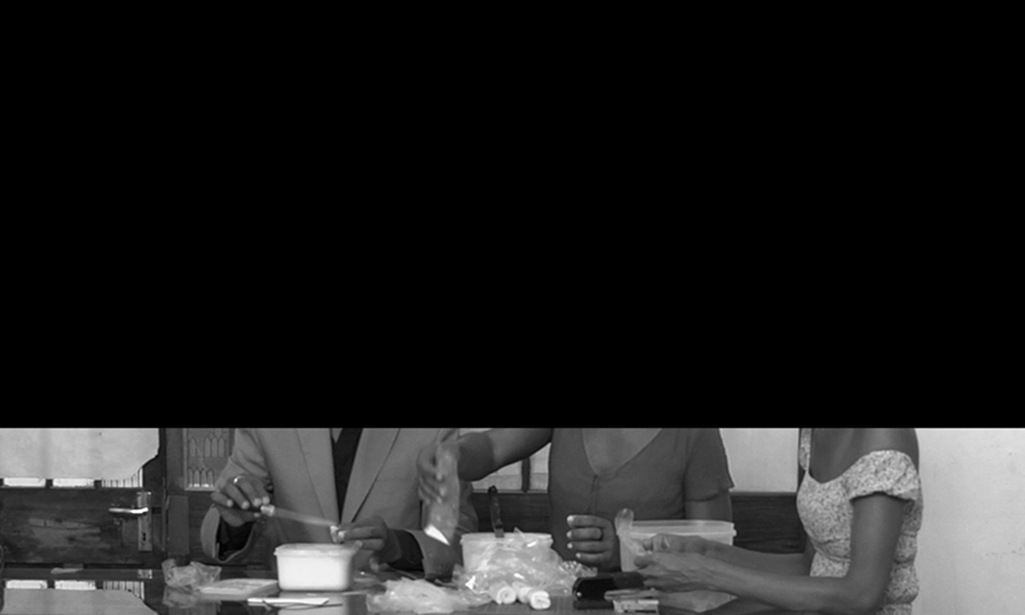
Metathesiophobia (2011), video still
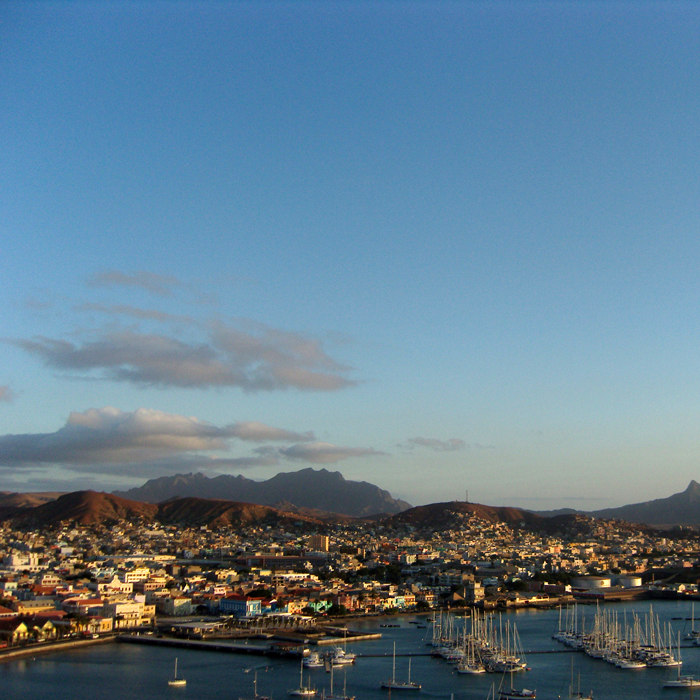
Artist´s photograph: Mindelo, Cabo Verde (2008-2011): "These images show what the video alludes to, but does not reveal."
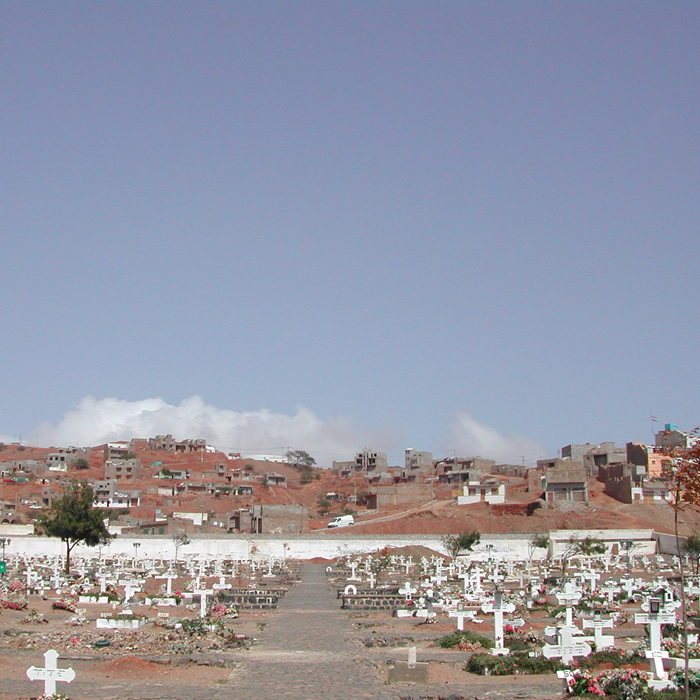
Artist´s photograph: Mindelo, Cabo Verde (2008-2011)
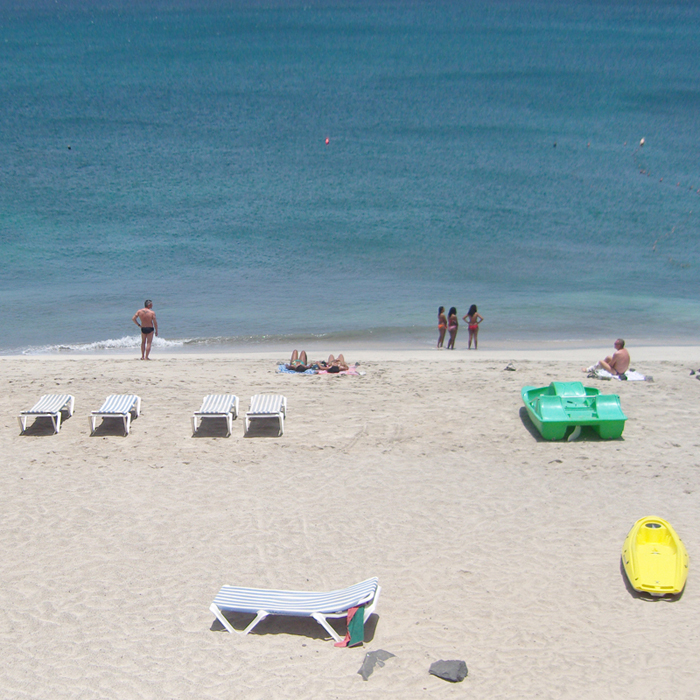
Artist´s photograph: Mindelo, Cabo Verde (2008-2011)
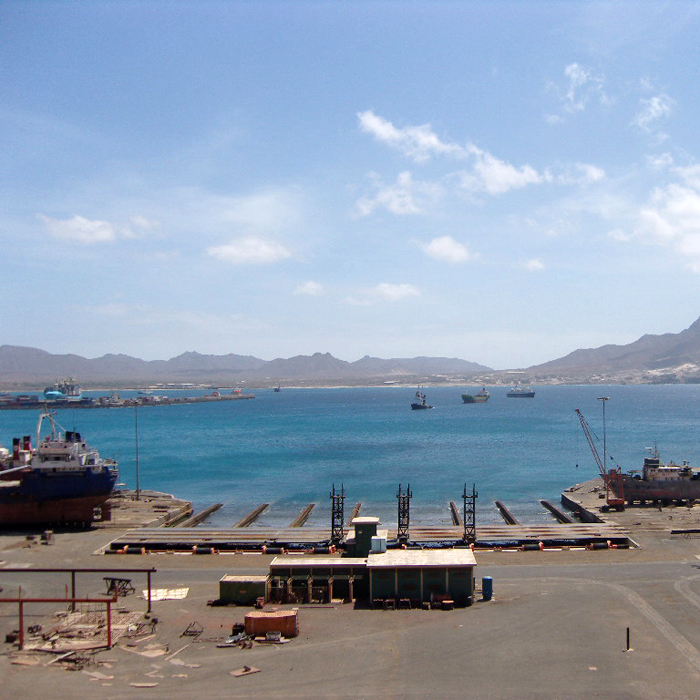
Artist´s photograph: Mindelo, Cabo Verde (2008-2011)
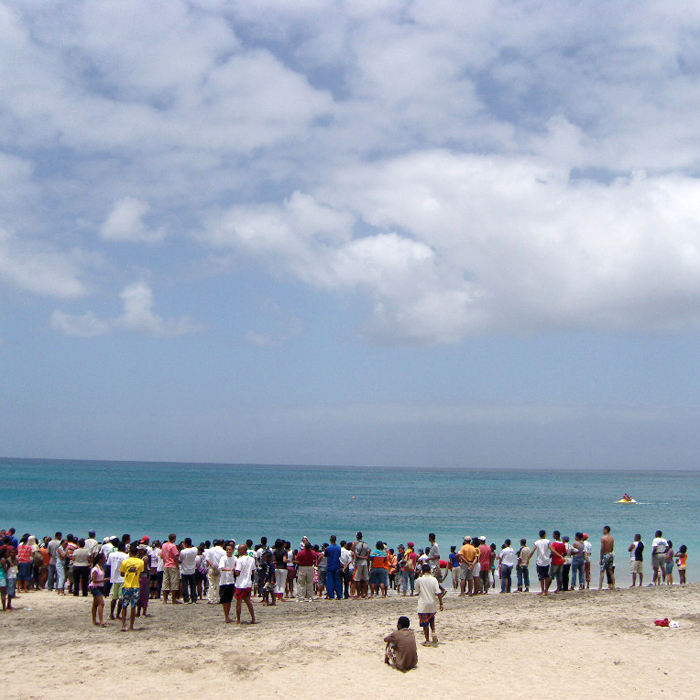
Artist´s photograph: Mindelo, Cabo Verde (2008-2011)
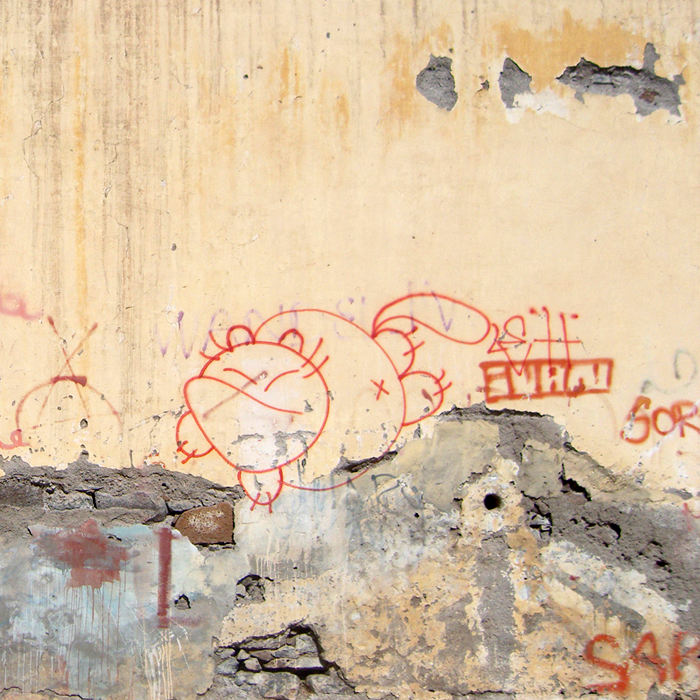
Artist´s photograph: Mindelo, Cabo Verde (2008-2011)
Metathesiophobia (Medo da mudança) is inscribed in a broadened analysis of the relationships between the creole ‘dialect’ and the official Portuguese language spoken on the islands of Cape Verde. This piece, like others I have created, seeks to intervene in the spaces of coexistence between the forms of feeling and thinking of both languages.
In the Cape Verdean space and, generally speaking, in any postcolonial space characterized by the coexistence of a super stratum language and a sub stratum language, various social groups are arranged based on modes of thinking and feeling built on the relationships between these elements. Thus, paradoxical identity discourses are elaborated. The visible and subliminal layers of the paradox interest me deeply.
This paradox is anchored on the forms of thinking and feeling associated with both languages. The case of the Portuguese language, an European language, as put forth by Gilberto Freyre, is a peculiar instance, because the Portuguese entered the world earlier than other Europeans. While the Portuguese were living in a mythic time, Nordic Europeans went about conquering other worlds later on, with a mode of thinking that was rational, chronometric and capitalist. The adaptation of Portuguese thinking to the Northern European technocracy was troublesome and will never set itself completely free from the myth. See how Portugal’s New State (1933-1974) built a platform to self-legitimize an authoritarian/fascist regime, based on the need to fulfil the myth of being Portuguese in the world.
Therefore, Cape Verdean creole juxtaposes the corporality of creole to the Portuguese language, caught between European rationalism and celestial morbidity. In the creole space, the outcome may be a state of amorality that allows and accepts virtually anything. For instance, the narcotics trafficker is tolerated as long as he is congenial and generous, and may even become a reference.
Metathesiophobia presents a situation in which a man and two women divide the contents of a Tupperware container into plastic baggies – in an allusion to the preparation of narcotics for sale. The man’s name is Carlos, the woman in the dark dress is his sister, and the other woman, in a light-colored dress, is the sister’s lover. They may not have names. The patriarchal integralist system which constitutes the Portuguese language allows it.
Carlos, who formerly attempted a career as a dancer in Europe, is back in Mindelo. He has brought back knowledge of the Spanish and Dutch underworlds, and has decided to make a comfortable living by intermediating the purchase and sale of narcotics. Most of his moves target Southern Portugal and Spain, but he always keeps enough for his own consumption, to sell to a select group of local personalities, to offer friends or influential people, and to buy himself favors. His sister, a former employee of a bankrupt real estate developer, is socially skilled in creating space for Carlos’ activities to unfold free from animosities. The sister’s lover holds a degree in Tourism from a local university, but prior to working for Carlos, she was an employee of a thrift shop that sells products made in the People’s Republic of China for under USD 20.
What I have just told cannot be seen. It is a secret.
What is heard, however, is a text written by René Descartes, Metaphysical Meditations (1641), taken from an open source platform), which I randomly cut and pasted. The authority of the text is maintained despite the lack of cohesiveness of its contents… I guess. Despite the cut and paste operations, which I have always been elaborating, the determination of the original contents of the texts has substantiated crude divisions between mind and body, feeling and thinking.
These divisions have configured the Europeans’ form of thinking and feeling, as they have gone out into the world, understanding and attempting to reformat the Other, according to the image of what best suits them. The Creole, for its very existence, for being simply visible, causes ancient European discourses on the body/mind relationship to collapse, highlighting the impossibility of any ‘geometrization’ of feeling and thinking. This amoral/immoral/illegal context which I outline for observation and reflection alludes to it."
Irineu Rocha da Cruz in a statement to PLATFORM:VB (October 2013)
Metathesiophobia (Medo da mudança) (2011) | Irineu Rocha da Cruz
Video installation | 1:40’54”, stereo, B&W, 16 : 9, loop
Excerpt from Metathesiophobia (Medo da mudança) (2011)
Testimony Irineu Rocha da Cruz | 18th Festival
The Cape Verdean artist discusses his piece, a reflection on how European philosophical narratives are assembled, reassembled and distorted in order to confer legitimacy and maintain power structures
On the Iberian Concept of Time (The American Scholar (1963), by Gilberto Freyre. This text that has influenced the artit's reflexions about the Portuguese Language. [eng]
Aventura e Rotina: Sugestões de uma viagem à procura das constantes portuguesas de caráter e ação (2010), by Fabiana M. de Freitas Grecco, a piece in which Gilberto Freyre searches the "Portugals spread around the world", in the ultramarine colonies. [pt]