My Maps

The City As Medium
Germano Dushá
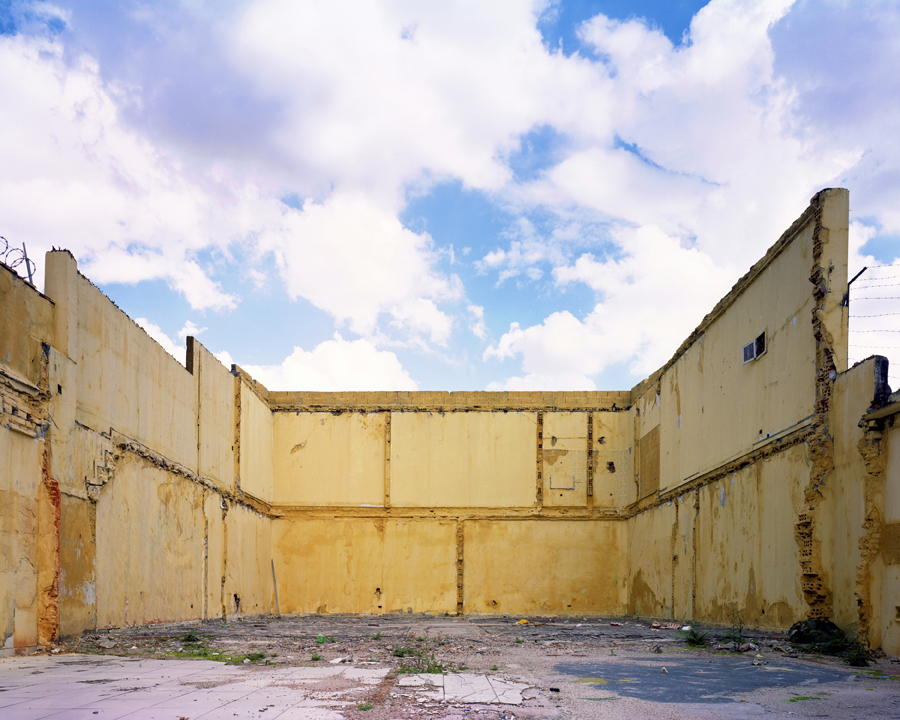
Escultura do Inconsciente #32 (2011)
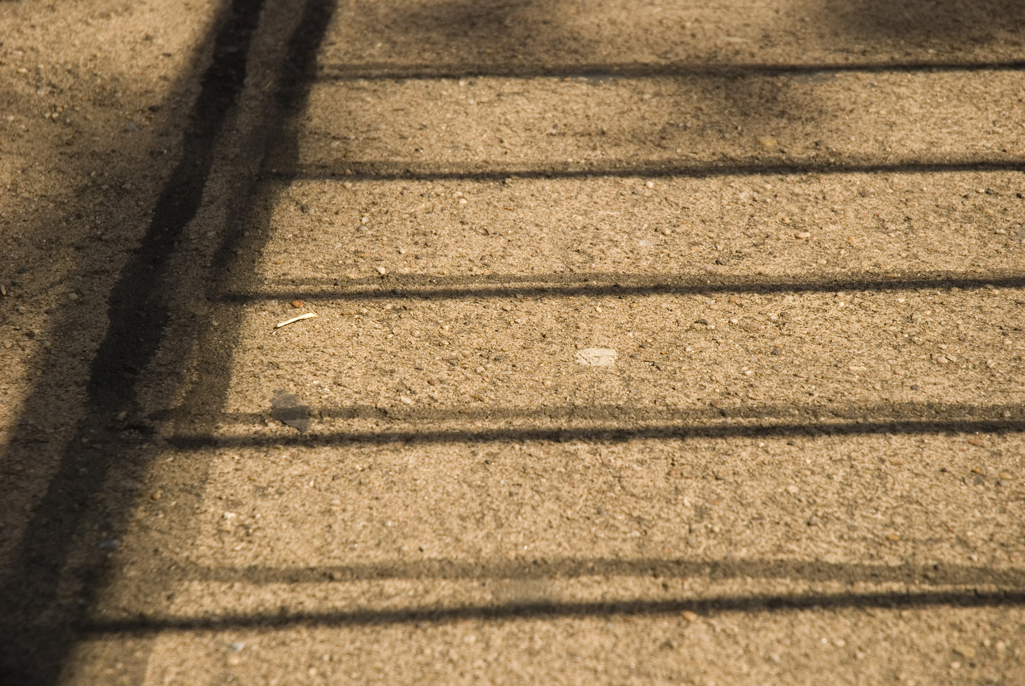
Hachuras em movimento, from the series Linha curva da Terra (2010)
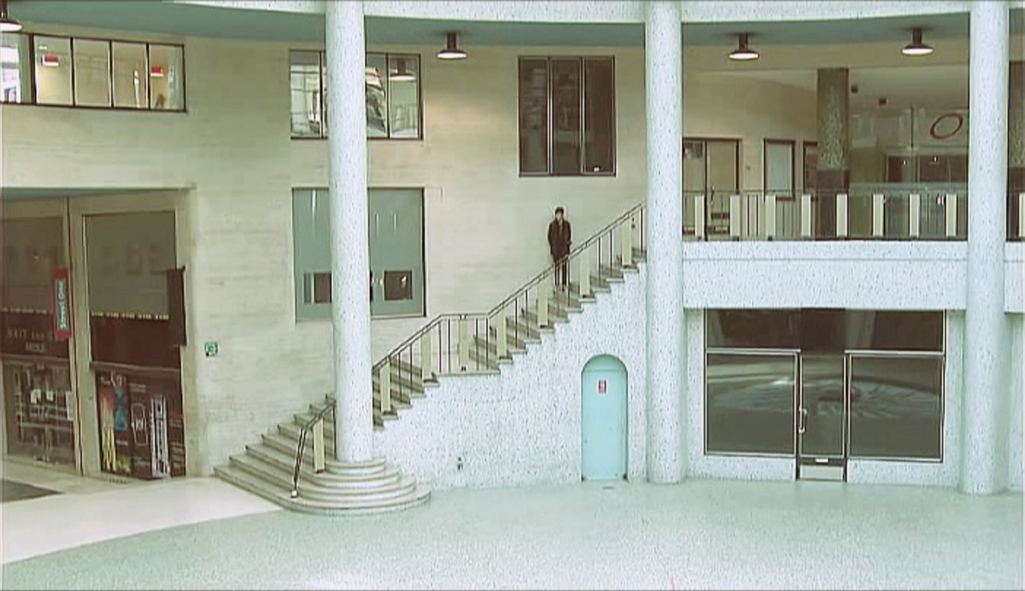
All the Others (2011), video still
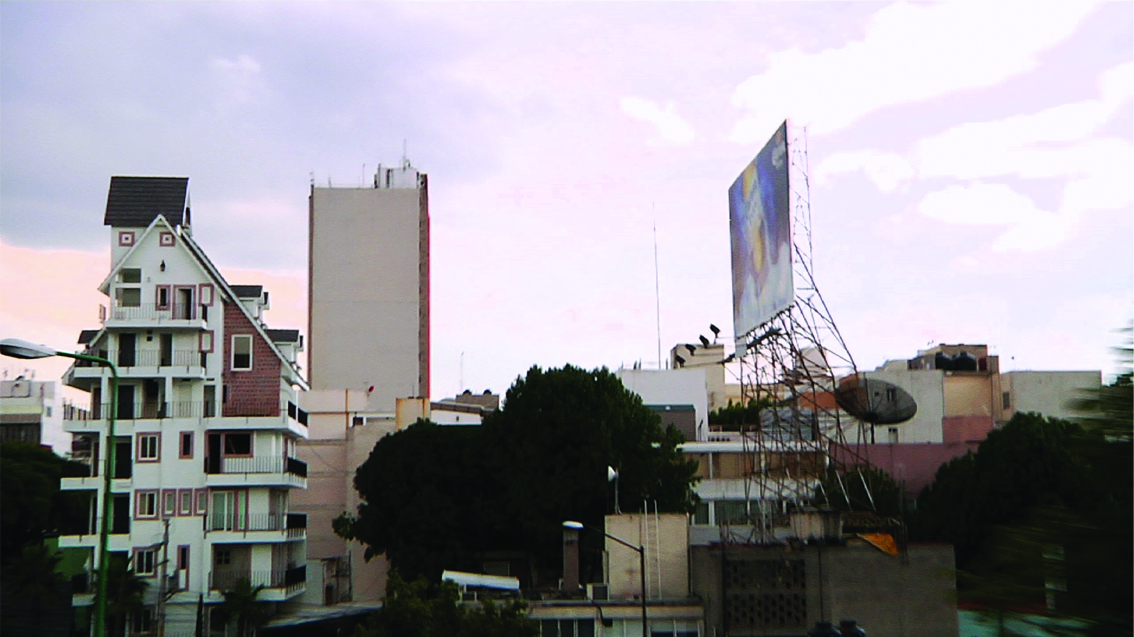
Lago Onega N.8 (2012), video still
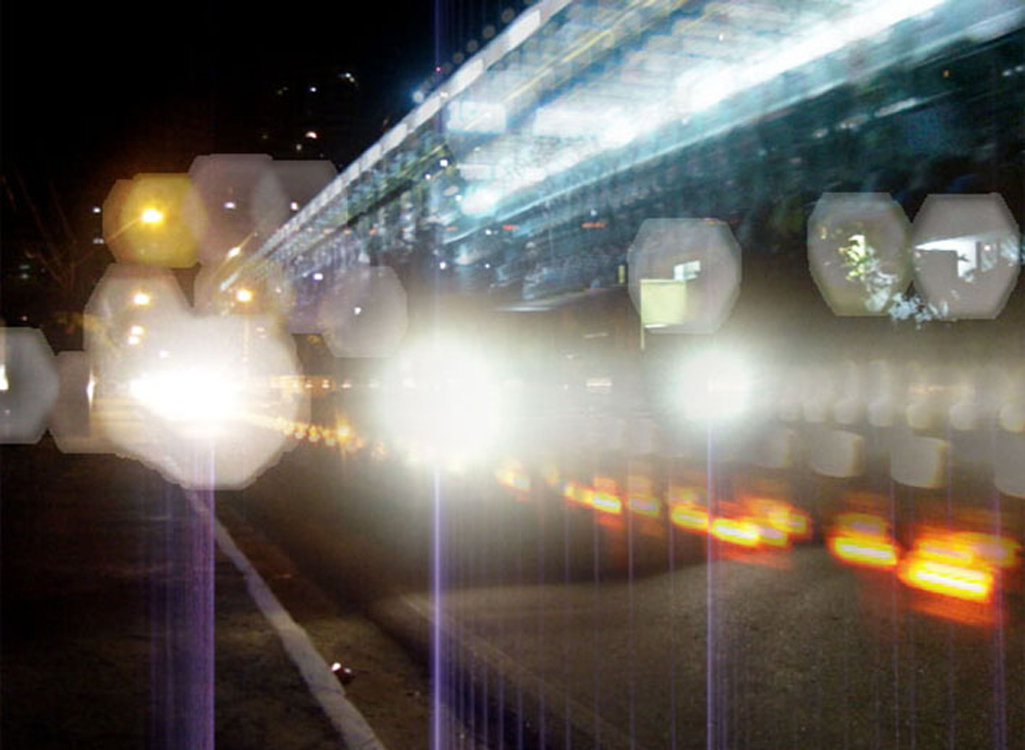
Espécimens II (2012), video still
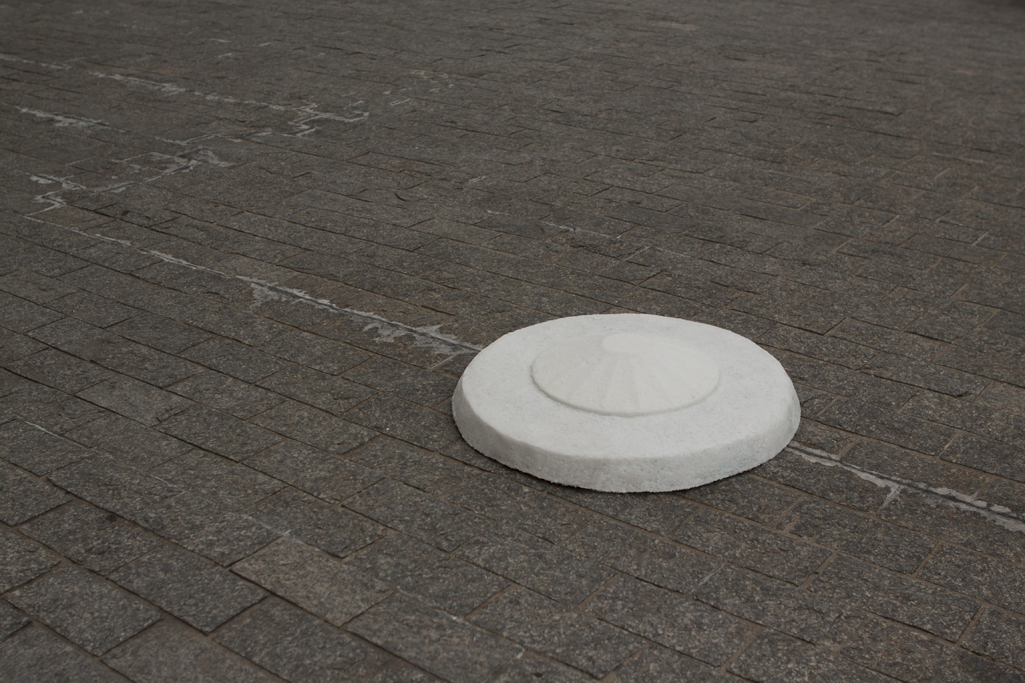
Escudos (2013)
It can be argued that the use of public space and discussions about the city were key elements to the changes undergone by the visual arts, ultimately resulting in what we know as the contemporary practices. This perception of the artistic endeavor – which naturally flirts with disciplines such as architecture and urban planning – has given rise to new concerns and possibilities, in a process fuelled by a pronounced augmentation of framings and by definitive departures from certain past conditionings.
Reconsidering the ruling paradigms and values; which themes and objects are noteworthy; the isolated, aseptic institutional field of galleries and museums as an adequate exhibition framework; working with new, associated medias and materials; and the desire to engage in direct contact with the audience; these are some of the features and approaches that permeated the works of artists who chose to take this route. Still ongoing and in full swing, these inquiries transcend the field of metaphor and representation to engage with real elements, situations and experiences. Be it through performances and direct actions or by documenting commonplace narratives and events, these are artworks that always operate in a transformative sense, in such a way that they only come into their own in a political-social-cultural arena where they can radically discuss the territories of common life.
This idea is clear to see in Tales Bedeschi’s Hachuras em movimento (Hachures in motion). The piece begins with the observation of an ordinary phenomenon: the shapes cast on the floor by the shadows of bodies that constitute the urban scenario. Thus, the artist first assumes the position of spectator of the figures projected by gates, trees, latticework, etc. and then converses directly with them, working with the city as a co-author. In his own words: "the piece attempts to intervene with the function of something and disrupt passersby’s attentions by introducing an extraordinary element into an ordinary context. This intervention consists of a rather simple operation: the duplicating of a shadow.” Over time, the shadows move to reveal paintings formed by parallel lines or actual hachures. The piece’s political discourse reveals itself as it reconfigures possibilities and alters the function and visibility of a previously trifle detail. The shadow is converted into a line, the floor into a platform of plastic events, and pedestrians into spectators.
Likewise, Amanda Melo’s Escudos (Shields) features a connection between the artwork and the medium of which it is a part. Sculptural interventions made from salt are arranged to act as though there were a state of rampant erosion. The ephemeral piece sets out to explore the consequences of having a water leakage – a difficult-to-control situation – and the presence of salt – a corrosive element – altering the materials around you. Consequently, it tackles the issue of infiltrations, contaminations, and the deterioration of human constructs. "The presence of shields affords us a different perspective of the architectural space, while reversing the notion of perpetuity imposed by the built-up space,” Melo ponders about the piece’s critical stance.
Whereas these artworks boast an intention to actively intervene in the public realm by shattering expectations and challenging naturalized notions, in his All the Others performance, the artist Hou Chien Cheng operates through the silence of resignation. Intending to establish a reflexive dialogue in order to discuss the boundaries between personal and collective experiences, he stands motionless on the staircase of a busy building and stays still as he watches various passersby who fail to realize he is there. Through this gesture of absolute simplicity, which nonetheless connects him deeply to the universe that surrounds him, he addresses issues such as social status, identity, invisibility and representation; he renders explicit the system that chooses what is or isn’t relevant from within the spectrum of community living; and therefore discusses loneliness, isolation, and indifference.
These are artworks that relinquish the safety of devices and facilities whose job is to separate art from the world. To this end, they build on artists’ individual experiences with the elements from the cities they relate to, and directly incorporate circumstances from the shared realm into their makeup, in such a way that they ultimately become dissolved into the urban fabric.
In Lago Onega n. 8 (Lake Onega #8), by Jacinto Astiazarán; Escultura do Inconsciente (Sculpture of the Unconscious), by Tatewaki Nio; and Espécimens II (Specimens II), by Chico Dantas, what one sees is situations and contradictions of the city as research objects and food for thought in artworks that manipulate photography and video. Thus, the artists converse with other languages and with novel associations, but also equally pungently touch on issues relating to common areas, architectural transformation, modernity, identity, invisibility, and forgetfulness; and reflect on the boundaries between the public and private spheres, the individual and the collective.
Astiazarán’s piece documents the emergence of a residential building in a neighborhood outside Mexico City whose structure mimics one of the most emblematic icons of American standards: the A-shaped house easily found throughout the so-called suburbs. In doing so, it reveals the builder’s ideology. The story renders us aware of an endeavor that deliberately appropriates an established archetype to reformulate it and incorporate it into a different sociocultural context. Through this process, it sets out to discuss the perspective of a subject who asserts their opinion by way of the spectacle of civil construction. Thus, it discusses individual cultural and architectural aspirations and experiences in the face of urban development.
Addressing similar issues through the prism of deterioration and abandonment, the photograph series Escultura do Inconsciente (Sculpture of the Unconscious) portrays urban landscapes in ruin, coexisting in contrast with what is regarded as important and desirable. If on the one hand these images appear faded in their obsolescence, on the other hand they are always ushering in what is new, the fundamental quest of the fast-paced civilizing, urbanizing project. The artist captures the passing of time, and therefore combines a fictitious, imagined past and future with the real physical aspects he comes upon. In Espécimens II, Dantas takes a step further in this exercise by adding studio footage to documentary scenes. He incorporates a homeless man into audiovisual footage of a busy avenue, thus creating an environment of re-signification where “fictional behaviors emerge that are attributed to non-sentient things, such as the indifference of automobile headlights that describe the discomfort of night.” Thus he questions the exclusion mechanisms that permeate the city, and the ensuing social invisibility that plagues some of its residents.
These artworks are the outcome of a relational practice of the artists with the urban characters and conjunctures that somehow partake in their daily lives. They lean over vigorously upon the space where life is lived together; examine its tensions; redefine what we are habitually sensitive to; and intervene in the perception of the fabrics that make up common experience.
(February 2015)
Mapping elaborated by Germano Dushá since the partnership between Associação Cultural Videobrasil and Fabio Cypriano, professor of the postgraduate course Art: Criticism and Curatorship at PUC SP (December 2013).
One Place After Another. Site-specific art and locational identity, by Miwon Kwon (Londres: The MIT Press, 2002). [eng]
Cildo Meirelles statement about his piece Inserções em circuitos ideológicos (1970) from the publication Cildo Meireles (FUNARTE. Rio de Janeiro, 1981). [pt]
A arte na cidade: o alcance da publicização, by Tatiana Ferraz (Fórum Permanente, Periódico Permanente, v. 2, n. 3, 2013) [pt]
Sobre Arte Pública, by Carla Zaccagnini (Fórum Permanente, Revista Número, n. 6, 2013) [pt]
Arte/Cidade – Um balanço, by Nelson Brissac (Ars 7, ECAUSP). [pt]
Arte pública: um “corpo estranho” na cidade, by Guilherme Wisnik (CONTINUUM, out. 2007). [pt]
Margem errante: uma discussão sobre práticas espaciais contemporâneas, by Carolina Tonetti (Fórum Permanente, Periódico Permanente, v.2, n.1). [pt]
Arte, Mobilidade, Cidade e Outros Circuitos – Seminário Internacional de Arte Contemporânea (2014) | Paço das Artes
Karen O´Rourke, Guilherme Wisnik, Lucas Bambozzi e Gilbertto Prado
discuss about what are the new territories and circuits driven by contemporary art: Art in the city - art in network - Art in transit [pt]
Meeting "A Cidade como Matéria" (2014) | 31st Biennial educational team
The Biennial educational team held a meeting on Art at the CCSP (São Paulo, Brazil), with the theme "The City As Matter", which presented the curatorial concepts of the 31st Biennial of São Paulo [pt]
O que é a arte urbana contemporânea? (2010) | Guilherme Wisnik
The curator of the project Margem, Guilherme Wisnik, talks about urban art, public art and art that studies the context and interrupts the daily life. He also talks about what is site specific and their differences from the sculptures we see everywhere [pt]