My Maps

These are dark times for dreamers
Juliana Ossain, Laís Rabell, Mariane Beline, Najara Szabo
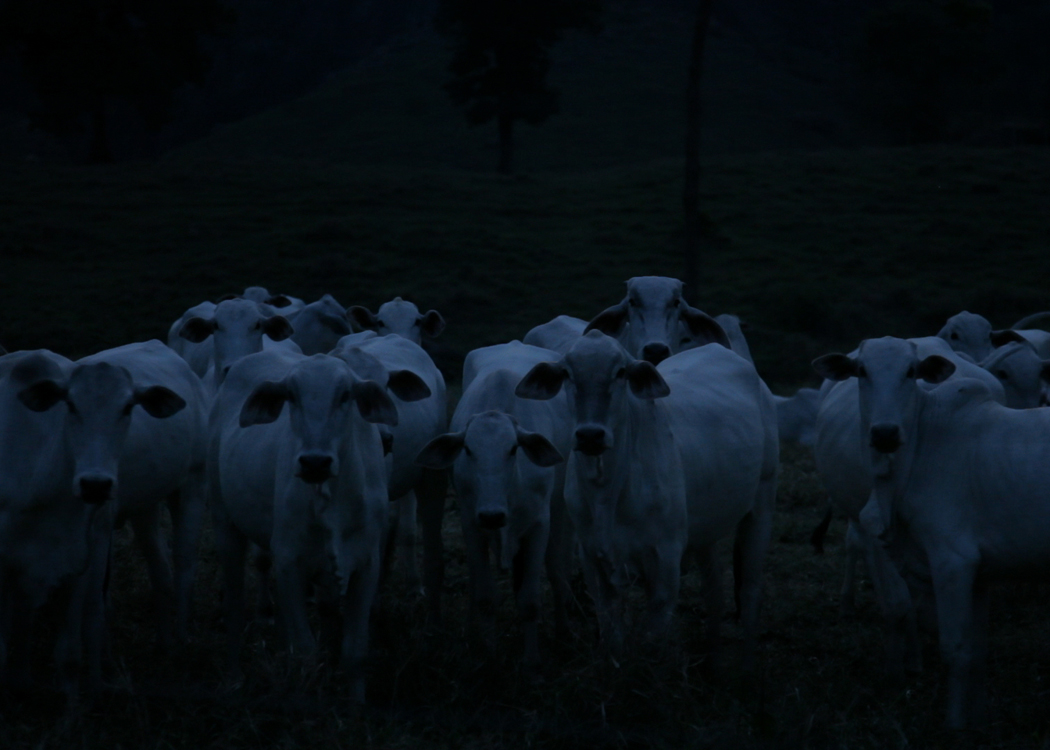
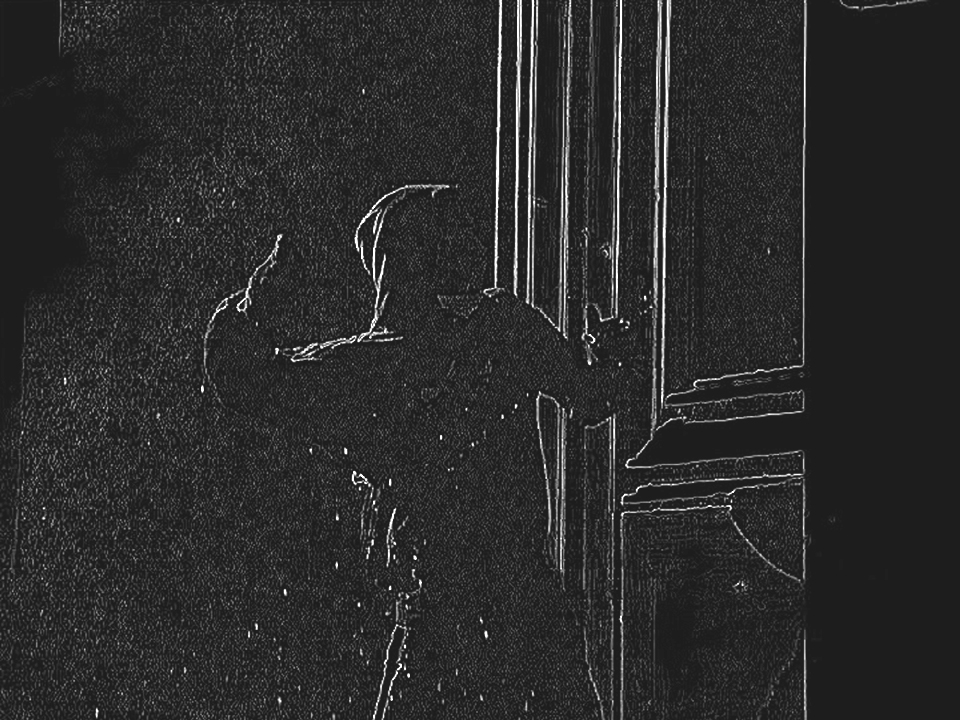
Tocaia video still
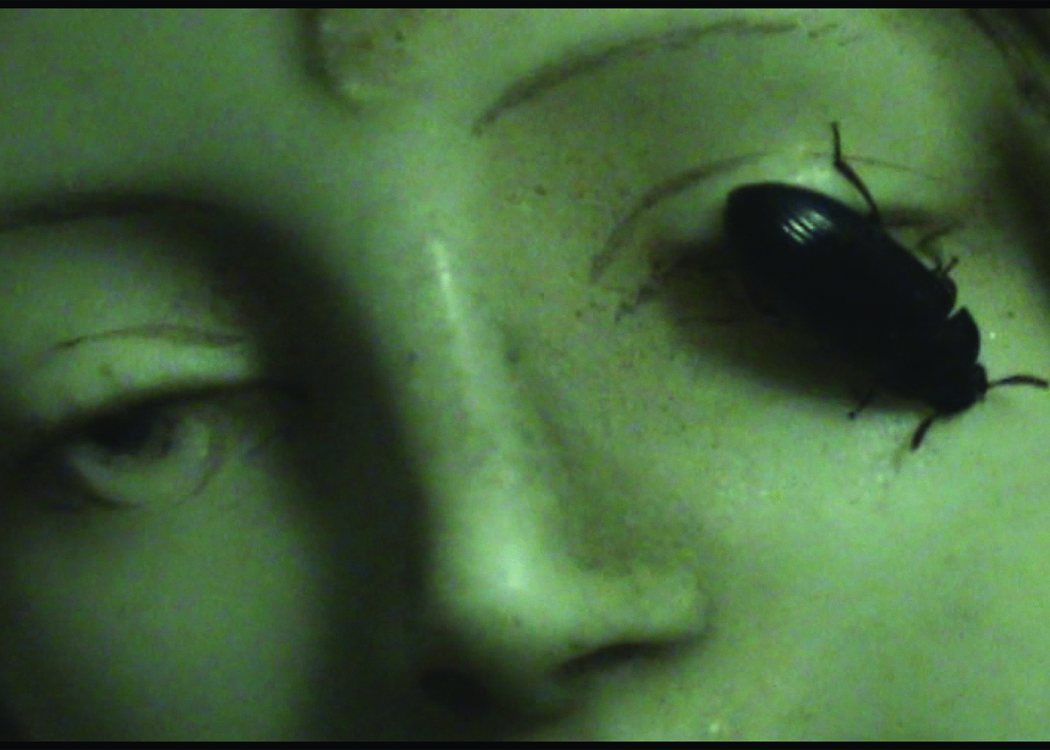
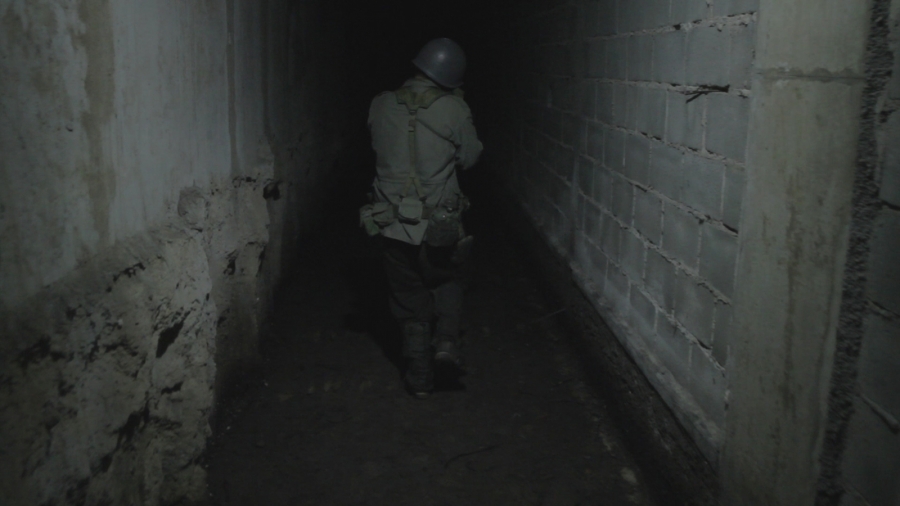
Image of the video Inimigo Invisível (2011), made by Guilherme Peters on the occasion of the 1st Ateliê Aberto Prize, and displayed at the 17th International Festival of Contemporary Art SESC_Videobrasil.
This show is named after a line by the Amélie Poulain character from the film The Fabulous Life of Amélie Poulain. The film is centered on its lead character, a somewhat naïve dreamer always busy in finding an innocent beauty in everyday life. She seems to be out of a real political and social context, only concerned about herself and her own “well-being.” This is why Amélie’s line sounds odd to us. Analyzing it, we find some ontological issues defined by the early philosophy.
Let’s start by the fragment “These are dark times (...).” Time, for centuries, was considered one, if we follow the philosophical line from mythology all the way to the Presocratics. It is time (Chronos) the great ordainer of the universe without whom we would find ourselves submerged in bleak chaos. When we say time is dark, we also mean it is chaotic and disorderly. If we take things less literally and understand “times” as a synonym to “age,” we realize a sentiment that has been accompanying mankind all along—angst.
Angst was defined by the Danish philosopher Søren Kierkegaard in 1844. To the philosopher, the angst experienced by human beings was a result of free will. Let us look at the example of a man on the edge of a precipice—although he looks at the bottom and feels the urge to jump, the fall causes fear. This is the eternal human condition of fears out of focus and relations between angst and anxiety. Of course this angst has earned different approaches over the 19th century. In 1857, Baudelaire wrote his ill-fated Les Fleurs Du Mal and represented an entire generation unsatisfied with its time/age, later known as “the malady of the century.”
This exhibition was thought out from an angst toward time, a feeling very different from those represented in other centuries. What feeling is that? The Italian philosopher Giorgio Agamben teaches us that truly belonging to one’s age is accepting its lights and shadows. We thus depart from a shadow that surrounds the social and political relationships of this age—impotence. In 2013, Brazil witnessed a series of demonstrations, at the occasion diverse voices that called for education, health and better living conditions. They protested against all the money invested in the World Cup, against the corruption of political parties and the lack of respect with the average citizen. The slogan “The Giant has awoken” was created, sharing space with another one, recycled from the times of military dictatorship—“The country in soccer cleats.”
As the saying goes: “It all ended in pizza.” The awoken giant witnessed the impeachment of a democratically elected president, witnessed its rights retirement pension being annihilated with the social security reform, its health and education system be torn down by the public spending constitutional amendment bill; it also witnessed its workers’ rights being flushed down the drain by the outsourcing law and its freedom of the press disrespected by a federal judge. And we watched it, helplessly, inertly.
The first part of this exhibition addresses this impotence and the feeling of angst it creates before this bottomless precipice that is the Brazilian reality. The first video is Tocaia (Aline X and Gustavo Jardim, 2014) in which a herd of cows remains relatively still even when submitted to some sort of ambush. The second video follows the logic of the first. Belle Époque (Armando Queiroz, 2014) shows how a beautiful statue remains in place even with a huge beetle walking over its eyeball.
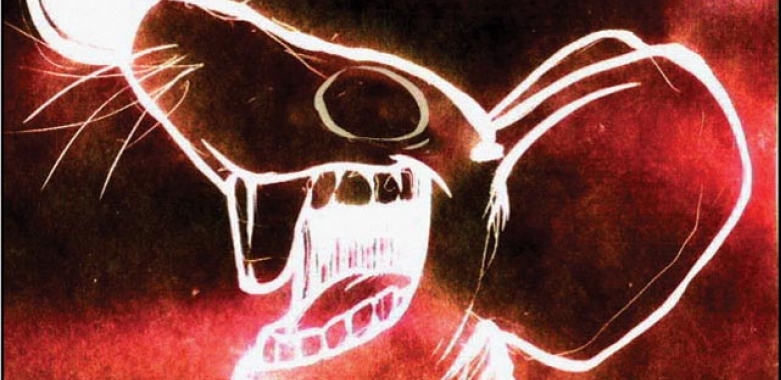
But, as Agamben told us, we also need to see the lights of our time. And this light is the possibility of action. Although we face a crisis of our rights, we have a certain degree of social mobility: the right to hold demonstrations, to strike, to the freedom of speech, etc. These actions represent an advancement in relation to the position of mere cows. So, slowly, the narrative line of the exhibition explores the possibilities and the qualities of action. In Inimigo Invisível (Guilherme Peter, 2011), the camera, in a long take, leaves its place of peaceful observer to stalker. Then, the animation Ratos de Rua (Rafael de Paula, Meton Joffily, 2003) makes use of mixed techniques, such as China ink and fragments of digital images, to express a sharp social criticism to the condition of homeless children in the streets of Brazilian urban centers.
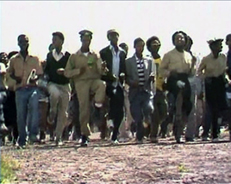
Following that, Lucharemos hasta anular la ley (Sebastian Diaz Morales, 2004) shows the citizens of Buenos Aires protesting against strong limitations to the law for street vendors. Now the action expresses through the people, who, indignant, fight for their rights. And, to round out the discussion on the possibilities of action, we present Untitled (Zimbabwean Queen of Rave), which contrasts two kinds of celebration: one for civil conquests and the other ensured by a certain constitution.
Mapping conducted by Juliana Ossain, Laís Rabell, Mariane Beline e Najara Szabo as the result of a curatorship effort by students in the Postgraduate Specialization in Art: History, Criticism, and Curatorship at PUC-SP from works in the Videobrasil Historical Collection, under Professor Cauê Alves’s guidance. (April 2016)
What is the Contemporary, by Giorgio Agamben
The Flowers of Evil, by Charles Baudelaire
The Concept of Anxiety, by Soren Kierkgaard
Protestar não é delito, master's dissertation on piqueteros in Argentina, by Fernanda Cardozo. UFRGS (2008) [port]
Entenda o que está em jogo com a aprovação da PEC 55, Carta Capital (30/11/2016) [port]
Reforma trabalhista, modernização catastrófica e a miséria da República brasileira, by Giovanni Alves. Blog da Boitempo (27/03/2017) [port]
Um Cão Andaluz (1929) | Luis Buñuel
Aline X e Gustavo Jardim | #19Festival Artistas Premiados