My Maps

The sweet taste is over
Debora Gambaroni , Andrea Adamo, Roberta Maiorana
"Art does not express, is. This difference regarding Philosophy, Ideology, and all conceptual forms makes the current moral problem (reality) to be addressed in the visual arts in a peculiar way, in terms of images, through the signs of the new language."
Waldemar Cordeiro
Waldemar Cordeiro’s conclusion, transcribed above sparks, for viewers of this exhibition titled The sweet taste is over, an introspective language, in such so that the videos Alugo-me, Love Stories, Tomorrow Everything Will Be Alright and Qu’ est-ce que c’est sensitize the gaze of whoever watches them, leading viewers to identify medias already used in other times and today repeated on social networks and other technologies. The pieces address new possibilities to construct the real by reinventing temporalities and narratives, thus reshaping them for other visual strategies, like the affective relationships boost comings and goings that echo inconstancy, discomfort and probable meeting. The videos selected address the issue of how timeless are affective relationships.
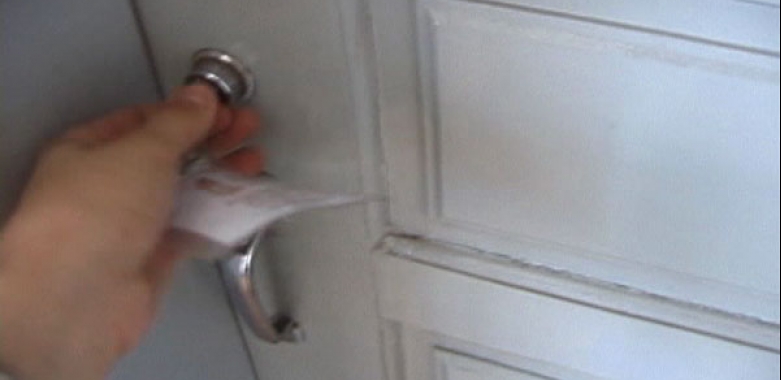
Fernanda Goulart, author of Alugo-me, through a sentimental classifieds radio program reveals naïve women who expose themselves in search of a new partner, in an interview to an announcer. In parallel, the camera goes through houses and apartments for rent, focusing on distressing repetitions of abandoned interiors, floors, doors, windows and voids. A lonely route—with background music of such overly-romantic intensity, passion, love, and loss—that induces us to look inside and reconsider our personal dramas steered by the universal cliché of the pain of love.
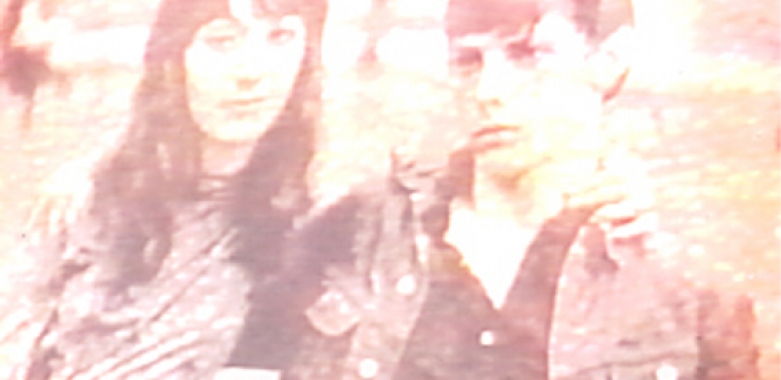
In Love Stories, Lucas Bambozzi recreates an entire human nature in a process of subjectivity, incessantly associating appropriations in the realities of photography, cinema, video and computer. The video began to be produced in 1992 from one starting image, with collages of affectionate couples by the sound of Verdi’s opera, quotes and excerpts of Oscar Wilde, Caetano Veloso, and Godard. In the motion and non-motion of the images, he performs an electronic reading in favor of an analysis of the senses of passion, giving us the notion of drama and mystery.
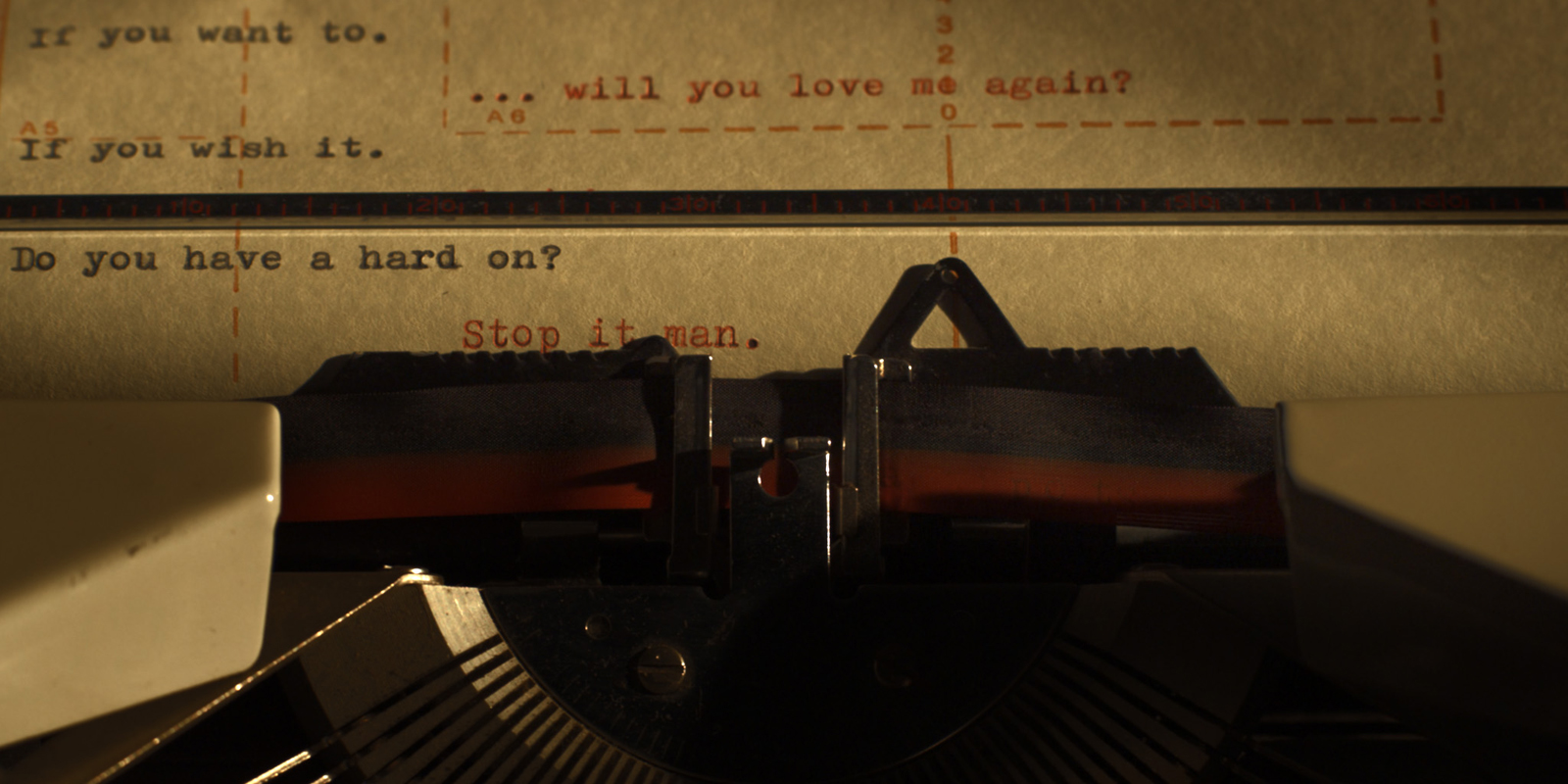
Akram Zaatari presents the video Tomorrow Everything Will Be All Right, in which two ex-lovers decide to communicate after ten years. One of the characters remains unidentified in the images whereas the other answers typing in and old typewriter, alluding to online chat rooms. The spice of the lovers’ conversation is time, the intense exchange of messages attracting and seducing each other. The drama between them passes through lost love and a possible make up, in an approach that lacks love, but with desire and urgency to see each other again.
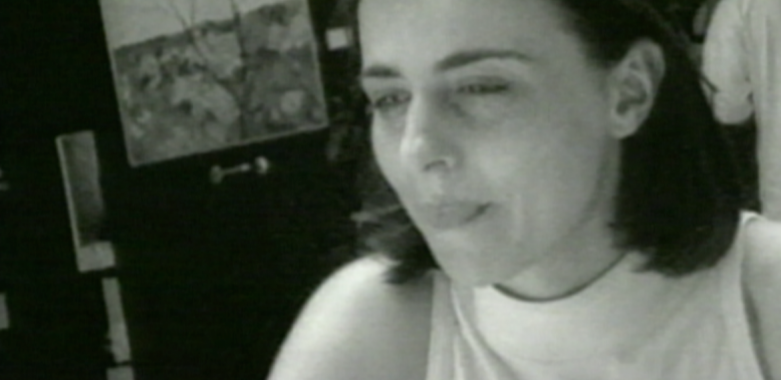
With Flávio Nardini’s Qu’est-ce que c’est, a couple’s break up in a café shows the disconcerting reaction of the woman toward the separation. An incomplete puzzle told by fragments of texts and images of sons brought together by lapses of oblivion of the mother tongue, which is the basis to build the stories of a different character.
The exhibition The sweet taste is over tackles affective relationships, lack of horizon, anxiety, drama, music, objectivity, desire, form, circular motions regarding the past. And makes us recall a place where we don’t know how to express what we feel.
The determining factors in the spatial configuration of the four narratives intertwine with a diversity of vectors about couples that make up and break up, dialogues between art and life continue. They are fine-tuned by the everyday life and contaminated by other mutable worlds and experiences. The reeducation of feelings lies in each meeting and loss. Relating to the other is a continuous road that forks in the territory of longing, affection, desire, presence and absence. A film without the end, a video: The sweet taste is over?
Mapping conducted by Andrea Adamo, Debora Gambaroni and Roberta Maiorana as the result of a curatorship effort by students in the Postgraduate Specialization in Art: History, Criticism, and Curatorship at PUC-SP from works in the Videobrasil Historical Collection, under Professor Cauê Alves’s guidance. (April 2016)
Resenha de Tomorrow Everything Will Be Alright, by Tamar Zmora. Art Asia Pacific (May/June 2017) [eng]
Akram Zaatari retrata Beirute a partir de histórias de amor entre homens, Folha de S. Paulo (sept. 2016) [port]
Desvios e Ruídos do Vídeo na Cultura Digital, by Christine Mello. Intercom 2006 - NP “Comunicação Audiovisual” (20060 [port]
Escritos de Artistas - Anos 60/70, by Gloria Ferreira e Cecilia Cotrim. Jorge Zahar Editora (2006) [port]
Qualquer vazio (2011) | Alberto Bitar
Qualquer Vazio from Alberto Bitar on Vimeo.