Kong Bei
2015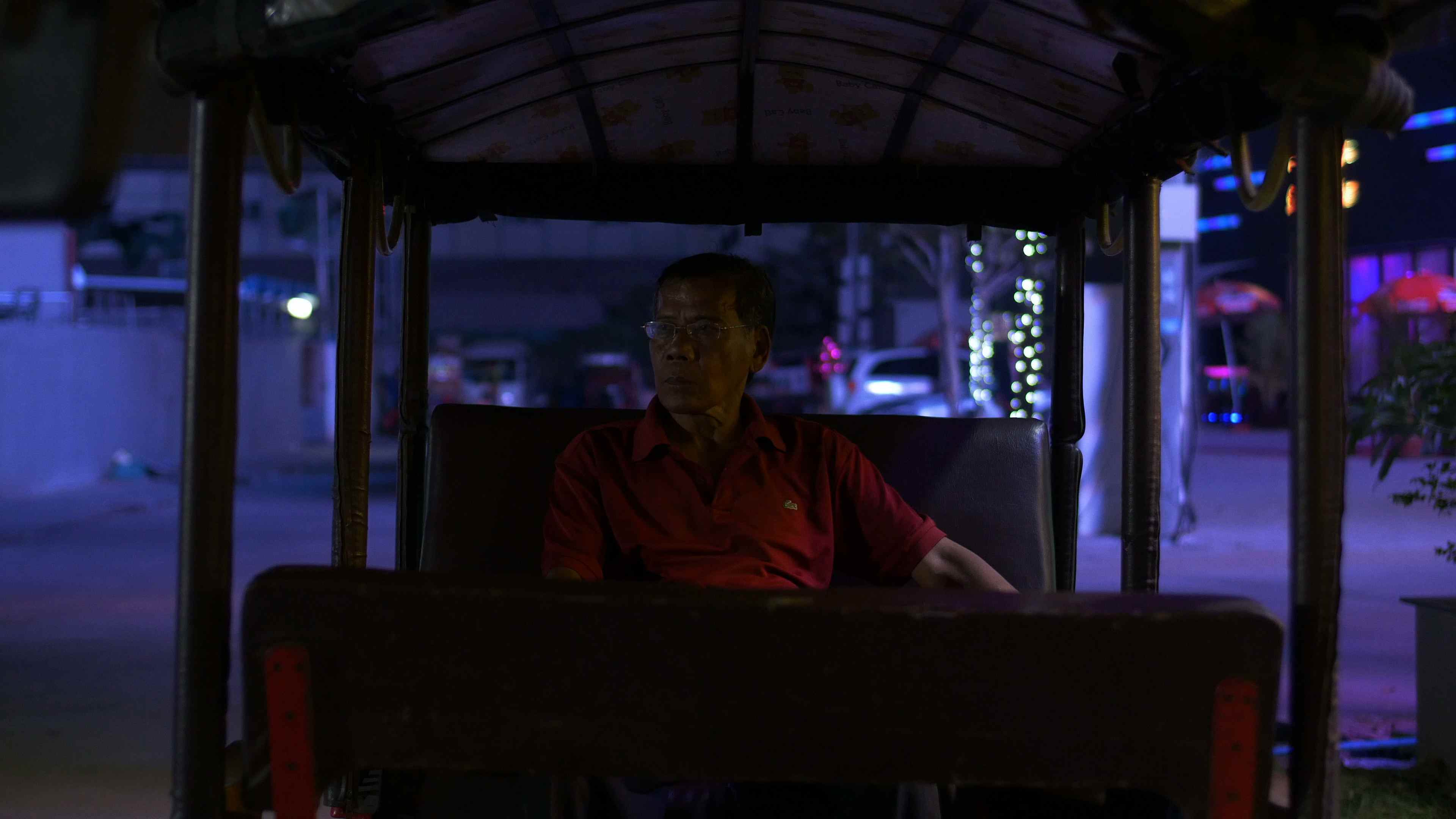
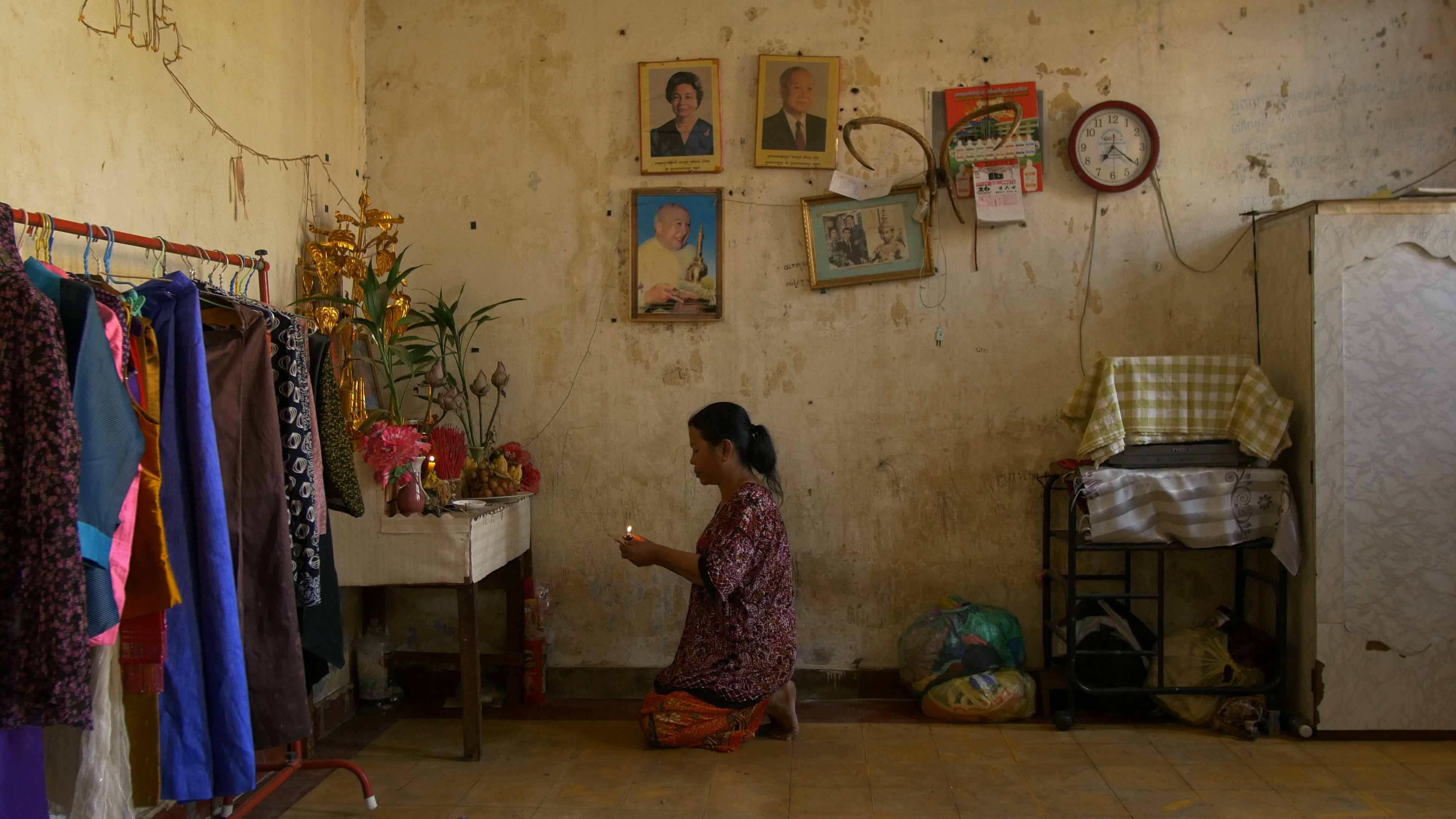
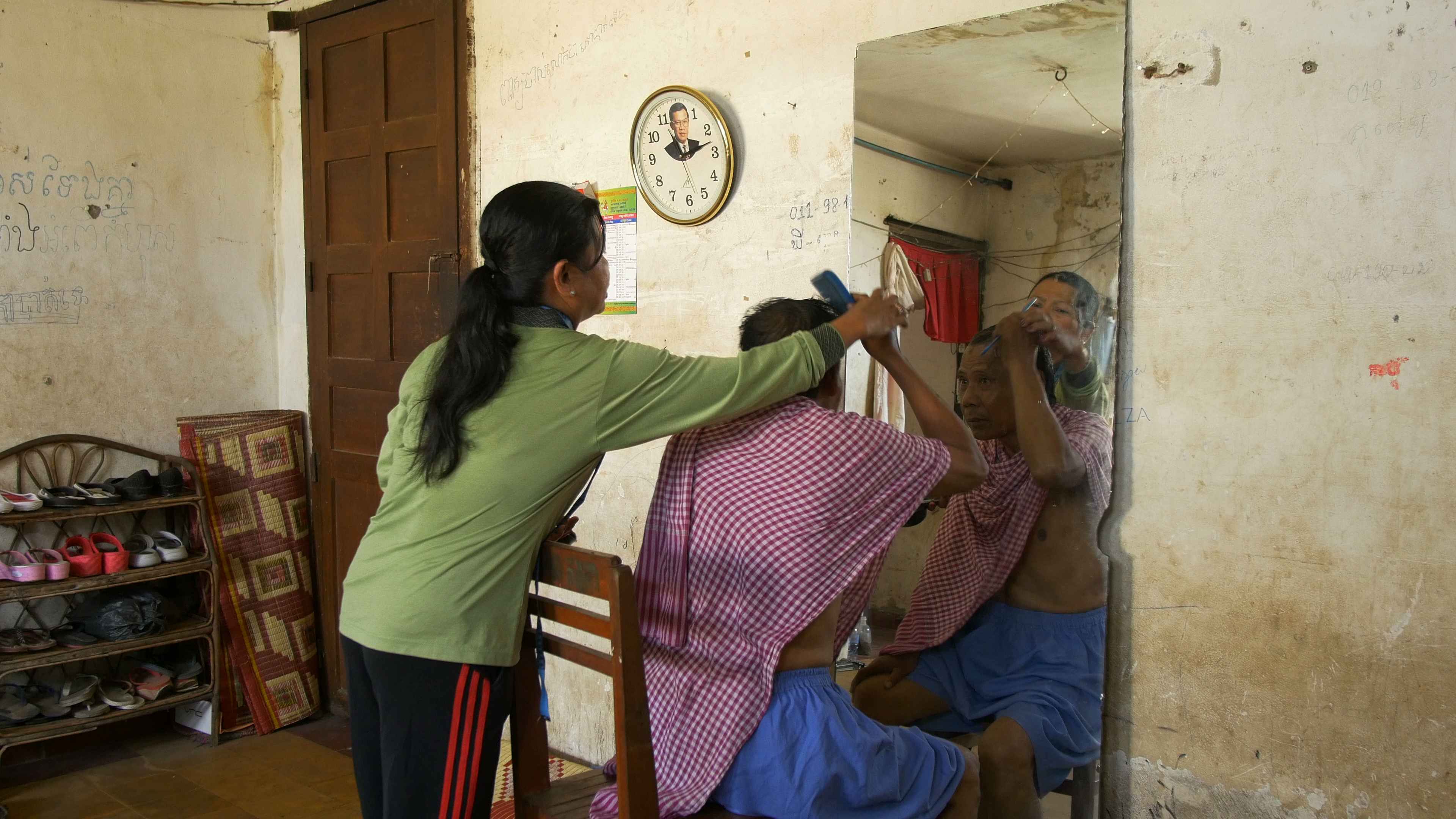
Kong Bei (Three Wheels) was an unexpected project before I decided to turn it into fiction. The story was inspired by the story of my parents, who were forced into marriage during the Khmer Rouge regime from 1975 to 1979. I first started this project as a documentary film about my parents. As I kept digging, I was not comfortable to learn about my parents relationship, since they had never openly told their story to my siblings. This is how I decided to turn it into fiction. When I wrote the story, I used a lot of imagination and freedom to approach it, but it was very challenging, since I had no experience writing fiction, so I wasn’t very good at writing the dialogues, just only a few lines in the film. But, as I spent more time thinking of telling a story with images and sounds, it became my main idea. Also, when I was on the set, I felt so free when I didn’t follow my original plan. For instance, in the wedding scene I didn’t plan to shoot exactly what I have now on film. I just began by asking the photographer for a rehearsal. From that request, everything flowed naturally, then I seized the moment and filmed it.
While I was writing this project, I used a lot of imagination to come up with each sequence. For instance, the opening scene was deeply inspired by many documentaries about the Khmer Rouge that I have seen; there were many empty streets in Phnom Penh, the capital of Cambodia, when the Khmer Rouge ruled. By explaining this idea in my film, I shot the sequence very late at night and chose a song from the Khmer Rouge regime. For the casting, I was very interested in working with non-professional actors, since it was a more interesting way to express realism, and it also added a layer of imperfection to the film. To me, this story really reflects the current Cambodian society, the way how parents decide their children’s marriages.
Kavich Neang in a statement to PLATFORM:VB (August 2017)
Kong Bei, 2015 | Video, 20'20"
Kavich Neang
I grew up in the White Building, an iconic and historical building in Phnom Penh, which was built in 1963, and designed by the Cambodian architect Lu Ban Hap and the Russian architect Vladimir Bodiansky. I lived there my whole life and what I heard and saw everyday were my neighbors, who were artists, singers, dancers, musicians, circus performers, architects—there was even a sculptor, like my father. This is how I started learning Cambodian dance and music when I was fifteen years old. Later on I studied graphic design at the university. From the moment I came up with this project, I wanted to shoot it at the White Building.