Closet / Revoada + Poça II / Sala de jantar
2016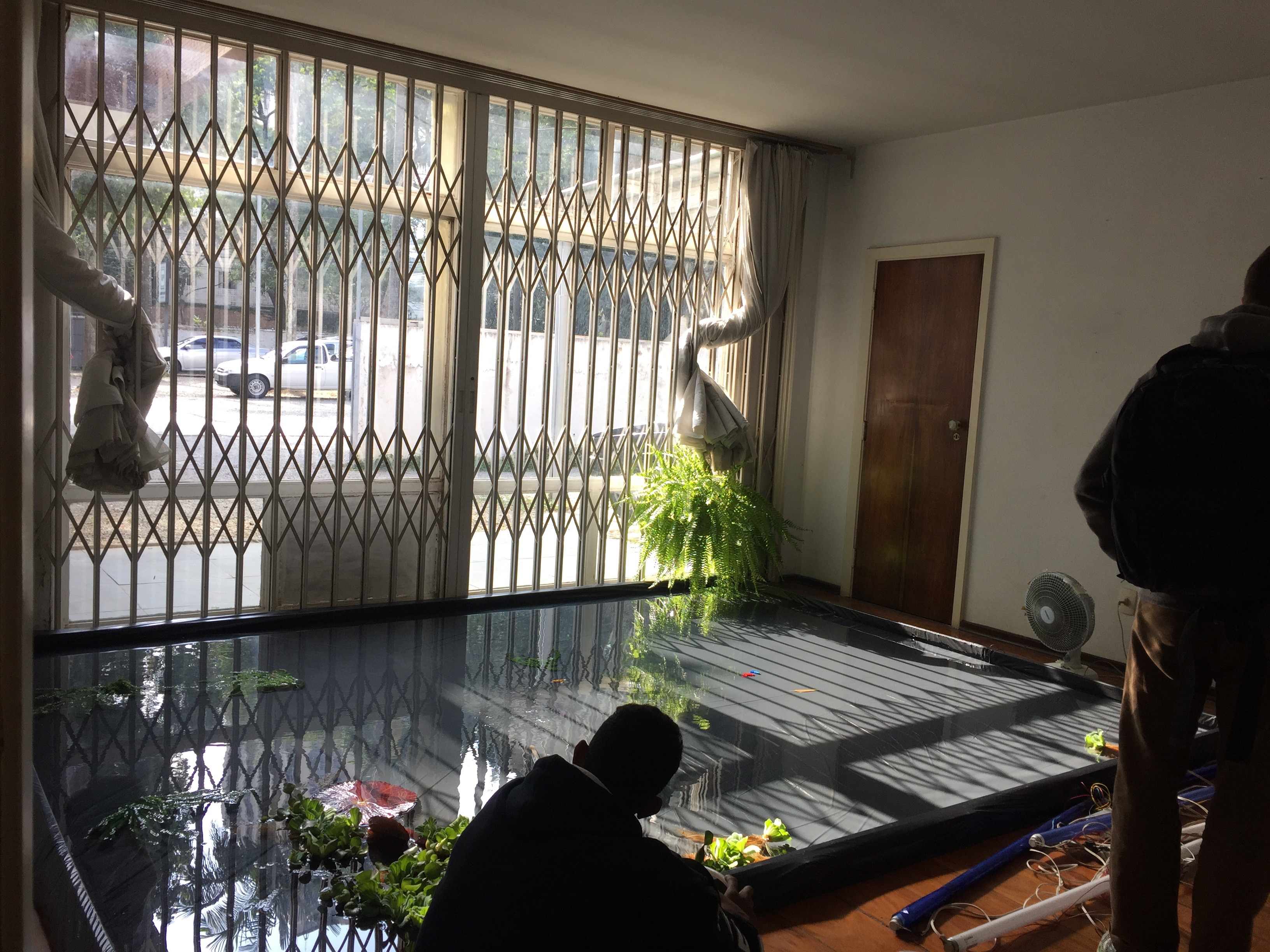
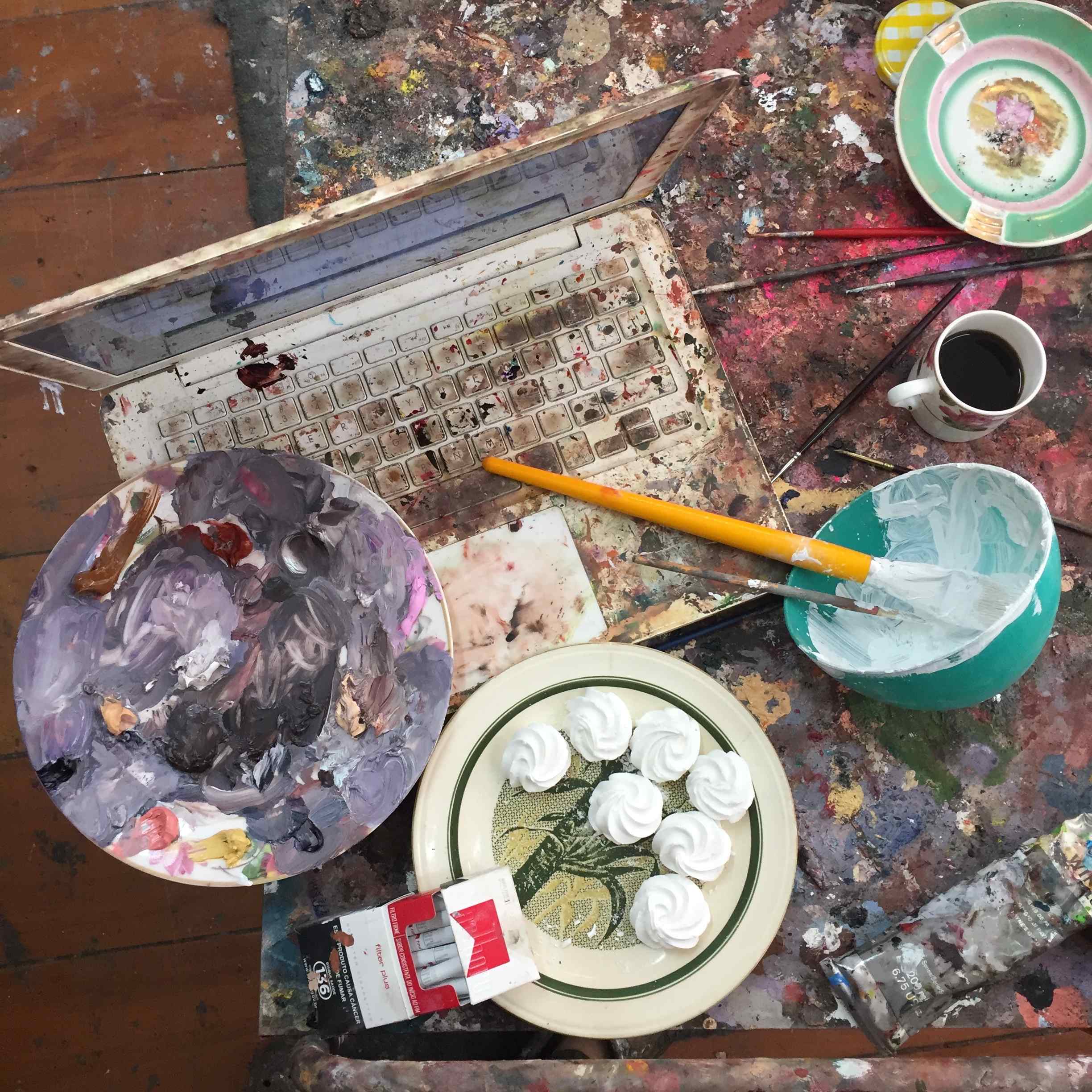
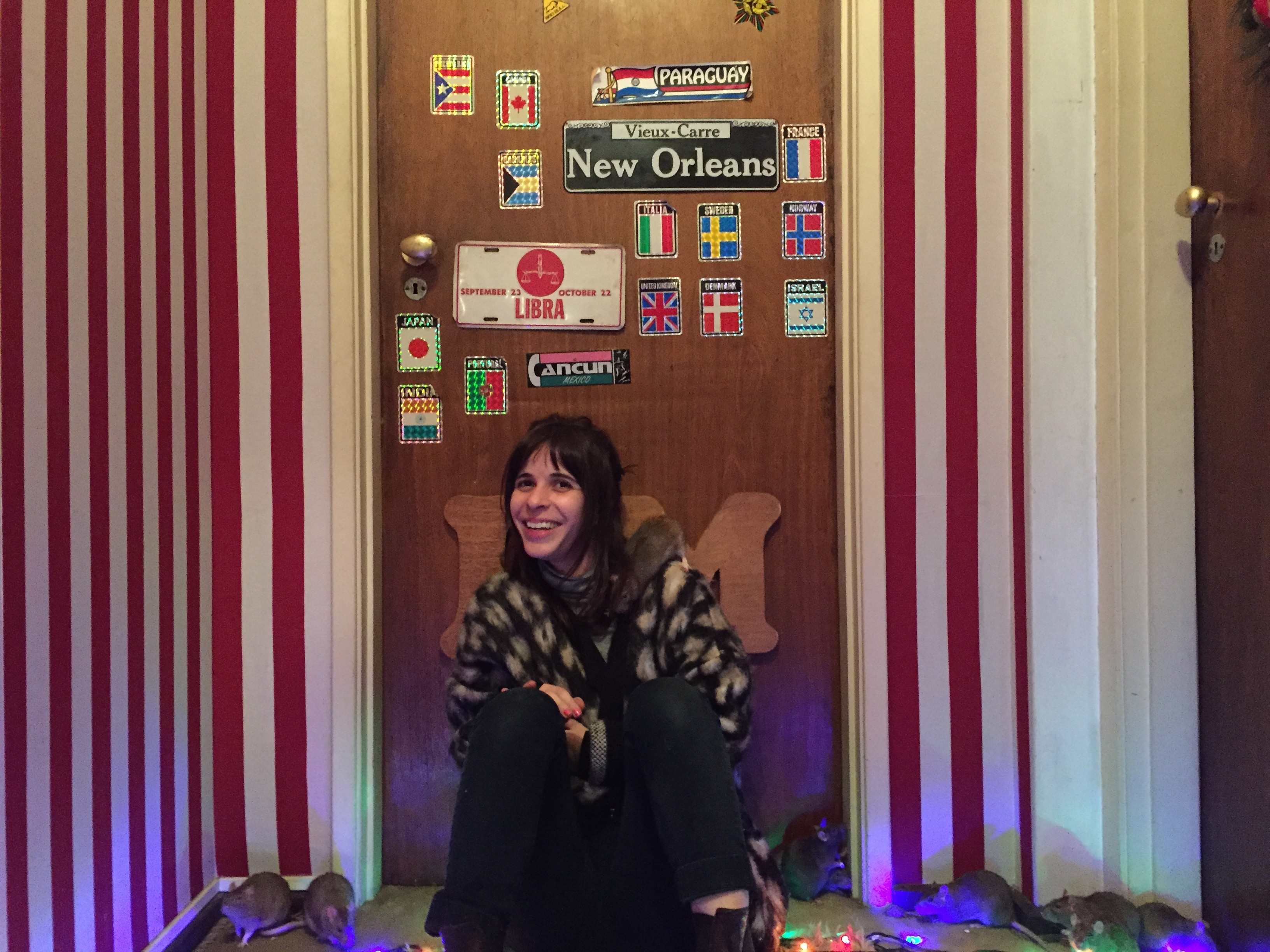
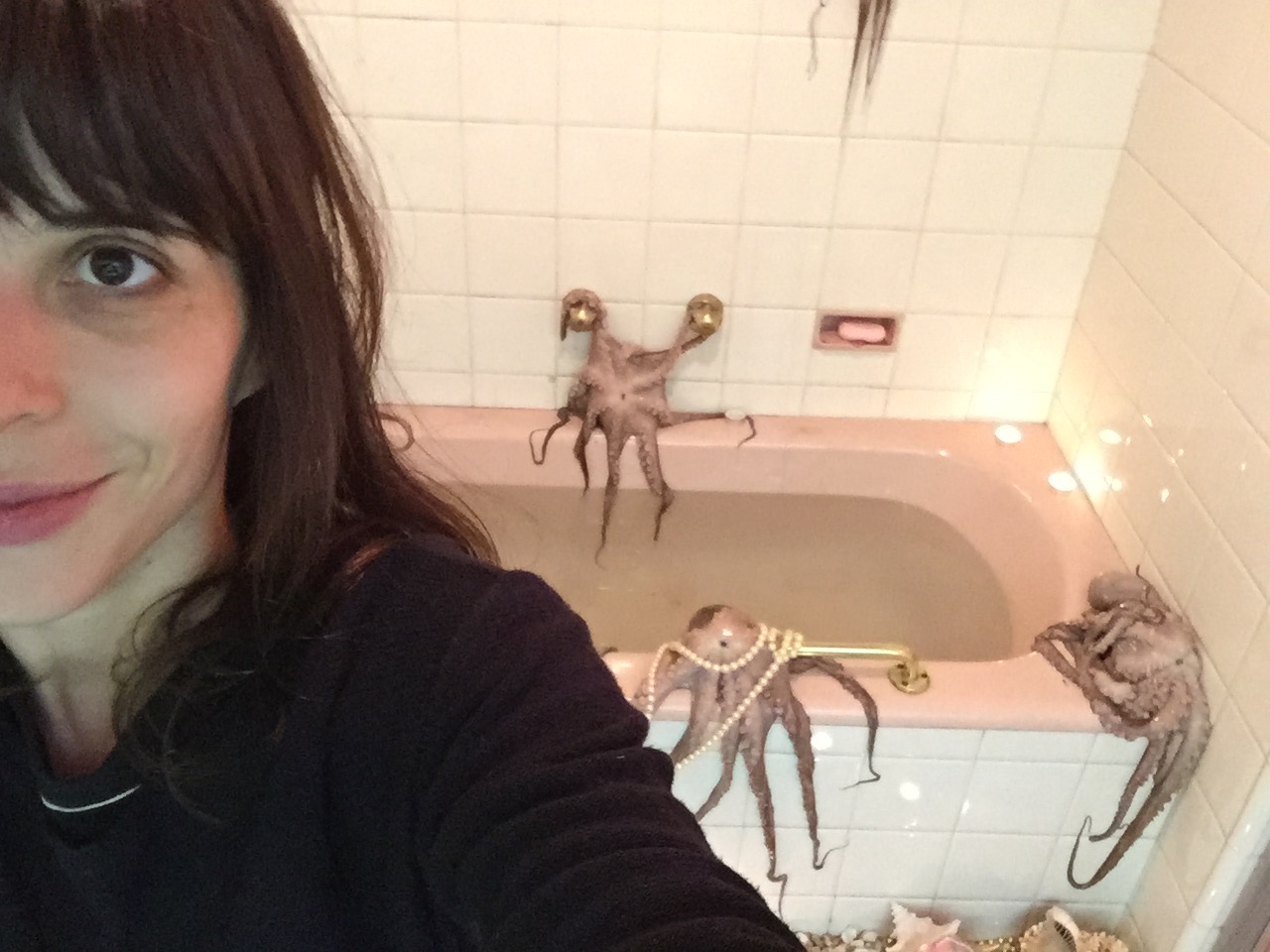
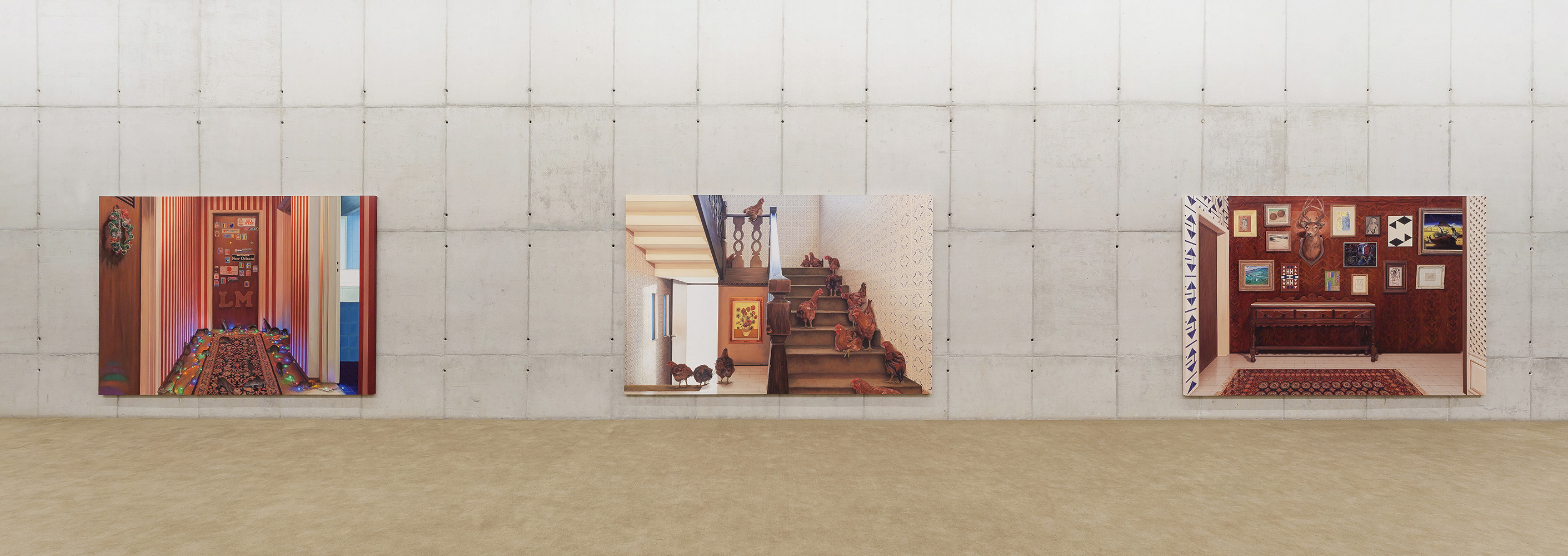
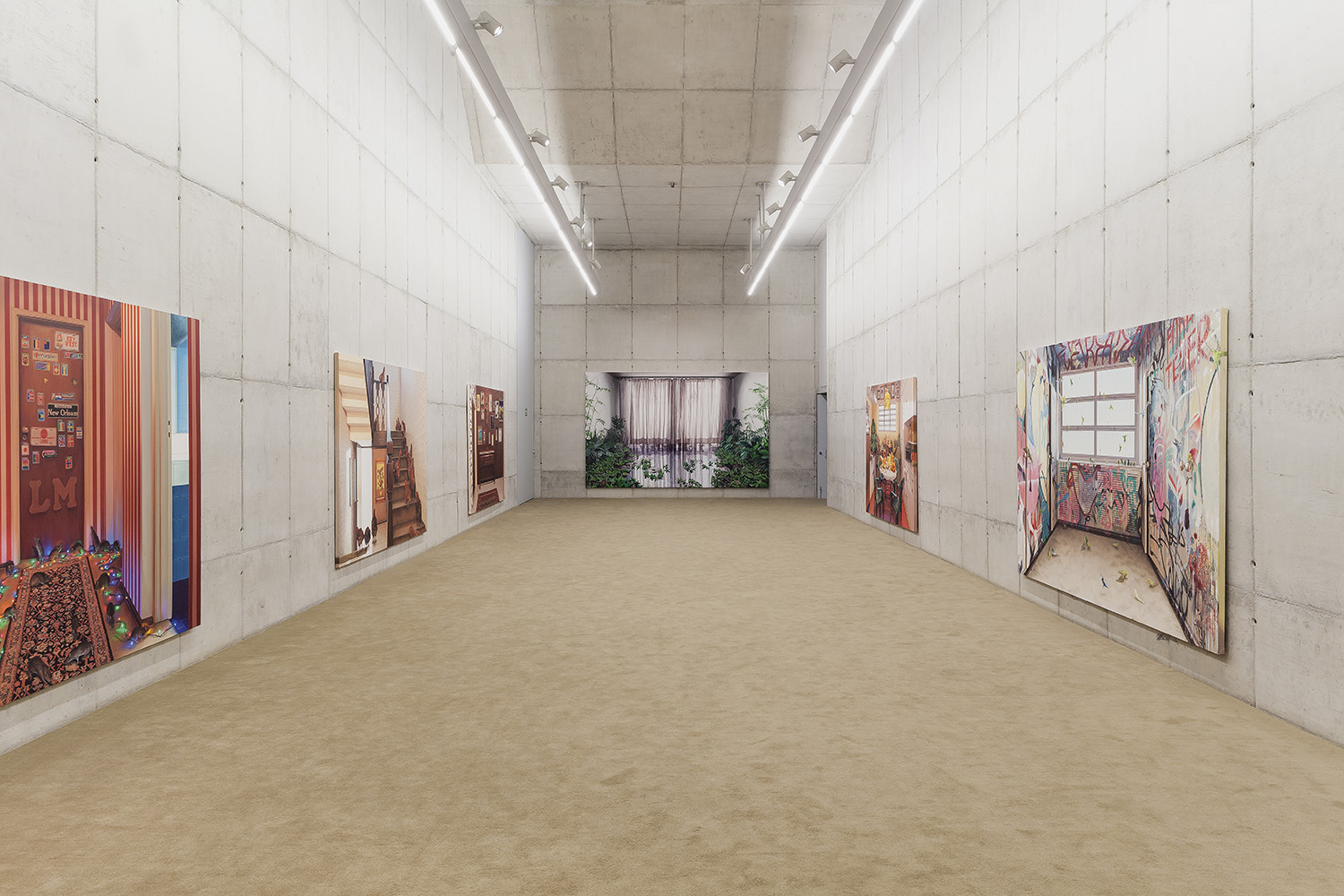
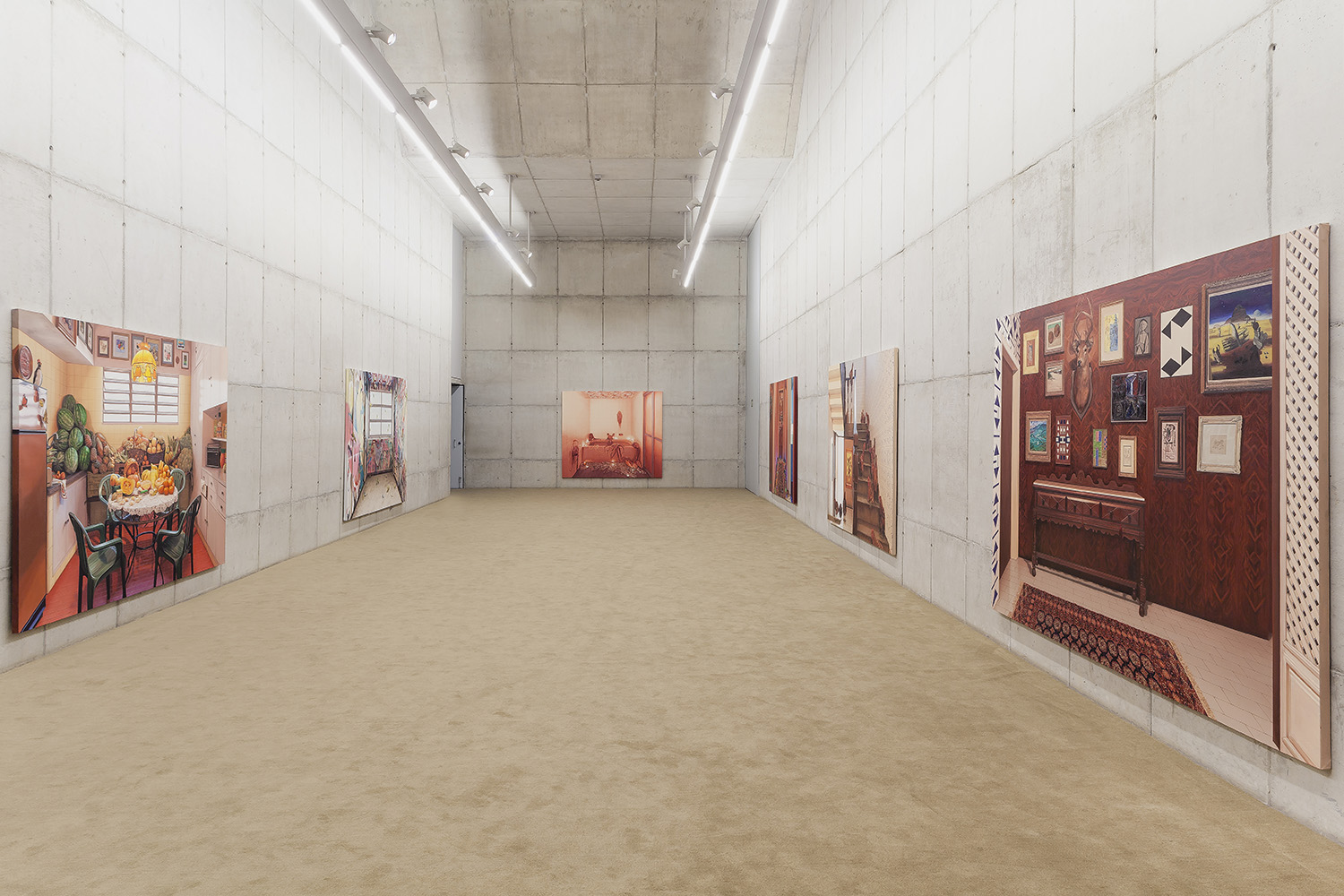
For some years now I have been creating paintings with complex compositions, full of disparate combined elements, emphasized by the effects of light reflection and virtuous reproduction of materials and textures. They usually portray abandoned places within which I seek to construct fantastic narratives through elements inside them.
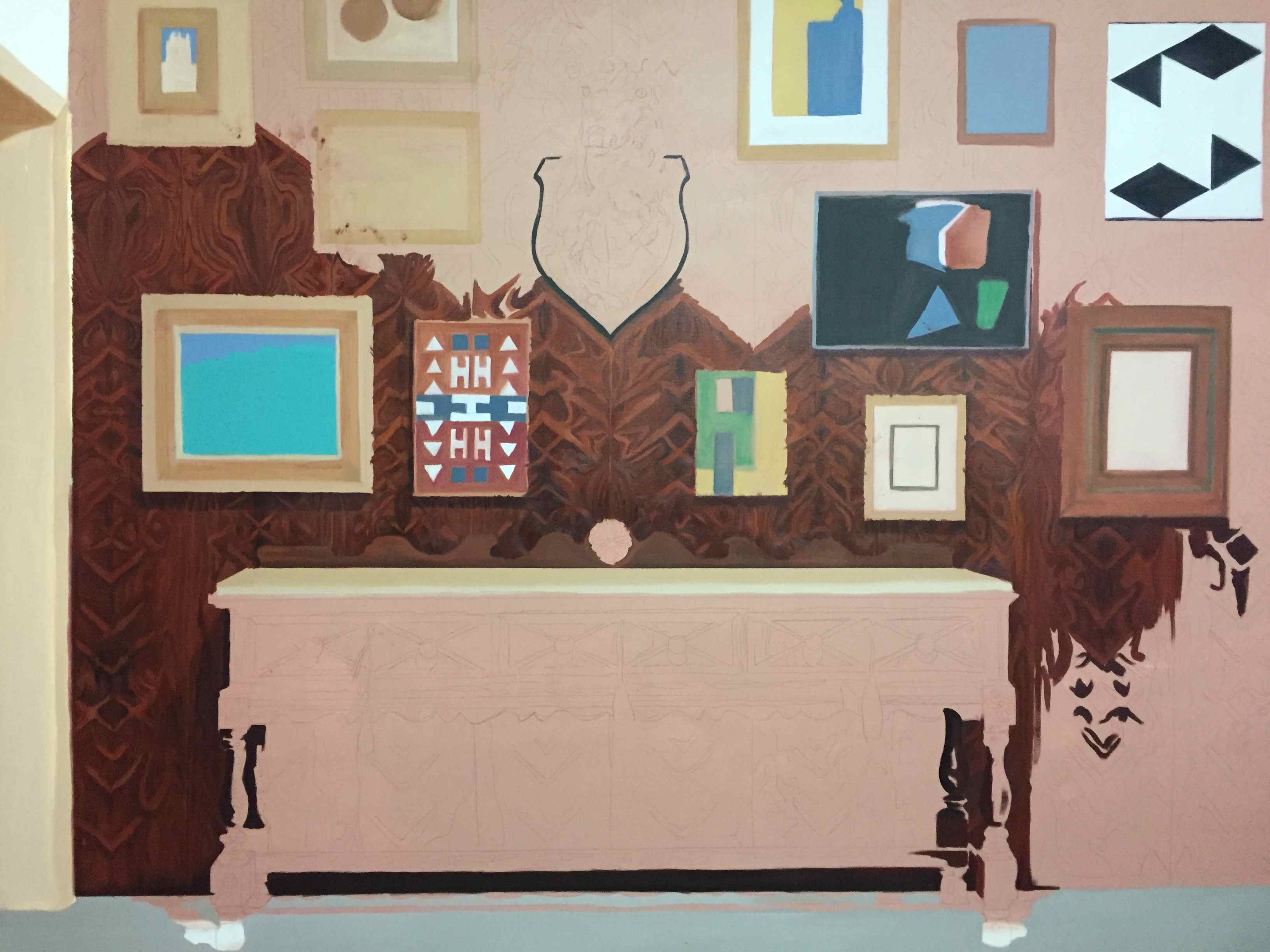
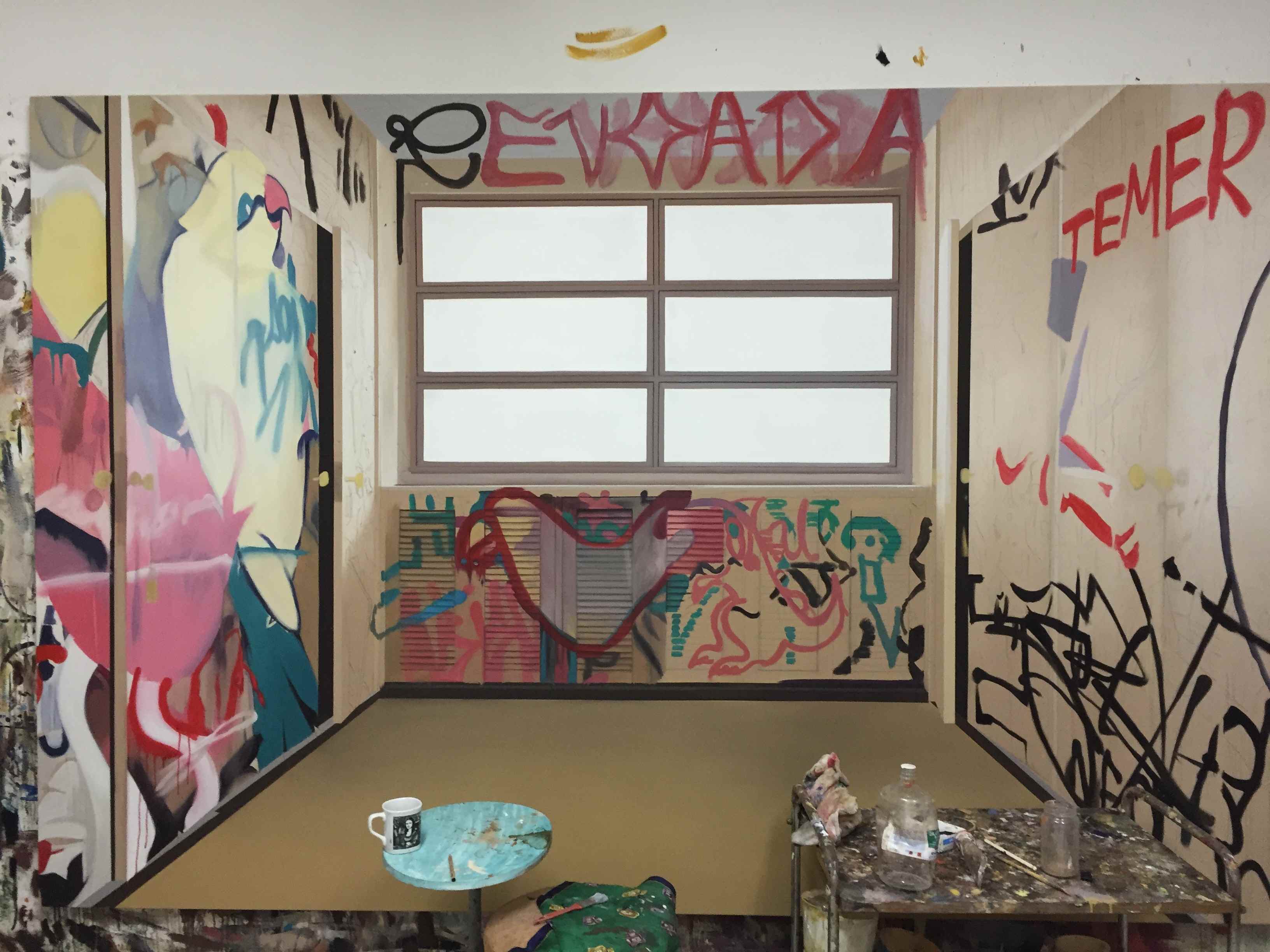
In these works selected by the festival (Poça II/Sala de jantar [Pool II/Dining Room and Closet/Revoada [Closet/Flight]) there was not difference regarding the theme and the way I paint. However, in the Jacarezinho, 92 series, of which these works are part, I developed a totally new form of production. Before, the depiction of the houses I painted was made through collages, that is, I looked images up on the Internet or photographed elements and elaborated on the computer the image I would paint, searching for relationships among decorative elements of different origins—animals, glasses, lights. Then they were all “united” by the painting, and in the process I became increasingly more demanding over the years.
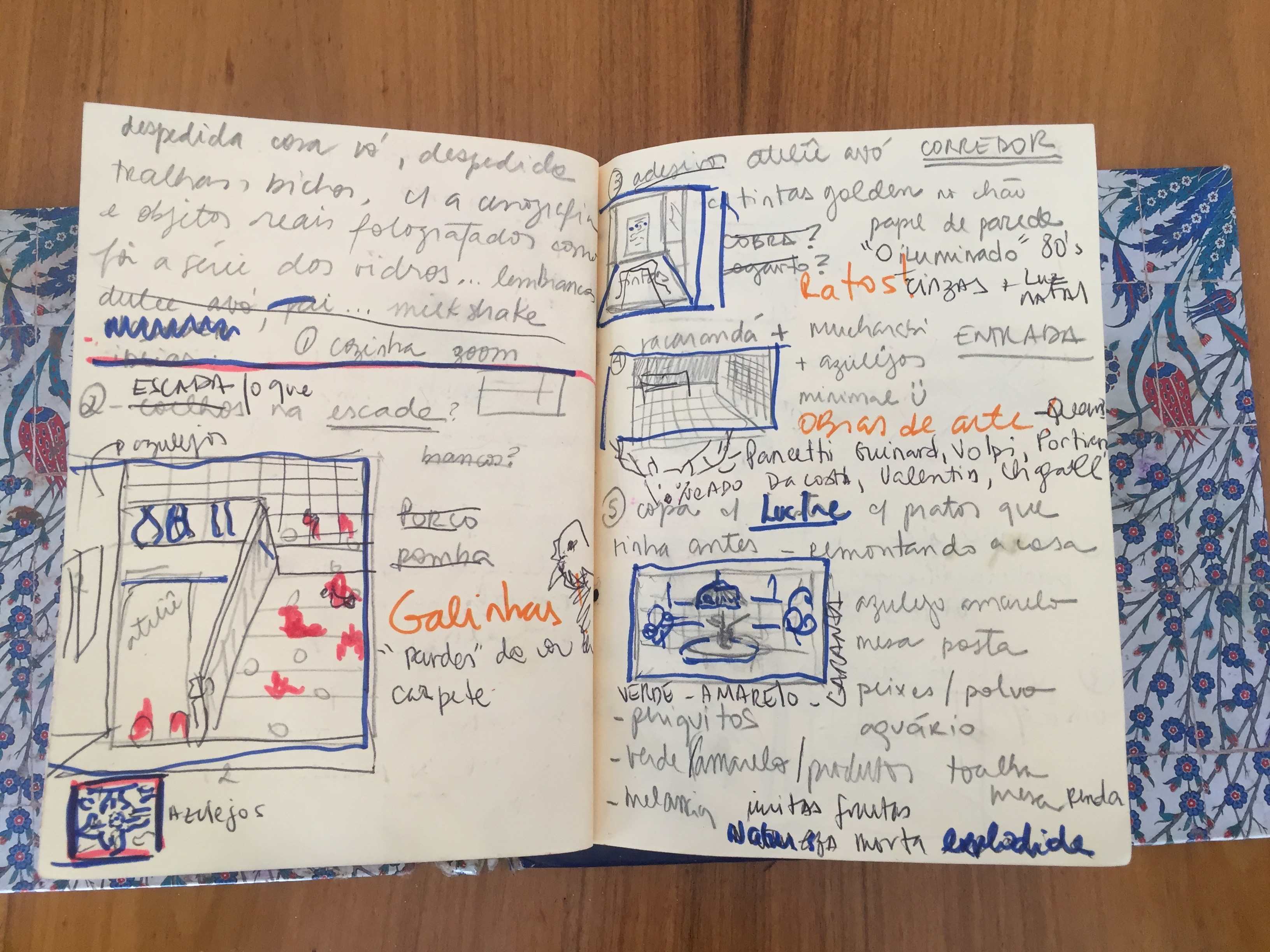
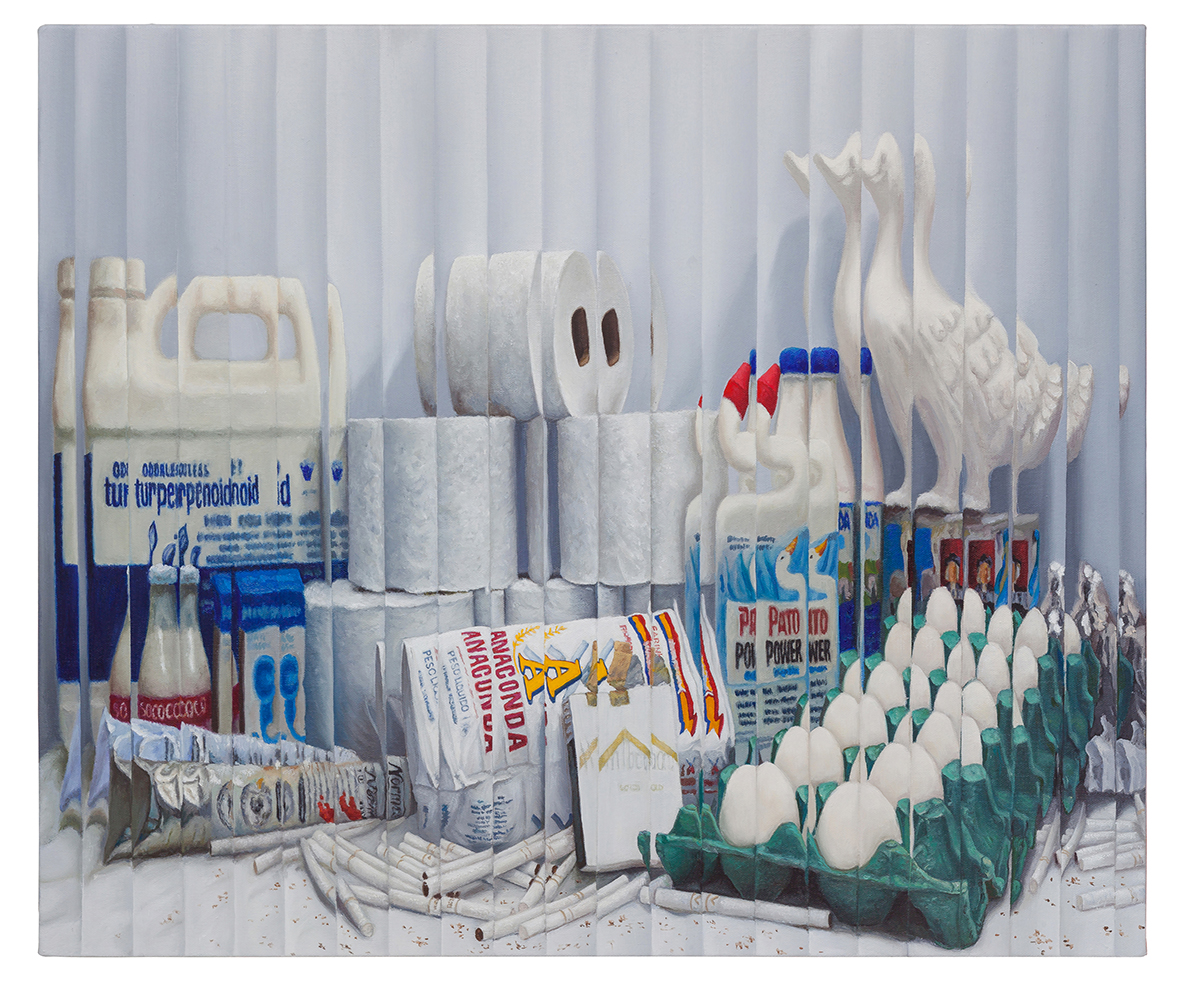
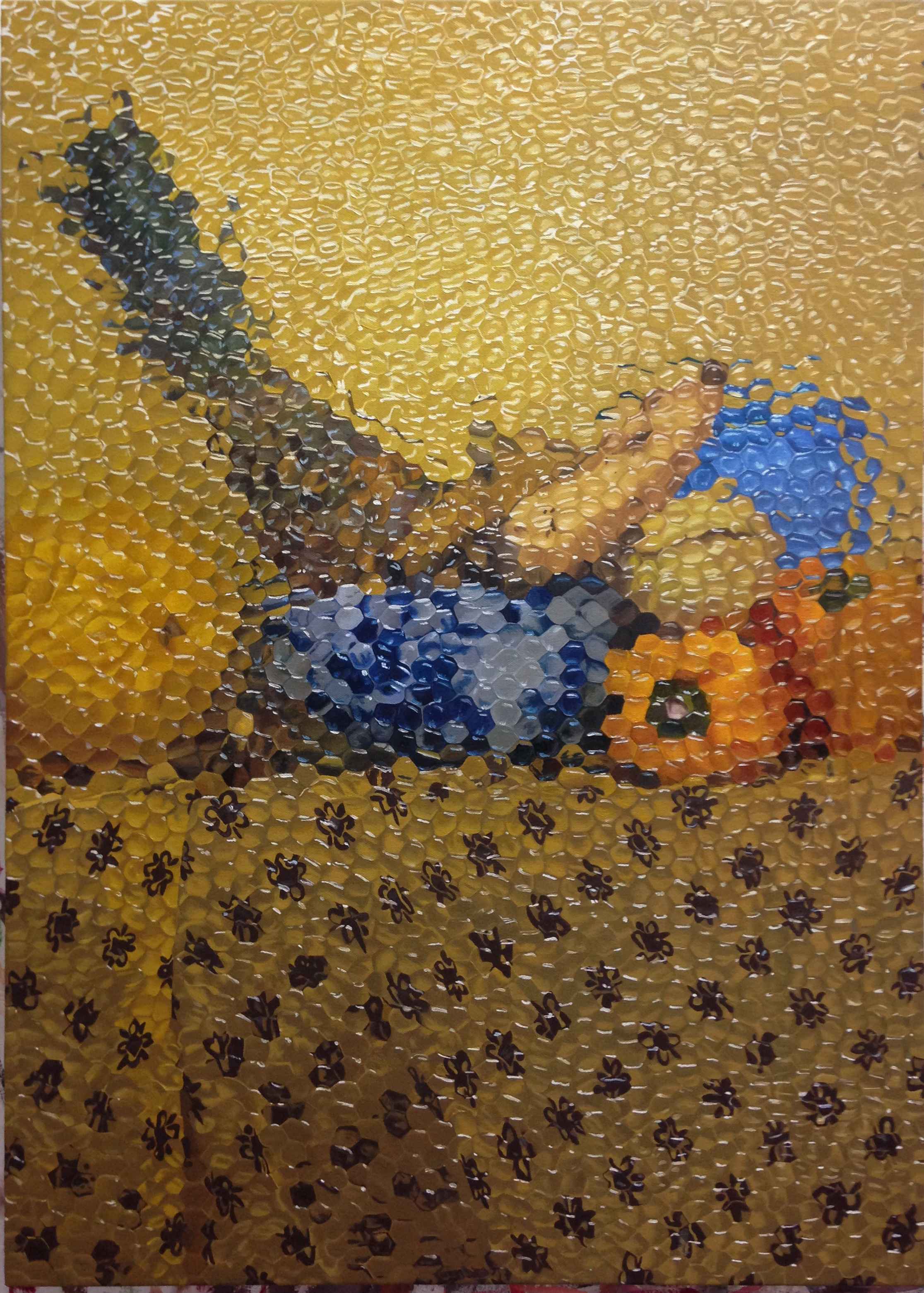
It was from the series that I exhibited at Tomie Ohtake last year (21 still lifes through textured glasses—which distort the image, such as hammered and corrugated glasses) that, for the first time, I photographed the whole scene that I would paint. This idea grew from the scale of the object to the scale of the architecture, and in Jacarezinho, 92 I made temporary installations in my grandparents’ house, where my studio is located in the last nine years, producing sceneries with all furniture, coverings, objects, plants and animals that I wanted to be in the painting. First I did sketches in my notebook, developing the story I wanted to tell in each room, trying to give an account of both the memories this house carries and of some of the main themes of my creative universe, such as reflections, windows, floods, and so on.
The question was: can I accomplish in the real world the fantastic worlds I’ve created before? Then I flooded the dining room, building a four-by-five meter water mirror under the old curtain of the house, filling it with aquatic and creeping plants; I hired animals that would be released around the house; I looked for props, and then I chose the precise moment of the day to photograph. After all this, it took me ten months to finish the paintings on 1:1 scale, and everything changed completely, because the painting has its own logic and all the codes change. It was a major challenge!
As always in my research, I keep insisting on the question of taste, in the issue of the excess that is kitsch, but that can be corny, beauty and common sense. But this series has raised new questions for me. The first concerns the staging of painting, which made me think of the term “post-truth.” Braque said that every painting is a pictorial fact, not an anecdotal one. The staged feature is part of the history of painting; however, to construct this whole scenario and then to paint realistically has brought the boundaries between reality and fiction together and has definitely left the veracity of the image in the hands of the spectator. A very common situation in the contemporary world: how can we rely on advertising, social networks, images of fashion models in magazines? Nothing is usually true and I don’t know how much we care about it.
Another issue is space-time. When I worked with virtual collages, for example, mixing a Cuban tile in a house with a classical European architecture, or a Frank Lloyd stained glass window with a Mount Fuji landscape, I sought to find a utopian place, and the realistic-fantastic content was in the question of space, of this place “without geography.” Today, the house depicted has an address—92, Jacarezinho Street—, but the work of light design, the mixture of some symbolic and archetypal props from specific decades that existed in this house, from the 1950s until today, made me think in the question of time, how these paintings full of nostalgic memories and other current banalities confuse the notion of time. I've been thinking about this.
The preparation of the Jacarezinho, 92 series began in April 2016, and I presented a group of seven paintings at Galeria Leme in March of this year. The work is still ongoing and I am now focusing on some paintings that did not make the exhibition.
Ana Elisa Egreja in a statement to PLATFORM:VB (June 2017)
Closet / Revoada, 2016 | Painting
Ana Elisa Egreja
Poça II / Sala de jantar, 2016 | Painting
Ana Elisa Egreja
Speaking of painting, the one developed in Holland in the 17th century has always been my greatest reference, both technically, for the virtuous way of painting, and for the domestic theme. This genre painting—interior and still life—permeates my work since college, but the content of the work changed, since with time I noticed that, to me, the theme is as important as the paint on the canvas, and painting is at the service of a narrative. Today I find myself researching more photographers than painters, with similar ways of thinking as me, such as Jeff Wall, Louise Lower, Thomas Ruff, Philip-Lorca diCorsia, among others, a process always in progress, inside and outside the studio.
Images, texts and videos about another project here.