It’s a perpetual way
2014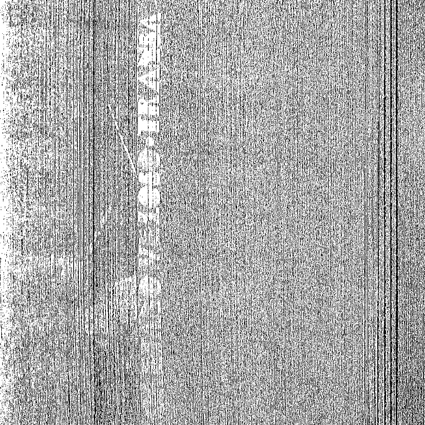
It’s a Perpetual Way (2014)
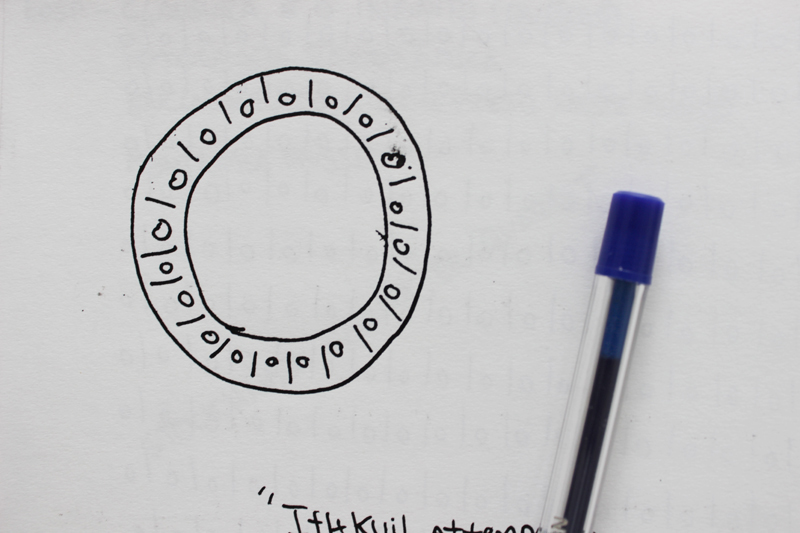
Ritornello (2015); annotations on the artist’s notebook illustrating the repetition in It’s a Perpetual Way
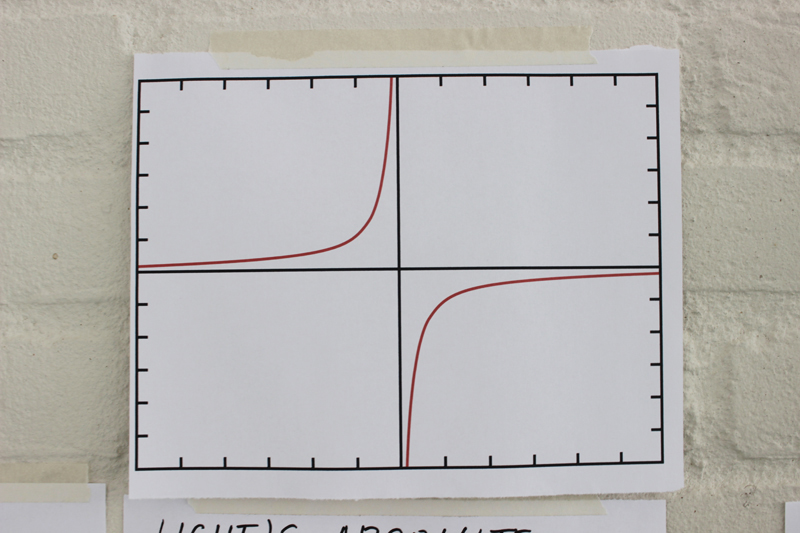
Tendendo a zero, tendendo ao infinito (2015); sketches for the flag
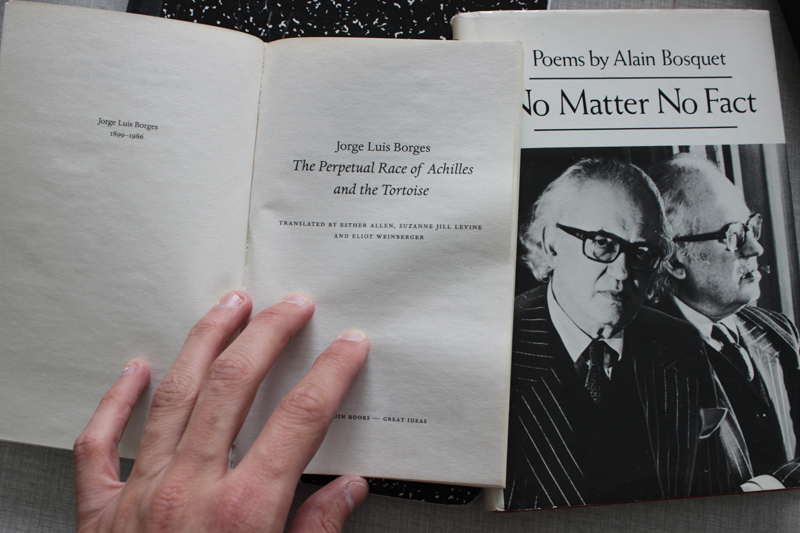
Bibliographic references for It’s a Perpetual Way
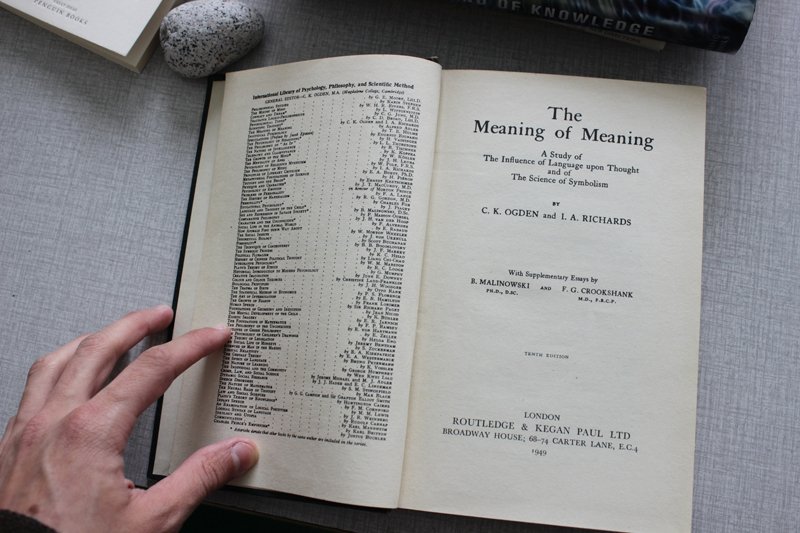
Bibliographic references for It’s a Perpetual Way
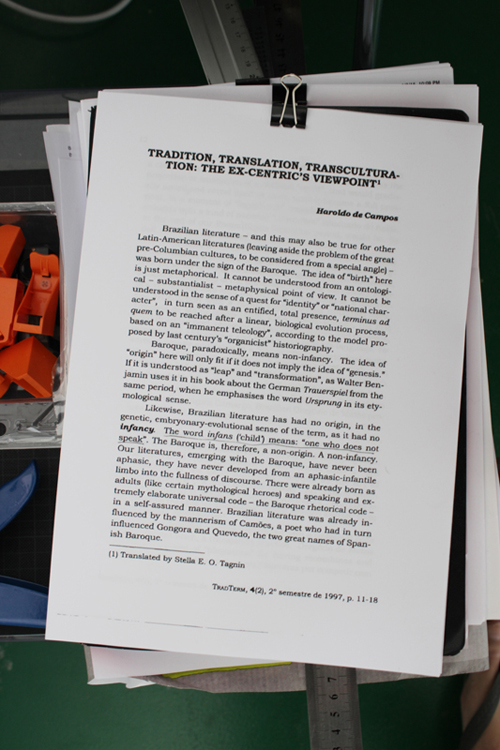
Bibliographic references for It’s a Perpetual Way
“It’s a Perpetual Way is a sound installation based on an excerpt from the song It’s a Long Way, by Caetano Veloso, featured in the 1972 album ‘Transa’. The album is loaded with political overtones, stemming from the fact that it was released during the musician’s sojourn as a political exile in London. His recurrent quotes and re-readings of old Brazilian pop tunes and his combining of Portuguese and English are manifestations of his political views of then.
Revisiting this material and re-contextualizing it in a contemporary art circuit is a means of putting its original political meaning in perspective. This song captured my attention because of the formal resources it uses in both the Portuguese and English languages. The only similarity I share with the musician is the fact that we are both away from our country of birth — due to incomparable circumstances, by the way. Maybe because one must think and express oneself in the language of the other, such linguistic maneuvering ends up being employed to compensate for a lack of familiarity with a foreign language.
The work emerged from a research on the utilization of verbal resources that underscore the materiality of language, through its sound and typographic aspects. Such resources are self-referential and demonstrate the awareness that all language, without exception, originates from a body and, upon attaining its corporeal state, becomes susceptible to the limits, distortions, imprecisions and contingencies of said situation.
To evoke the poet Haroldo de Campos, the word that is self-aware considers the aspects of its 'concretion' as a fundamental condition for its propagation and distribution. The legacy of concretist poets is precisely this: the articulation of corporal awareness of the word.
In It’s a Perpetual Way, repetition presents itself as the primary linguistic resource. By lengthening the duration of the word ‘long’ and repeating its first syllable multiple times, form and meaning coincide and become flattened out. The piece is a loop that contains this repetition for an entire bar of the song, delaying the final portion of the word infinitely.
The piece’s title is both reminiscent of the song’s original title and of the ancient mathematical paradox of Zeno: if in order to go from a point A to a point B we must first arrive at a point C, which is the exact midpoint between A and B; and if in order to arrive at a point C we must first arrive at a point D, which is the midpoint between A and C, and if in order to arrive at point D we must arrive at a point E first, and so on, then we will never reach our destination. The perpetual path thus described becomes the image of a more comprehensive process that is also continuous and endless, about the impossibility of reaching final, absolute meaning through language — all we do is experience part of the loop."
Daniel Frota in a statement to PLATFORM:VB (July 2015)
It’s a Perpetual Way, 2014 | Sound installation
Daniel Frota
Caetano Veloso (1971) | Maria Bethânia
Going to the market – At sunrise a cry was heard | Guy de Cointet
GALAXIAS: 1ª parte: E começo aqui | Haroldo de Campos
“The growing awareness during the 60s of the impossibility of transparence of language provides the backdrop to my research. Mel Bochner’s work and the semantic constructs featured in the dialogue and objects from pieces by Guy de Cointet and Robert Wilhite are important references for my work.”
“At the same time, the notion of ‘limit’ set forth by the poststructuralist current frames up the aforementioned language constructs and denies the existence of a universal, absolute meaning, rendering official the coexistence of multiple readings. In doing so, it ultimately touches upon more overarching issues, such as the limits of knowledge and issues relating to linguistic reality. Benjamin Lee Whorf posited that if all human thinking depends on language, then the categories and structures of our language are also responsible for shaping the social and cultural parameters of our reality. In this sense, my practice looks to explore the mutual influence of our communication systems and sensory apparatus, our linguistic structures and our senses.”