In the traveler’s heart
2013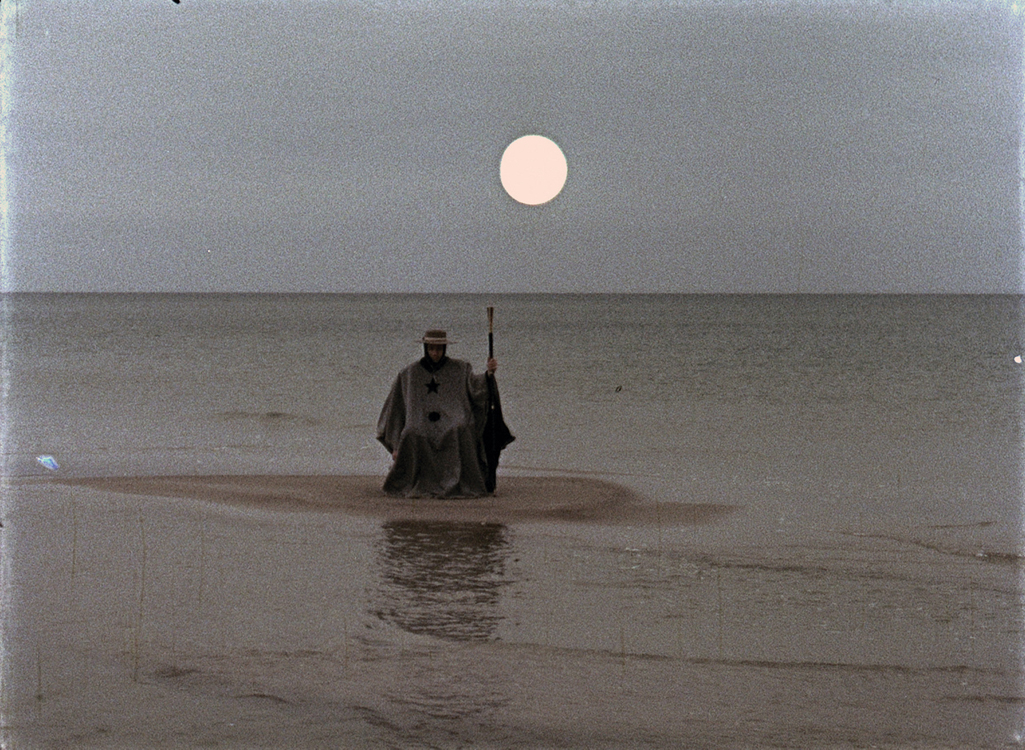
In the traveler's heart video still
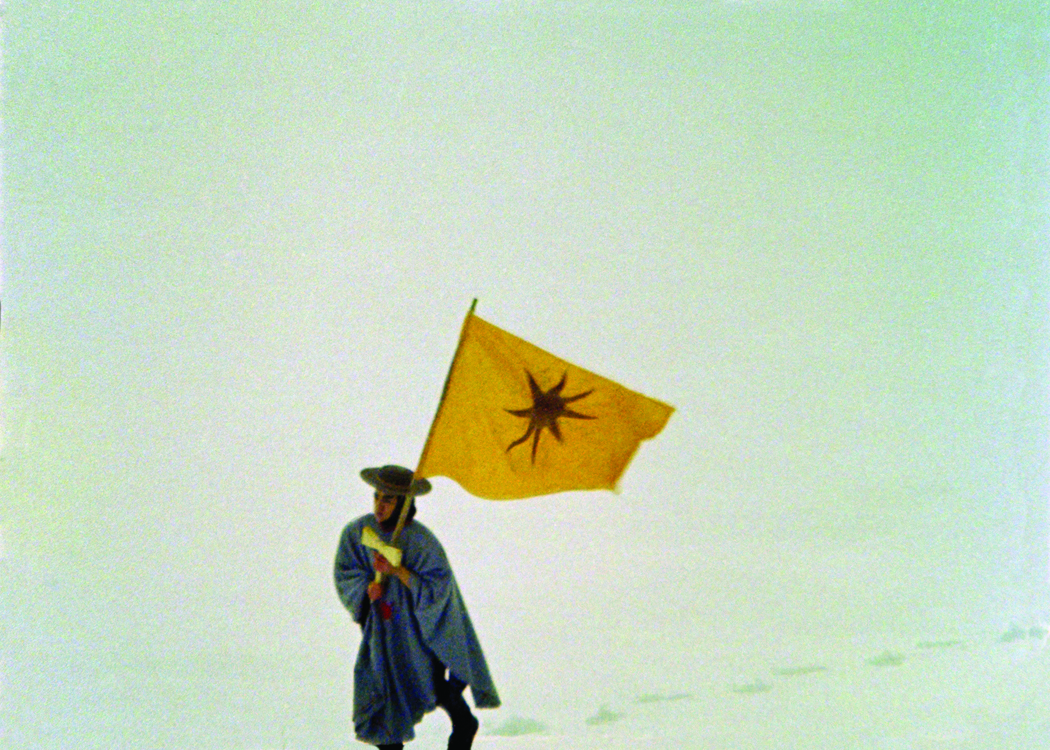
In the traveler's heart video still
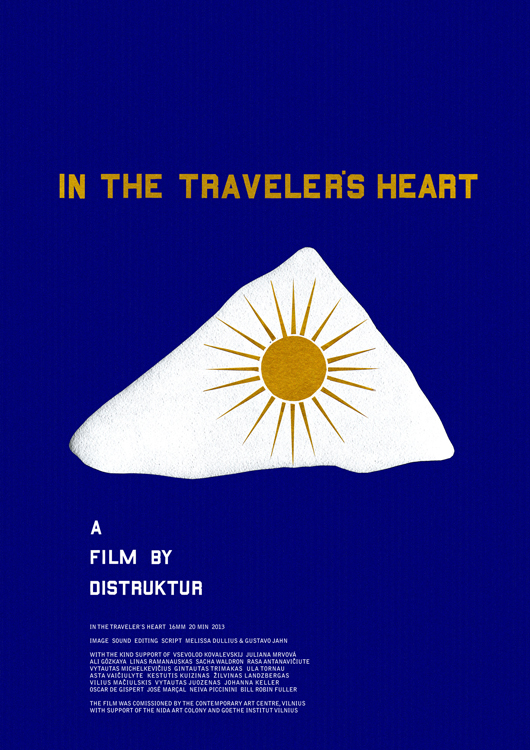
Video poster
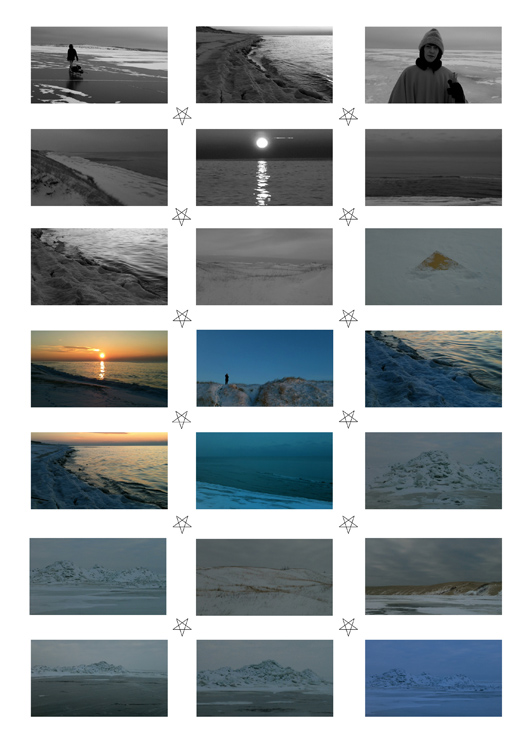
Locations research for In the traveler's heart (2013)
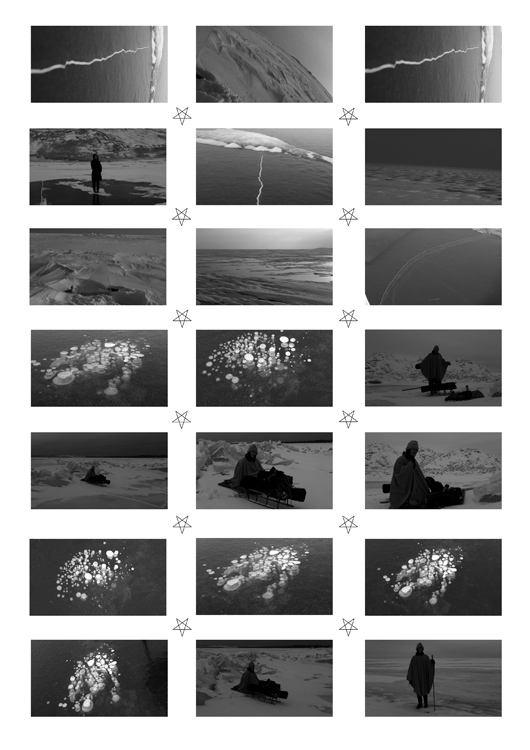
Locations research for In the traveler's heart (2013)
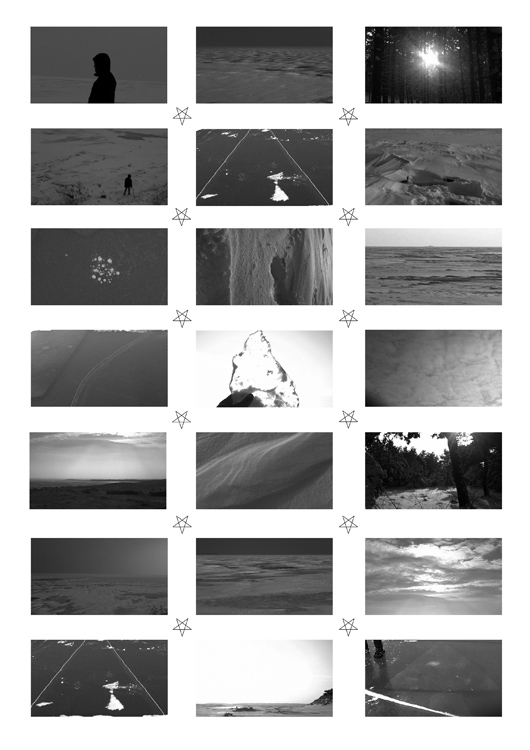
Locations research for In the traveler's heart (2013)
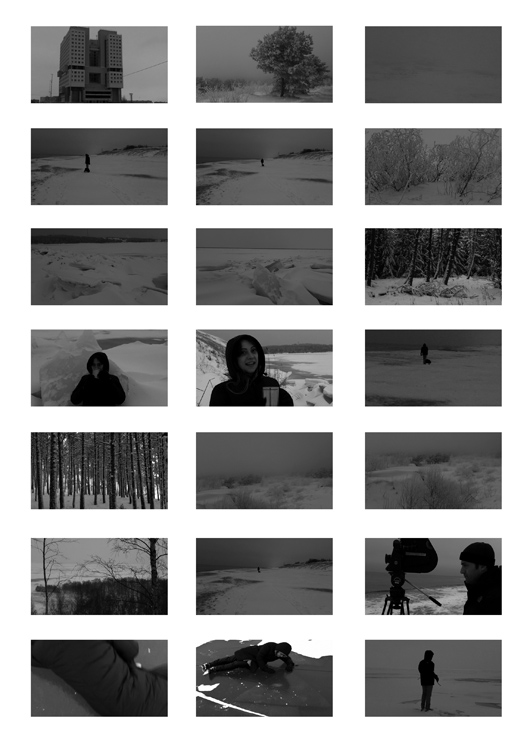
Locations research for In the traveler's heart (2013)
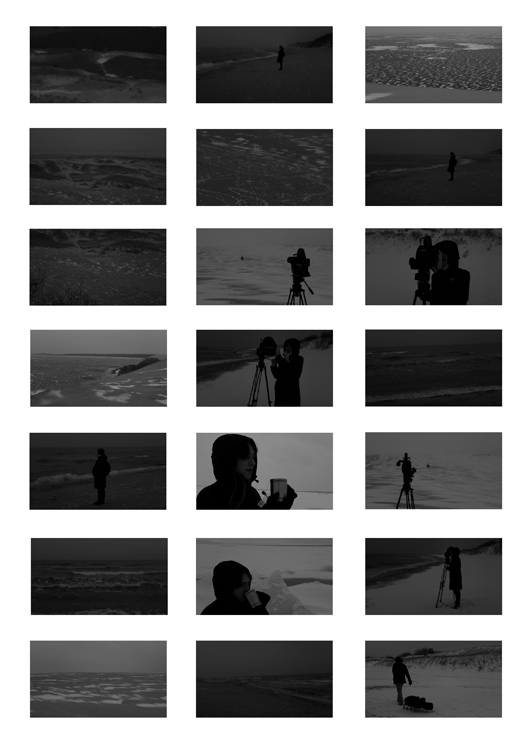
Locations research for In the traveler's heart (2013)
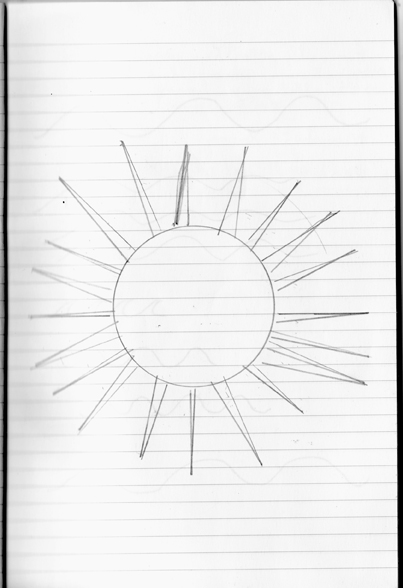
Filming diary for In the traveler's heart
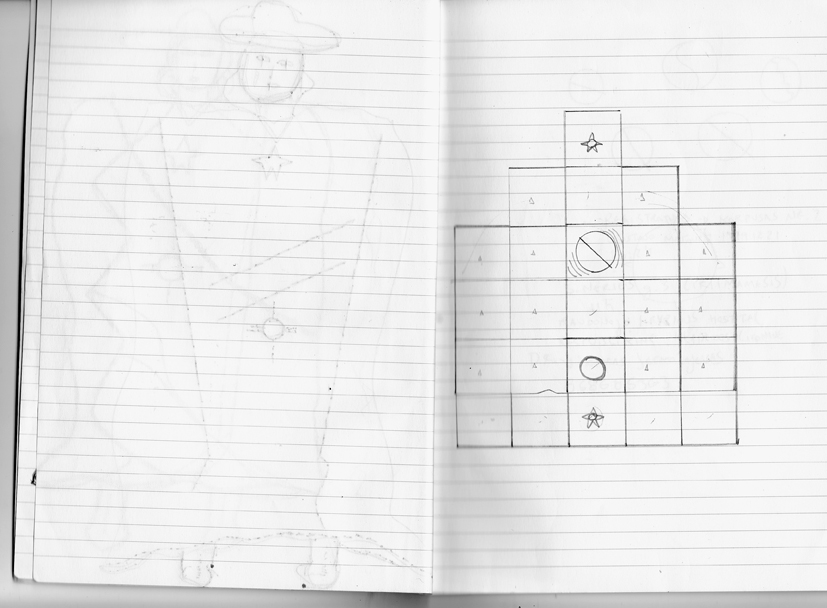
Filming diary for In the traveler's heart
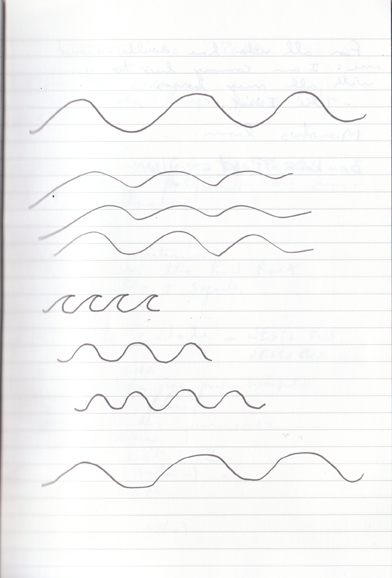
Filming diary for In the traveler's heart
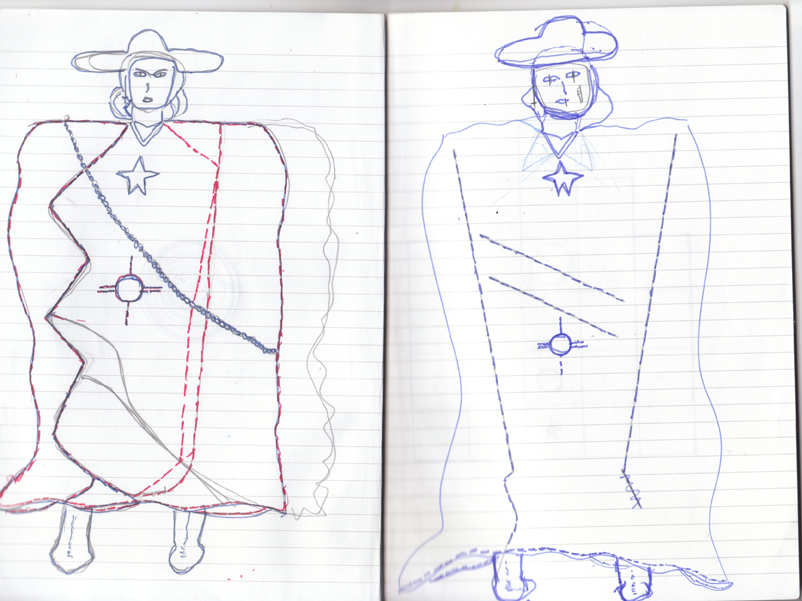
Filming diary for In the traveler's heart. Costume details
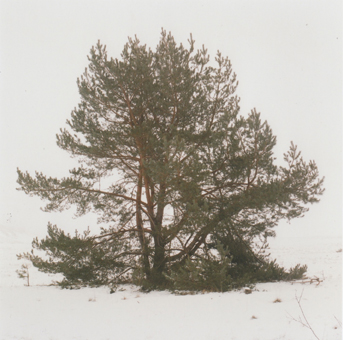
Medium-format 6x6 photograph, untitled. Taken in Nida Blanca (2013)
Blessed is the one who waits in the traveler's heart for his turning.
L. Cohen, Poem 50
"In the traveler's heart was made during a two-month artist residency in Nida, a village by the Baltic Sea, in Lithuania. Lithuania was the last country in Europe to be Christianized, and until this day Lithuanians describe themselves, with a mix of humor and pride, as a pagan people. In most places where Catholicism is the official religion, it has been imposed by forces extraneous to local culture and habits. However, few are the places where the awareness of this imposition is as strong as in Lithuania. Being pagan can be understood as being sensitive to the influences of the forces of nature and the forms they assume in the real world. This film, in short, follows a traveler who arrives by sea in an unknown land and whose fate is shaped by the local atmosphere.
We were invited for a preliminary visit to Nida, a few months prior to the residency. In that first trip, we mapped the local geography and we basically filmed the solar discus. We named this pre-work Os Adoradores do Sol (The Sun Worshippers), and this led to the idea of making the sun the central element of the film. When we returned, we travelled with a veritable caravan and, apart from equipment, film and chemicals, we brought a set of pictures and representations of the sun, from various sources, as well as textiles and materials for building the costumes and props, which had already been chosen by then: one traveler on foot, wearing a poncho and carrying a flag, and his double. The double, angel or demon, a loyal companion, real or imaginary, is a lot like the traveler. We wanted viewers not to know right away which of us they were seeing, and to be sure only that there were two figures — rather than one single character played by two actors — in the scene where the two meet and stare each other down.
Besides the concepts of South (southern region of Brazil), Magic, and Trip, we had in mind a film from a remote, pre-technological era that predated cinema. A film that could re-update the past, a film composed of images and sounds, which could transport the viewer to the edge of an abyss from times immemorial. We attempt to express this by prioritizing the character’s gaze upon the things around him, the surprises and the terror that the unknown causes him.
During our first weeks in Nida, we explored the space looking for locations. This defined the film’s geographical narrative — the path to be taken by the traveler. In places where nature reigns, changes take place very fast when compared to urban centers. Over the course of one single day, the landscape can change drastically. The frozen lake that one could walk upon soon melts and becomes inaccessible, or the dunes that are constantly resized by the wind. When one of us walked alone and found a landscape we wanted to show to the others, by the time we would return, the place would no longer be there.
The challenge we posed ourselves was to build a narrative on images, one that required no words. The craftsmanship aspect had to permeate everything that appeared in the film and wasn’t a part of the local nature. Thus, we designed and built the costumes, the objects, and the golden panel with symbols on it that appears in the film. A small warehouse-room at the Nida Art Colony was converted into a laboratory, and at night, we would develop the 16mm negatives we had filmed during the day. We would use two cameras, a sound recorder, costumes and provisions. For transportation, we would put everything on a sled that we would push through the snow to the locations. During filming, we would switch roles back and forth constantly: one of us would film and direct while the other one performed.
The Traveler shows signs of his origins and culture, the poncho and the hat, the star and the sun, and he personifies an idea of Southern Brazil that identifies with the past, mysterious and mythical: among other sources, the film’s fictional universe is loosely inspired by the transnational culture of Southern Brazil. Thus being, we projected a few forms from the South upon the Lithuanian landscape. In Nida, we would call one of the locations 'pampa', because it reminded us of the round-shaped hills and low vegetation where the gusting wind blows, a wind known in Rio Grande do Sul as minuano. In literature, we drew from J.L.Borges' tale The south, in which the south represents the past — in the case of this particular fiction, a traveler through space-time. As the tale’s character goes further south on a train, he moves backward in time, disembarking in the past. The idea of southbound movement, like a return to the past, echoes our own history and roots, because Southern Brazil is the region where we both were born and raised, and which we both left many years ago.
In this relationship with the south, we are interested in the question of time. In our films, we insist upon the importance of the nature of a specific space, which can be understood concretely as the local air or atmosphere, and influences and determines the local shapes. Extrapolating this concept, we can consider that the way one senses the passing of time changes from one place to another. And it seems to us that in the South, time tends to dilate, to pass slower than in the North, as a result of a resistance of shapes. This resistance can have negative consequences — the traditionalism in culture and conservativeness in politics — or positive ones — the evidences of the past render the timeline visible. For that reason, they allow a closer relationship with local history, more so than in places where the new imposes itself ruthlessly through constant change. The folk song the traveler sings is originally from Mato Grosso, was collected by Paulo Vanzolini, and translates a sense of strong connection with the past and something remote and unnamable. It is a state of the soul, a melancholy gaze typical of travelers who come from the South."
Distruktur in a statement to PLATFORM:VB (July 2015)
In the traveler's heart, 2013 | Video, 19’
Distruktur
Cuitelinho | Nara Leão – collected by Paulo Vanzolini and Antonio Carlos Xandó
The folk song the traveler sings at In the traveler's heart is originally from Mato Grosso and was collected by zoologist and Brazilian composer Paulo Vanzolini
“At least two books have directly influenced the film: Aleister Crowley’s Book 4, where the author describes the apparel and the stages of magic rituals, and Orixás, a photography book by Pierre Verger that documents the spiritual culture of the Yoruba nations in Africa and Brazil.”
“The film revisits and re-elaborates permanent questions from our work: the trip, the trajectory through spaces, the manifestations of the idea of the double, magic. And, above all, the idea that the air molds shapes, that a film is shaped by the air from where it’s made.”