Hidden Cities
2012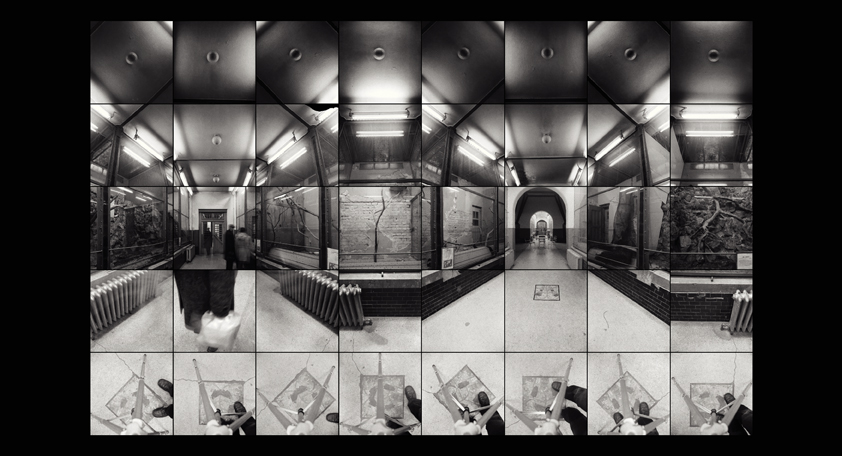
Video still of Anselma, one of the nine imaginary cities of Hidden Cities (2012)
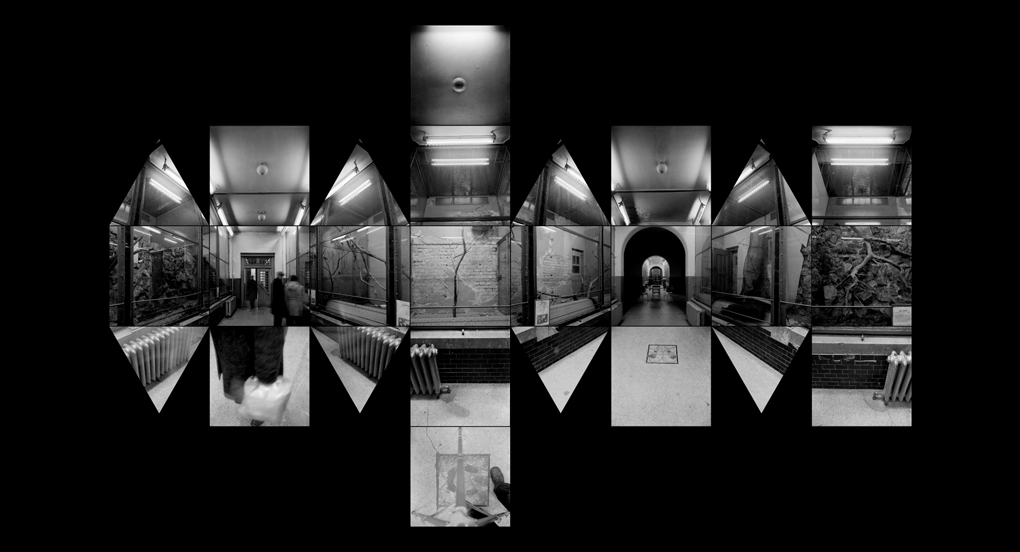
Video still of Anselma, one of the nine imaginary cities of Hidden Cities (2012)
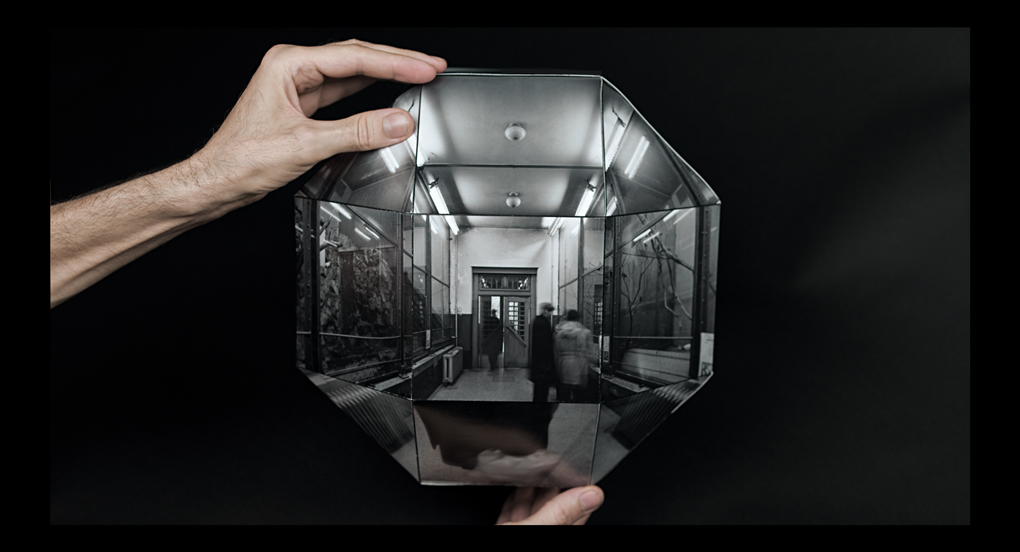
Video still of Anselma, one of the nine imaginary cities of Hidden Cities (2012)
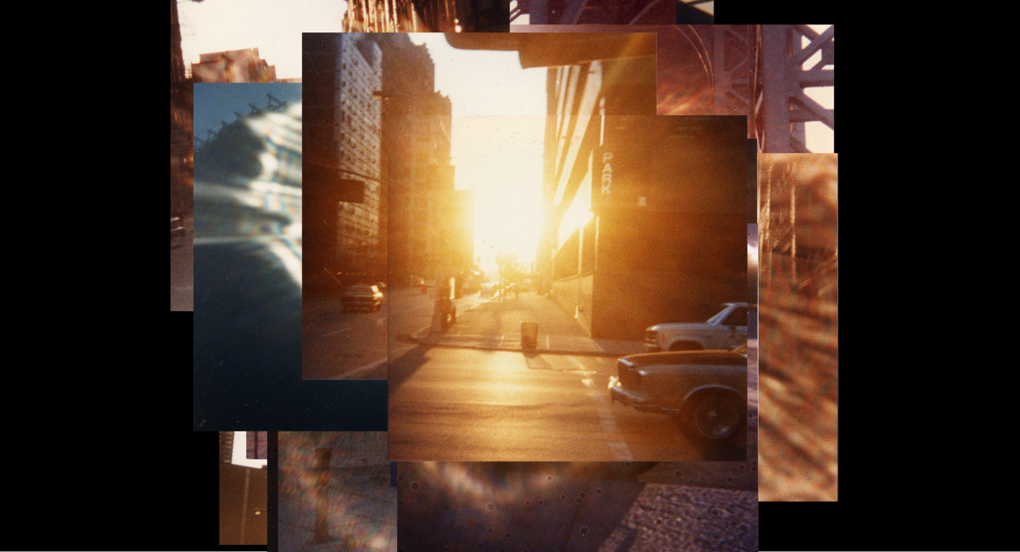
Video still of Felicita, one of the nine imaginary cities of Hidden Cities (2012)
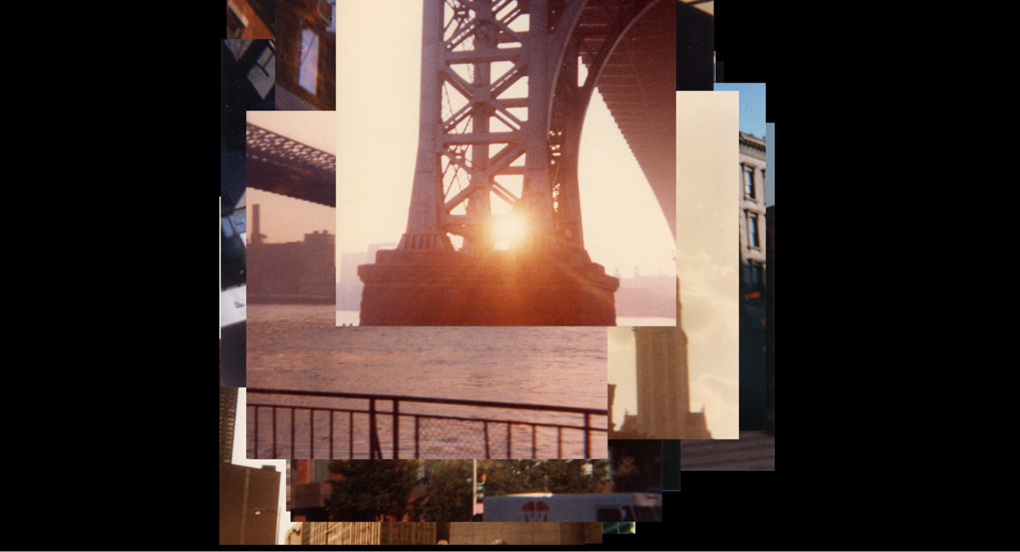
Video still of Felicita, one of the nine imaginary cities of Hidden Cities (2012)
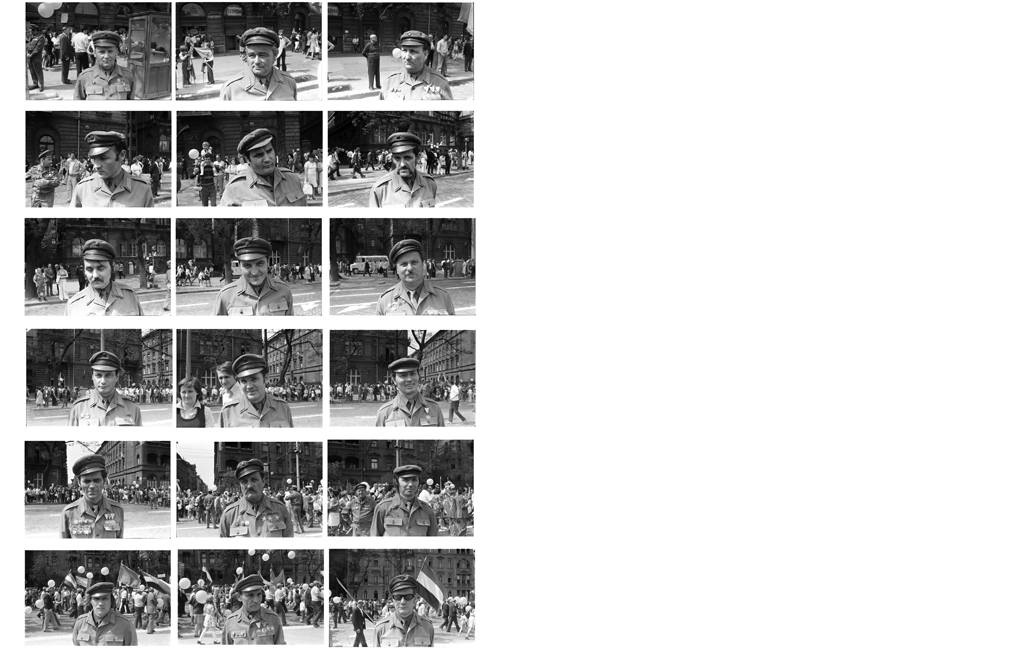
Video still of Iossifofna, one of the nine imaginary cities of Hidden Cities (2012)
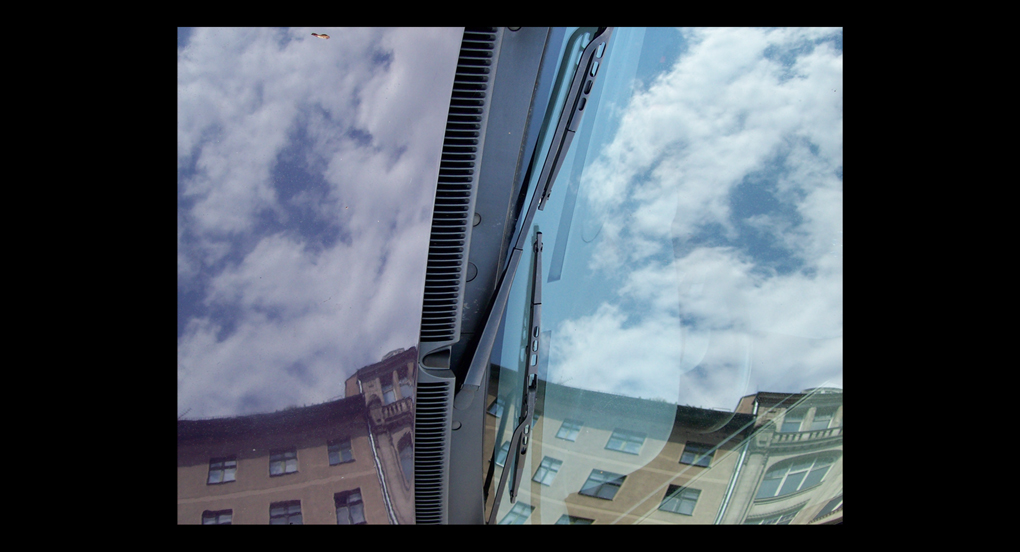
Video still of Kassandra, one of the nine imaginary cities of Hidden Cities (2012)
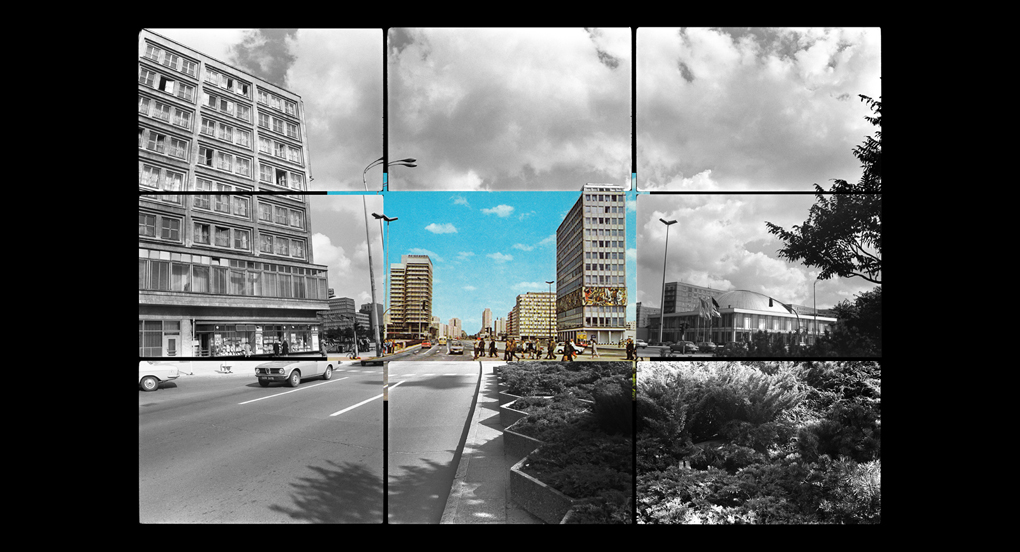
Video still of Klara, one of the nine imaginary cities of Hidden Cities (2012)
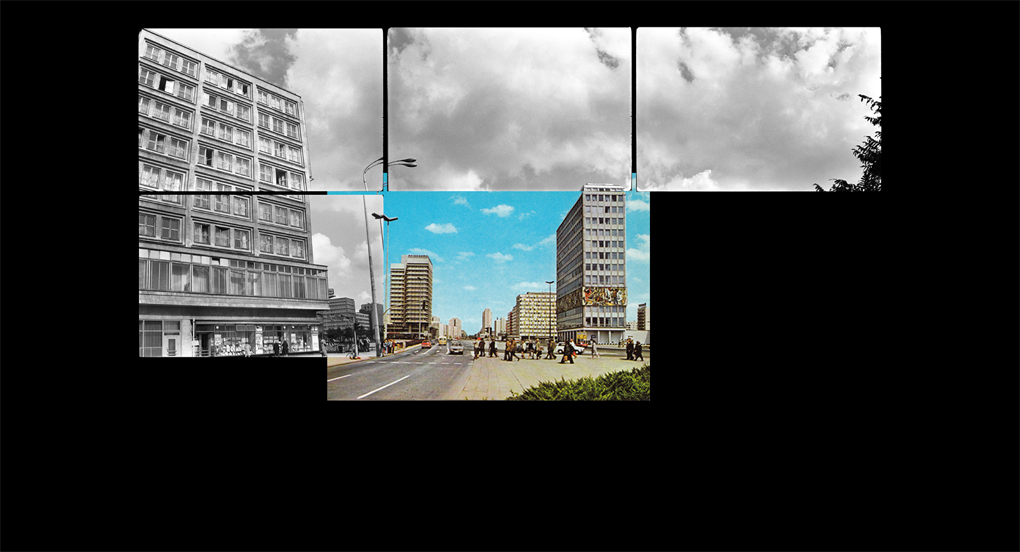
Video still of Klara, one of the nine imaginary cities of Hidden Cities (2012)
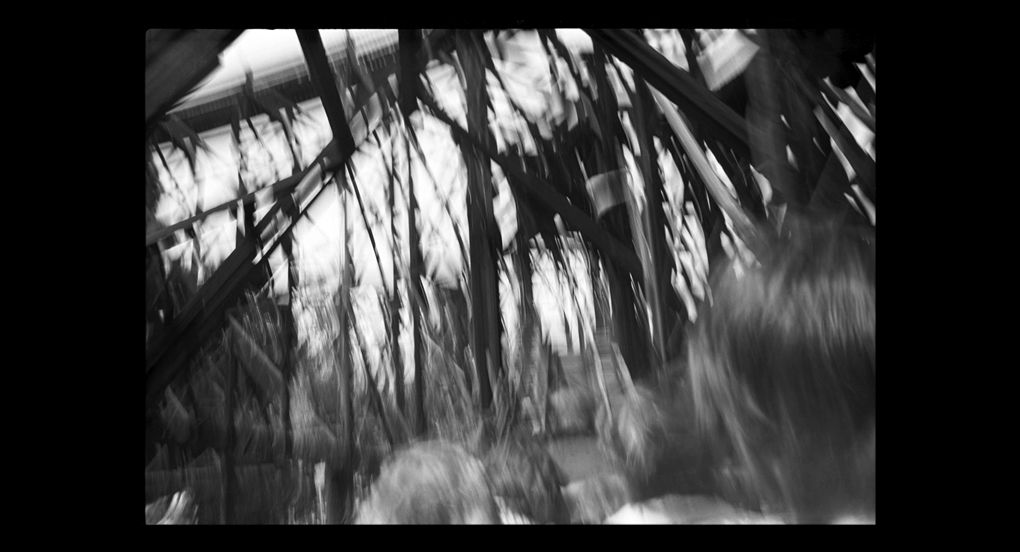
Video still of Serafina, one of the nine imaginary cities of Hidden Cities (2012)
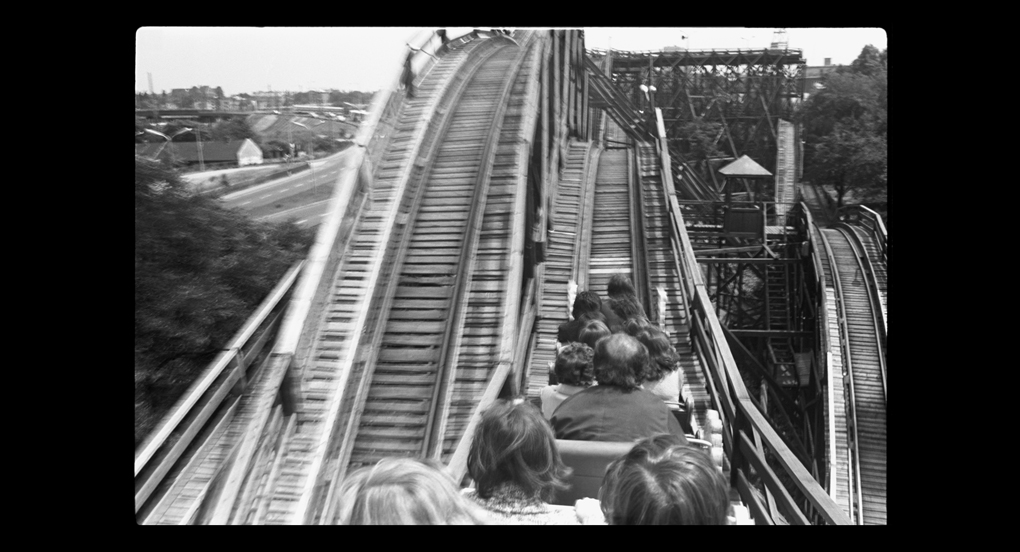
Video still of Serafina, one of the nine imaginary cities of Hidden Cities (2012)
"The source material for the film Hidden Cities consists of sequential photo works created by myself between 1975 and 2010.
Every photo work contains within it an idea, an arrangement, a programme, a concept – like scores, notations. An example of such a programme: a straight line runs through the middle of black and white photos. The line is a stair railing, a kerbstone, a track, a house wall, etc. In each photo of Hidden Cities, two distinct features are facing each other, and the image documents the encounter of these qualities. Each encounter is a 'montage simulation', and together the photos form temporal-spatial sequences that bear the cinematography within them.
The photo sequences are experiments that deconstruct the cinematography into its components, and use cinematographic means to construct and create potential, social, political and personal spaces.
In the film, the text, vocals, music and sounds determine the pace, rhythm and length of the still image, as the still image as such does not have a predetermined length. It can have any duration in a filmic context. The spoken text takes over the task of signifying, anticipating and questioning circumstances, facts and actions.
Since 1998, I have collaborated with Katja Pratschke. In our artistic work, we explore the relation of stillness and movement, the difference between the non-moving image of photography and the moving image in cinema. The basic question is: how much movement does the cinematic image need? As soon as the image stops in the film, it invites us to contemplate and we are pleased to 'see more': interpreting the image as a concept, participating in the author’s study of the images, and being inspired by his imaginary extension.
We regard the nine city descriptions of Hidden Cities as experiments in filmic perception, and thus this is connected to our artistic confrontation with the still image in a cinematographic context.
Hidden Cities is inspired by Italo Calvino's book La città invisibili (Invisible Cities). Rather than inviting one to view the city in its complexity, we – like Calvino – describe individual urban aspects: circumstances, social networks, urban activities and power structures. Our city descriptions do not present theses or make statements about the true nature of the city; instead, we formulate hypotheses, assumptions and possibilities in which we recognize ourselves again as urban dwellers.
The cities in which the photo sequences have been made are Berlin, Budapest and New York – places with a past traumatized by wars, dictatorships and terrorist catastrophes. Each of these 'city perceptions' depicts essential situations of urban experiences containing human and inhuman acts in a compact form."
Gusztáv Hámos in a statement to PLATFORM:VB (October 2013)
Hidden Cities (2012) | Gusztáv Hámos
Video | 27’, stereo, B&W / color, 16 : 9. Codirector: Katja Pratschke
Excerpt from Hidden Cities (2012)
Testimony Gusztav Hámos | 18th Festival
The artist, whose work has featured in the 8th and 14th editions of the Festival, discusses his first appereance at the event