Hachuras em movimento
2010
Hachuras em movimento, from the series Linha curva da Terra (2010)
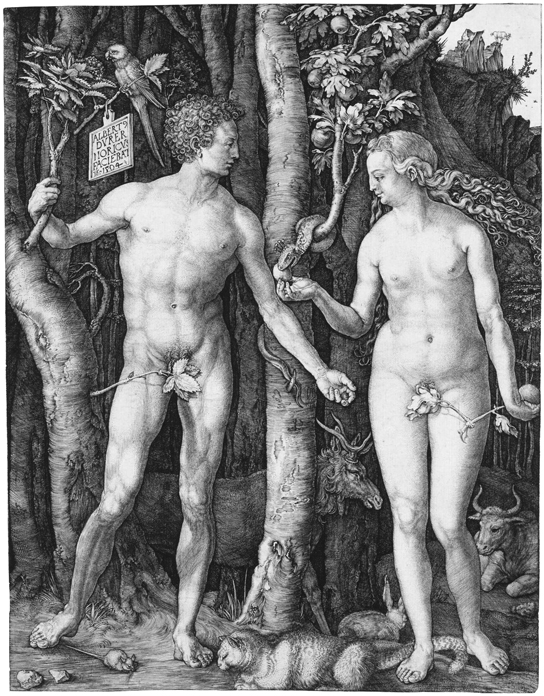
Reference of the artist: Adam & Eve (1504), Albrecht Durer
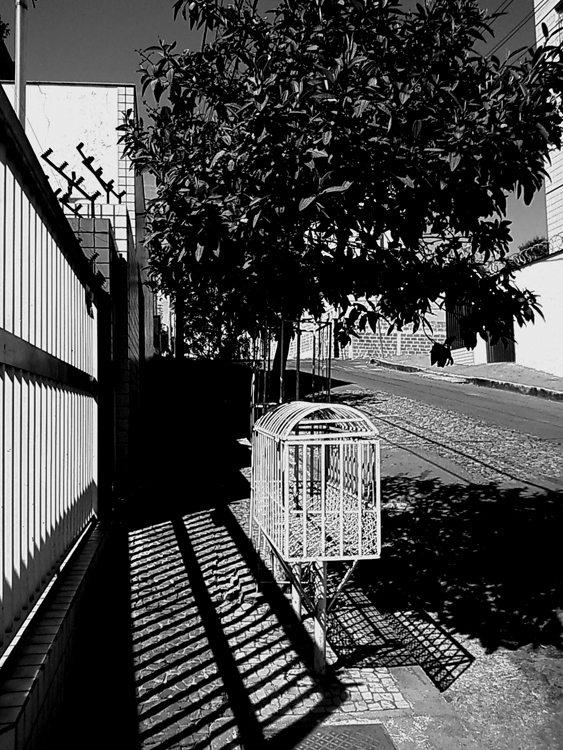
Studies on shades. Belo Horizonte, Brazil (2009)
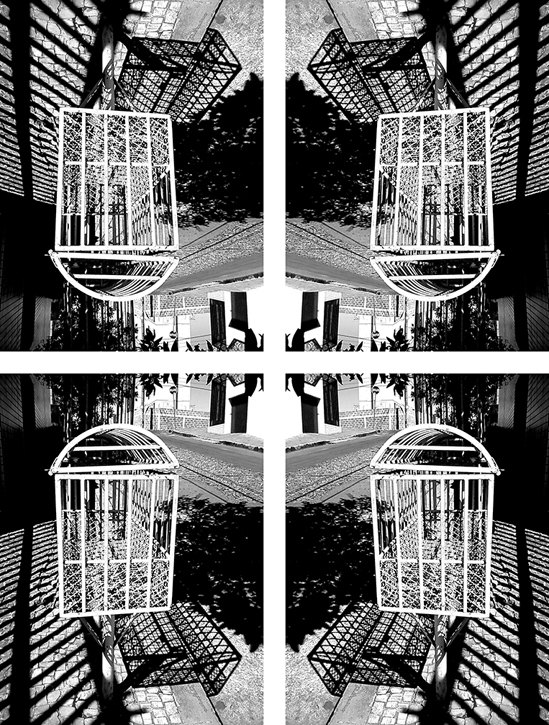
Compositional exercises using photographs of shades. Belo Horizonte, Brazil (2009)

Intervention Escada (Ladder): painting of the shade of the ladder, which, later, was slightly displaced, Belo Horizonte, Brazil (2011)
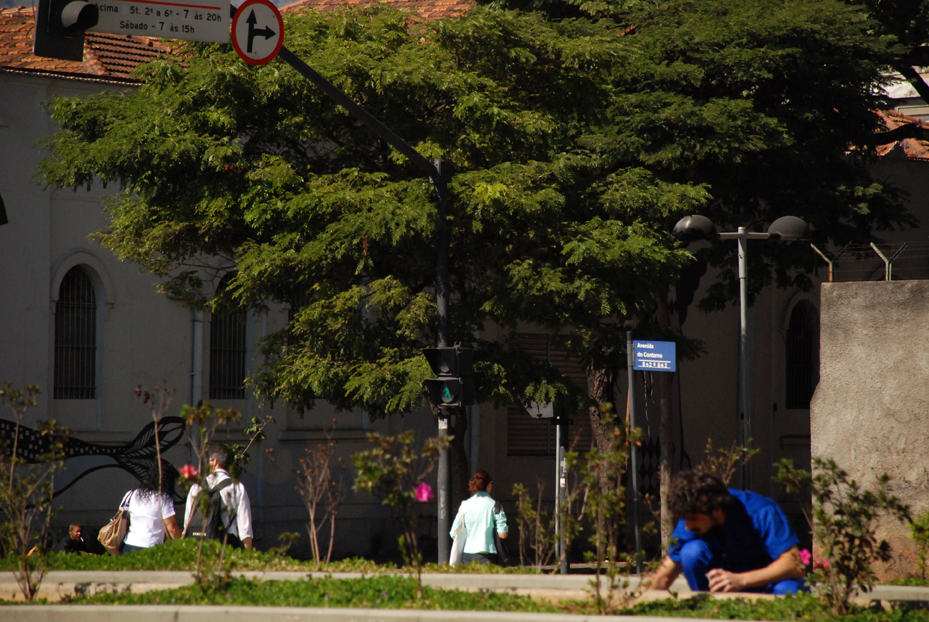
Urban intervention Linha do Horizonte (Horizon Line): painting of the projected shade of the flower bed on the ground, Belo Horizonte, Brazil (2012)
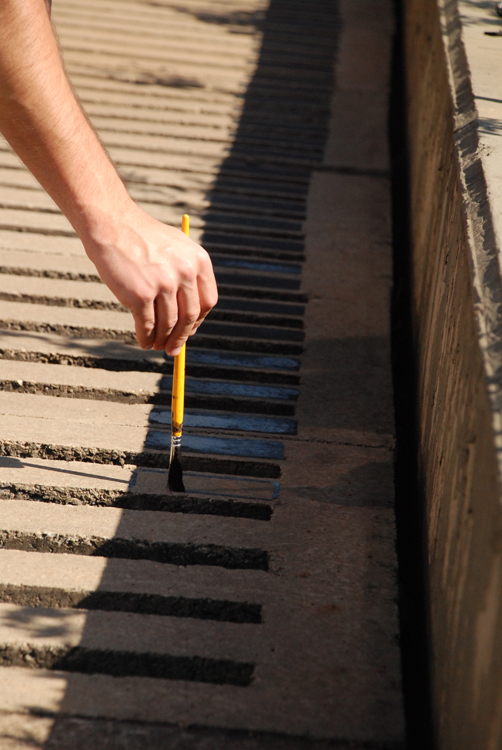
Urban intervention Linha do Horizonte (Horizon Line): painting of the projected shade of the flower bed on the ground, Belo Horioznte, Brazil (2008)

Urban intervention Linha do Horizonte (Horizon Line): painting of the projected shade of the flower bed on the ground, Belo Horioznte, Brazil (2008)
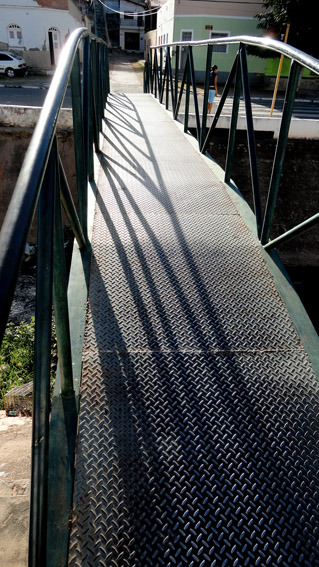
Urban intervention Segundo Sol (Second Sun): painting of the afternoon shade of the windowsill on the foot bridge, seen in the morning. Crato, Brasil (2010)
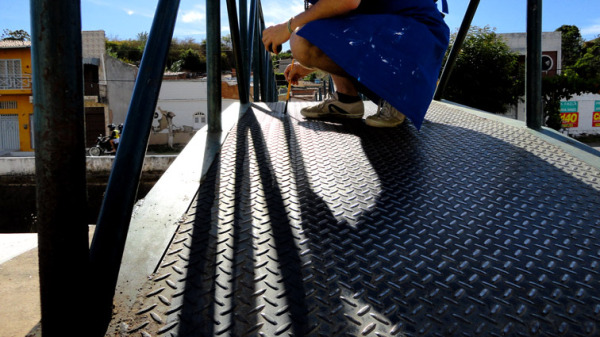
Urban intervention Segundo Sol (Second Sun): painting of the afternoon shade of the the windowsill on the foot bridge, seen in the morning. Crato, Brasil (2010)
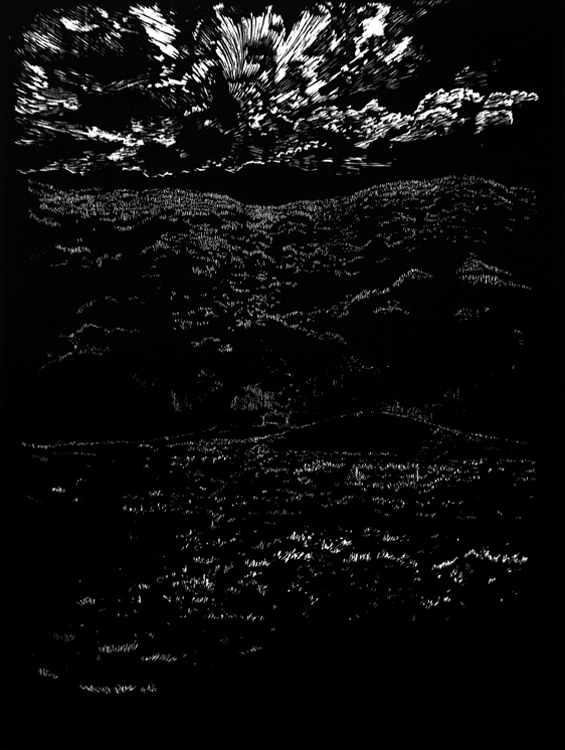
Matriz Perdida (2008). “Hachuras em movimento is a piece that also shares elements with the woodcut series Matriz Perdida and Matriz Perdida Invertida. They forge a game between light and shade, and are based on a logic that develops through recording/printing. Each record/print is the capture of a moment, of a state of affairs, of the crystallization of an image in motion.”
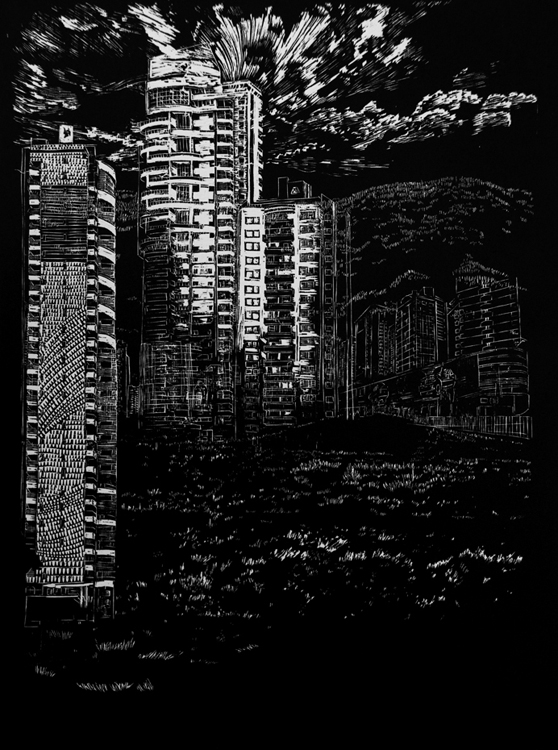
Matriz Perdida (2008)
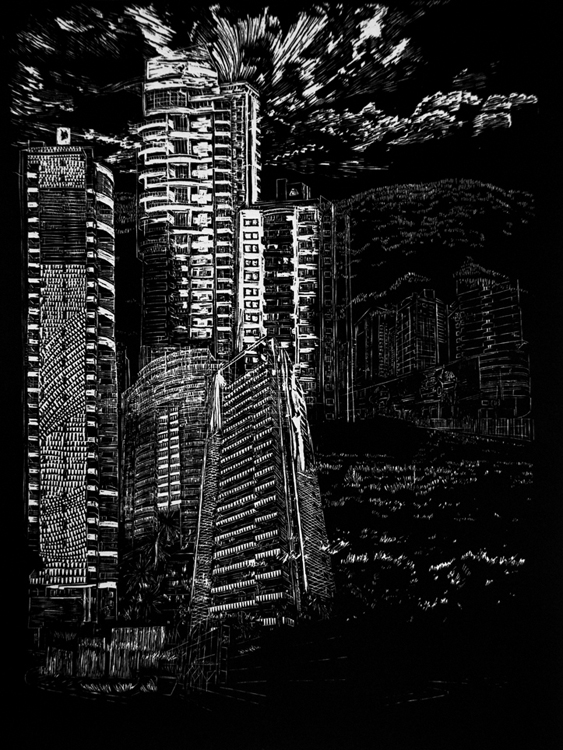
Matriz Perdida (2008)
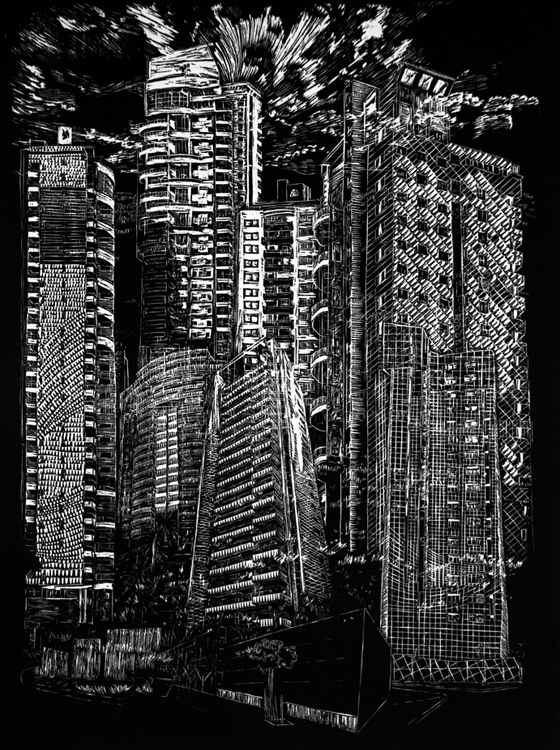
Matriz Perdida (2008).
"Hachuras em movimento (Hachures in motion) arose from a daily, unpretentious process of observing the patterns cast on the floor by the shades of gates, objects, trees, latticework... Amazing, seldom noticed designs that change throughout the day. An originally unpretentious motive gradually gained aesthetical importance. All of a sudden, I realized that several locations in the city had become points of interest to me.
The piece attempts to intervene in the function of something, to disrupt the passerby’s attention by inserting an extraordinary element into an ordinary context. This intervention consists of a very simple operation: duplicating a shadow. It is about recording the graphical pattern of the shade cast by the grid of an overpass at a given time of day.
The minutes pass, the shadow moves, the painting appears, and the parallel lines turn into hachures. By fixing the patterns on the floor, one realizes that there is no inertia in the world: on the contrary, life pulsates, the world is permanent motion; everything is time. As if the artistic gesture uses the movement of the planet to its benefit, in order to bring life to an art piece.
The act of creating art projects on the streets brings two issues to mind: phenomena which are worthy of the poetry, or the art that exists in the urban day-to-day life; and art which concerns human beings in general, as opposed to just avid museum goers. Herein lies one of the ethical aspects of this piece, as it assumes that regular people walking on the streets and declared art dilettantes possess equal intelligence.
The political aspect of the piece stems from the inversion of possibilities, the transformation of something or someone’s function and visibility. In this sense, the shadow becomes a line, the floor becomes a plane for fine art events, and the passerby becomes a spectator. It is about considering that the politics of art operate 'on the city’s sensibility, on its horizon of possibilities, on the conditions that make this or that image, this or that statement, possible,' as André Brasil puts it. Thus, one thinks of the city as the domain of discovery, of the extraordinary, and the street as a field of sensory events, rather than a medium to pass through."
Tales Bedeschi in a statement to PLATFORM:VB (October 2013)
Hachuras em movimento, from the Linha curva da Terra series (2010) | Tales Bedeschi
Photography | 9 images printed on Hahnemuhle PhotoRag 308 g paper, 40 × 60 cm each
Hachuras em movimento (2010) setup details at the exhibition space of the 18th Contemporary Art Festival SESC_Videobrasil
Testimony Tales Bedeschi | 18th Festival
The Minas Gerais-based artist featured in the 18th Festival discusses the connections between urban intervention and institutional art facilities in statement
"My poetics is based on engraving, and it projects itself into various languages, like photography and video. It relates to issues tackled by the philosophers Walter Benjamin, in The work of art in the age of mechanical reproduction (1955), and Jacques Rancière, in The emancipated spectator (2004-2008) and The politics of aesthetics: the distribution of the sensible (2010).”
“Once, the artist Efrain de Almeida showed a new work of his on television: moths made with wood. His operation strategies seemed to be endowed with a special kind of subtlety, an ‘almost,’ a ‘minimum’, an ‘inframince’, like the concept elaborated by Marcel Duchamp. To sculpt something on wood, something that imitates wood, however, means to square the ‘inframince’ power. Almeida deploys the camouflage strategy of the moths and carries out a fictional inversion. His art helps human beings to see the world and recognize the extraordinary in what is natural and ordinary. Hachuras em movimento shares that same aspiration: to fictionalize the commonplace, shedding new light on natural phenomena.”
Video Linha temporária: horizonte sombra, by Tales Bedeschi, part of the series Linha curva da Terra (2012).