Faraw ka taama
2012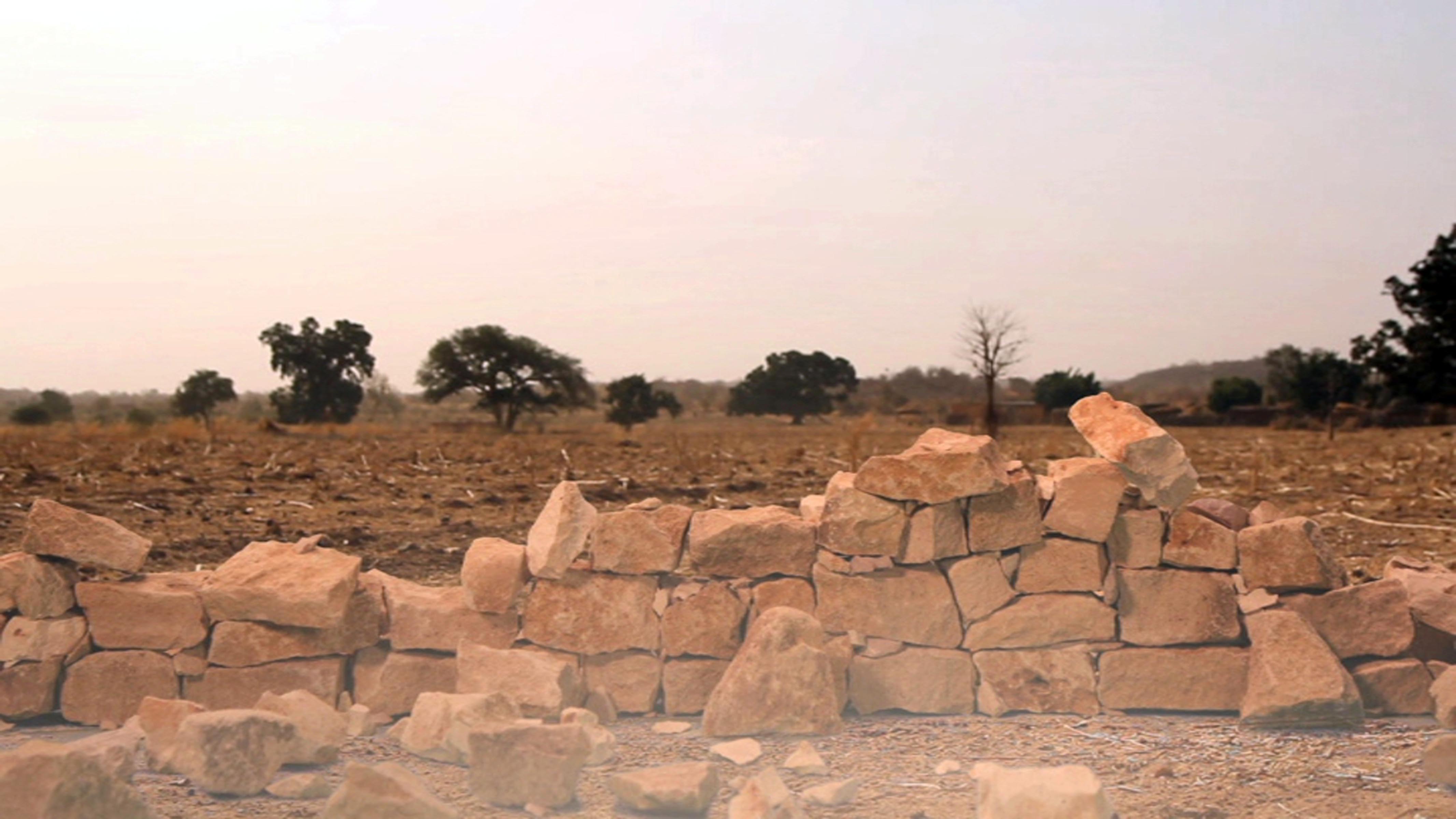
I was born in a country deeply rooted in traditions and superstitions. Originally our ancestral culture stems from animism. Over time it has undergone various mutations while meeting other cultures. Nowadays I carry within me a fragment of this set. These cumulative influences have an impact on my vision of things and on whatever I do in a world in perpetual change. My work is an invitation to travel in a universe of subjects to work on and to tame. I combine past and present through the themes I tackle.
I use different techniques and supports so that the material, the framework, the structuring and its constituent elements become guidelines to my works. In them, the aesthetic side takes up a large space. This is obtained through the superposition, transparency and combination of materials, colors and light. I am always looking for the invisible side of the visible. For a while, I have been researching these elements to express myself in the new tools of technology.
In my creations I am sensitive and remain attentive to the questions posed by the mysteries coming from the occult sciences in the traditional African society. To achieve this, I explore various media such as video, photography, painting and sculpture to express myself.
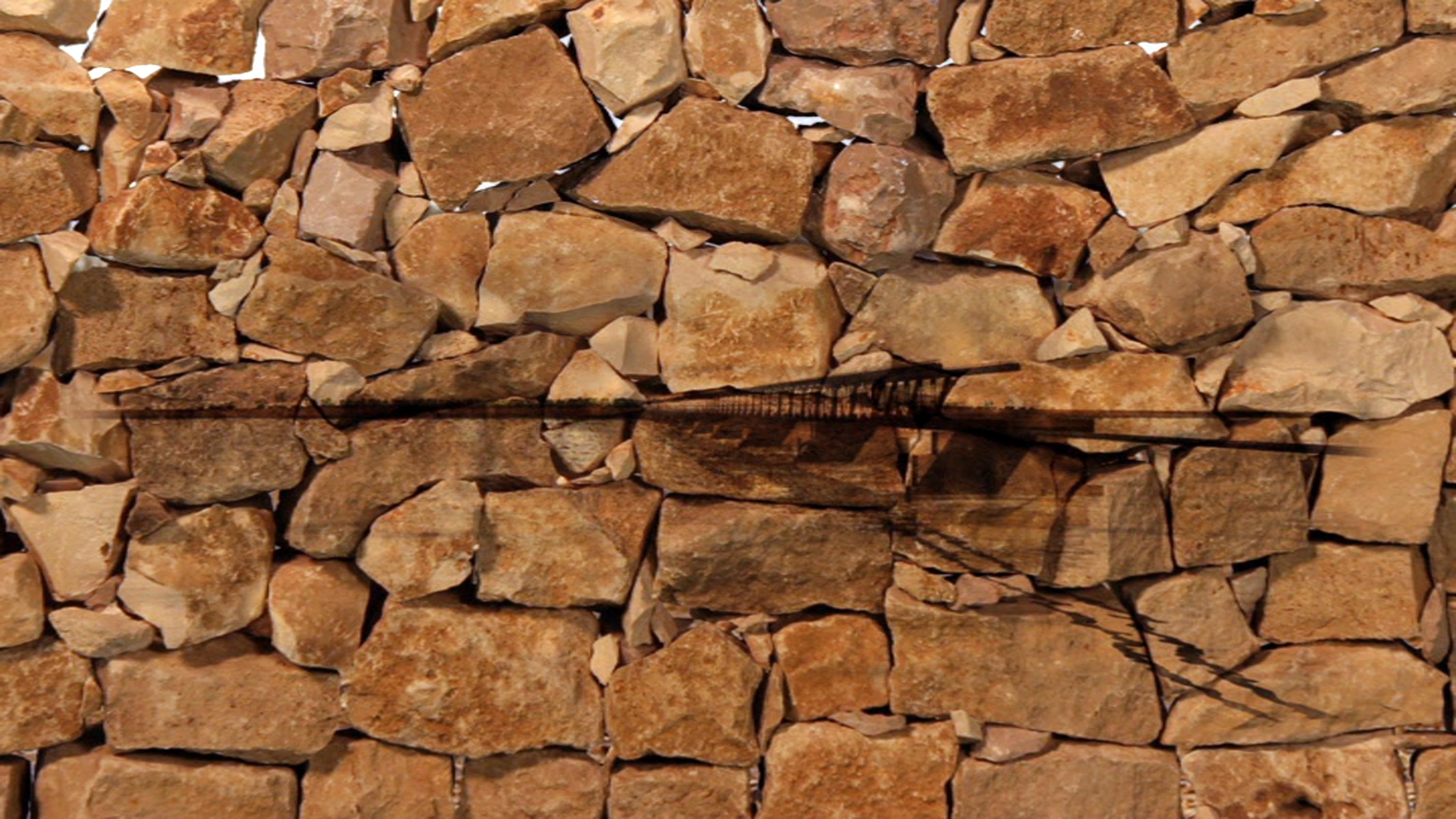
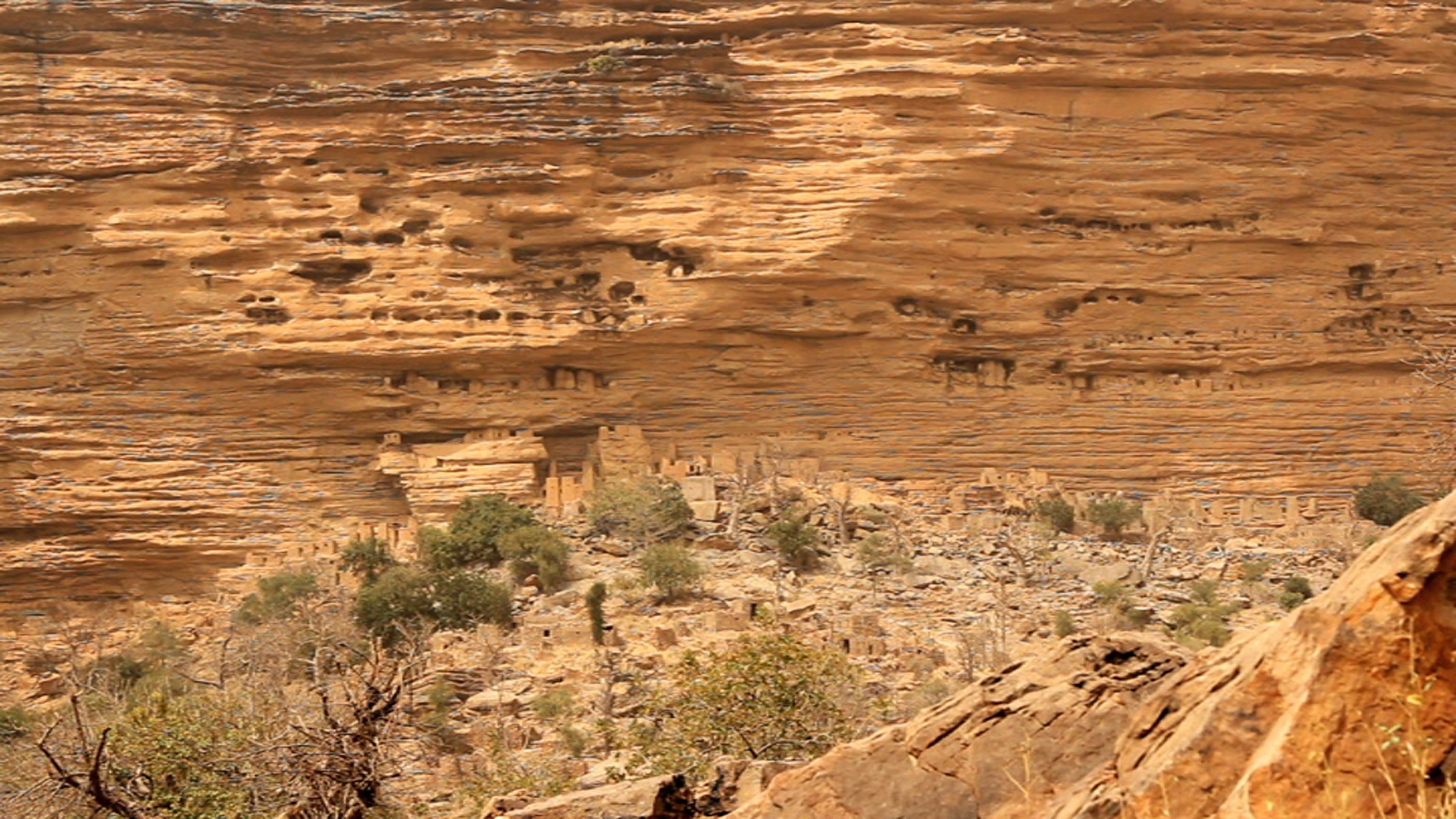
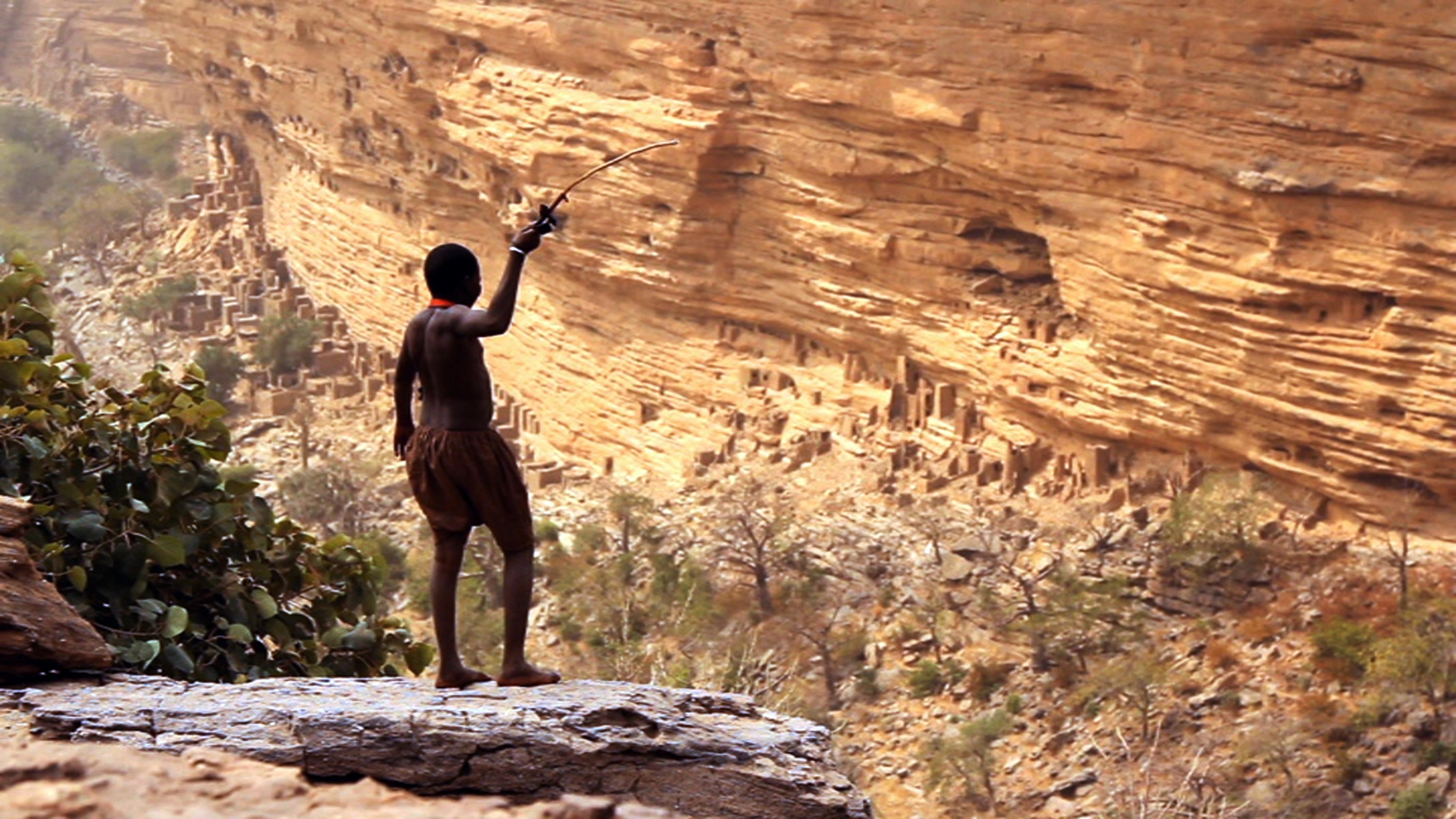
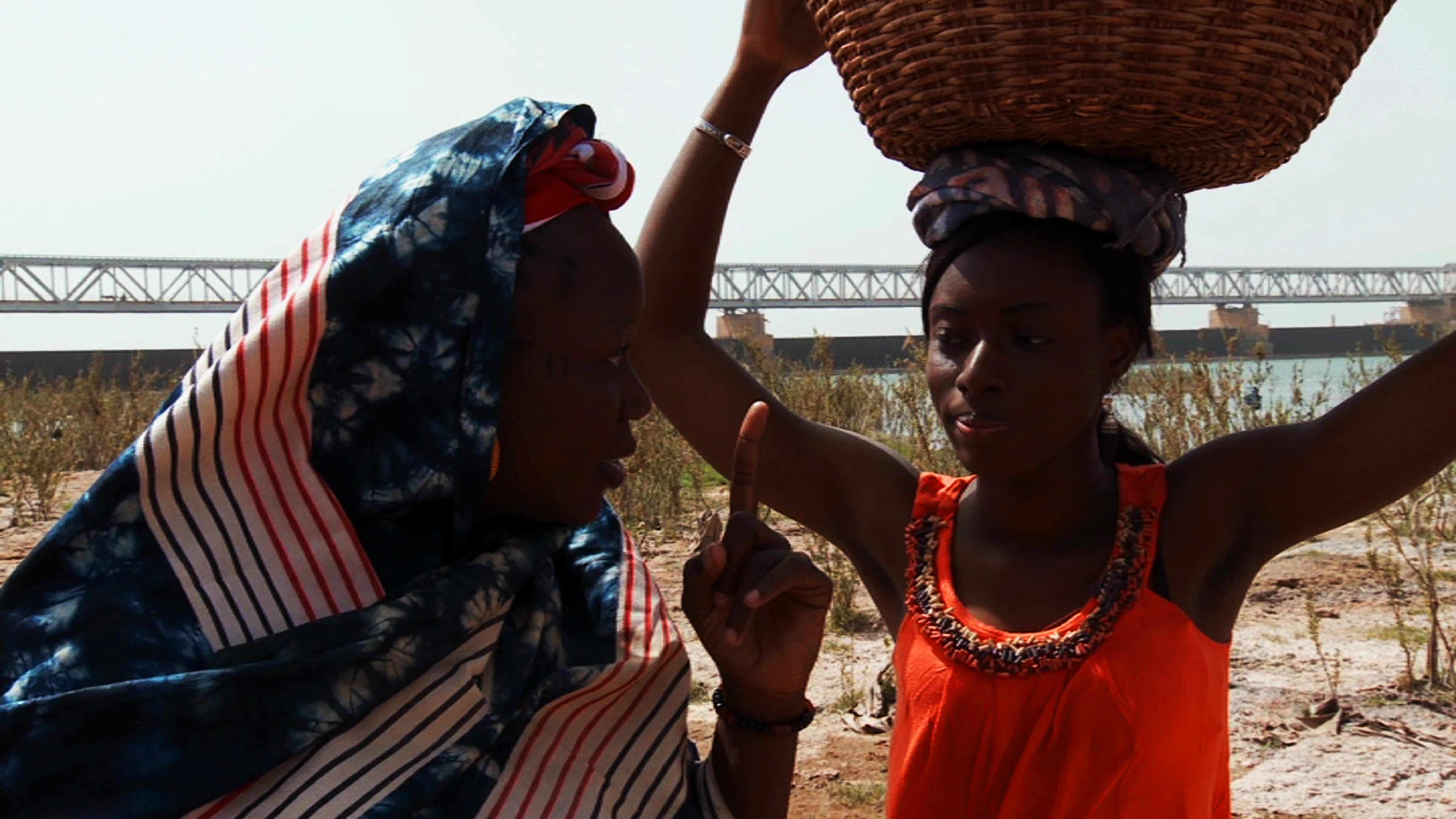
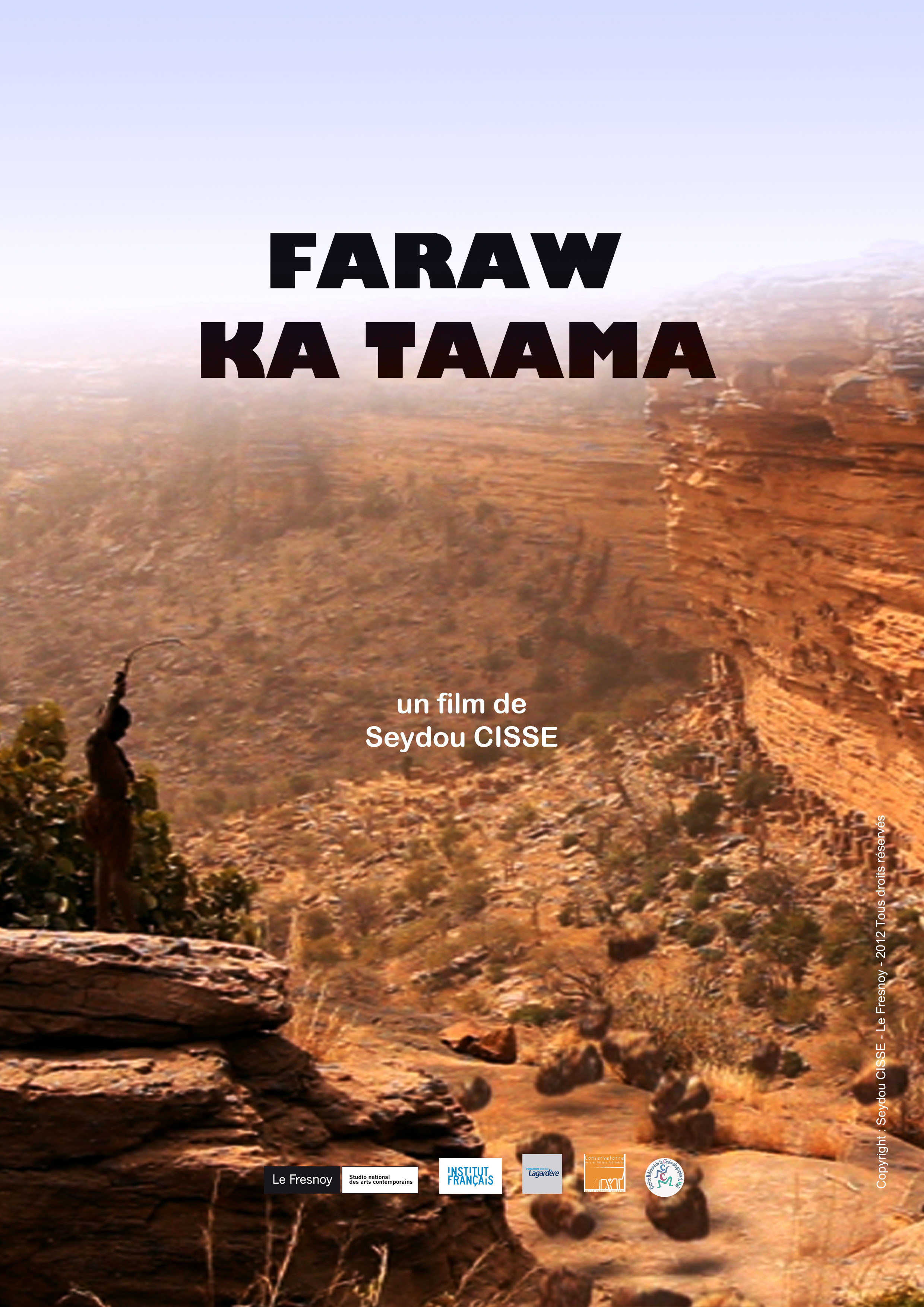
In Faraw Ka Taama, miracles occur in a village, stones move by lashes, and a number of other mysteries take place, which end in the magnificent view of a bridge. An old lady passes with her daughter, she tells her about the story of the construction of the hydraulic structure: the bridge of Markala.
TELLING TIME
Faraw Ka Taama in Bambara and Stone’s Travel in English, this film is a journey through time and space, through a legend of Mali during colonial times. When I was a child I was marked by the legend about the construction of the Markala bridge. According to this legend, a village reacted mystically by transporting heaps of stone under whiplash. The whip was made of grill and was used by a nine-year-old child. Years later, certain passages of this narrative awoke in me the lines of reflection on the relation between animation (virtual means) and animism (magical and mystical means). This was in essence the origin of the project Faraw Ka Taama. Hence the link of the film with the title Telling Time.
This work was born from the questioning of the relationship and the similarities between the animated video and the world of animism. I believe that these two worlds have in common the fact of giving soul and life to inanimate elements. Animism uses spirits through incantations or chemical combinations, hence the contribution of occult science, while in animation one uses the special effects of technology. This film is a parable, borrowing the form of the tale to evoke the pain always present in Mali’s colonial past. With a lash of the whip, a child puts in a pile of stone that will cross the landscape like a herd of cattle. But behind the magic lies a cruel reality, a living memory: that of thousands of workers forced under the whiplash of the whip, under the burning sun to build the bridge of Markala. So I pay tribute to my ancestors who have suffered and participated in this famous work that is the pride of Mali. This bridge, built in pain at the cost of enormous sacrifices, ensures food self-sufficiency in a country of the current Sahel zone. At the edge of the river, the Markala dam generates electricity for the people.
Seydou Cissé in a statement to PLATFORM:VB (July 2017)
Faraw ka taama, 2012 | Video, 11'
Seydou Cissé