Exile Exotic
2015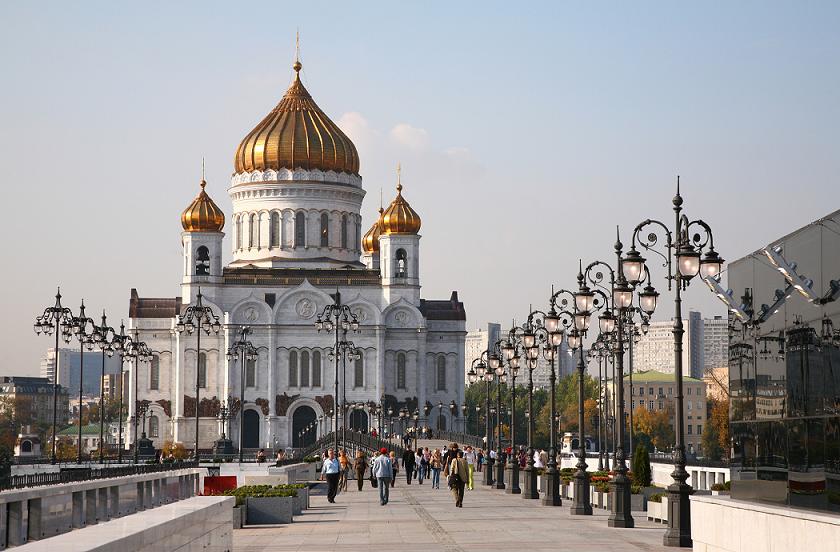
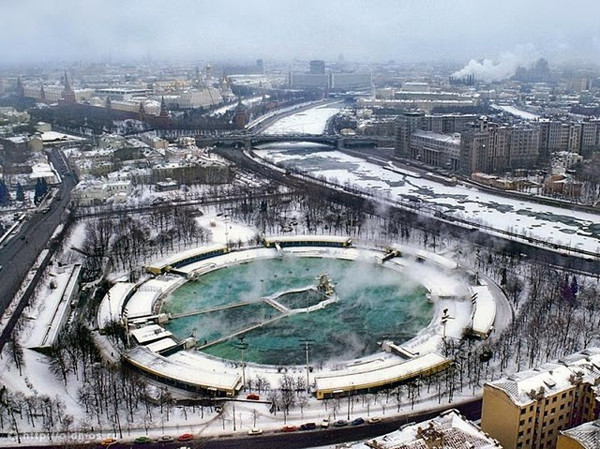
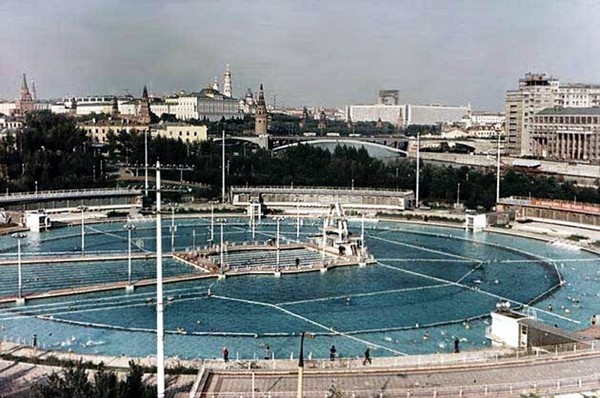
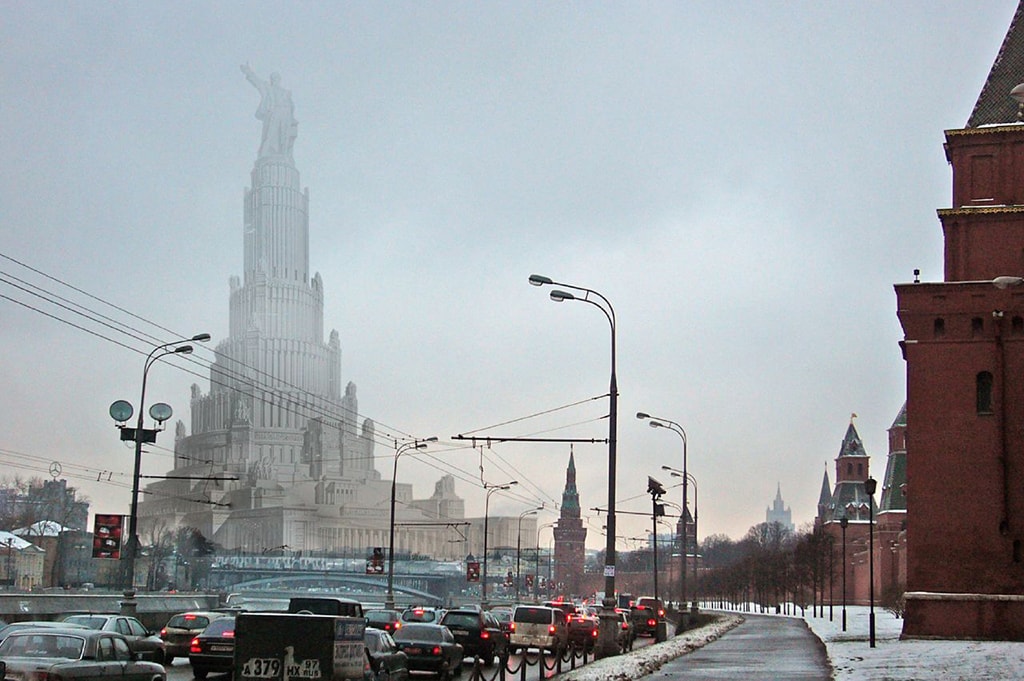
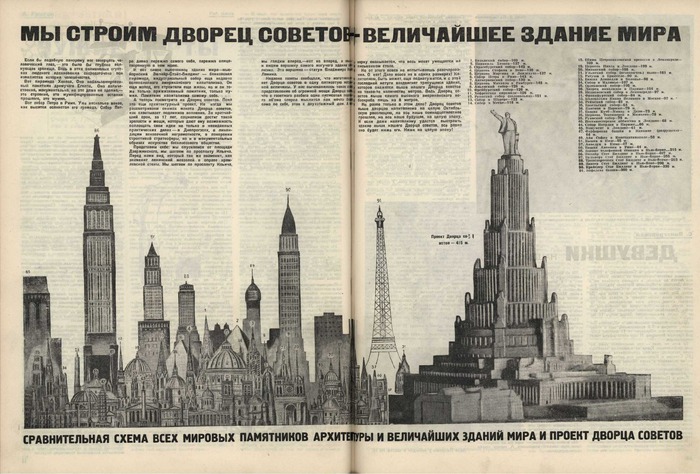
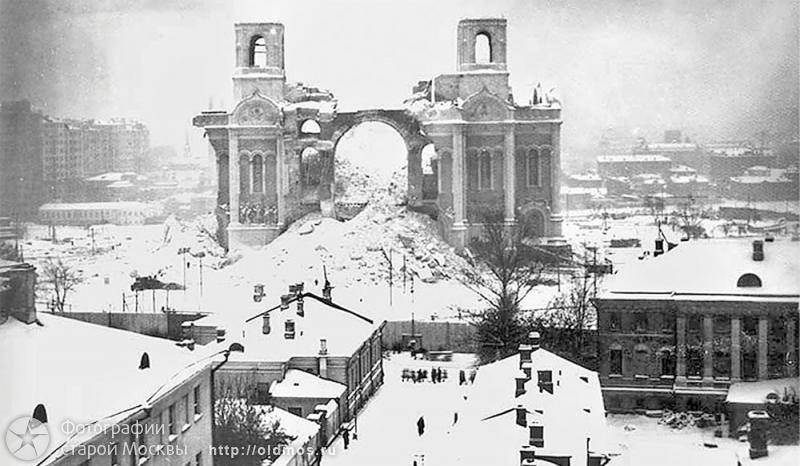
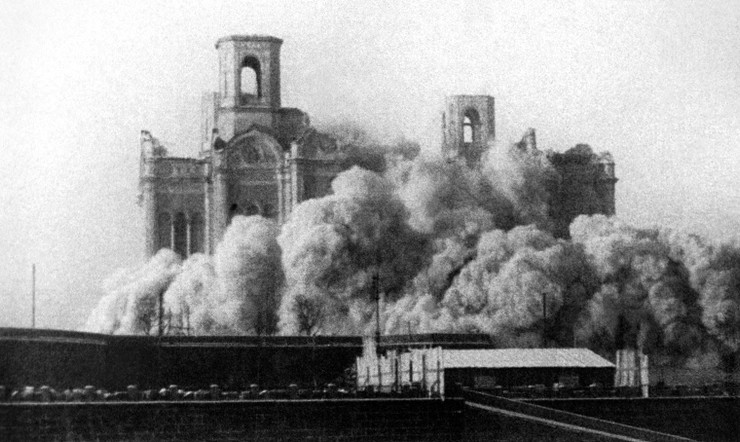
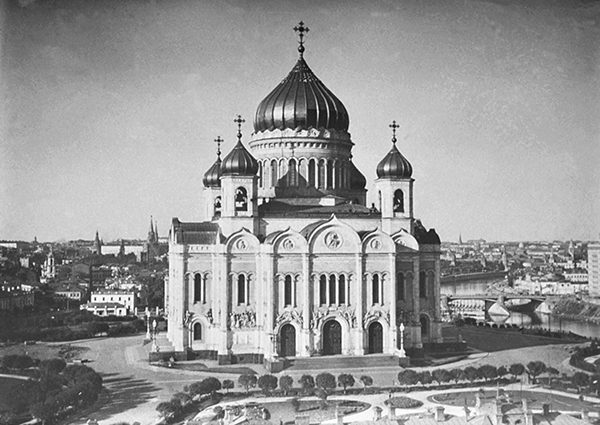
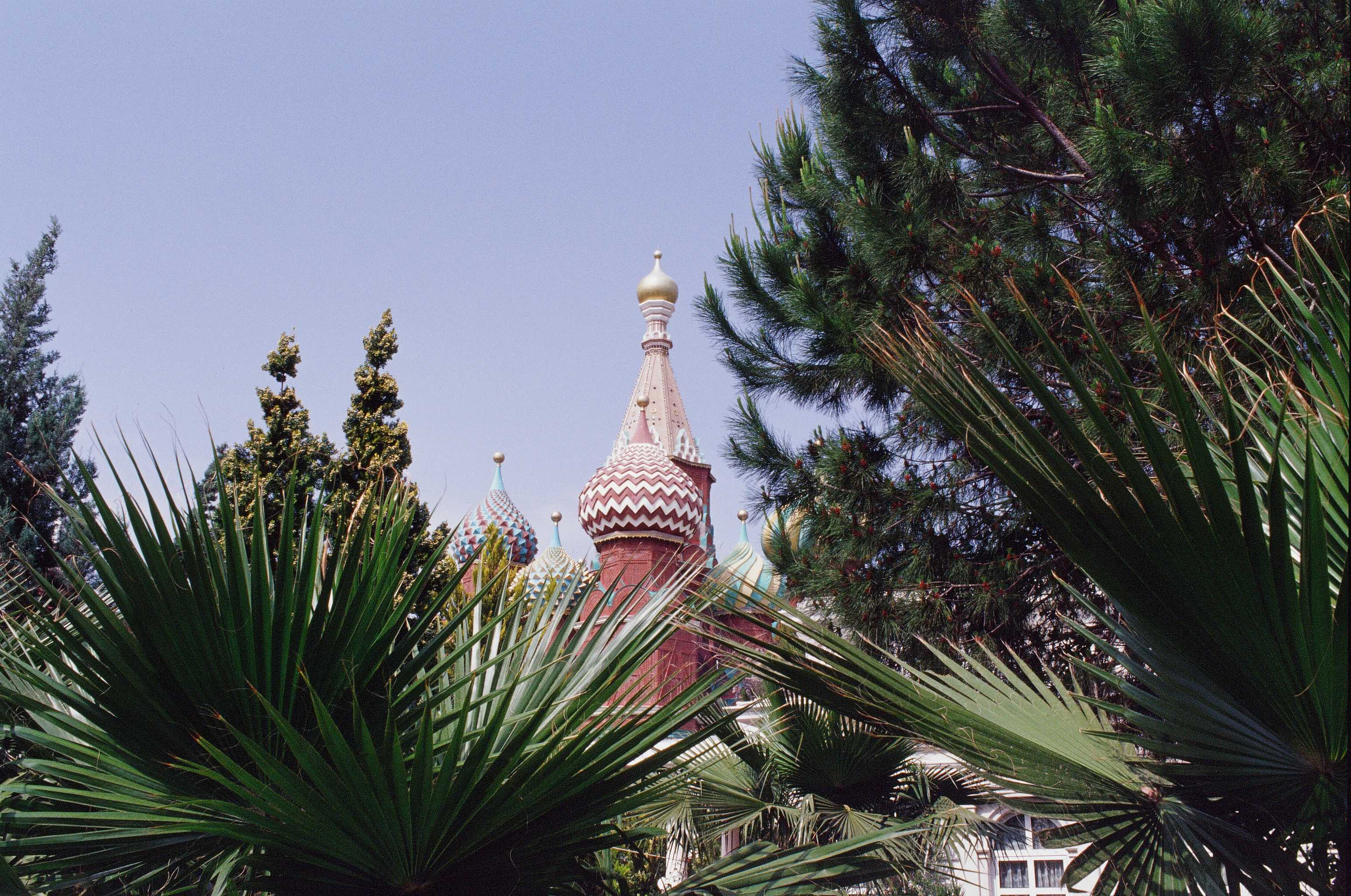
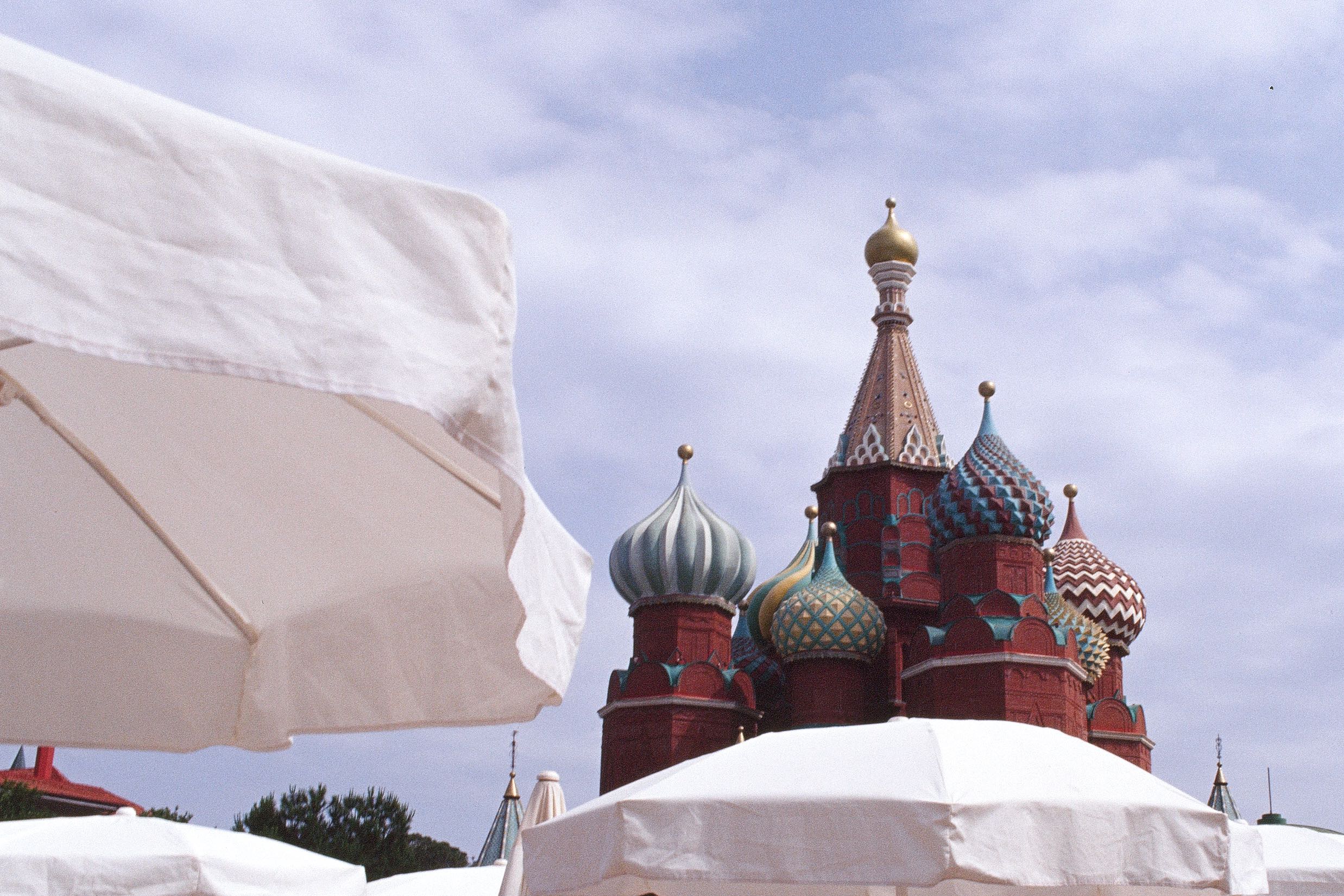
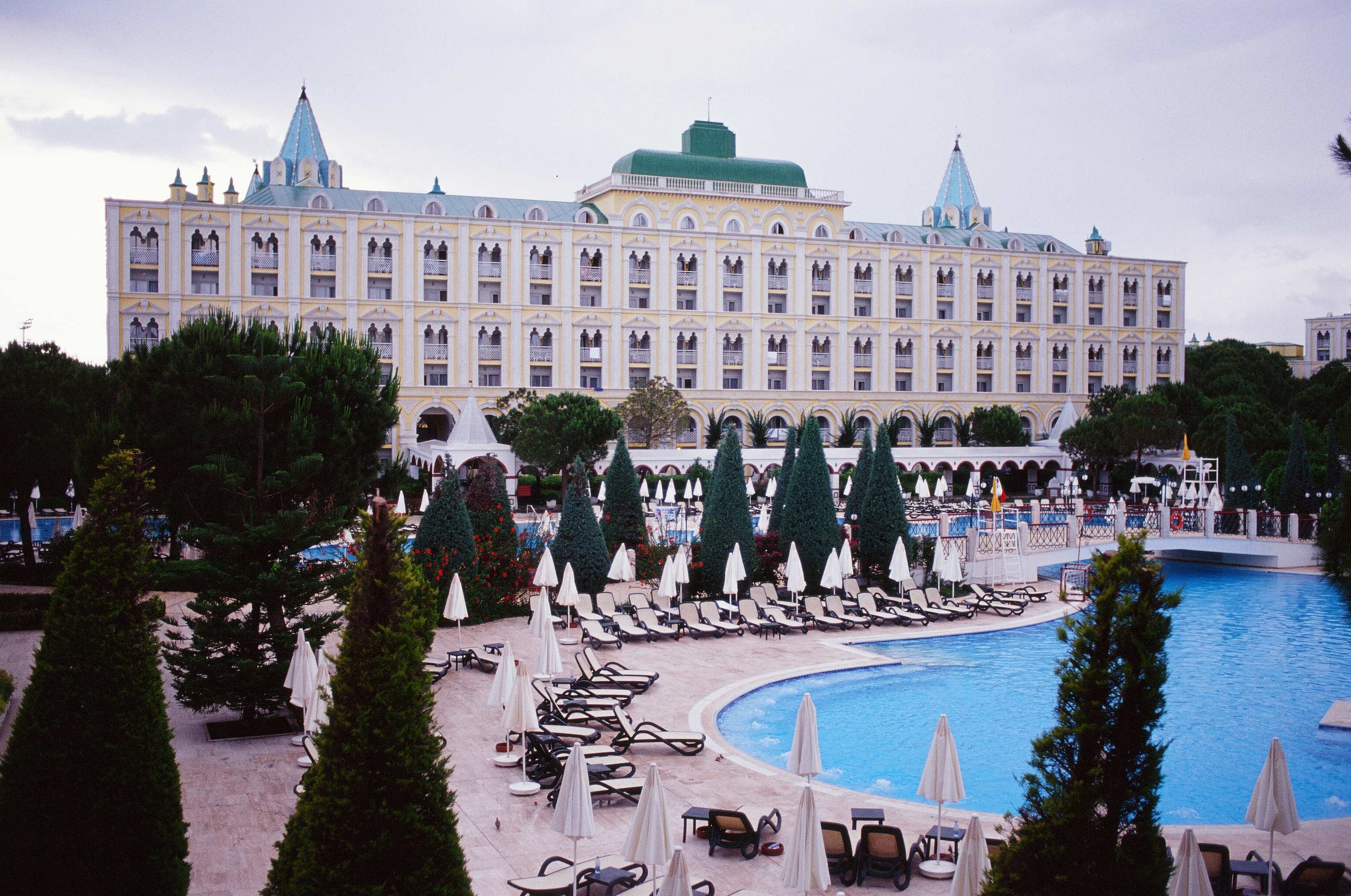
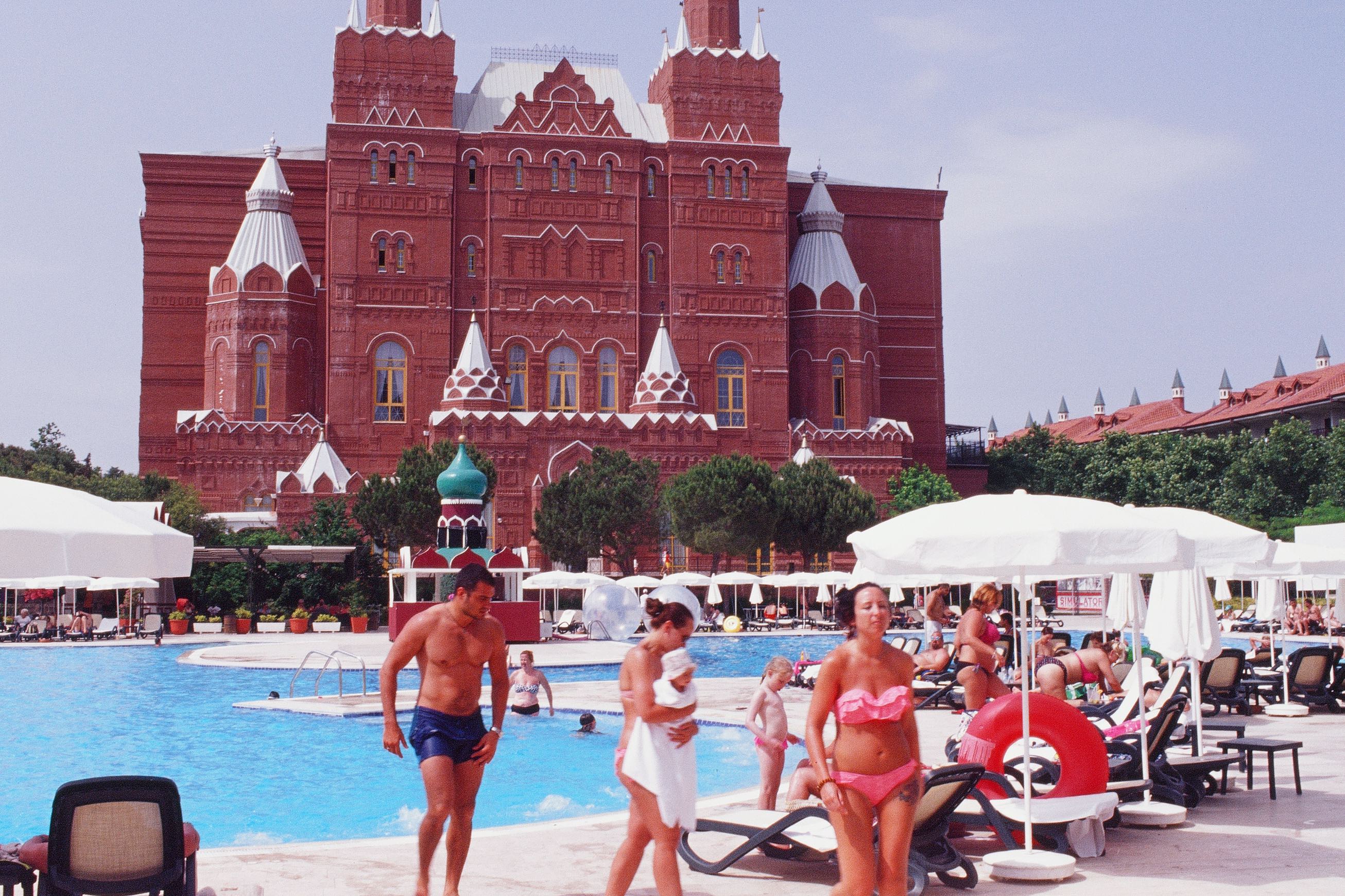
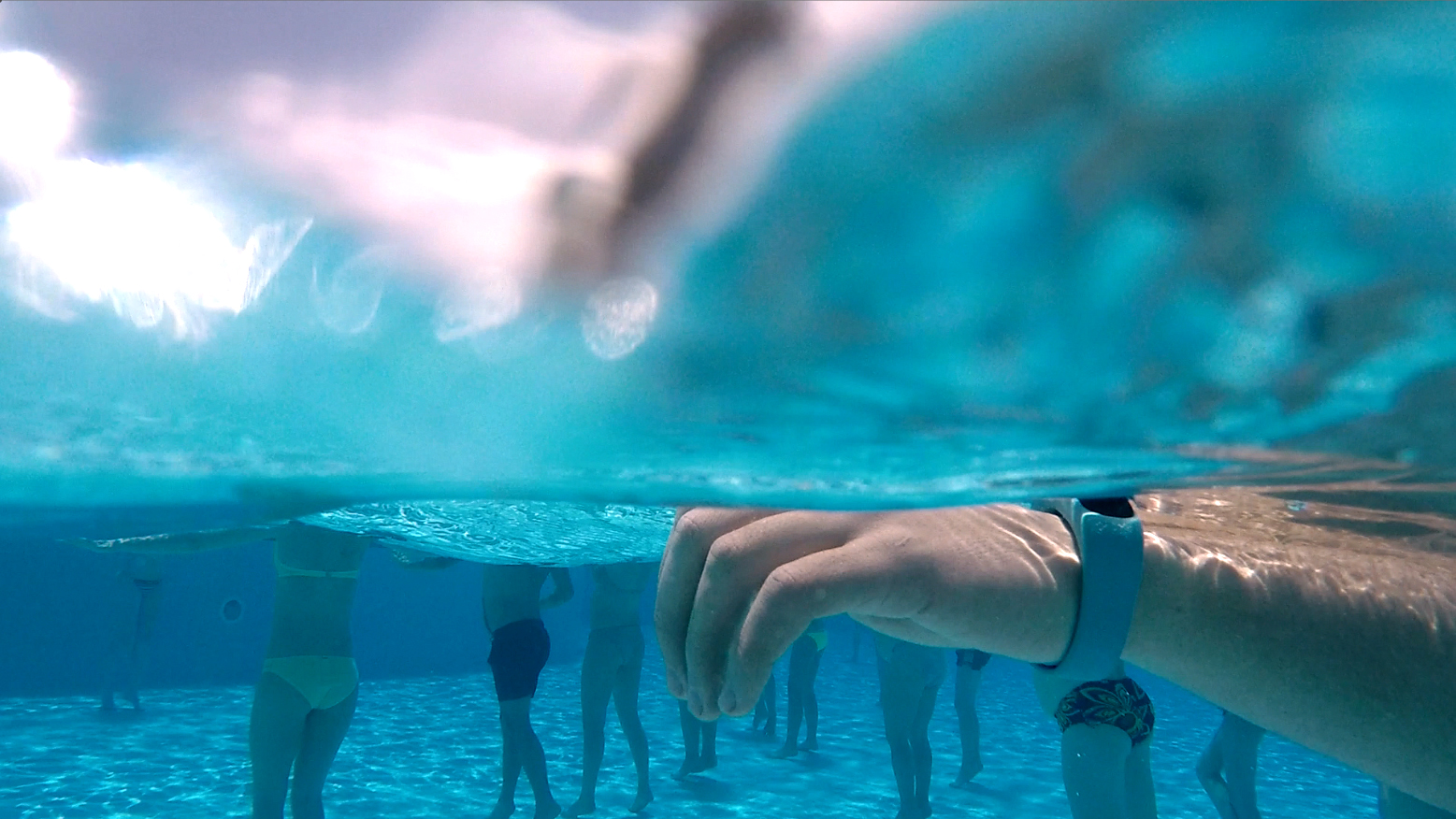
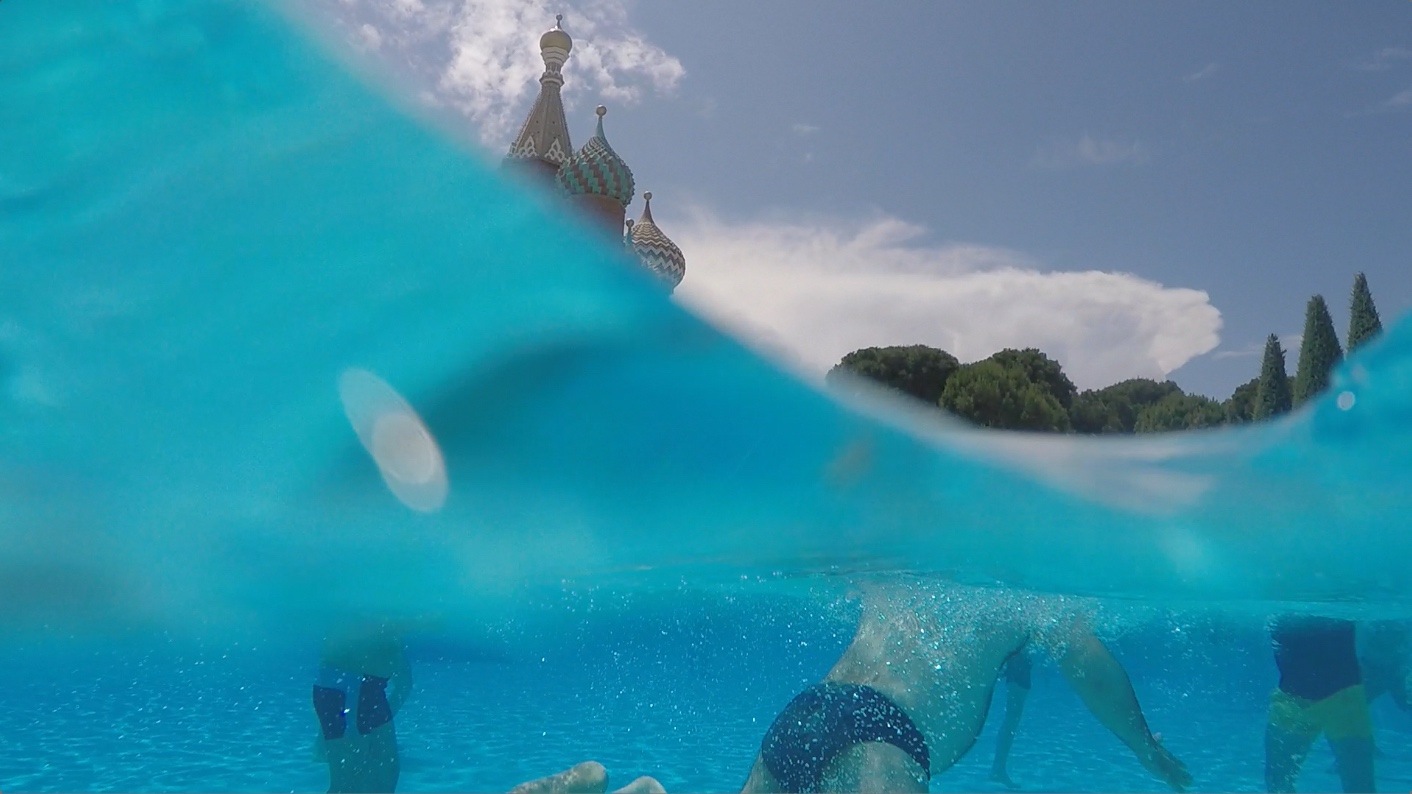
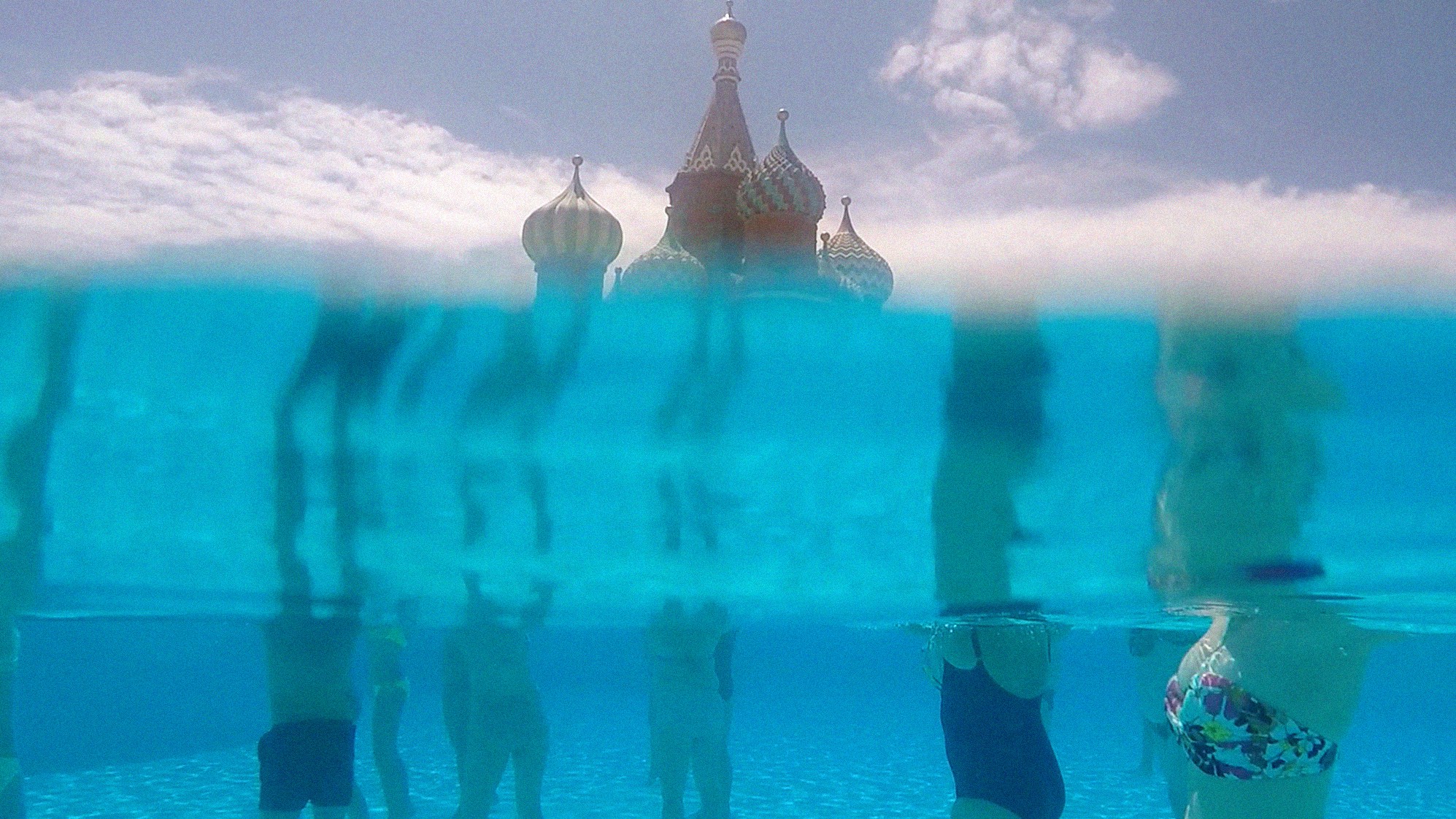
Exile Exotic is a work that stems from a personal experience of being expelled from Russia, of my mother's inability to go back there, and the circumstances of her departure being bound up in the infrastructures of international tourism. Set at a hotel in Turkey that is a replica of the Kremlin, the film is already a double articulation, a double pilgrimage—to the motherland and to the circumstances of its departure. In many ways the film is permeated by this idea of a double, or even a double of a double. The Kremlin hotel is a double of the Kremlin, naturally, but as such it is also a double of the story of Christ the Savior Cathedral, which was blown up after the revolution and then rebuilt in the 1990s with the new change in regime, itself a double. In-between these two incarnations, the destroyed cathedral was going to be turned into a monument to communism that would have been the tallest building in the world, but instead was made into a giant outdoor swimming pool (see figures, 8–15).
The inception of the film lies in my coming across the existence of this hotel in Antalya, with the Kremlin on the shores of a giant outdoor swimming pool, as this architectural location crystalized numerous strands of existing research on the history of tourism, freedom of movement, architectural simulacra, and exile. Through the editing, cinematography, text, and soundscape I aimed to draw out the continuities and discontinuities between doubling and dislocation. One of the key doubles in the film is the push and pull between remembering and forgetting. By rebuilding a cathedral that has been destroyed, are we remembering the Russian Orthodox roots, or erasing the century of Soviet ruling? In the film, we see soldiers marching through the Red Square on the Victory Day parade in May 2015: the entire Russian army parade through the center of Moscow every year, lest we forget Russia's military might. This choreographed collective motion is echoed in the last sequence of the film, where the camera repeatedly breaks the surface of the water while documenting a choreography of a frolicking water aerobics class. Each element is supplied with its opposite, which ends up also being its repetition. The film thus comes in waves of constant repetition, erasure and rebuilding, forgetting and remembering.
The text that narrates the middle of the film is based on the conversations my mother and I had, and reveals the existing generational split in selective memory. There is a further disjunction between the subtitles and the Russian text as it's heard: the subtitles are not a direct translation of what you hear; instead they spell out a summarized version of the conversations, in addition to contextual information; the difference between life as it is lived and history as it is written. They also aim to make the viewer confront their inability to understand the spoken text, as one would being a foreigner arriving in a new place. The film score, by Hannah Catherine Jones, is recorded live on voice, theremin, and loop pedal. It complicates the juxtaposition of singular and plural, human and nonhuman: one voice getting lost in a broader spectrum of history, and as the voice and the theremin bleed into each other and at times become difficult to tell apart, the lines between human and nonhuman are inextricably blurred.
Sasha Litvintseva in a statement to PLATFORM:VB (June 2017)
Exile Exotic, 2015 | Video, 14'
Sasha Litvintseva
Exile Exotic trailer (2015) | Sasha Litvintseva
Exile Exotic (trailer) from Sasha Litvintseva on Vimeo.