Elation
2010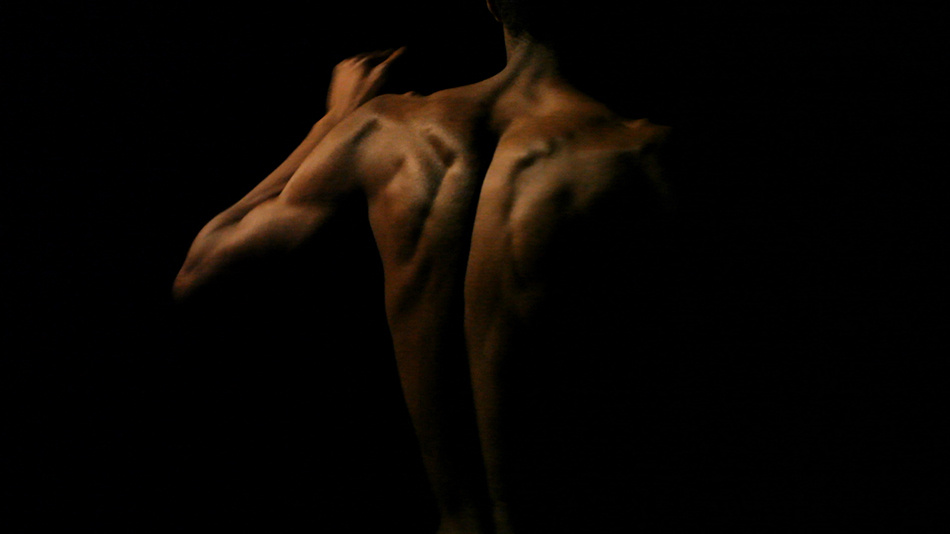
Elation (2010), video still
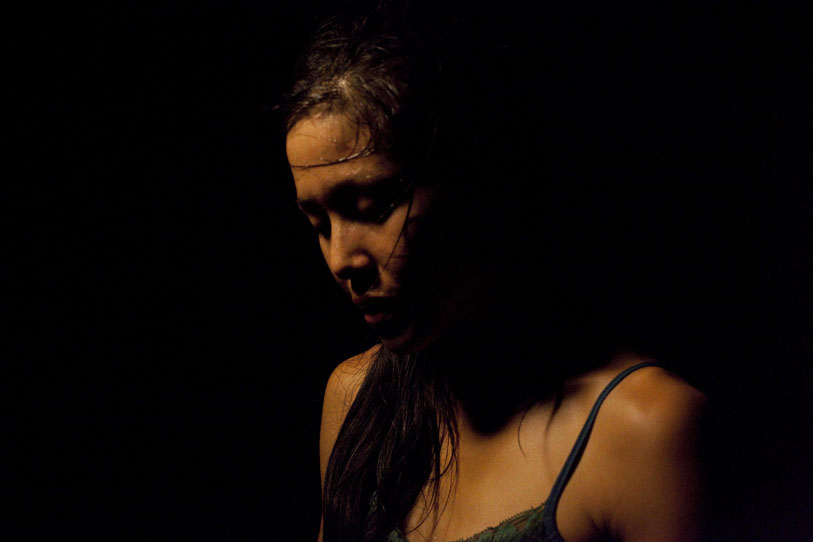
Filming of Elation. Lucia (2010)
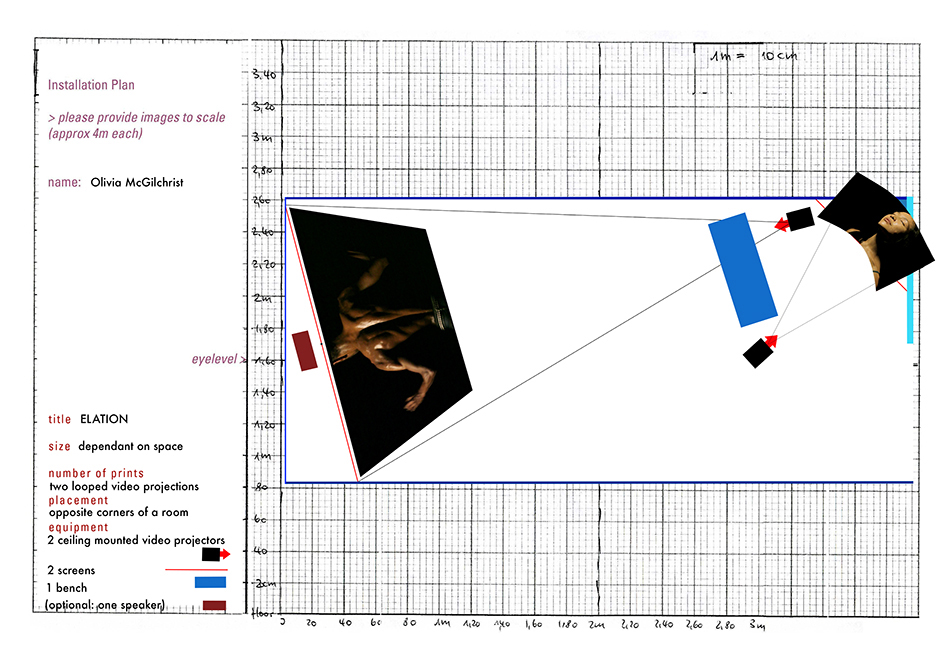
Digital layout test for Elation's screens (2010)
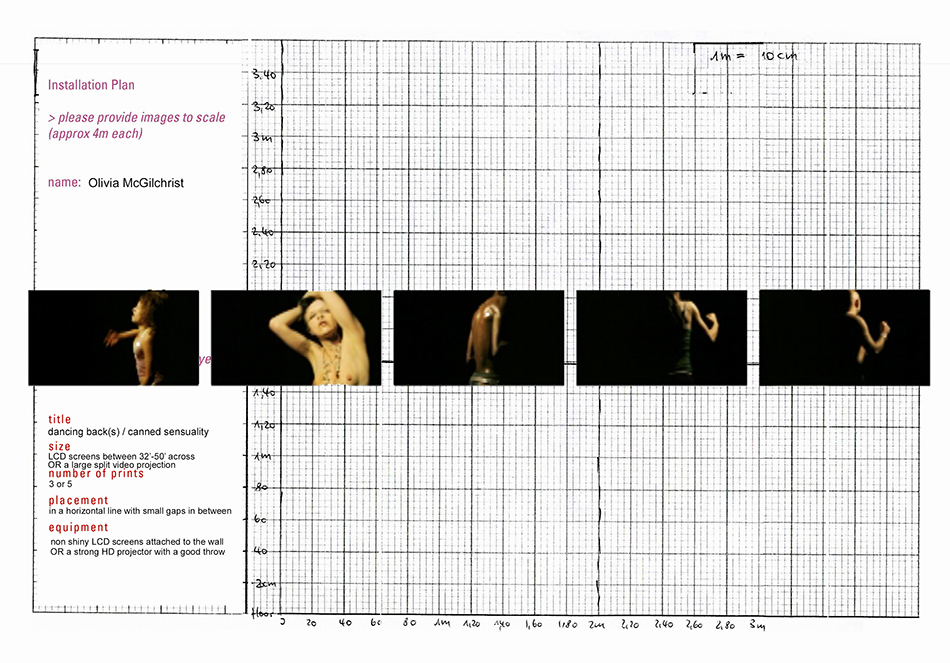
Digital layout test for Elation's screens (2010)
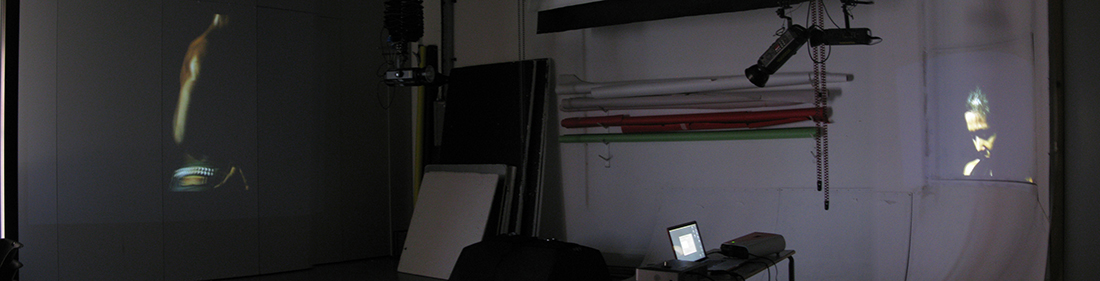
Layout test for Elation (2010)'s screens, made in the artist's studio (2010)
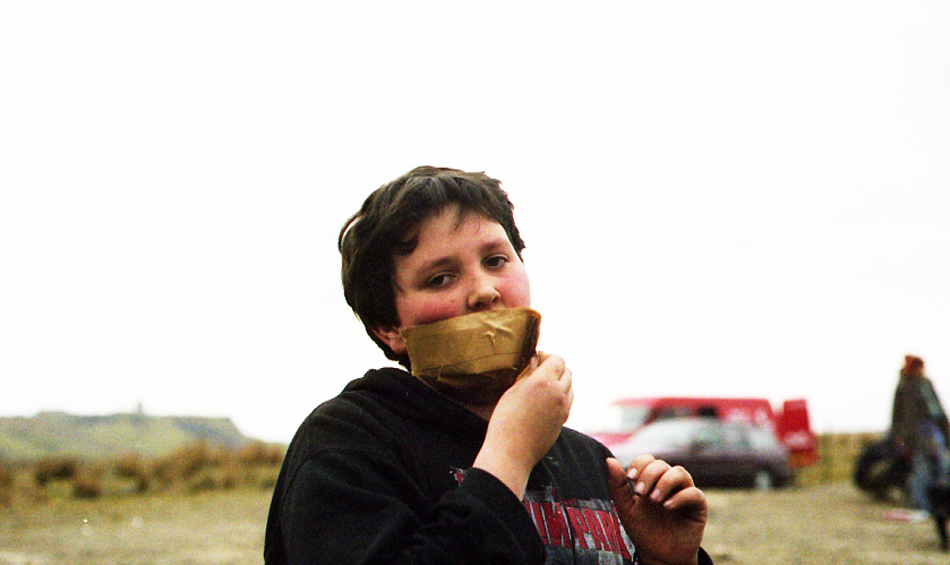
Research material for Elation: outdoor party, Wales (2005)
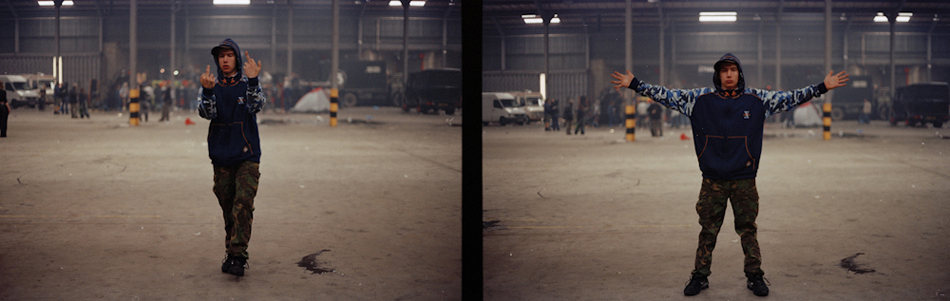
Research material for Elation: warehouse party, London, United Kingdom (2003)
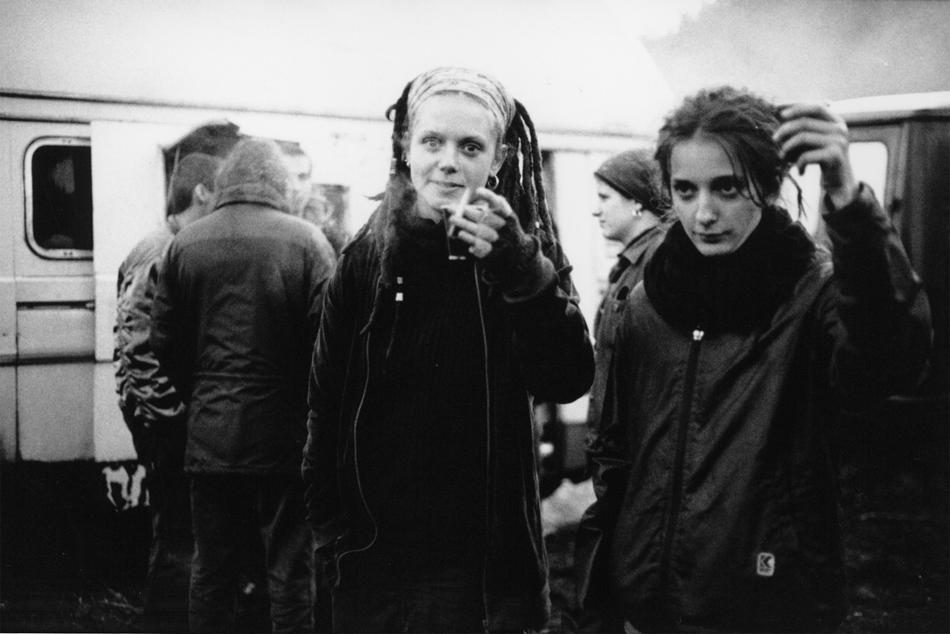
Research material for Elation: outdoor party, Czech Republic (2002)
"The long-term research for the creation of Elation consisted of eight years of attendance, participation and documentation of the underground rave and club scene in London, around the U.K., and in a few places in Poland, Germany and the Czech Republic, between 2002 and 2010.
The shift from my initial documentary approach to a more conceptual and choreographed one is an important aspect of my creative process. Elation looks at an experience I lived, which affected me personally, and I feel that it has also had a deep resonance within the British society and some parts of the European society.
Whilst deciding to make this video installation, there was a sense of closure and new beginning in my approach to art making. This is where I really started using video over (and sometimes combined with) photography.
All those years of 'naive' documentation of the rave scene suddenly seemed obsolete or just too self-indulgent, not portraying anything new about the subject. Elation was deeply inspired by this frustration in my previous attempts to uncover my fascination with these dark, heavy bass gatherings. I had to recreate elements of the darkness, the sweat and the cold, empty warehouses in a studio environment. I stripped off the context to focus on the movement.
Conceiving the installation became more about creating a 'softer' feeling, in order to immerse the viewer into this darkness and to create a sense of intimacy. The viewer is physically placed between two screens, where the people depicted are shedding all inhibitions and letting themselves go. Once the installation was set up, the bass became a muffled 'heartbeat', which I had not anticipated.
One of the most critical experiences I had with an art work was when I first saw Dutch artist Rineke Dijkstra's video installation The Buzzclub, Liverpool, UK / Mysteryworld, Zaandam, NL 1996-97, in a museum in Amsterdam, around 2001. The title points us to where and when this was filmed: two licensed night-clubs in the U.K. and in Holland, in the 1990s. This work remained etched in my mind just as I started going to raves and clubs myself.
In retrospect, it feels as if, throughout my years of documenting these night scenes, I was attempting to distill a similar level of intensity through an art work. Elation pays tribute to the closeness and the intimacy found in these events - which had a strong impact on my life - by revealing elements of a personal experience.
Growing up and refusing to conform seems to be indulged in inner-city raves and clubs. Yet, it also resembles a search for a very dark space in which freedom and fantasy can be experienced alone yet together, within the relative comfort of Western society. The worst substances and people come to play here. Nevertheless, despite the heavy consequences, they are genuinely open and free spaces, something that more legal structures lack."
Olivia McGilchrist in a statement to PLATFORM:VB (October 2013)
Elation (2010) | Olivia McGilchrist
Video installation | 2 channels; 5’48”, stereo, color, 16 : 9, loop; 55”, no sound, , color, 16 : 9, loop
Elation (2010) detail
Testimony Olivia McGilchrist | 18th Festival
The artist discusses her video installation featured in the 18th Festival. According to Mcgilchrist, Her attempt to avoid clichés associated to the English underground rave party imagery originated Elation