Conversation Piece
2012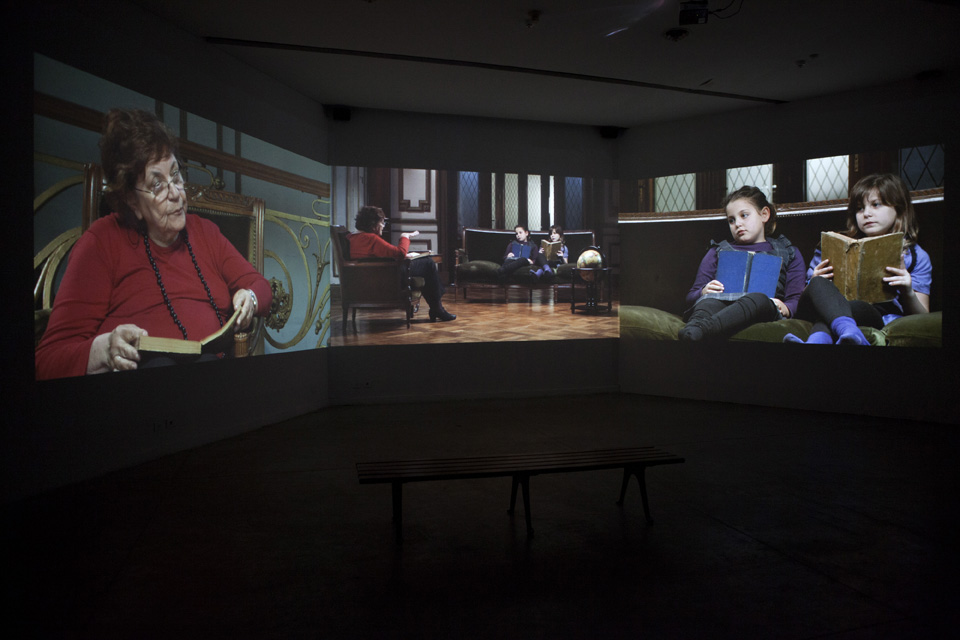
Conversation piece (2012)
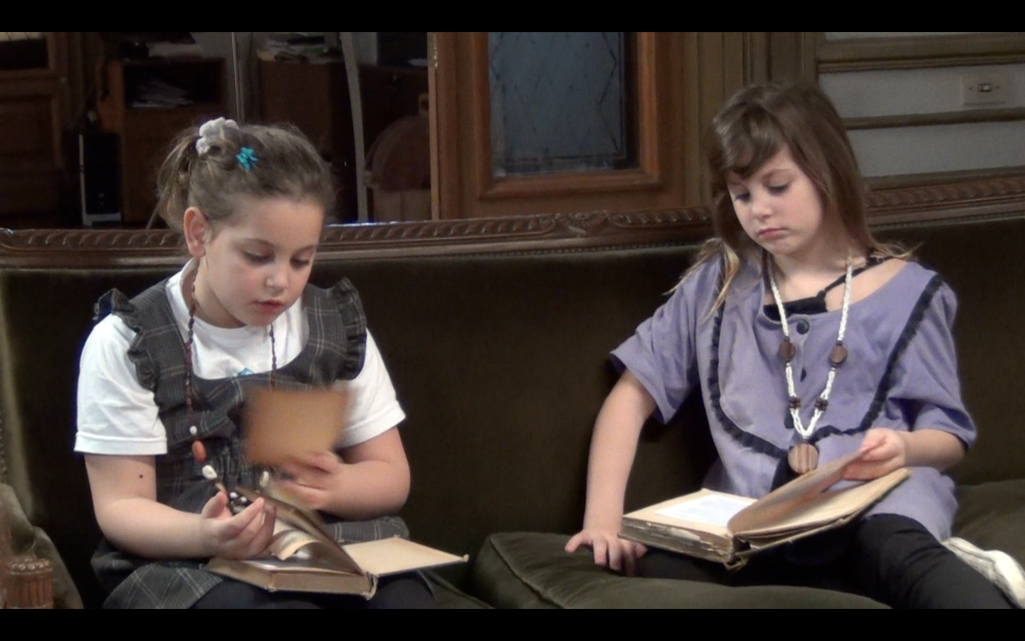
Elaboration of Conversation piece (2012)
Elaboration of Conversation piece (2012)
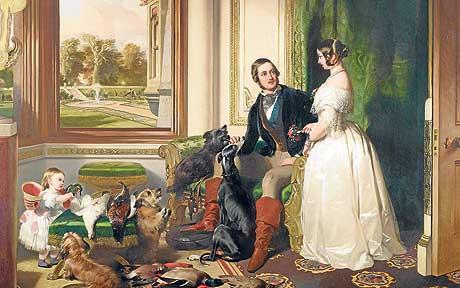
Artist's reference, a "conversation piece": Windsor Castle in modern time; Queen Victoria, Prince Albert and Victoria, Princess Royal (1840-1843), Sir Edwin Landseer
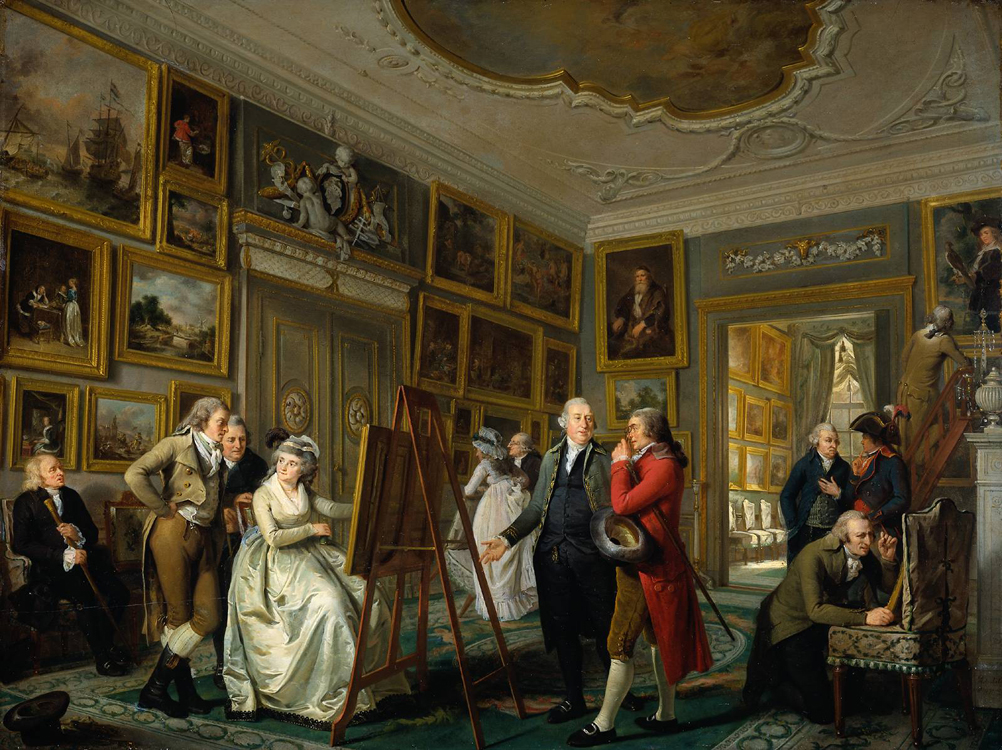
Artist's reference, a "conversation piece": Windsor Castle in modern time; Queen Victoria, Prince Albert and Victoria, Princess Royal (1840-1843), Sir Edwin Landseer
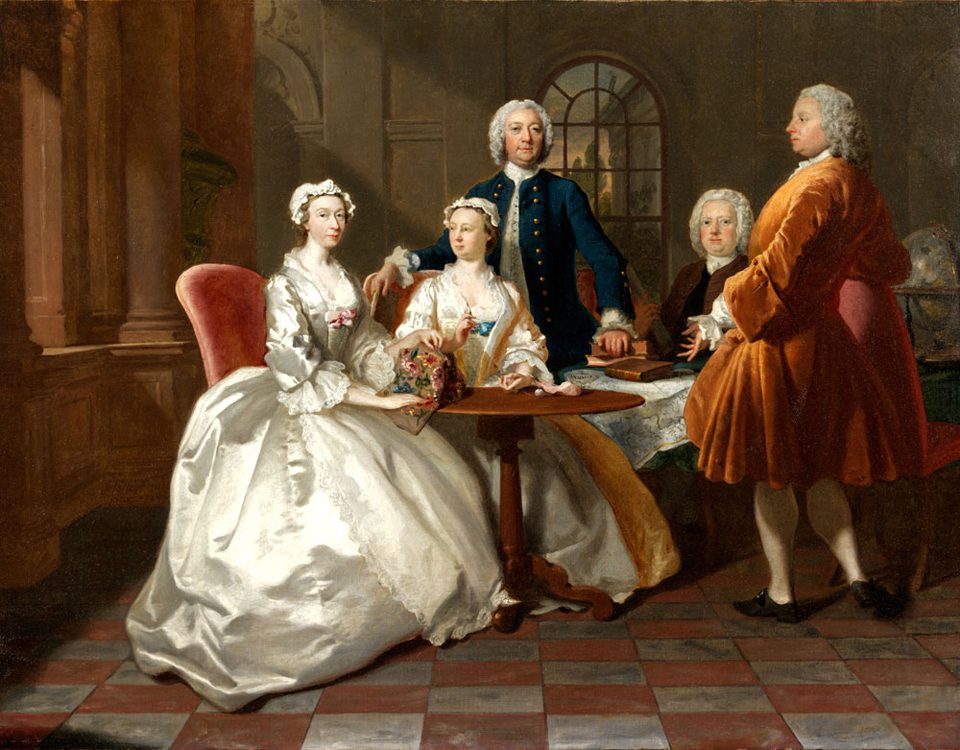
Artist's reference, a "conversation piece": A portrait of the Vigor Family: Jane Vigor, Joseph Vigor, Ann Vigor, William Vigor and probably John Penn (1744), Joseph Highmore
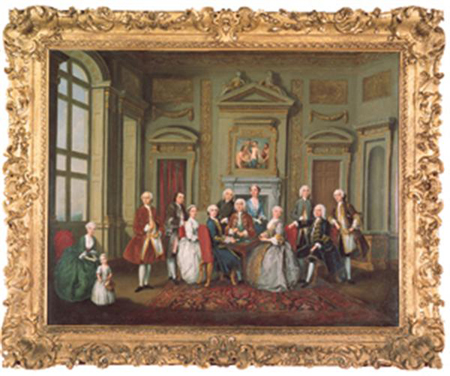
Artist's reference, a "conversation piece": The Tylney Family in the Saloon at Wanstead (1740), Old Nollekens
"One of the lines running through my work has been concerned with strategies to better understand: routes, roads, paths, approaches, systems, ways of apprehension.
In Possible Ways to Return Home (2011), the idea was to trace a path towards my house, the place I had chosen to live in, my refuge. The route was formed by sentences, dialogues of my favorite movies, those I saw when I started thinking about the moving image, such as The Green Ray (1986), by Éric Rohmer; A woman is a woman (1961) and Vivre sa vie (1962), by Jean-Luc Godard.
In Loucos de Amor (2009), two little girls read Fool for Love (1983), by Sam Shepard. Many of the words are read or said for the first time. Consequently, there is difficulty in the reading and its comprehension. They hesitate, they wonder, they deconstruct a love story.
The reading of texts in different contexts is permanently resignified. I am interested in reflecting on the mechanisms of text comprehension, as if they were maps that allow us to know the world better, and from there, to trace possible paths.
In Conversation Piece, two girls read the Communist Manifest (1848) with their grandmother. There are many concepts they don’t understand. As they read and ask questions, the girls seek to comprehend. They devise routes and possibilities, each word and its meaning.
This work is almost an autobiography. It's my mother who explains these matters to me, who gives them meaning. She reads the Communist Manifesto with my nieces. There are no underlying subtexts; everything needs to be unraveled, exposed, as if it was the first time.
As if by a sleight of hand, the generation that precedes me passes it on to the next generation. Thus, the movement is continuous, new questions arise, other narratives emerge, with new directions.
The conversation piece is a special typology of the pictorial narratives group, quite frequent in the 17th and 18th centuries. A family conversation, someone playing a musical instrument, a dog, the evening falling, low light, time elapsing.
I remember moments of my childhood: the family sharing a space in town, the passing of time, some friends, no pets. My family used to talk about possible ways to build a better world, about communism as a way. These were times of dictatorship, and these private conversations had to be kept secret. The children listened, they were attentive, and nothing could to be repeated outside that space. This image was the beginning of everything. This was my ‘conversation piece’. "
Gabriela Golder in a statement to PLATFORM:VB (October 2013)
Conversation Piece (2012) | Gabriela Golder
Video installation | 3 channels, 19’30”, stereo, color, 16 : 9, loop
Testimony Gabriela Golder | 18th Festival
A participant in the Festival since 2001, the Argentinean artist reflects on the art-politics relationship. Golder regards this connection as a positioning of the artist’s in the face of images
A woman is a woman (1961) | Jean-Luc Godard
My life to live (1962) | Jean-Luc Godard
My life to live's trailer, by Godard
The Green Ray (1986) | Éric Rohmer
The Green Ray,s trailer, by Rohmer
A Lover's Discourse: Fragments (1977), by Roland Barthes. [en]
Conversation Piece (2012), by Gabriela Golder