Centro espacial satelital de Colombia
2015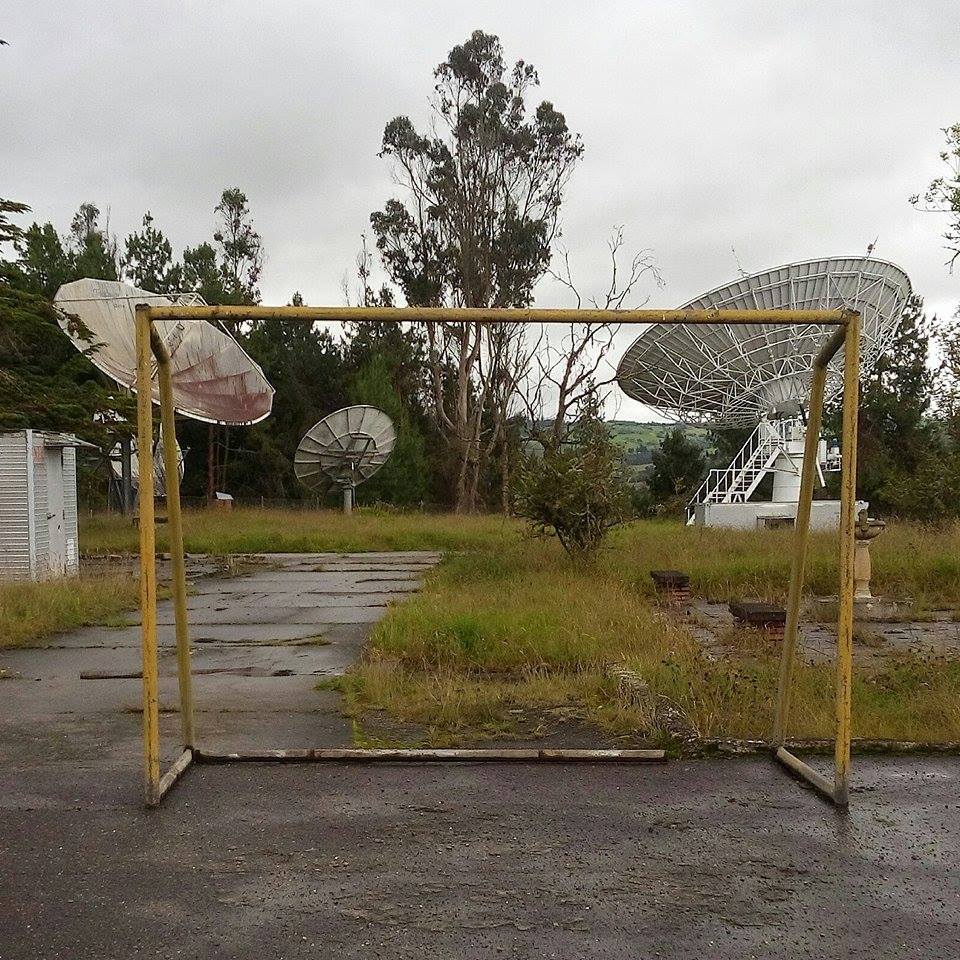
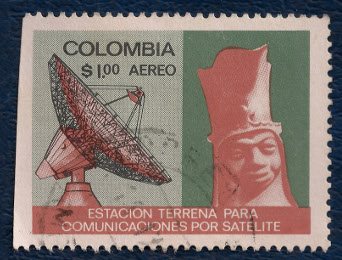
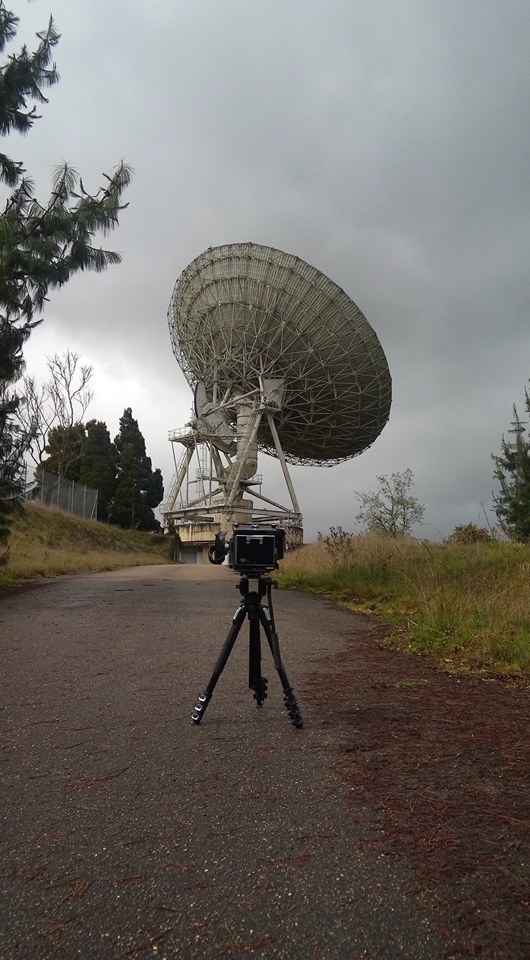
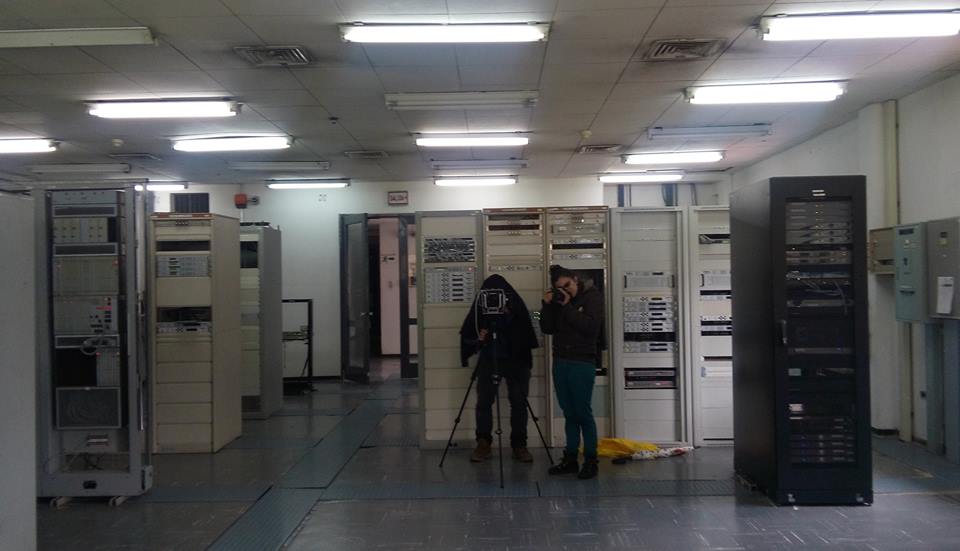
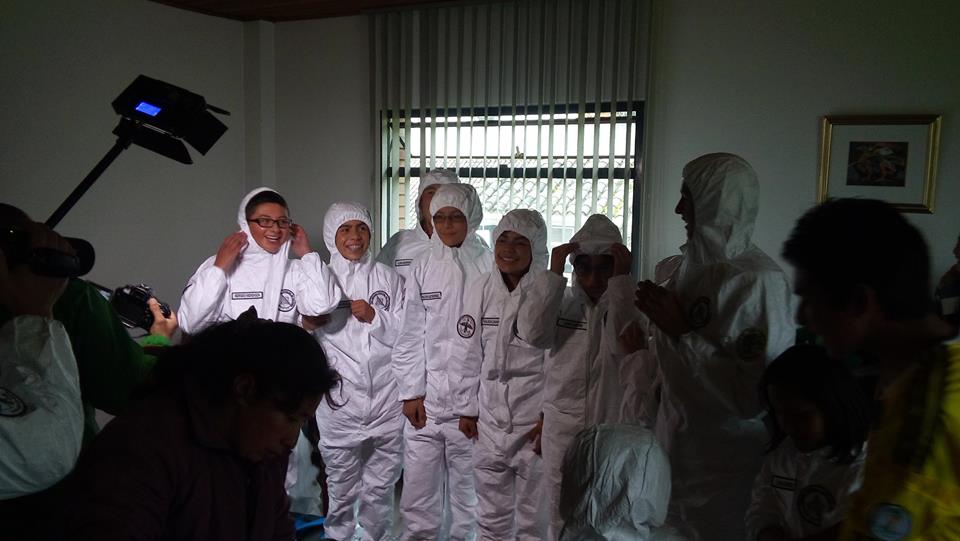
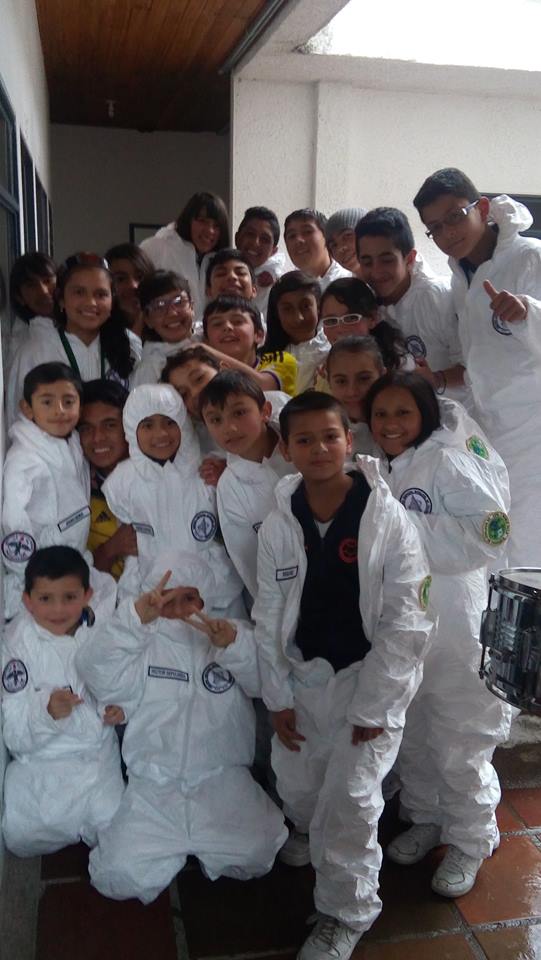
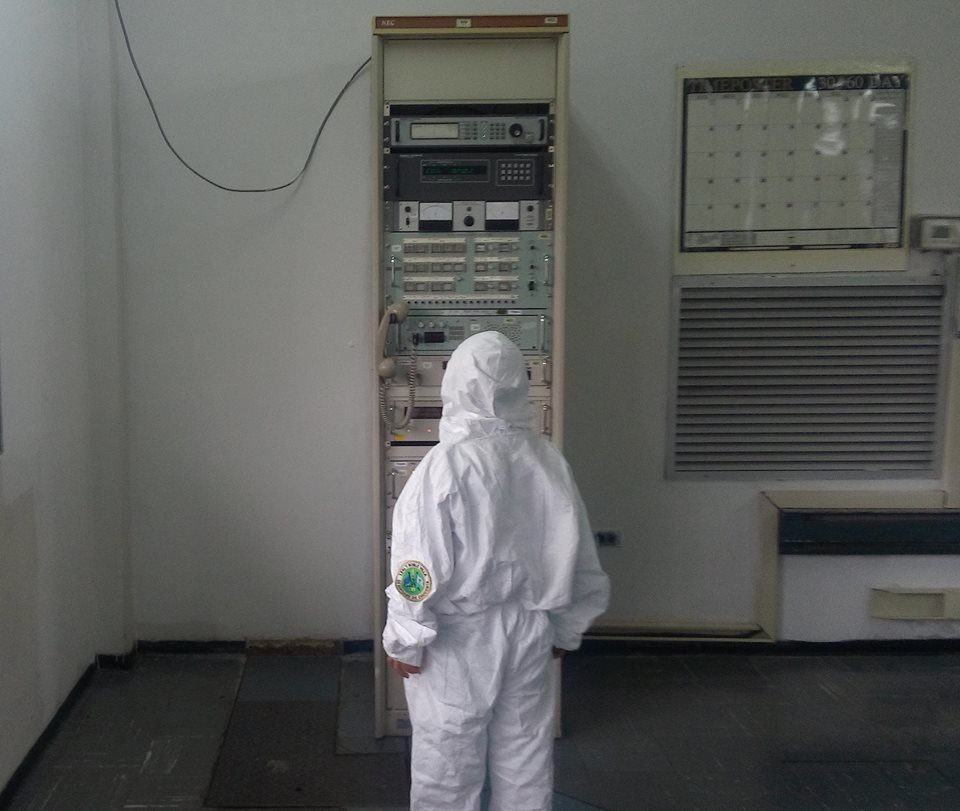
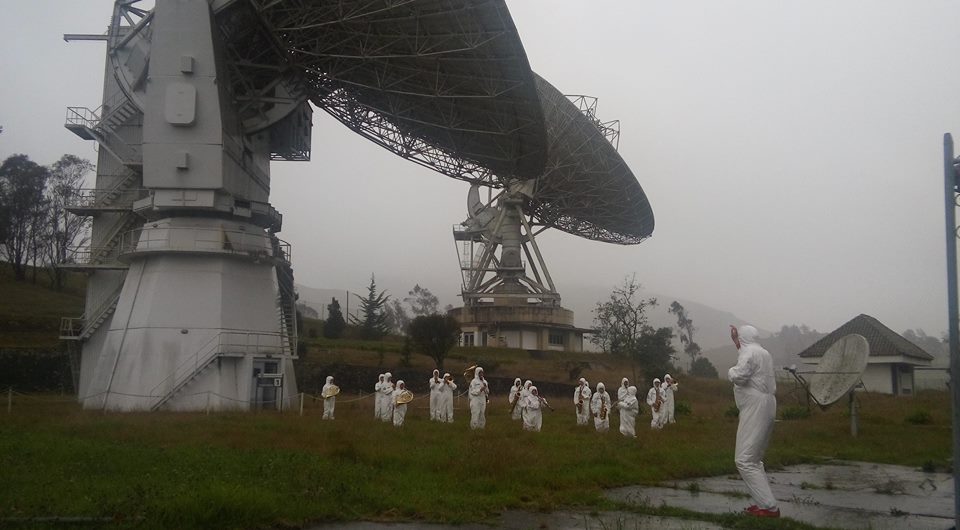
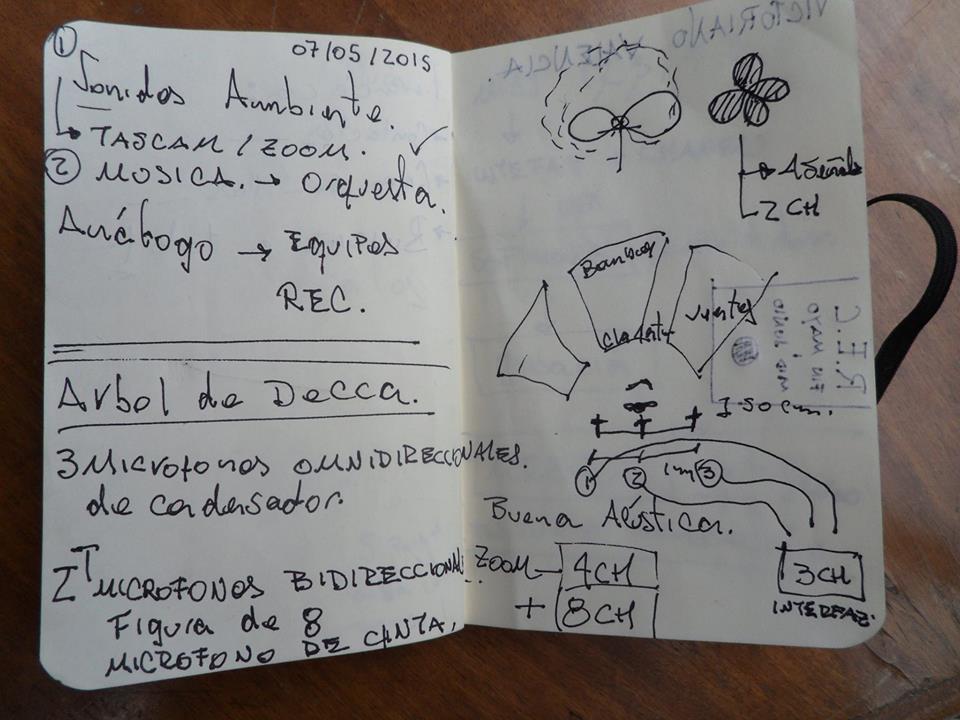
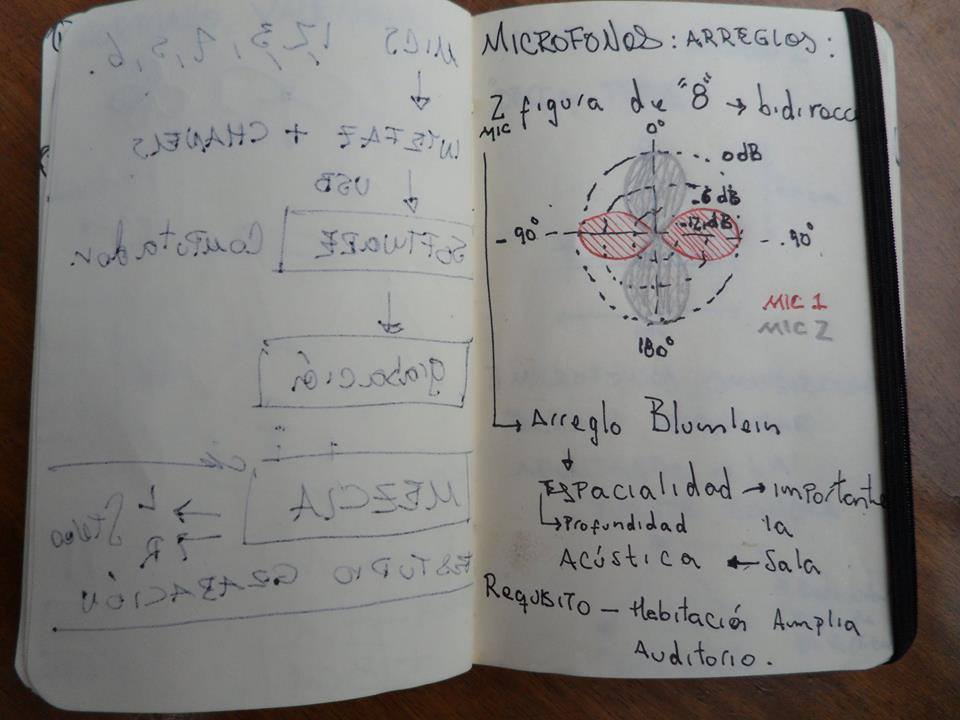
The research was based on our interest in two giant telecommunications antennas located in the countryside, in Colombia’s central region. These antennas were an icon and technological reference in the country in the 1970s and 1980s. Today they are a testimony of a bygone era and are almost in disuse. They remain important to the nearby town of Chocontá for what they represent, but access to them is restricted and new generations do not know them closely, although they are present in their everyday landscape.
On the other hand, visiting the cultural center in the same town, we found that the Children's Symphonic Band of Chocontá practice and rehearse there. When we heard them play, we thought, “why not unite these distinct worldviews?” The obsolescence and technological ruin, the idea of progress and unfinished modernity of Colombia together with the fresh energy of new generations, the musical talent and interpretive force. A third element that served as an amalgam was the rural, rainy and cold landscape of the altiplano, combined with the idea of a Spatial era that never arrived in the country. By bringing them all together, a special poetics arose and Centro Espacial Satelital de Colombia was created.
The Decanatura is interested in expanding the idea of art by mixing different contexts and disciplines. We are interested in empirical and everyday knowledge and history, and especially unofficial history. On the other hand, we always long for a bit of "humanity" within contemporary art and for this we always involve or perform processes with "real" people and "real" experiences. From these experiences, a mix of historical knowledge as well as unawareness and strangeness in the face of certain situations, emerges a special poetics, which is often intuitive. In short, we believe that all these elements came together in the Centro Espacial Satelital de Colombia, which we consider our most important work to date.
Our creative process always comes from specific concerns. From a question that arises from hearing or reading a story, or when we find some images or photographs of particular scenes of untold or unofficial stories, and we become interested in a special topic. Then begins our research stage, when we look for documents, search in archives and later visit the places we are interested in. Step by step we start to join pieces and meet people. We try to mix this knowledge, even if they do not seem compatible at first.
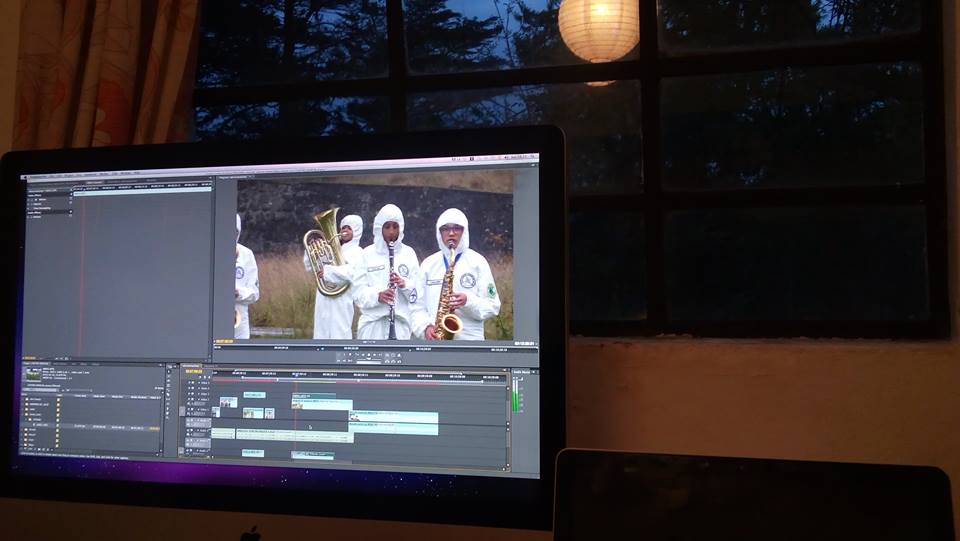
Clearly our works have an important temporal component and the process ranges from medium to long term. The research must establish a connection with the people, look for affinities and common topics and develop trust. When we are able to juxtapose historical and symbolic elements, we understand that we are ready to take the next step. The audiovisual piece is achieved by trying to understand the context, the environment and the situation of filming. We often incorporate elements that were not foreseen, and many times we intuitively solve the problems that arise during the shooting. We believe in a special magic that occurs when you shoot and what happens if the juxtaposed elements "fit," and that could be in a different order than usual or one to which we are not accustomed. The poetics of the images emerges from that strangeness compared to what is familiar. Finally comes the stage of editing and postproduction that we normally do in the countryside, away from the Internet and other distracting elements. There we can concentrate on re-reading the images to find more elements, through an editing that enhances that poetics we seek.
La Decanatura in a statement to PLATFORM:VB (August 2017)
Centro espacial satelital de Colombia, 2016 | Video, 12'
La Decanatura
The Decanatura is strongly influenced by cinema. Among our most important influences we can mention: Stanley Kubrick, Werner Herzog and especially Andrei Tarkovsky. We have artistic training where audiovisual training predominated. For this project we were particularly interested in science fiction as a genre, but far from the American model. We were interested in the ideas of technological obsolescence, analog technology and large format photography, as well as the idea of landscape and its pictorial and then cinematic representation, especially since the German Romanticism and its idea of the sublime. Music is an important protagonist in our project, specifically the orchestral and symphonic music. In Colombia, its greatest exponent is the maestro Victoriano Valencia.