Bahia e Portugal + Lisboa, Porto Seguro
2013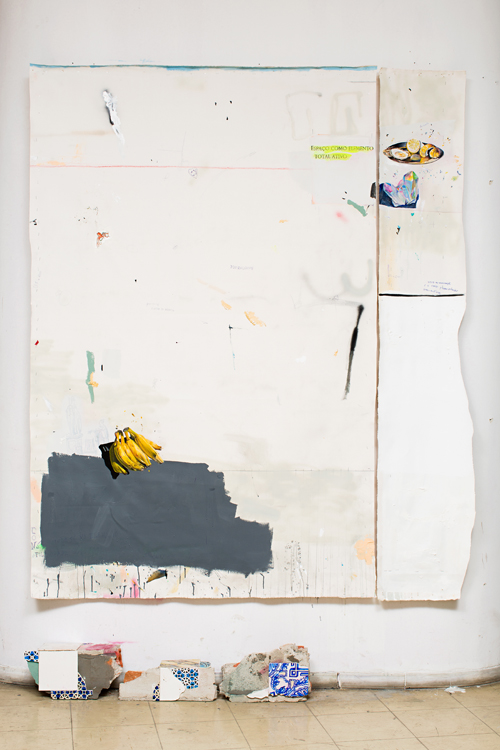
Bahia e Portugal (2013) installation
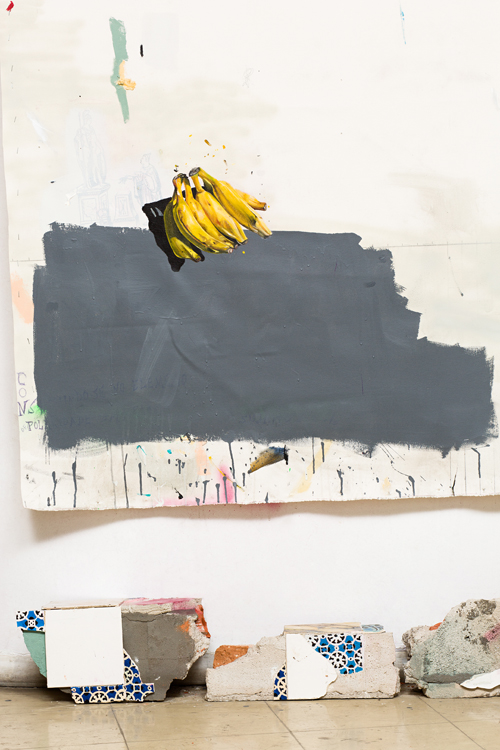
Bahia e Portugal (2013), installation detail
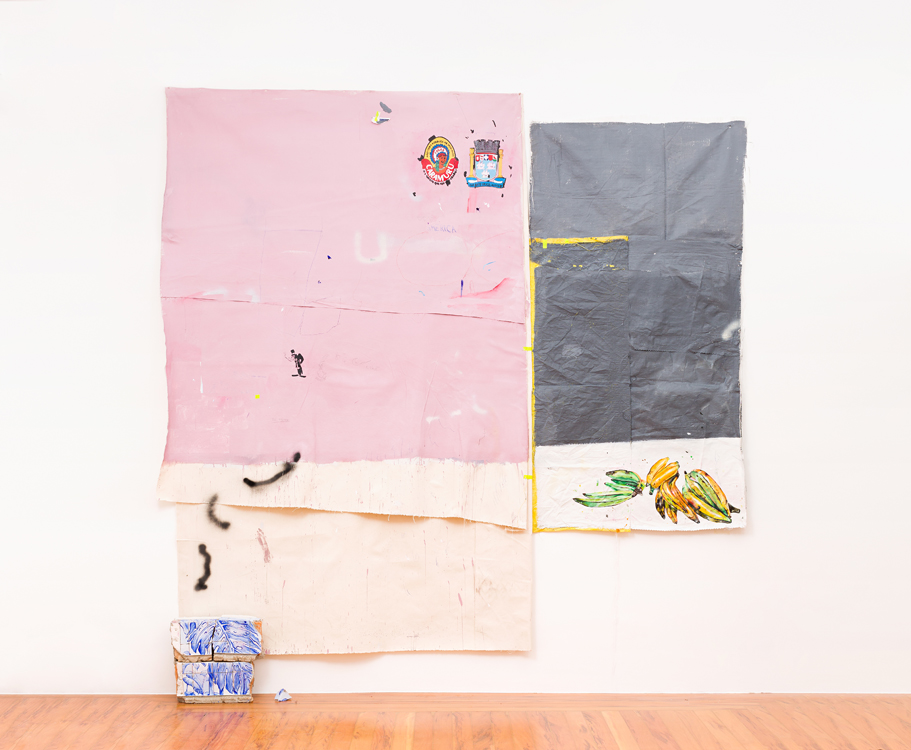
Lisboa, Porto Seguro (2014) installation
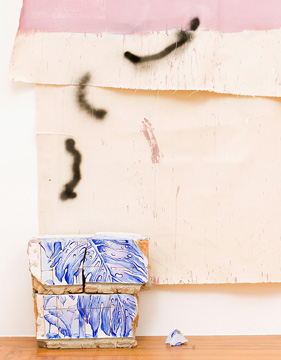
Lisboa, Porto Seguro (2014), installation detail
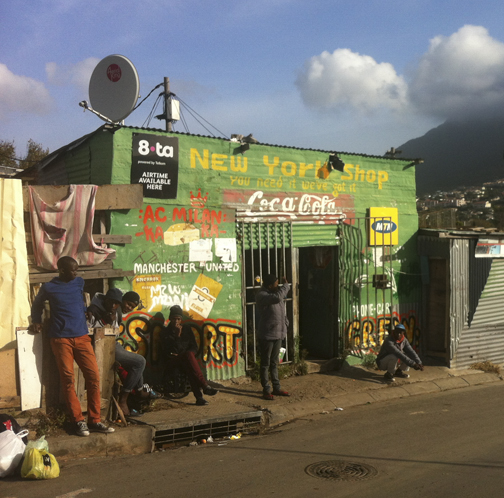
Details of the artist's research
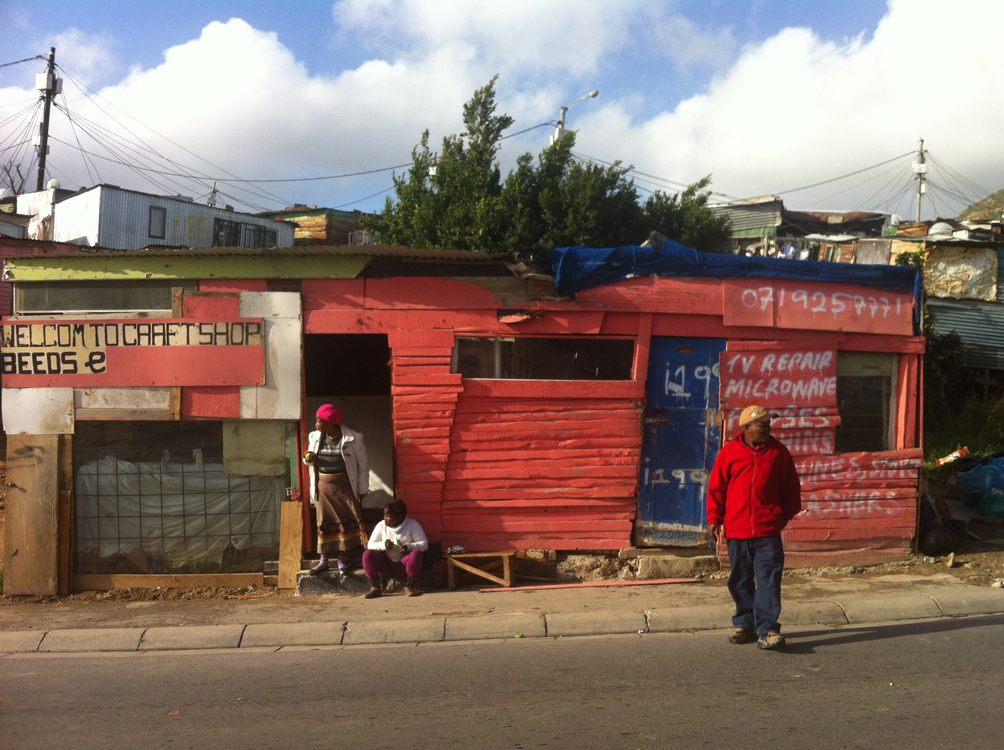
Details of the artist's research
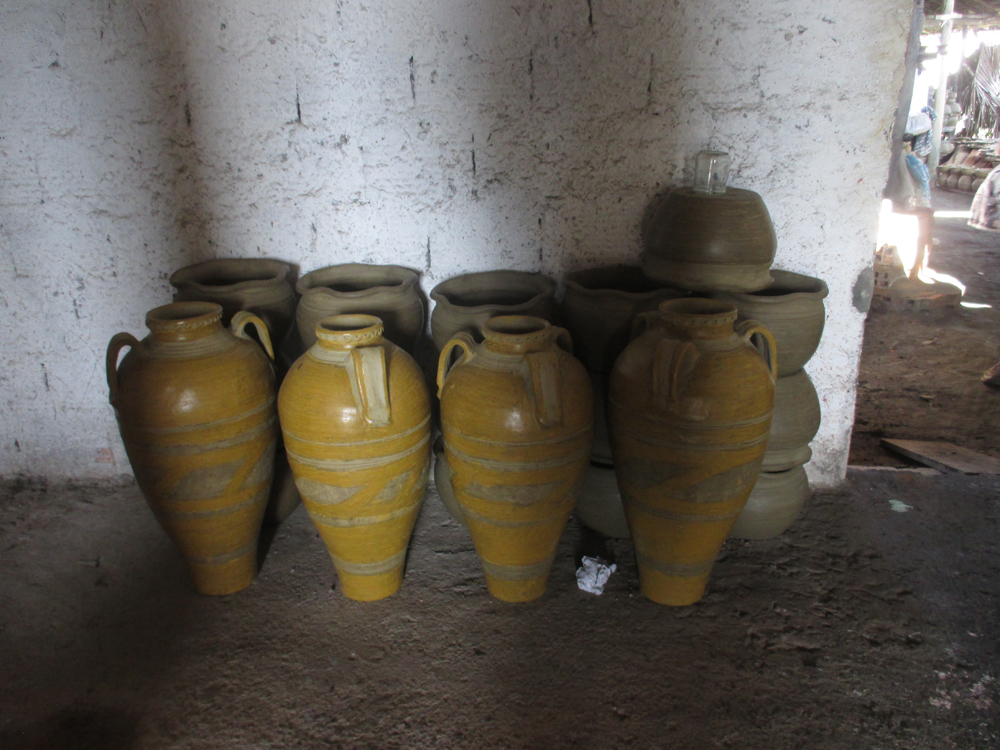
Details of the artist's research
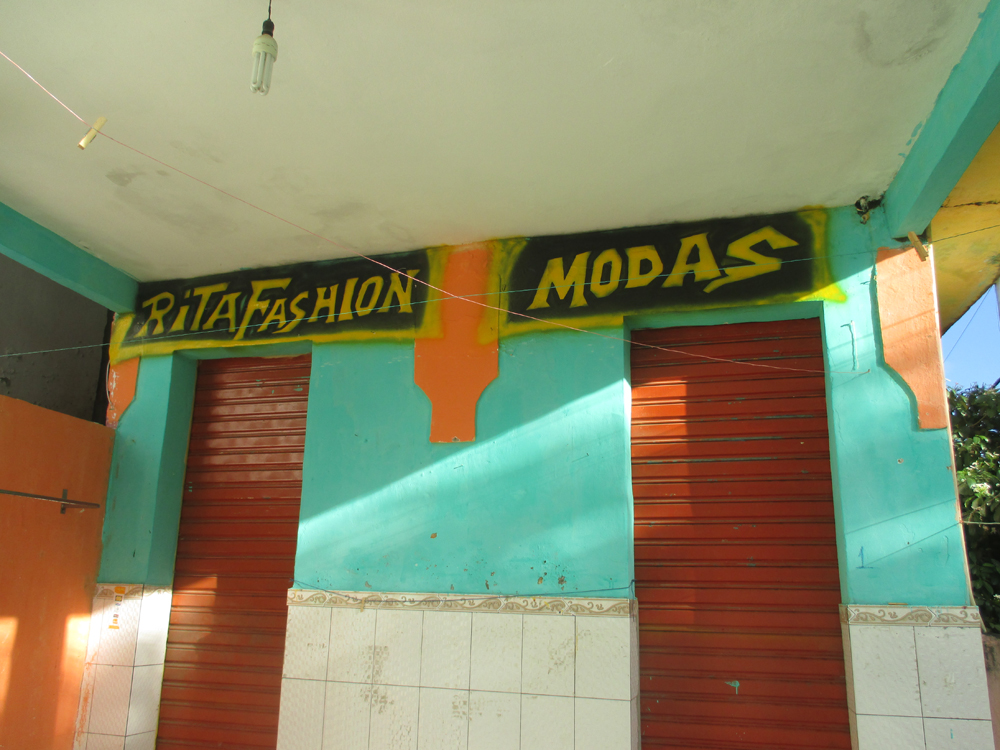
Details of the artist's research
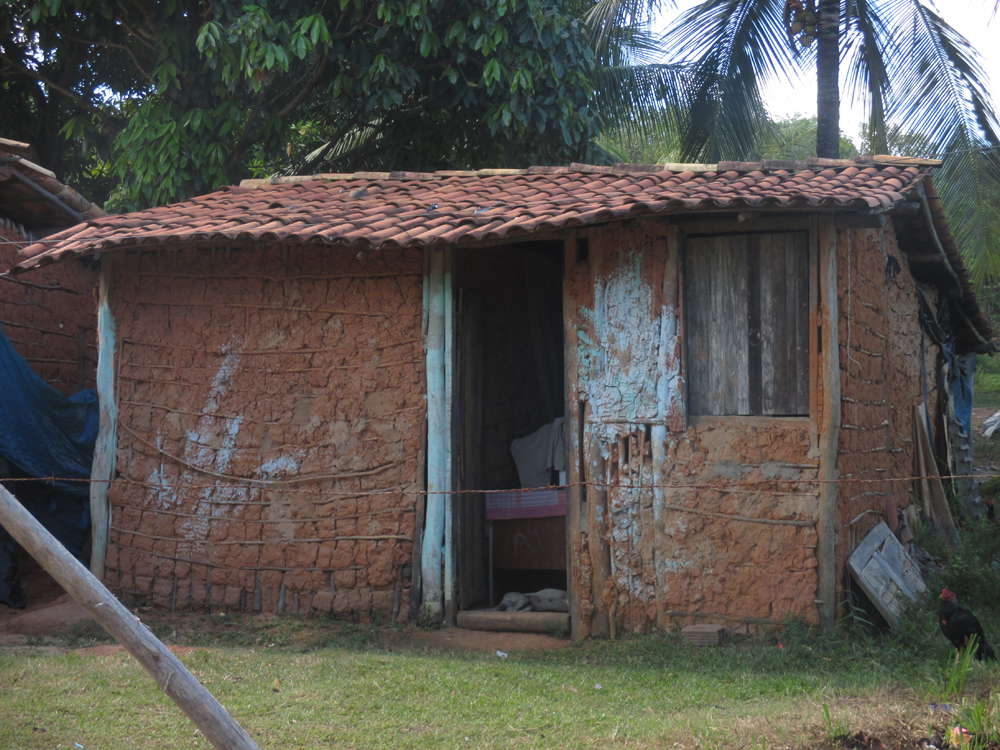
Details of the artist's research
“I grew up in a setting where I was warned of social and political problems through culture, music, the visual arts, the informality of prose, and daily life. Therefore, it is inevitable that my pictorial thinking should be based around sociocultural issues.
I have always nurtured an interest in so-called minor history. By minor I mean a history that lies on the outer edges, the fringes of major situations and so-called major events. And my work deals essentially with history. History and stories, be they of Rome or some neighborhood, because to me, these experiences intertwine.
In my work, these issues become visible once the spectator cares to look at what happens behind the images, drawing parallels and making connections.”
Paulo Nimer Pjota in a statement to PLATFORM:VB (July 2015)
Bahia e Portugal, 2013 | Installation
Lisboa, Porto Seguro, 2014 | Installation
Paulo Nimer Pjota
References that motivated the creation of the artworks:
“One must be a painter through the qualities of painting itself… one must use rough materials”. Paul Cézanne
“The only chore was to bury bananas in pits, out in abandoned banana groves, to allow the next batch of urwagwa to ferment. We became lazy. We did not bury the bodies, it was wasted effort…” Machete Season – The Killers in Rwanda Speak (2003) – Jean Hatzfeld
“When a people lose their sovereignty and are submitted to another culture, they lose at least some of their self-confidence and dignity; they lose the right to self-govern; the freedom to choose what to change in their own culture, or what to adopt or reject from the other culture”. General History of Africa. Volume V. Africa from the XVI to the XVIII Century (1992). UNESCO International Scientific Committee
“He lived far from men, he only got along well with animals. His tough feet broke the thorns and didn't feel the heat of the earth. Mounted, he became one with the horse, stuck to him. He spoke a sung, monosyllabic and guttural language that this partner understood. Sometimes in his relations with people, he used the same language with which he addressed the brutes — exclamations, onomatopoeias. In reality, he spoke little. He admired the long and difficult words of people of the city, tried to reproduce some, in vain, but knew that they were useless and dangerous”. Barren Lives – Graciliano Ramos