Ajeeb Aashiq + Trance
2016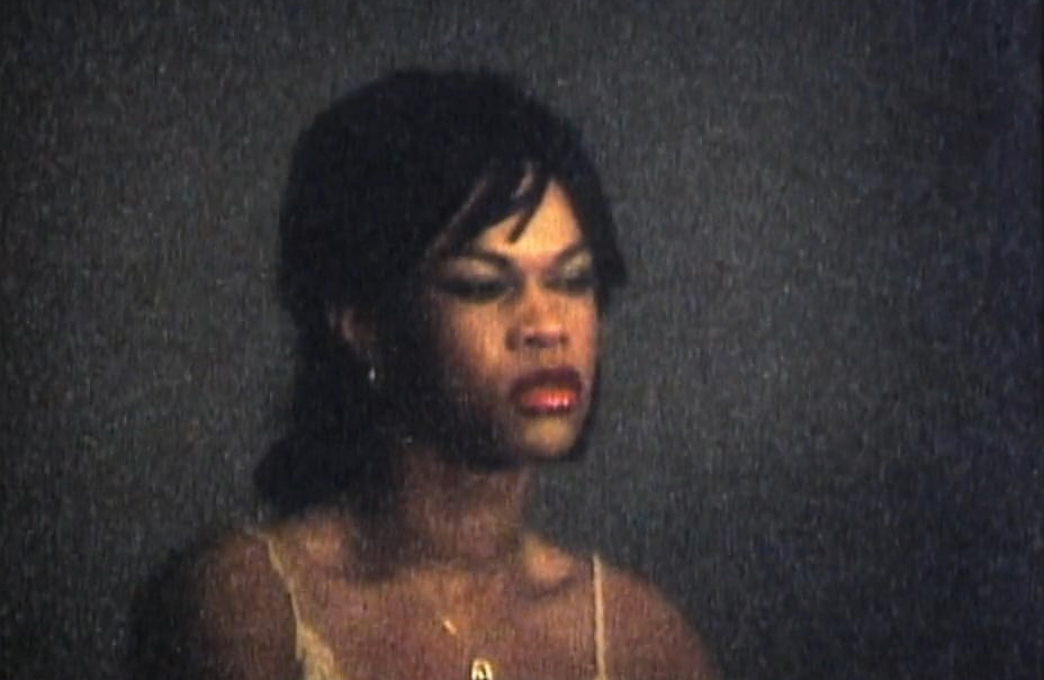
Street culture and the line between personal and political, and what separates the two were what I wanted to explore in Strange Love and Trance. Violence and abuse of power is also what I wanted to turn my lens on. The research for the film Ajeeb Aashiq / Strange Love started in 2009, as I was interested in making a feature film that was not just for a queer audience but still had authentic queer characters. I worked on the film script and in trying to raise funda util 2012. There was not a specific place I could do this research as I was living in the US at that time and only once I returned to India I had to make my script meet real life expectations. I wanted the film to intersect along the lines of class, gender, and labor. These are very personal concerns, as I have had challenges with all three of these in my own art practice and life. There isn’t a real place to research the streets in India, except by physically locating oneself on the street. Both Trance and Strange Love are actually an ode and a lament to the street. The research and filming were entwined, because my characters were more complex than my script. I wanted to accommodate my characters’ real life experiences. I began to see how they used the camera in a therapeutic way to examine certain aspects of their own life. The film took four years to make. It was an ultra marathon, and I crossed the finish line in 2016.
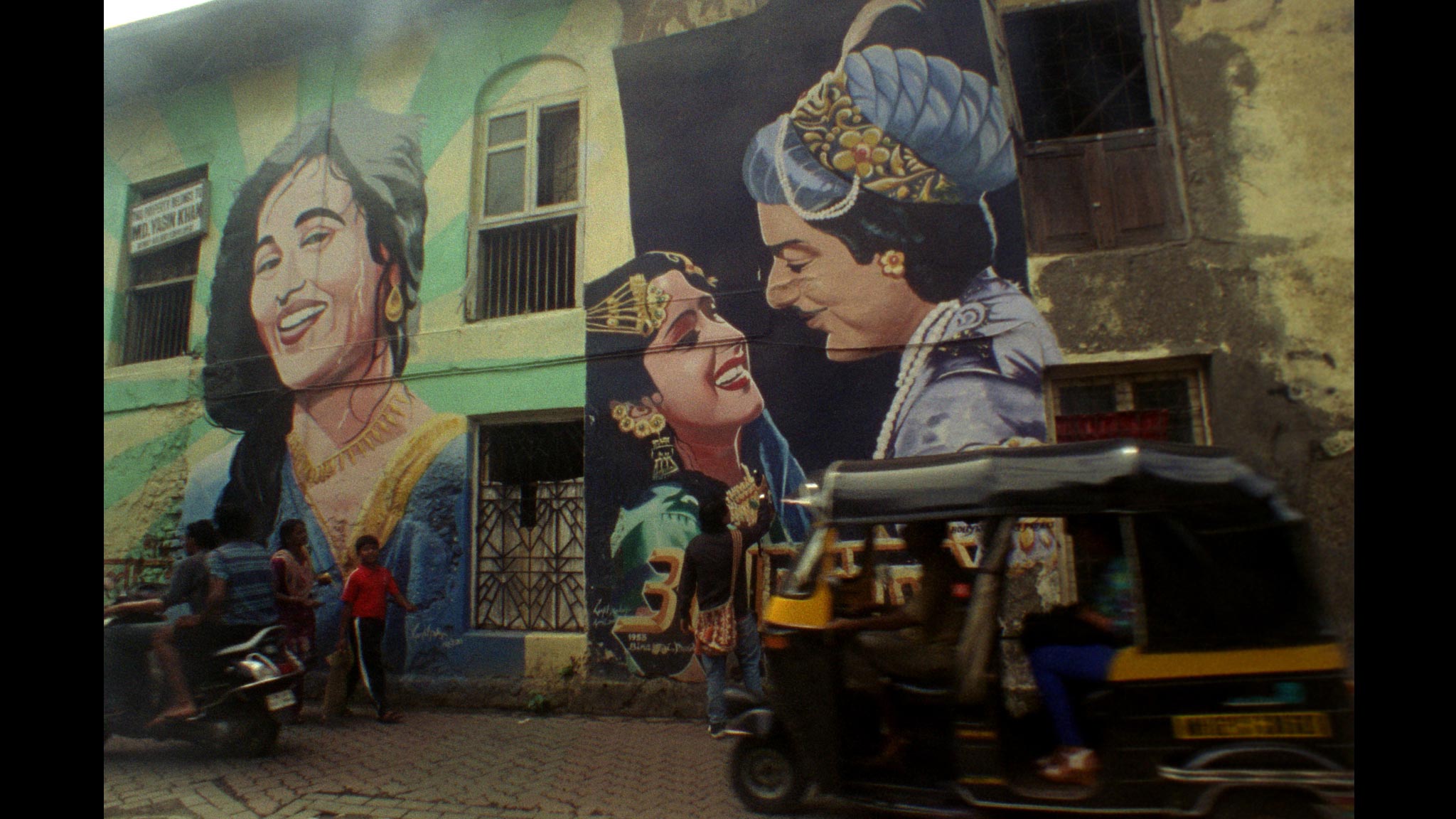
Ajeeb Aashiq / Strange Love is a hybrid intercourse between documentary and fiction, in 16 mm film and digital video. I draw from a rich, complex, original reality, and then frame it within a fictional story. I was invested in exploring the physical and psychological landscape of Mumbai by collaborating with non-actors on contemplative, highly stylized reflections of their actual lives. Suman is a singer musician working in Bollywood; Khush is a transgender man who works various odd jobs to survive; and the city of Mumbai is one of the most populous cities in India. Within this multi-layered plot, each character also serves as a metaphor for larger contemporary social issues. Khush represents the common man’s struggle and Suman embodies the city of Mumbai. Using cinéma vérité as a method, meaning is gathered through the slow accumulation of visual and aural detail. This challenges the viewer and stretches the limits of traditional forms of representation. The process also suggests inventive strategies of staging and reenactment of events, made interesting by the collaboration between the characters and the filmmaker. As a director, I had to win their trust while remaining unobtrusive and allowing the characters to build comfort with the camera on their own terms. This combination of intimacy and distance brings about a compassionate solidarity with the characters and an authentic representation of their lives.
As an artist, I am keen on gathering the living force within a community for the collective effort of cinema. This film entered people’s lives, as they entered the film in equal measure. Ajeeb Aashiq / Strange Love is, at heart, a portrait of real people and of a real city. I hope to spark a playful rumination on the creative approach towards a cinema of liminal imagery that blurs boundaries. Truth and fiction are intermingled. The introduction of fact does not necessarily make fiction more real, but possibly more strange. Ajeeb Aashiq / Strange Love asks viewers to embrace this formal and conceptual hybridism as a strategy meant not so much to dupe, mislead, or mock, but to offer an alternate lens and documenting tactic, one which may address the complex realities of identity, class, and the politics of representation.
I made both works alone with one assistant. This means I shot, edited, recorded, and designed sound myself. I need to be hands-on with my entire canvas. The intimacy that this brings is a boon as well as a curse, as intimacy complicates the piece, but at the same time it was hard to disinvest from my subjects’ lives. I had to learn the boundaries between director and cast, between cinema and life. The eye sees, but the ears imagine. All my work has its genesis in sound. Poems and music are a potent source of dissent. They encapsulate mind, body, soul, spirit, and psyche of the human experience and go beyond materiality and physicality. In Trance and Strange Love I wanted to explore the actual realities of being gender queer on the street. Can a victim also become a perpetrator of abuse? How can we become more aware of the consequences of our actions?
Ajeeb Aashiq, 2016 | Video, 75'
Natasha Mendonca
Trance, 2016 | Video, 10' 26"
Natasha Mendonca
Bollywood was my main influence in making Strange Love. I wanted to examine the place of songs in the Indian imagination. I wanted to explore the labor behind the glamor of the largest film industry in the world from a queer feminist point of view. The movements of Tropicália and Fluxus are big influences in my work. Encountering the work of Lígia Clark, Hélio Oiticica, and the Anthropofagy in my time in Brazil gave me a better comprehension of my post-colonial identity, and gave me the language to understand what I am trying to achieve in my own practice. Also being a cancer survivor when I was thirteen years old made me interested in healing modalities. Yoga, tantra, shamanism, animism, I-Ching, and music have been influential in shaping my perceptions of the body and in the making of both Strange Love and Trance.